The oil industry and its backers are coming out swinging against proposals pushed by Democratic presidential candidates aiming to virtually eliminate oil and gas.
Why it matters: The emphasis, made at an annual luncheon attended by hundreds of energy executives, shows how worried the industry is about the potential impact of such proposals, including fracking bans.
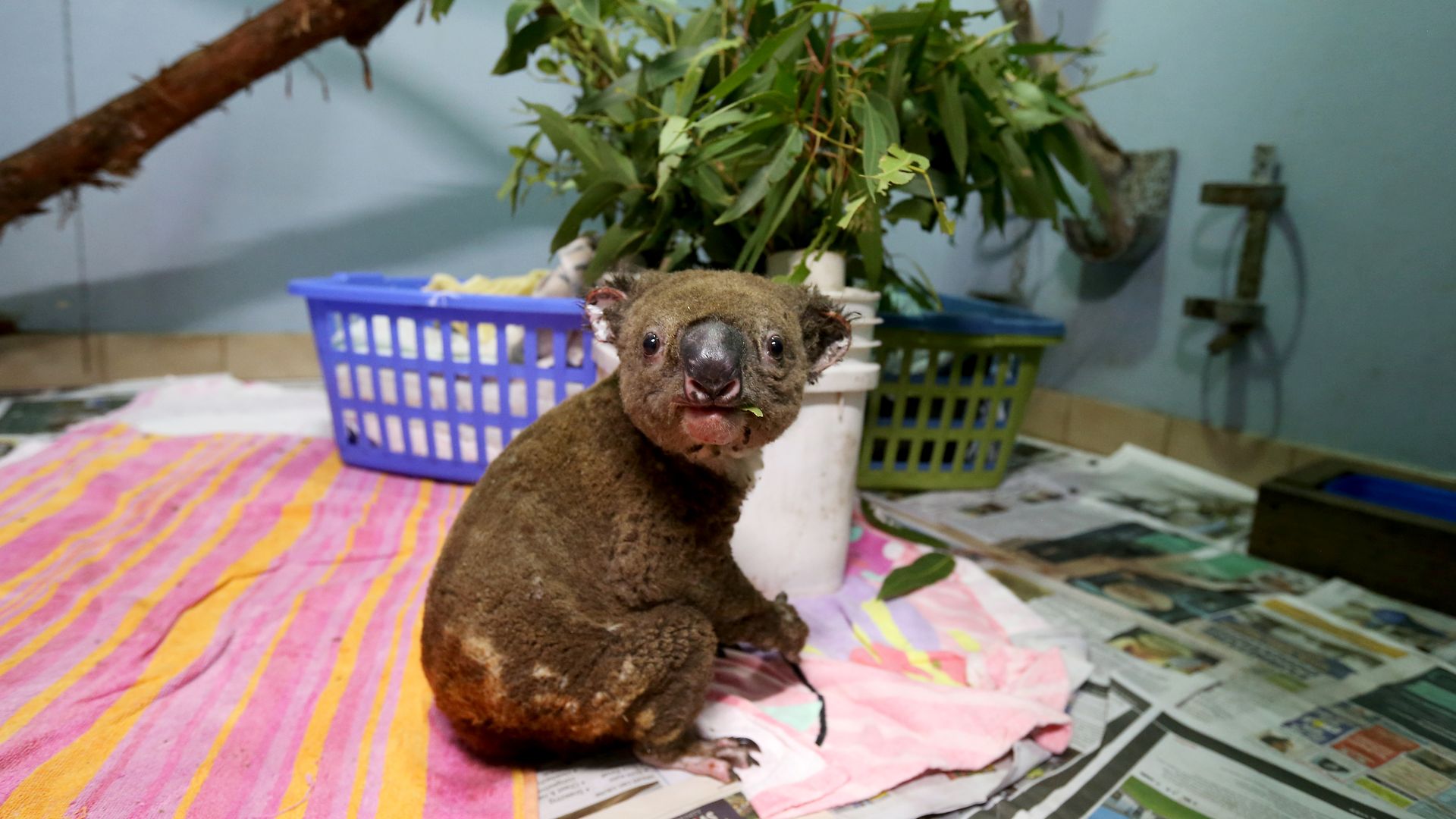
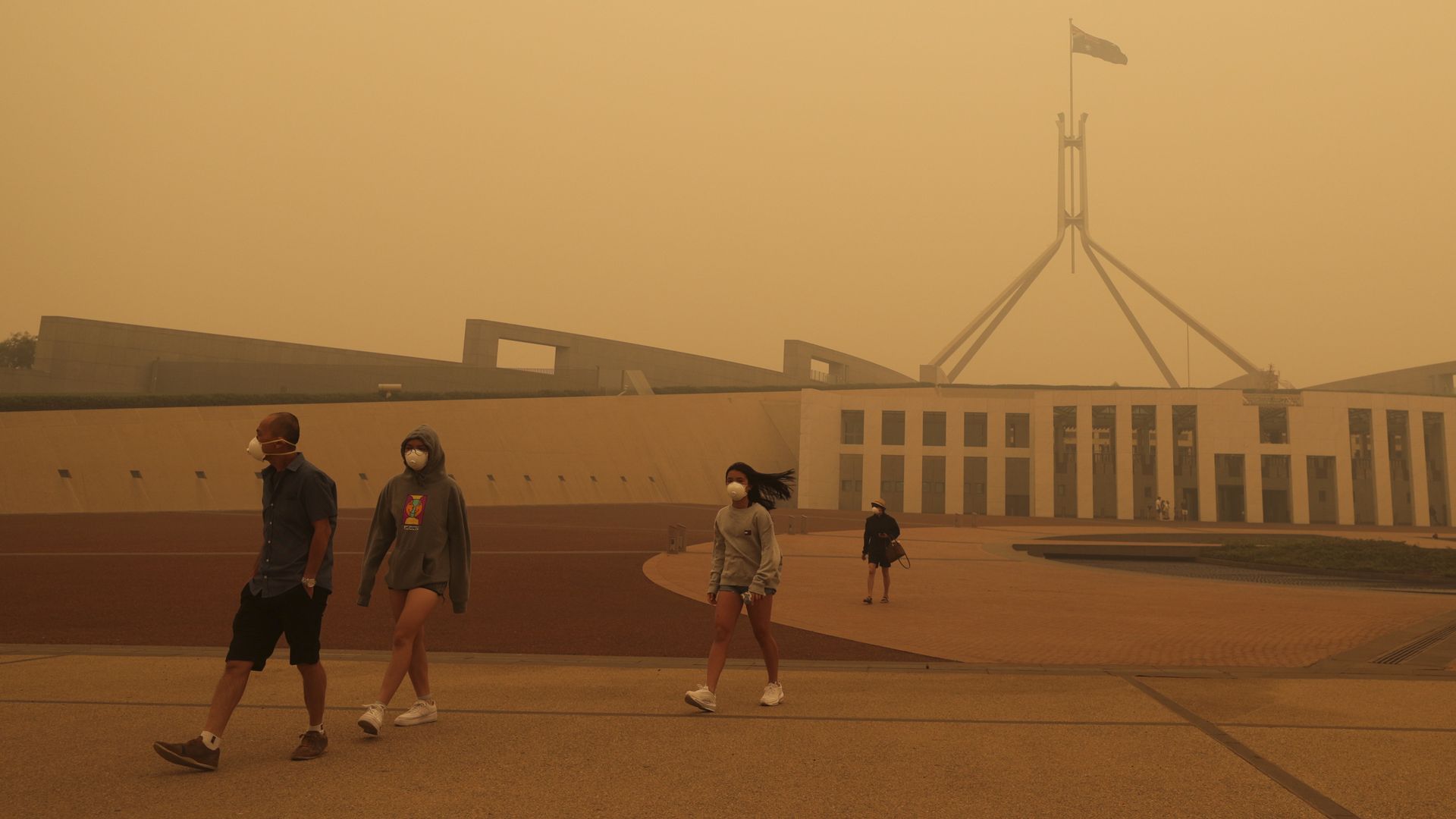
More than 1 billion animals are believed to have been killed in wildfires that have ravaged Australia since September, University of Sydney professor Chris Dickman told the Huffington Post in an update from his previous estimate of 480 million last week.
Why it matters: The fires have threatened Australia's wildlife, known for its rare animals and distinctive ecosystems. The environment was already imperiled by deforestation to support the country's growing agribusiness.
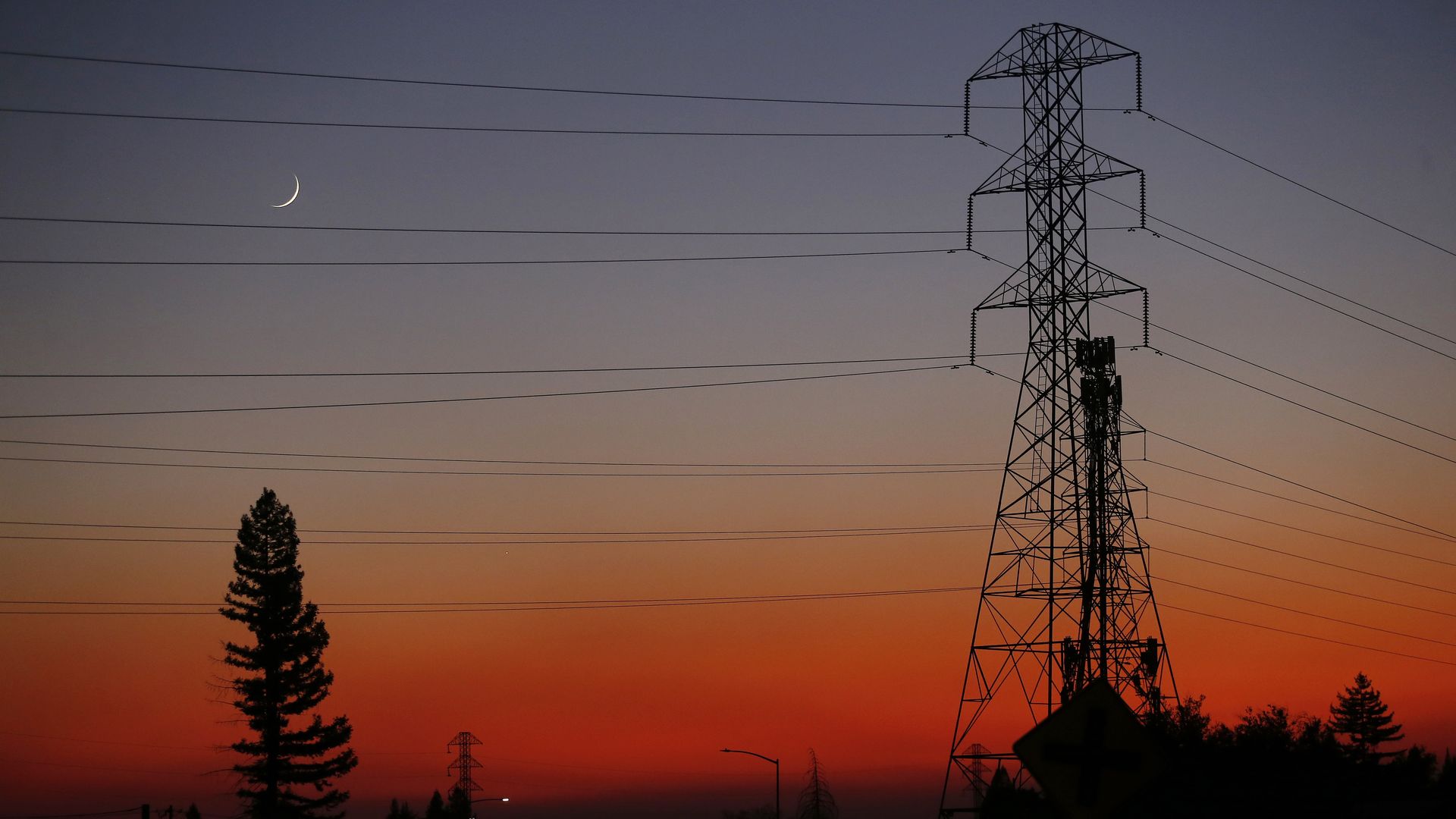
An International Energy Agency analysis pushes back against concerns that data centers are a ticking carbon bomb as use of web-connected devices expands.
Where it stands: Power use by data centers consumes about 1% of global power (which isn't trivial in a world of still-rising emissions) and has changed little since 2015, they report.
There's no chance of big climate legislation moving these days, but 2020 is nonetheless a crucial year for Democrats hoping those odds change post-election.
Driving the news: House Energy and Commerce Committee Democrats will unveil sweeping draft legislation this month. And by the end of March, the Select Committee on the Climate Crisis is slated to unveil its own policy recommendations.
U.S. greenhouse gas emissions fell by 2.1% in 2019 due to a decrease in national coal consumption, according to estimates from the Rhodium Group released Tuesday.
Why it matters: Power generated from coal plants fell by a record 18%, and overall emissions from the power section declined by almost 10% — despite an increase in emissions from natural gas.
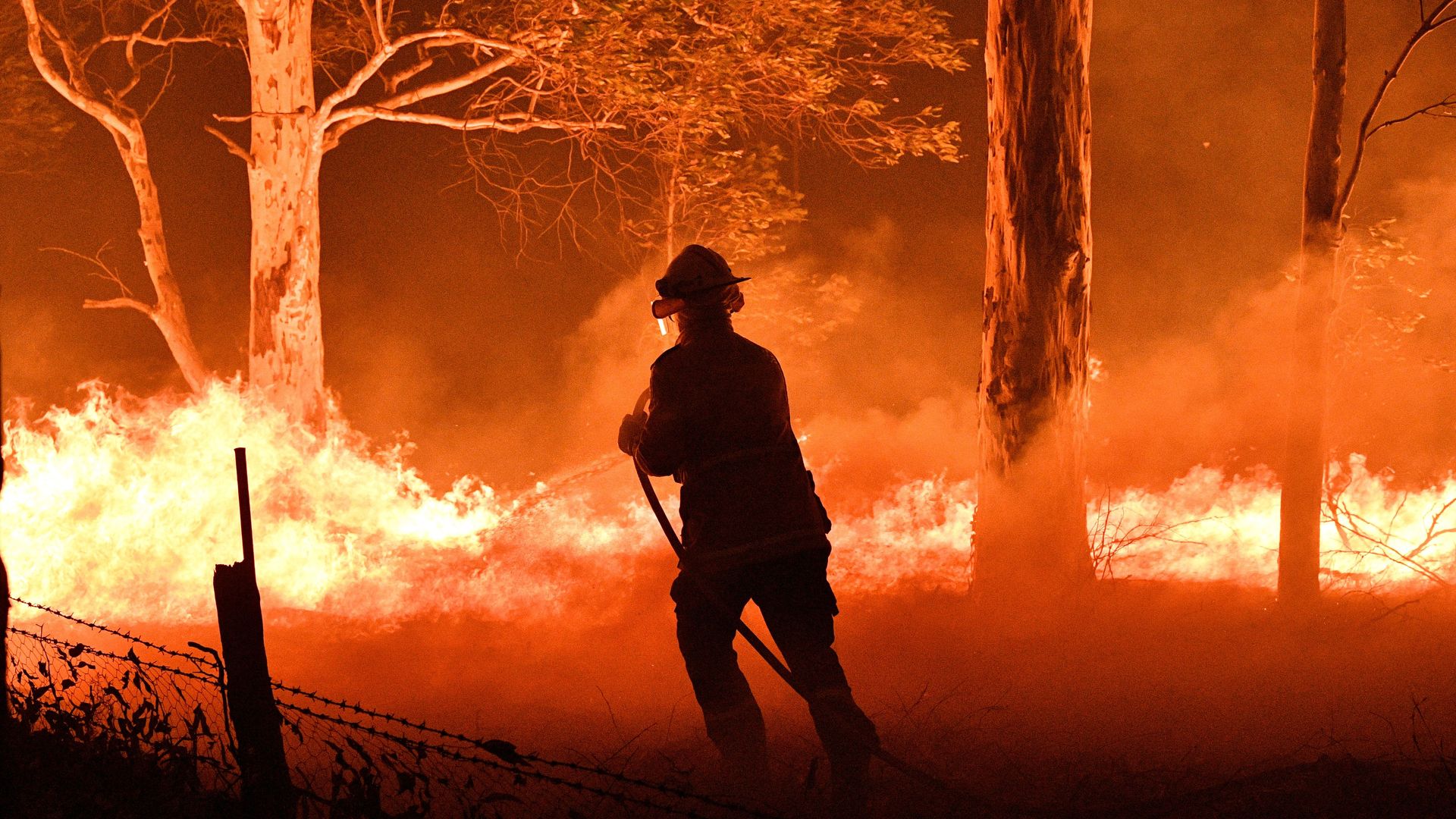
As firefighters battle wildfires across Australia, police in New South Wales have arrested dozens of people for offenses related to fires, including 24 for deliberately lighting fires and three for looting fire-ravaged communities.
The big picture: NSW police said in a statement Monday that officers have taken legal action against 183 people for fire-related offenses since Nov. 8, including for "allegedly discarding a lighted cigarette or match on land."
Australian Prime Minister Scott Morrison tweeted his thanks to President Trump for his "strong messages of sympathy, support and friendship for Australia during our terrible bushfire season," after the president phoned him to offer help.
What's happening: Morrison also thanked the American people "for their many messages of support." "Australia and the US are great mates," he added Tuesday afternoon local time. As cooler, wetter conditions offered a respite to firefighters in southeast Australia, Victoria's Premier Dan Andrews posted a Facebook tribute welcoming American firefighters to the region.
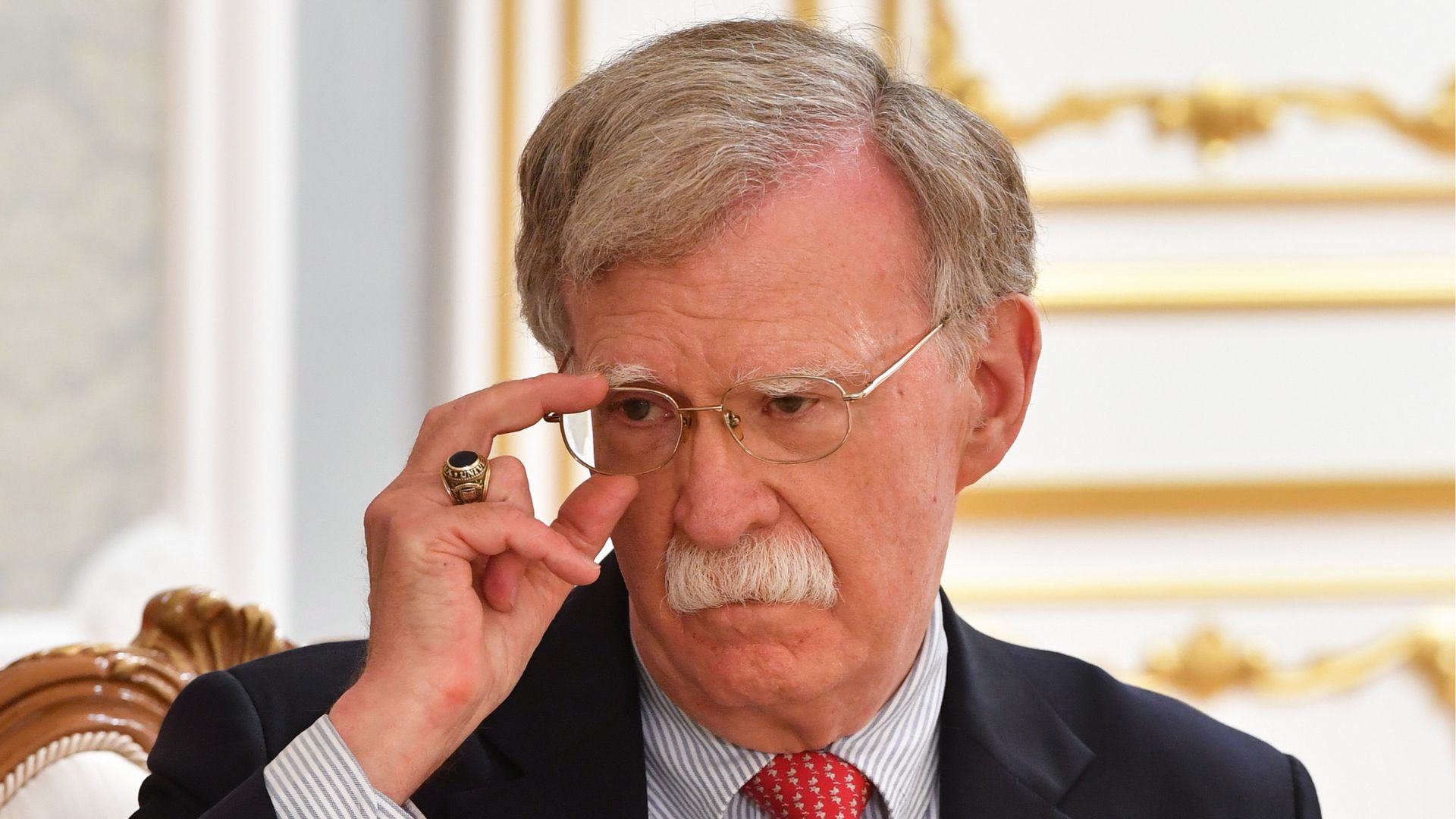
Key Senate Republicans are refusing to give a clear answer on whether President Trump’s former national security adviser John Bolton should be subpoenaed to testify in an eventual impeachment trial, after he stated Monday that he would comply with a Senate subpoena.
Why it matters: Bolton has firsthand knowledge of Trump's direct conversations about Ukraine aid. The big question heading into this week is whether rebel Republican Senators are even remotely thinking about joining Democrats’ demands for the Senate to call witnesses and request documents from key figures being blocked by the White House.
Australian wildfires continue to rage after the country’s hottest and driest year on record, causing death and unprecedented destruction. Dan and The Washington Post's Andrew Freedman discuss if this could lead to a political tipping point on climate change.
BP is revealing more info about Launchpad,a quietly formed internal unit aimed at creating billion-dollar technology companies — including firms that help produce oil-and-gas more efficiently.
Driving the news: BP says Launchpad is aimed at building five companies each worth a billion dollars — or "unicorns" in startup-speak — by 2025.
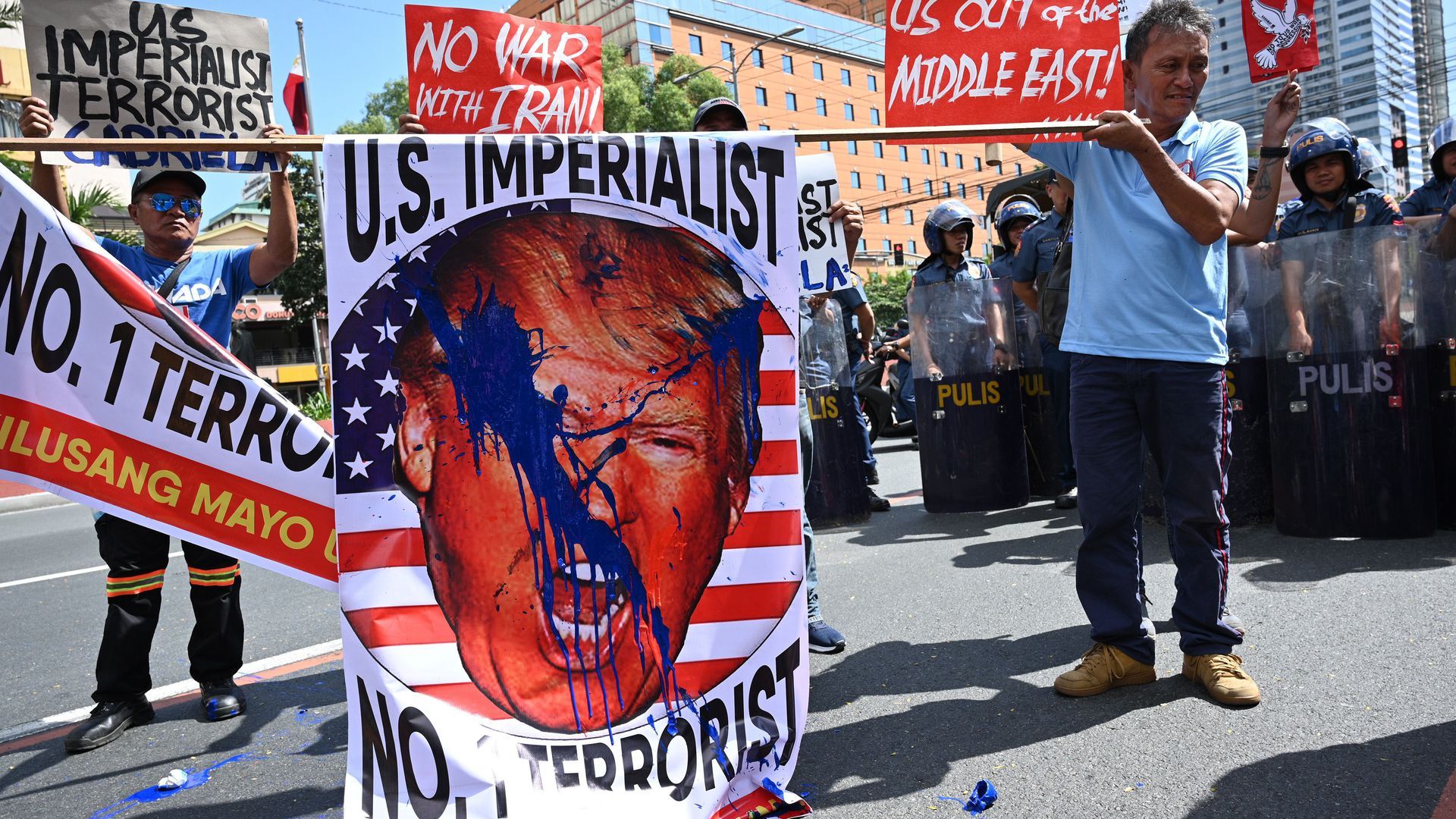
The price of gold hit its highest in nearly seven years, oil hit a four-month peak and stocks were in the red across Asia and Europe, with Gulf stocks from Kuwait and Saudi Arabia down and S&P futures lower, as tensions between the U.S. and Iran ratcheted up over the weekend.
What happened: President Trump warned in a tweet that if Iran retaliated for the killing of General Qasem Soleimani last week it would face "very hard and very fast" attacks on 52 targets.
From presidential politics to China to oil prices, here’s what I’m watching this year.
The big picture: A few key decisive moments this year will help determine whether concerns over climate change — rising since my last two annual outlook columns — will translate into action that would transform our global energy system.
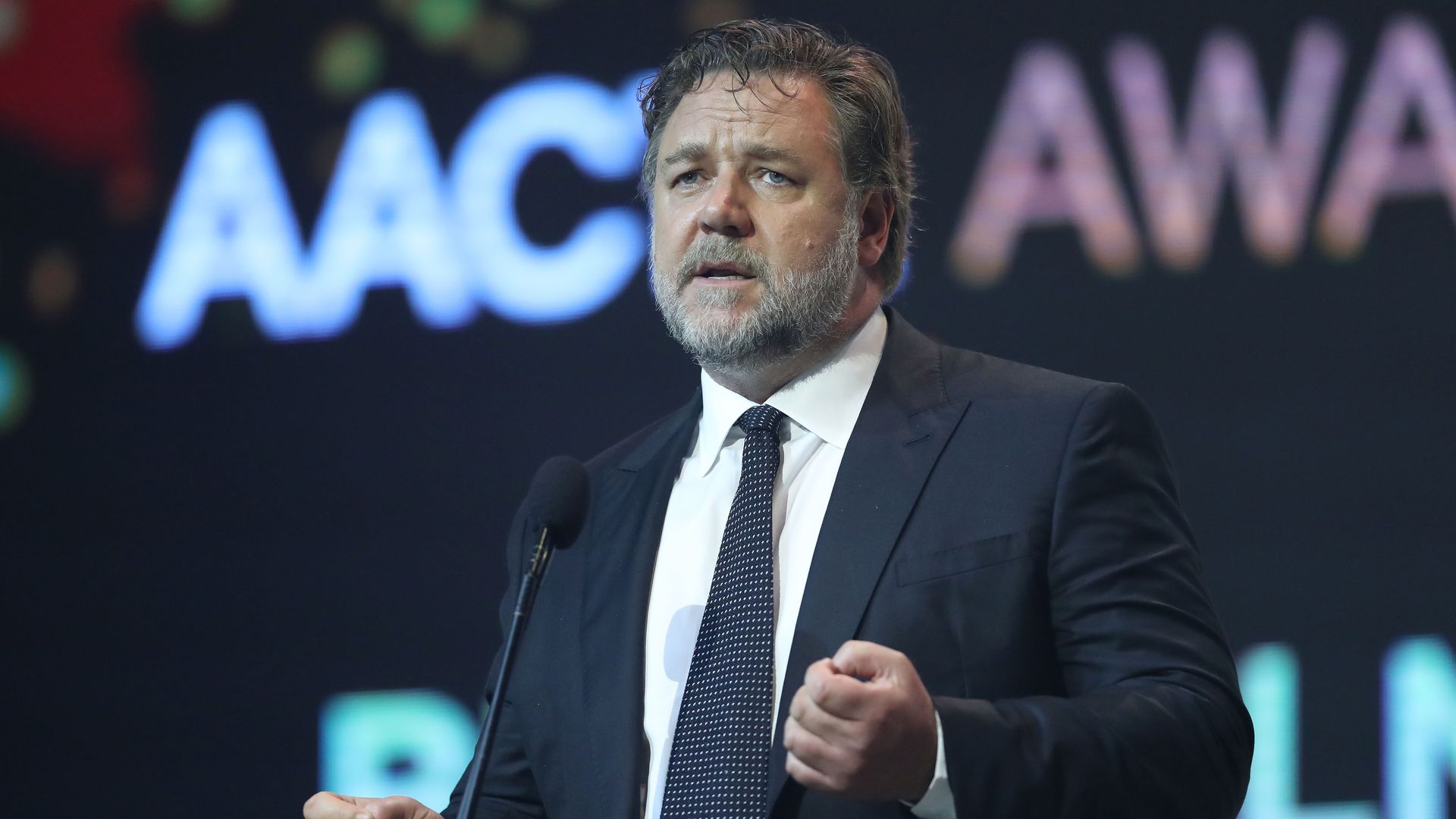
Russell Crowe couldn't accept his Golden Globe in person because he's "in Australia protecting his family from the devastating bushfires," said Jennifer Aniston, who accepted the award on his behalf Sunday, delivering his message on climate change:
"Make no mistake, the tragedy unfolding in Australia is climate change-based. We need to act based on science, move our global workforce to renewable energy, and respect our planet for the unique and amazing place it is. That way, we all have a future."