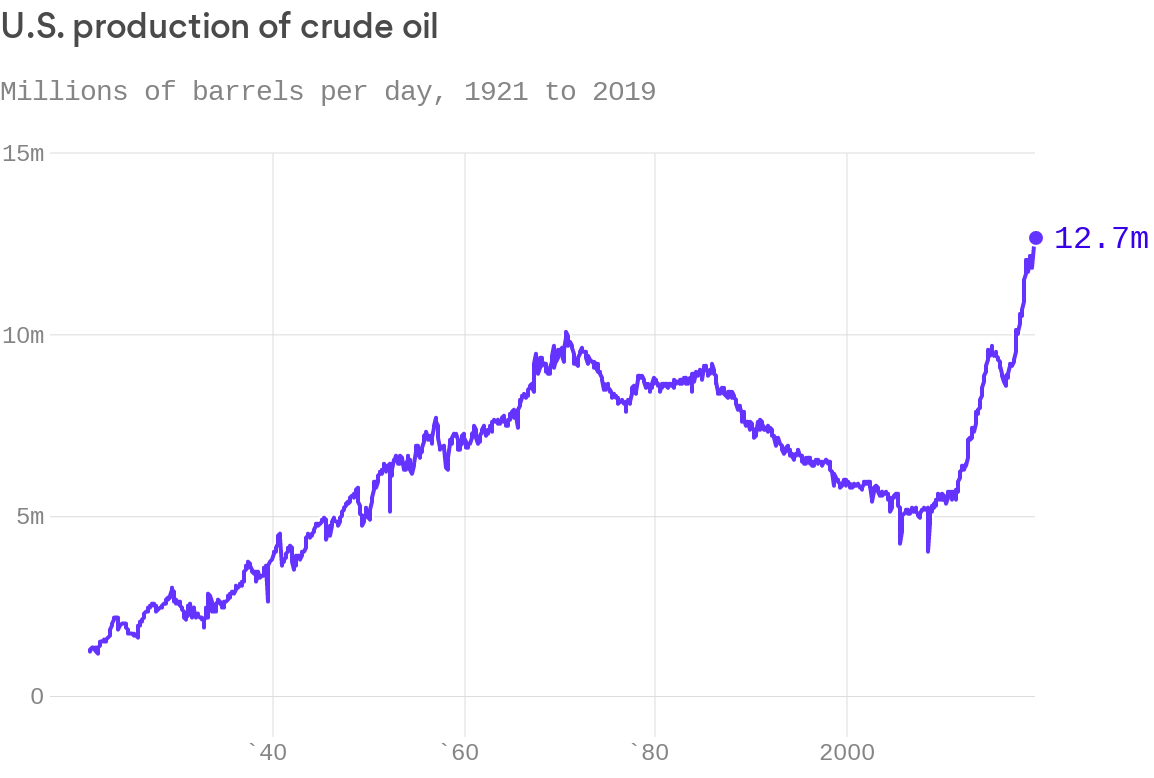
Shale dominated the 2010s, even more than the iPhone or cloud computing. That's the claim made by blogger and investment adviser Josh Brown, who sees the U.S. shale boom causing a collapse in energy prices that had enormous economic and geopolitical consequences.
By the numbers: The U.S. currently produces roughly 12.7 million barrels of oil per day. That's an all-time high, and is more than double the 6.1 million expected 1o years ago.
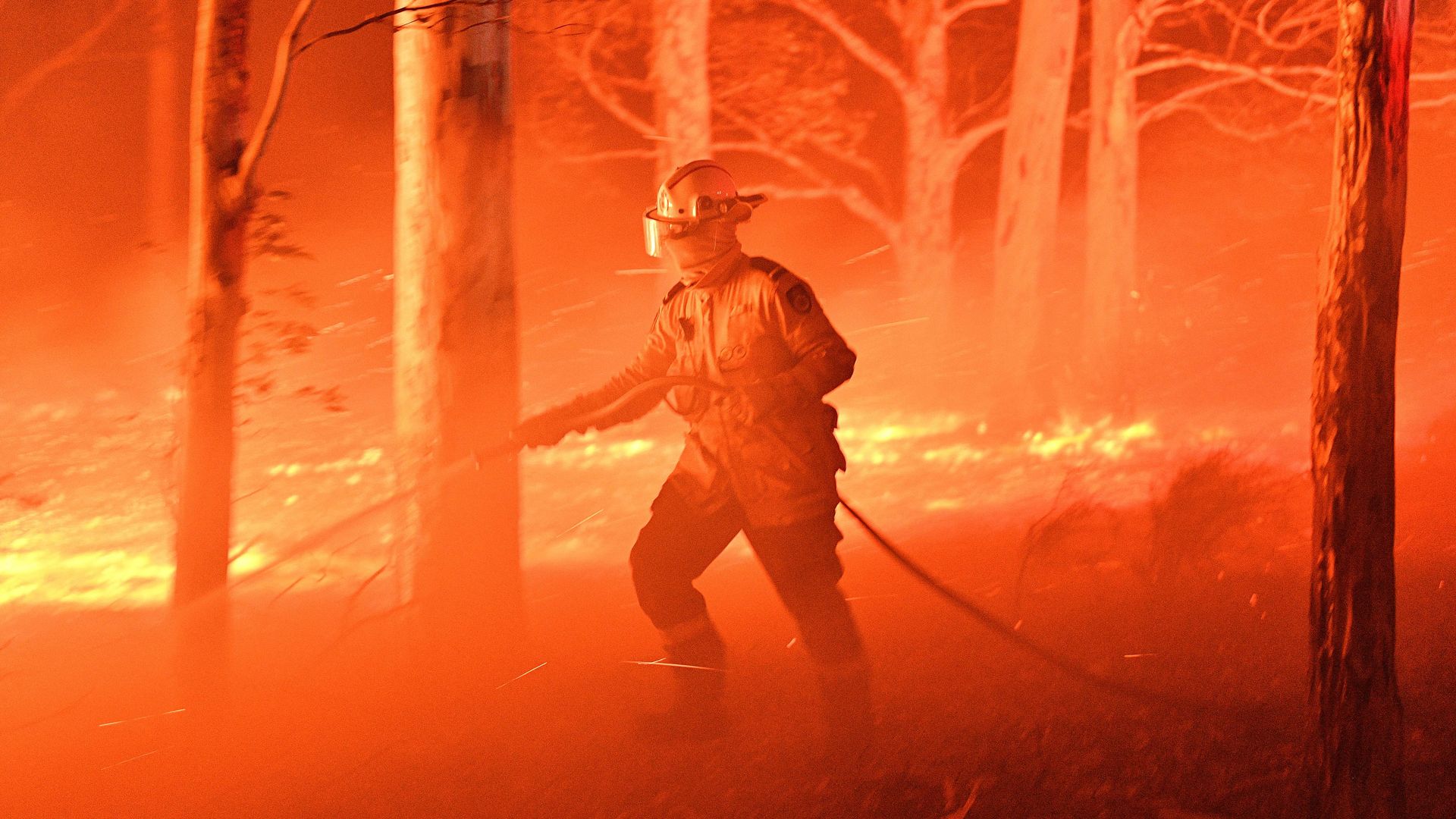
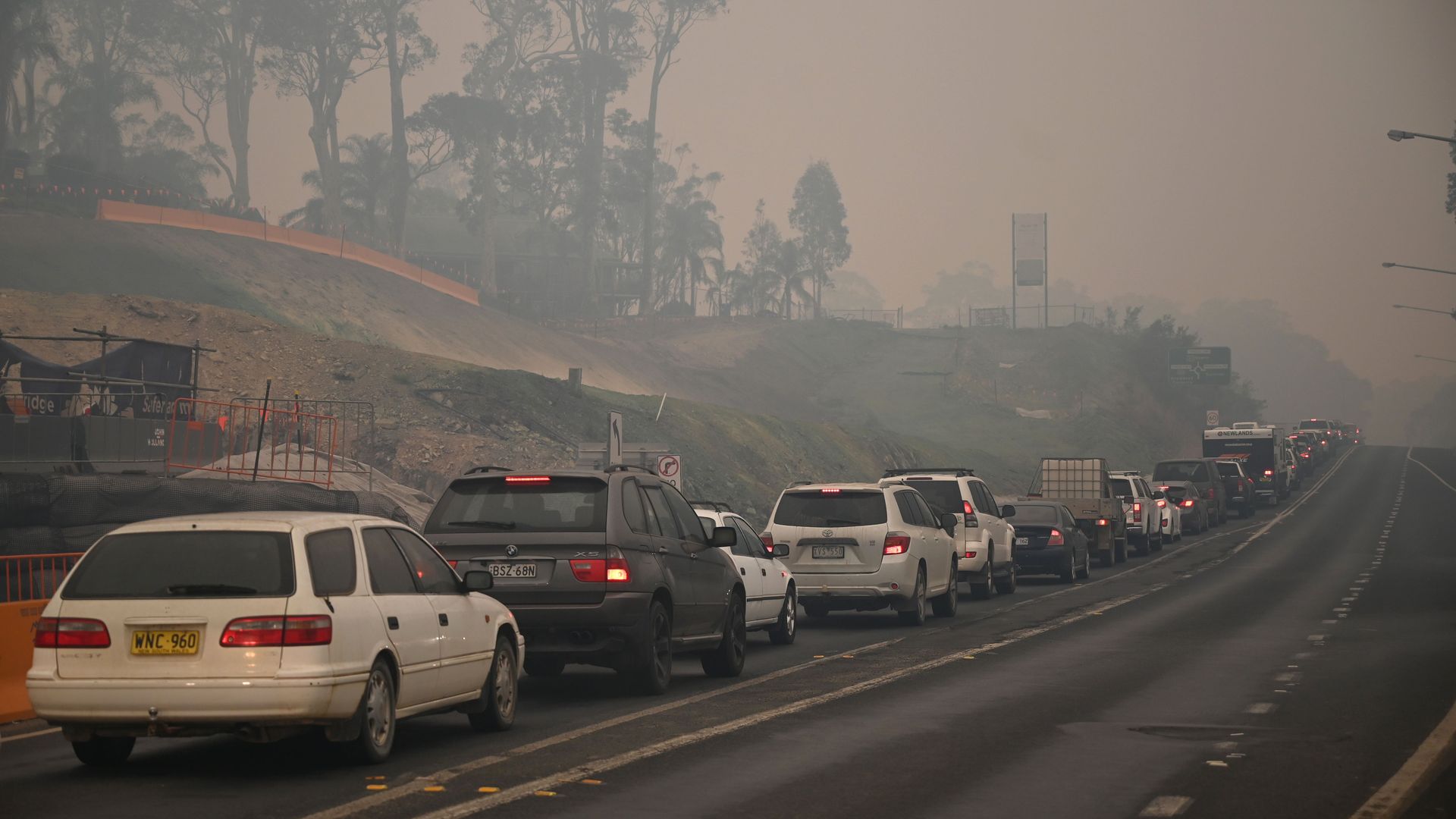
Australian authorities are racing to evacuate thousands of people stranded in the states of New South Wales and Victoria before high temperatures and strong winds return — with the military helping people escape the deadly wildfires by air and sea.
The latest: Victoria's Premier Dan Andrews declared a state of disaster for six local government areas and the Alpine Resorts overnight — the first time ever in the state. NSW is declaring a seven-day state of emergency, effective Friday morning (local time), state Premier Gladys Berejiklian said. It's NSW's third state of emergency during this bushfire season.
It's almost time to officially conclude that 2019 was the second-hottest year in temperature records that date back to the 1800s.
Driving the news: "It appears nearly certain (>99% likelihood) that 2019 will conclude as the second-warmest year since measurements began in 1850, behind only the exceptional warmth of 2016," the research group Berkeley Earth confirmed a few days ago.
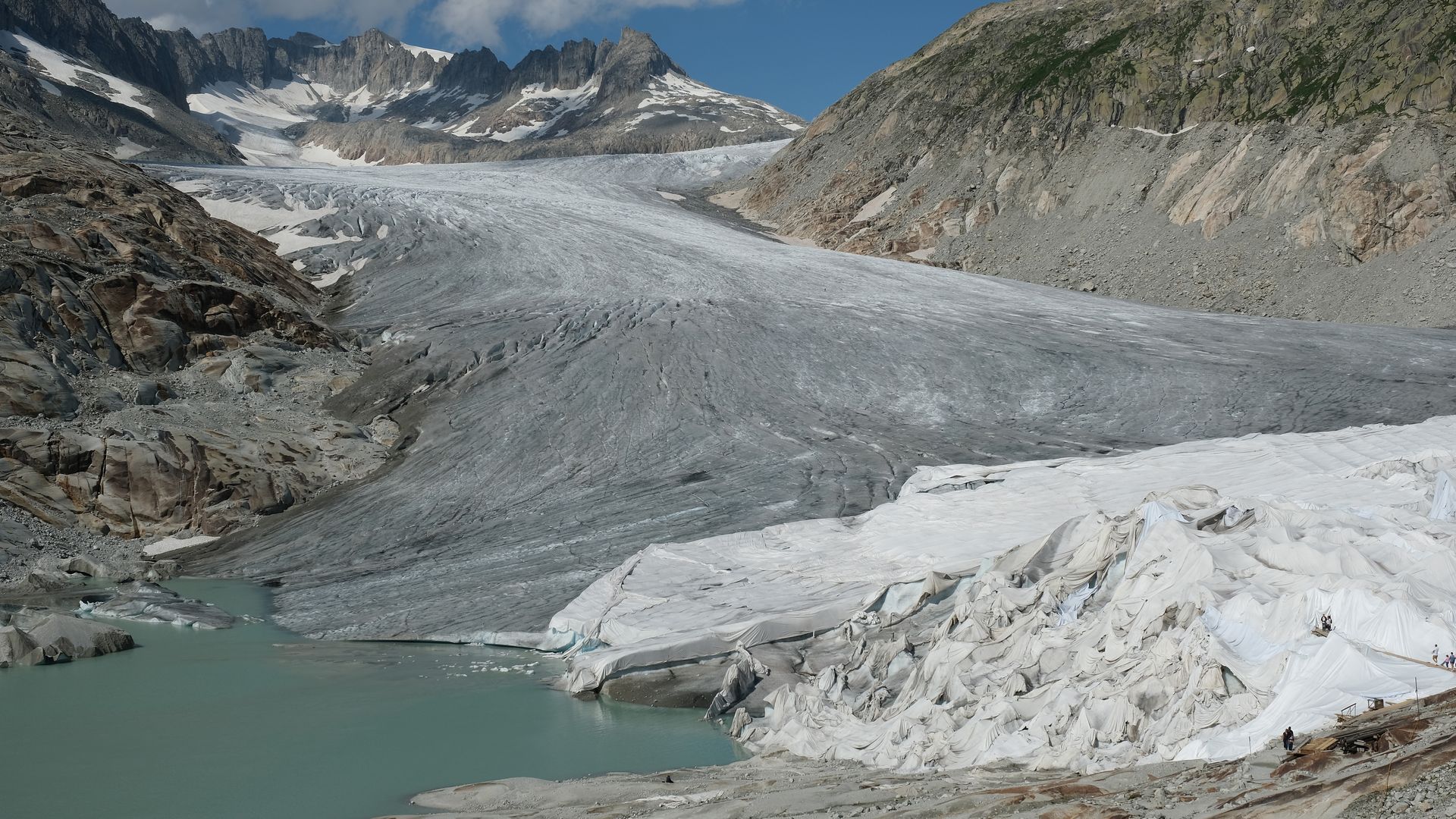
Australia's wildfires are so intense that smoke from the blazes has traveled over 1,200 miles to blanket parts of New Zealand's South Island, and images show it's turned the country's white glaciers in the Southern Alps brown.
Why it matters: Monash University professor Andrew Mackintosh, the former director of the Antarctic Research Centre, said in almost 20 years of studying the glaciers, he'd "never seen such a quantity of dust transported across the Tasman," and he estimated the bushfires could potentially "increase this season's glacier melt by 20–30%," per the Guardian.
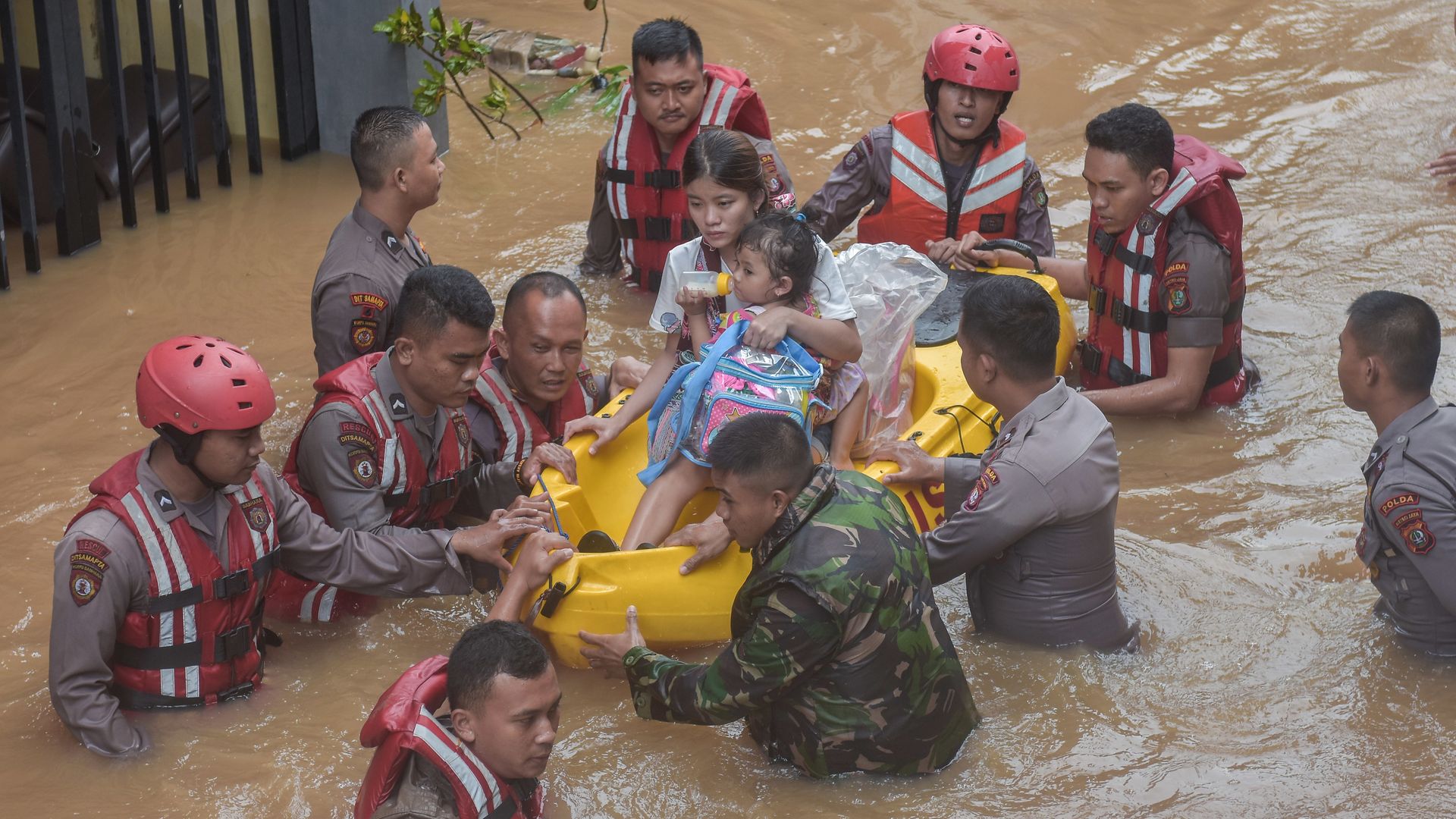
At least 21 people have died in flash floods and landslides in and around the Indonesian capital of Jakarta, and the heavy rainfall that triggered the disaster is set to return Thursday, authorities said, per Reuters.
The impact: The heaviest rainfall in over a decade triggered the "deadliest floods in years," displacing over 30,000 people and bringing power outages to parts of the biggest city in Southeast Asia, Channel News Asia reports. The rain fell over Tuesday night.
Australia's wildfires have claimed another five lives, several people are missing and thousands of people have continued to shelter from fires on beaches at popular tourist spots in two states, authorities say.
The latest: The Australian Defense Force has deployed extra personnel to the states of New South Wales, Victoria, Queensland and South Australia to assist in firefighting efforts, the government confirmed in a statement. The government said it's also sending aid fire-ravaged regions via military ships and aircraft.




/2020/01/02/1577975229554.gif?w=3840)