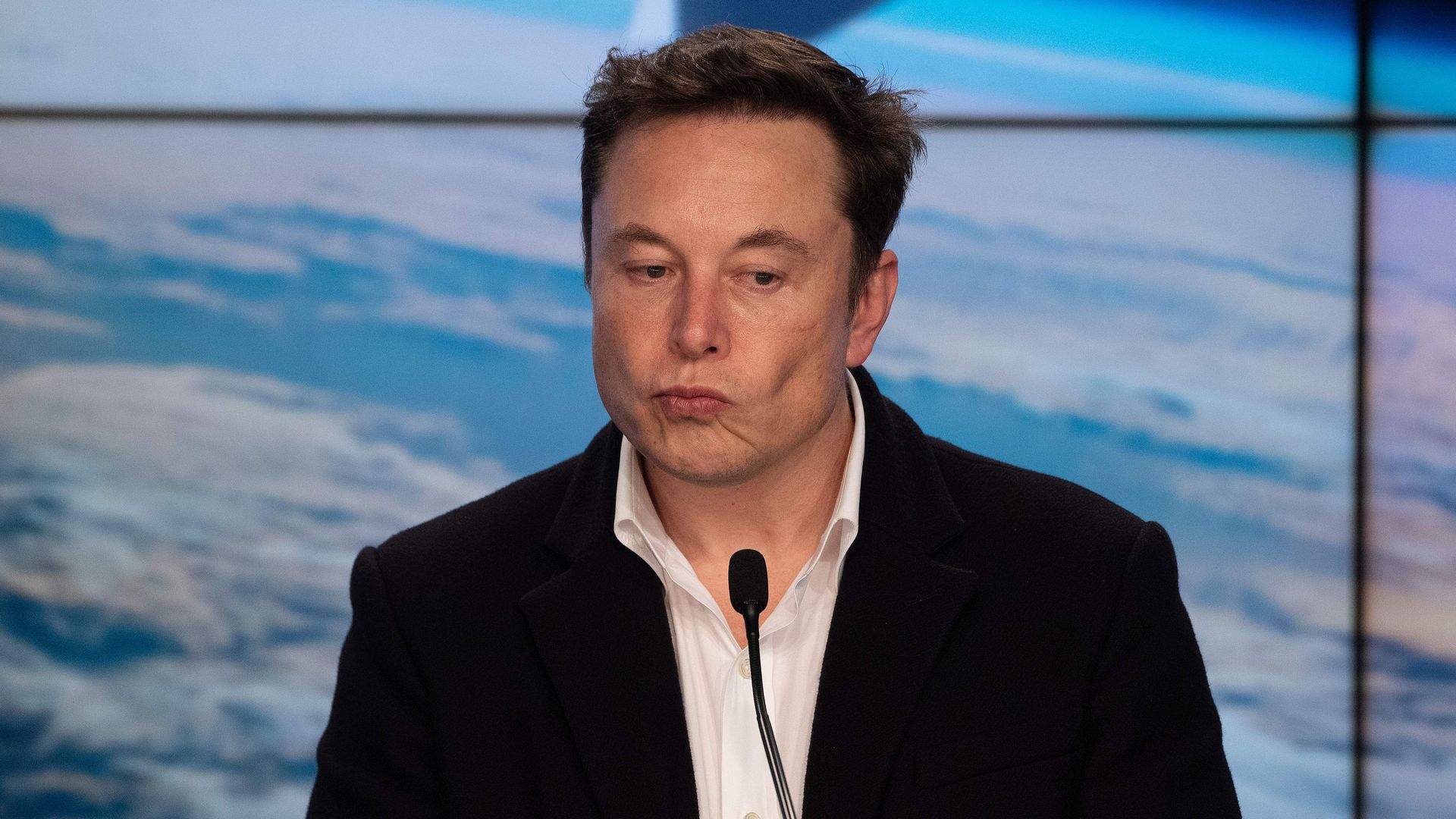
Walmart filed a lawsuit against Tesla on Tuesday, alleging that "no fewer than seven Walmart stores" experienced fires due to Tesla's solar panel systems as of November 2018.
Catch up quick: More than 240 Walmart stores have leased or licensed roof space to Tesla for solar panels. The lawsuit says, "Many of the problems stemmed from a rushed, negligent approach" to installation by Tesla. It also accuses energy service company SolarCity, which Tesla acquired in 2016, of using "an ill-considered business model" that installed panels "haphazardly" to "turn a profit."
For all the justified worries about Tesla's finances, they remain in a pretty good competitive spot in the electric vehicle market — for now.
The big picture: The chart above, via this new Cox Automotive report on the U.S. EV market, shows how the Silicon Valley company dominates the market for pure electric vehicle sales.
The twin goals of decarbonizing energy while expanding global access warrant a new academic discipline to create a "common umbrella" for work scattered across multiple fields, a new Stanford-led paper argues.
Why it matters: The commentary published in the journal Joule is a recognition of the immensity and complexity of the challenges and the "considerable uncertainty about the best way to undertake them."
Tesla launched a new program on Sunday to enable customers to rent solar panel systems.
Why it matters: This is Tesla's latest effort to bolster its struggling solar business lines, and it's part of a wider relaunch of Tesla's solar business that CEO Elon Musk announced via Twitter.
The payment tech company Stripe plans to fund direct removal of carbon dioxide from the atmosphere and its long-term storage.
Why it matters: Experts in carbon removal methods, such as direct air capture and large-scale forest creation, call the announcement a milestone in corporate climate initiatives.
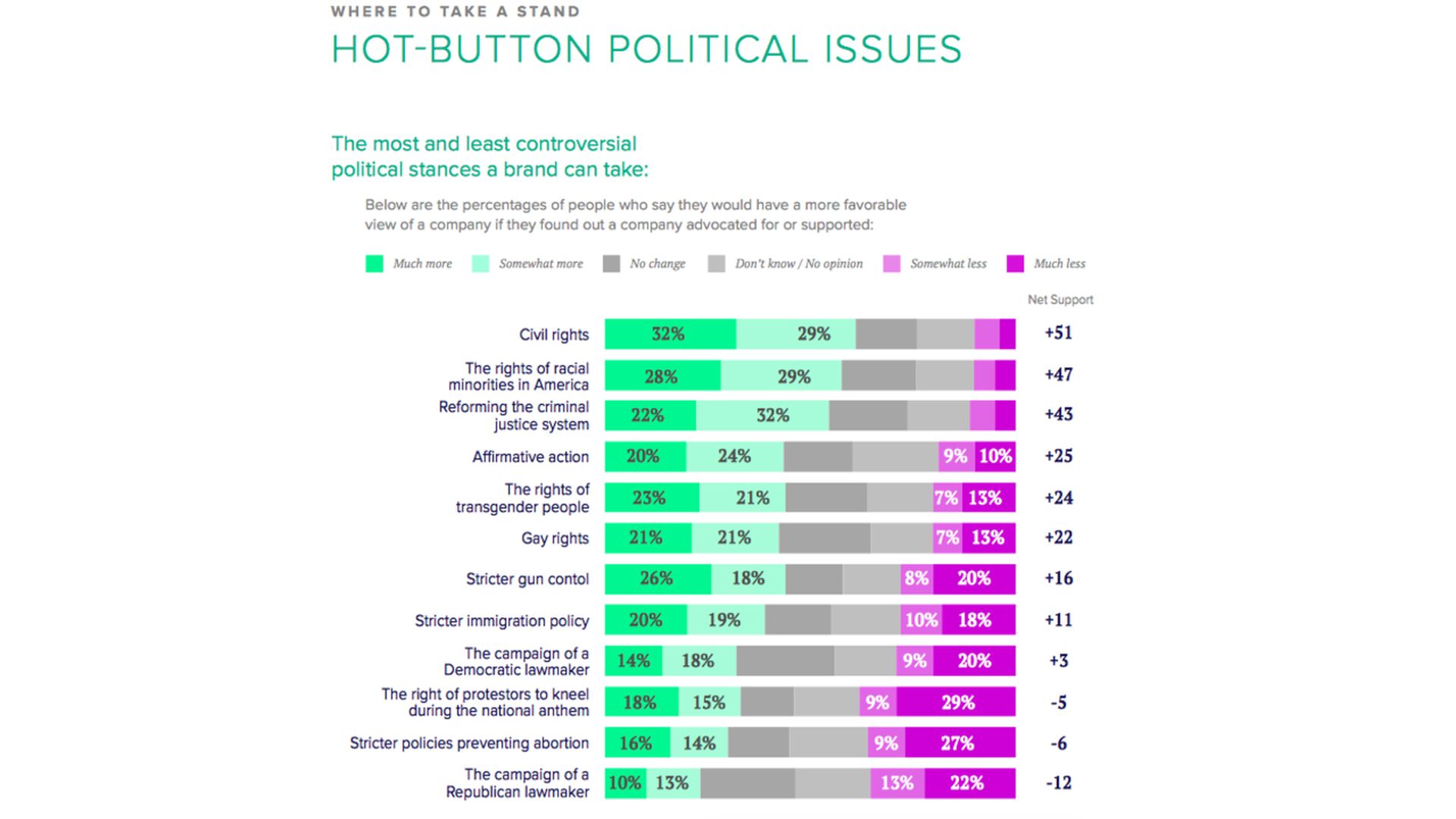
Swelling employee protests and consumer boycotts have CEOs at large corporations spooked over how and when to respond to hot-button issues during the Trump administration.
Why it matters: With trust in government at a record low, people are looking to powerful businesses to shape the conversation around topics of national importance — and chief executives are torn over how to proceed without offending customers or shareholders.
Democratic presidential hopefuls are calling for aggressive action to reduce heat-trapping emissions, while nations are facing pressure to ramp up commitments ahead of a major United Nations summit next month.
The big picture: Despite that fervor, progress on climate change remains elusive. We have cultivated a deep dependence on fossil fuels that have been driving Earth’s temperature up for more than a century, creating a problem whose mostly negative impacts are unfolding over more centuries.