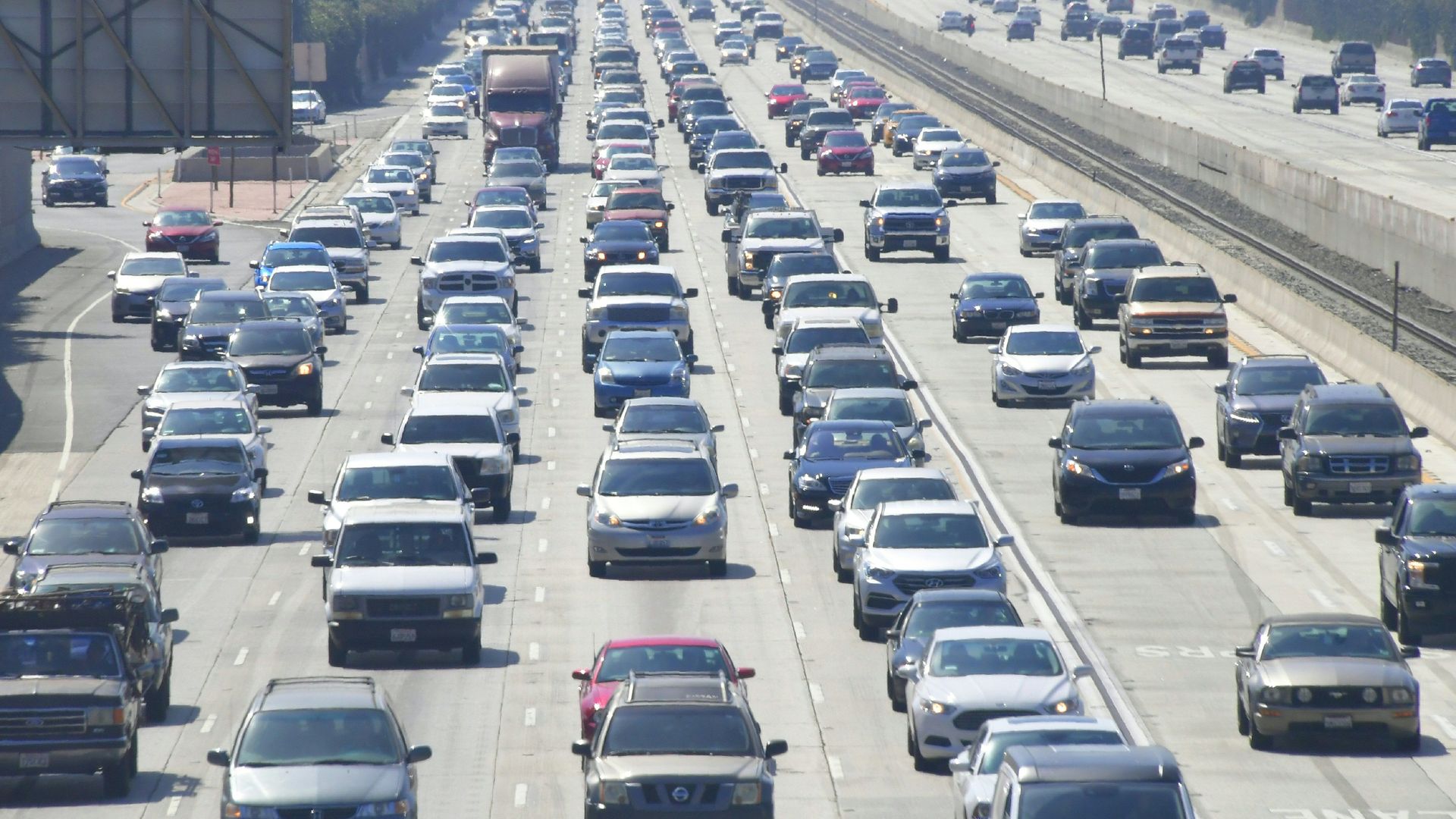
The Trump administration's planned rollback of vehicle emissions standards could drive staggering increases in both fuel costs and transportation emissions.
Where it stands: The White House has received from the EPA the final Safer Affordable Fuel-Efficient (SAFE) Vehicles Rule for review. The relaxed regulations have sparked blowback from the auto industry, from California and the states that follow its stricter standards, and even from Canada, which signed an emissions-related memorandum of understanding with California.
Get ready for Mercedes-Benz to join the agreement between California and several big automakers to increase carbon emissions standards — a pact that rebuffs White House plans to freeze the Obama-era CO2 and mileage rules.
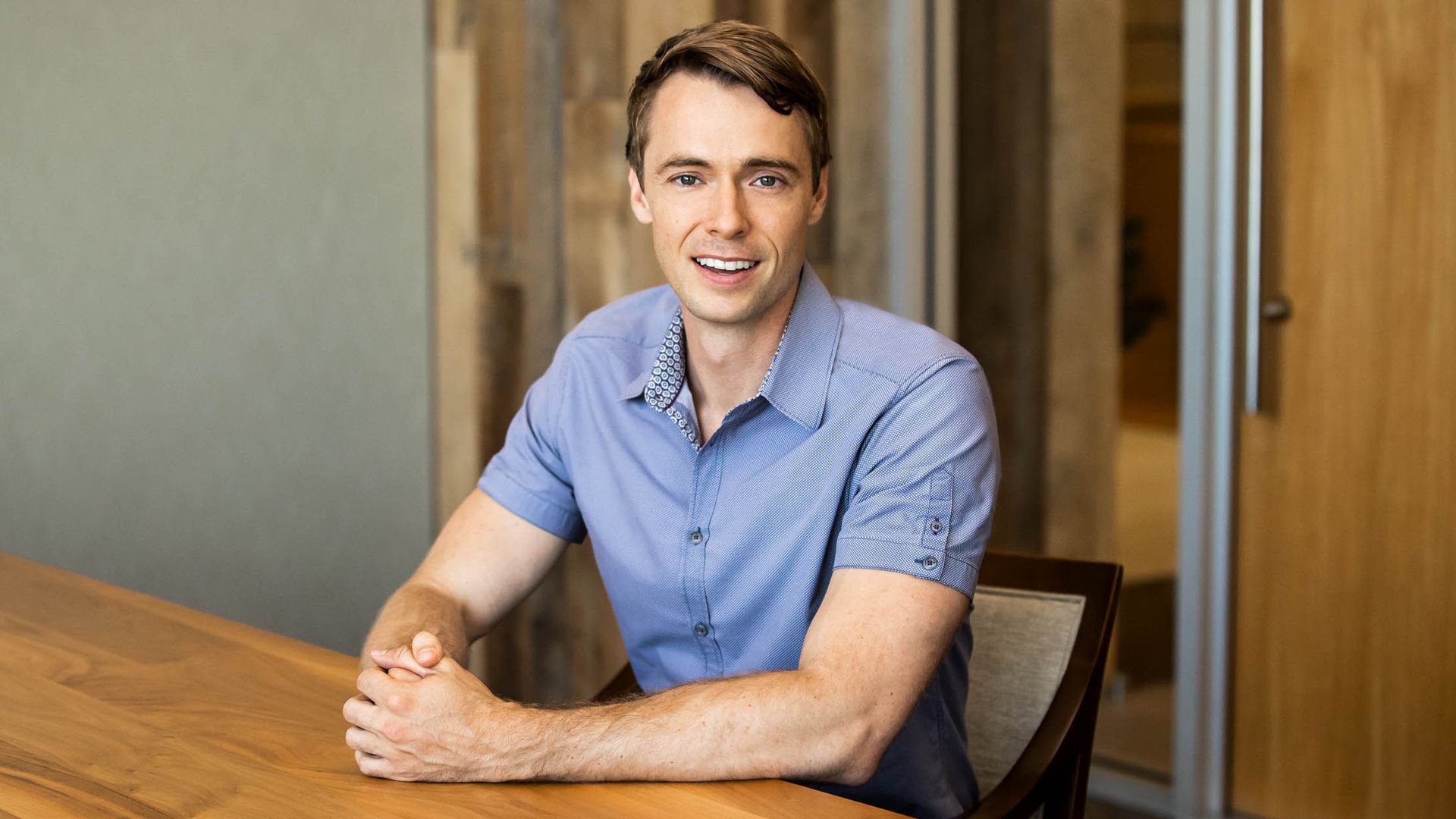
Stuart Bowers, who most recently helped run Tesla's Autopilot division, has joined venture capital firm Greylock Partners as an executive-in-residence to work with its portfolio companies (possibly including autonomous vehicle plays like Aurora and Nuro).
The intrigue: Before Tesla, Bowers worked at Snap, Facebook and Microsoft. The common thread, he says, is "big software infrastructure problems."
Walmart filed a lawsuit against Tesla on Tuesday, alleging that "no fewer than seven Walmart stores" experienced fires due to Tesla's solar panel systems as of November 2018.
Catch up quick: More than 240 Walmart stores have leased or licensed roof space to Tesla for solar panels. The lawsuit says, "Many of the problems stemmed from a rushed, negligent approach" to installation by Tesla. It also accuses energy service company SolarCity, which Tesla acquired in 2016, of using "an ill-considered business model" that installed panels "haphazardly" to "turn a profit."
For all the justified worries about Tesla's finances, they remain in a pretty good competitive spot in the electric vehicle market — for now.
The big picture: The chart above, via this new Cox Automotive report on the U.S. EV market, shows how the Silicon Valley company dominates the market for pure electric vehicle sales.
The twin goals of decarbonizing energy while expanding global access warrant a new academic discipline to create a "common umbrella" for work scattered across multiple fields, a new Stanford-led paper argues.
Why it matters: The commentary published in the journal Joule is a recognition of the immensity and complexity of the challenges and the "considerable uncertainty about the best way to undertake them."