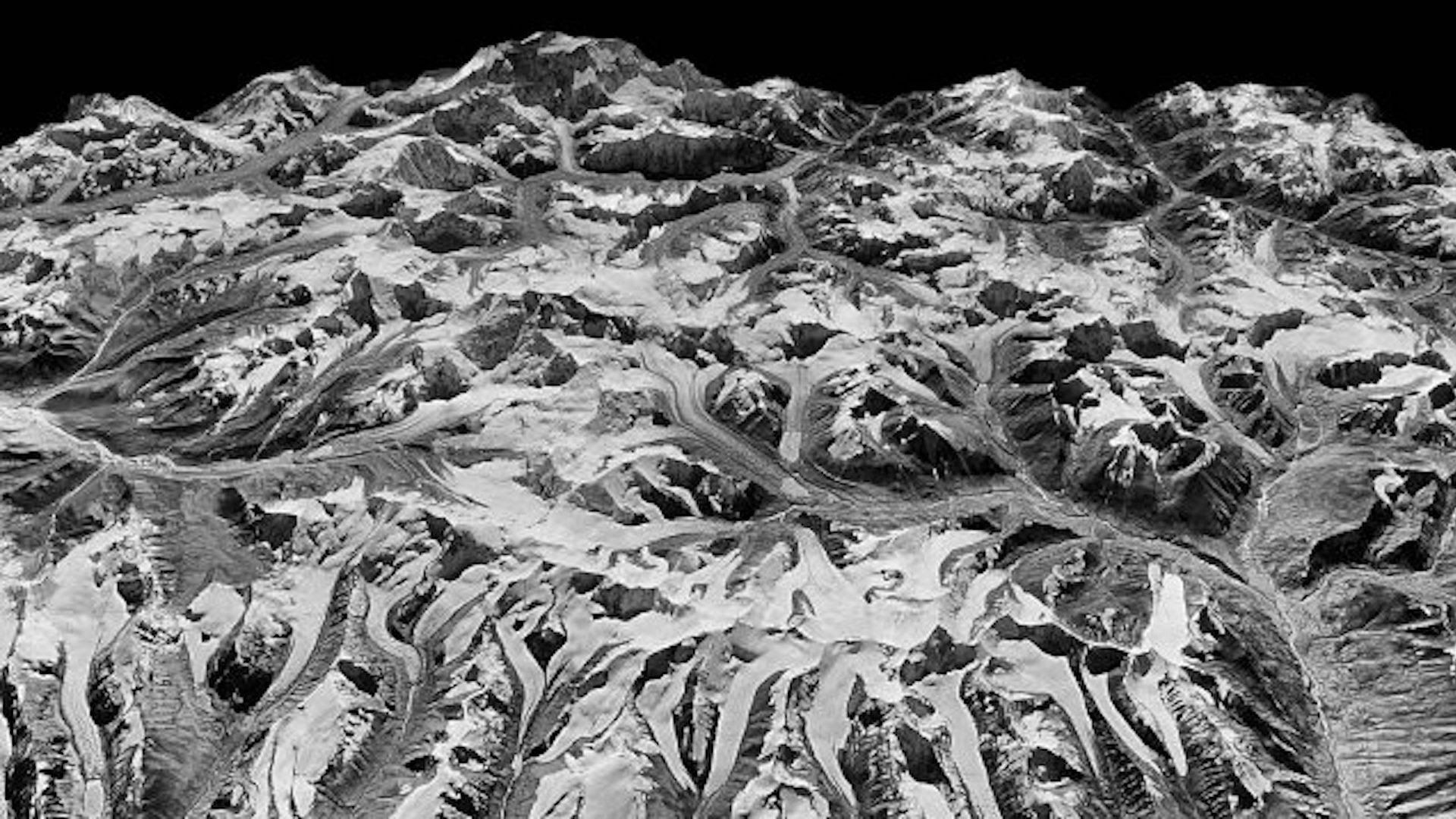
A new study on central Himalayan glaciers in India, China, Nepal and Bhutan finds that this region has been losing ice during the 21st century at twice the rate it did during the previous 25 years. This trend was likely driven by increasing air temperatures, the study, published in Science Advances, finds.
Why it matters: This region is home to so much ice that it's sometimes referred to as Earth's "Third Pole." Runoff from ice melt nourishes some of the most populous nations on Earth, and the fate of these glaciers are thus intertwined with the ability of this region to sustain high population growth and avert conflict over increasingly stressed water supplies.
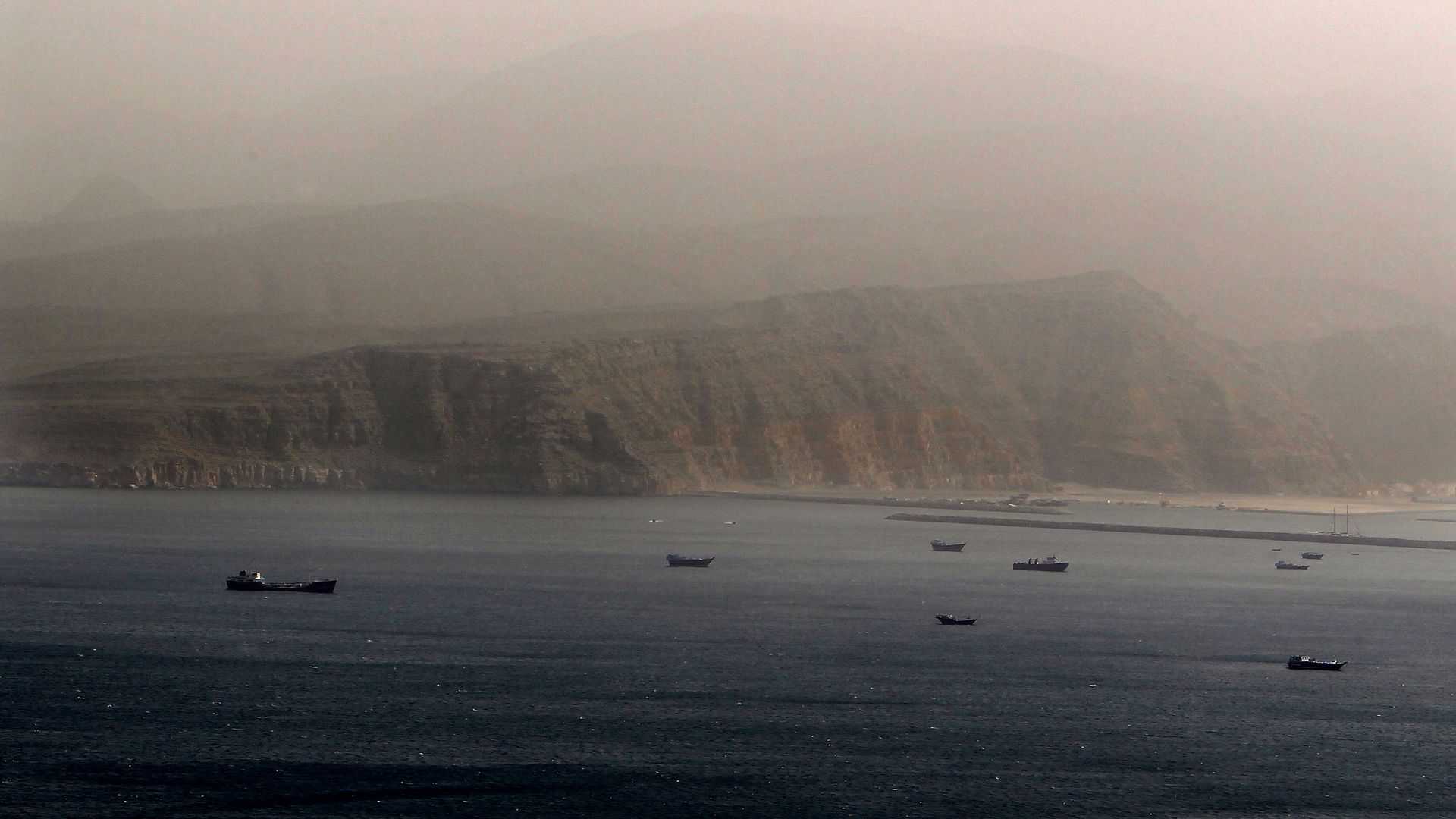
President Trump has claimed that turmoil in the Strait of Hormuz matters less than in decades past, now that U.S. oil production continues to grow while imports fall — a view that does not reflect the global nature of today’s oil market.
The big picture: Middle East tensions have heightened following multiple attacks against oil tankers in the Strait of Hormuz, a 2-mile shipping channel exiting the Persian Gulf through which about one-fifth of the world’s oil passes each day. Even though the majority of those shipments are bound for Asia, the interconnectedness of the global oil market means demand surges or supply disruptions in any region affect oil prices worldwide.
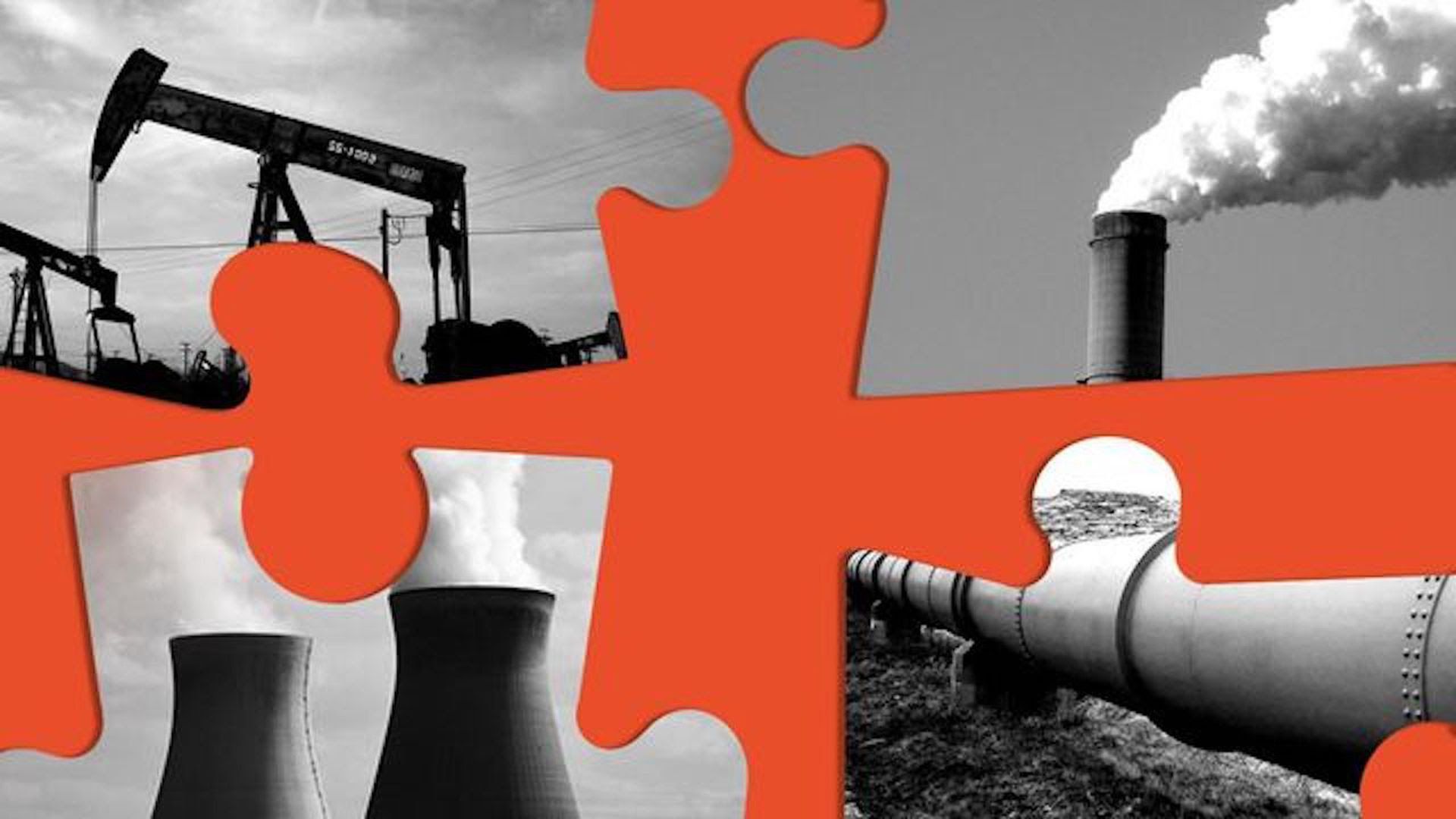
A big question now that EPA has finalized climate regulations for power plants is how much they'll constrain a future president — especially a potential Democrat that wants to act way more aggressively.
Driving the news: Yesterday EPA issued modest rules requiring state plans to make coal-fired units more efficient over time, but lacks binding CO2-cutting targets.
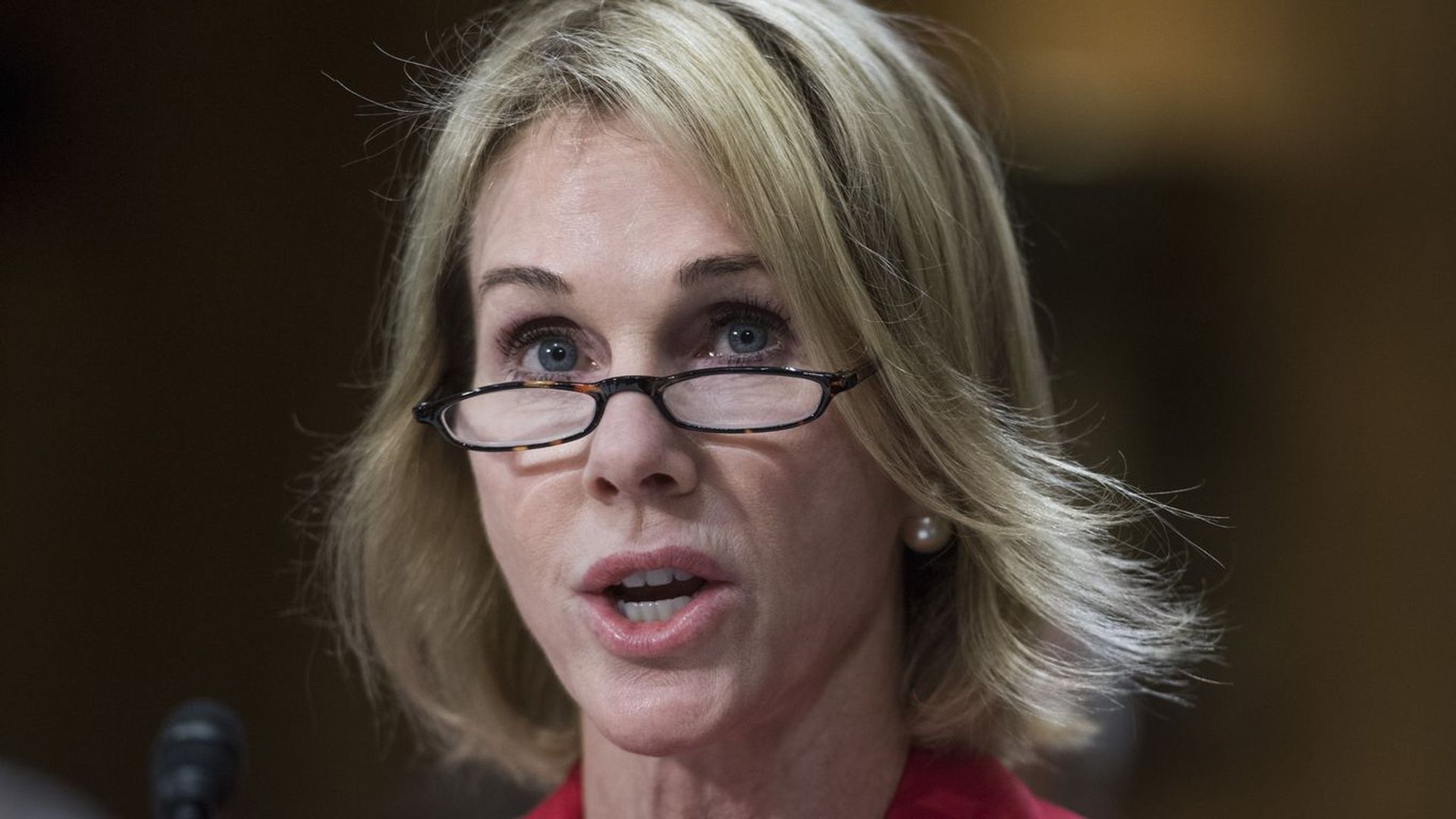
President Trump’s nominee to be the next U.S. ambassador to the United Nations publicly broke with the White House Wednesday, telling her Senate confirmation hearing climate change "poses real risks," USA Today first reported.
"Human behavior has contributed to the change in climate, let there be no doubt. If confirmed, I will be an advocate in addressing climate change. ... I also understand that fossil fuels have played a part in climate change."
— Kelly Knight Craft statement to Senate Foreign Relations Committee
The growing risks associated with financing new coal projects have driven European and American institutional investors to seek returns up to 4 times greater than those for other sources of energy, according to a survey by the Oxford Institute for Energy Studies.
Why it matters: The cost of capital is a key determinant of whether new coal plants will be built. If costs rise relative to those of competing sources, the construction, expansion and even ongoing operation of coal plants could become prohibitively expensive.
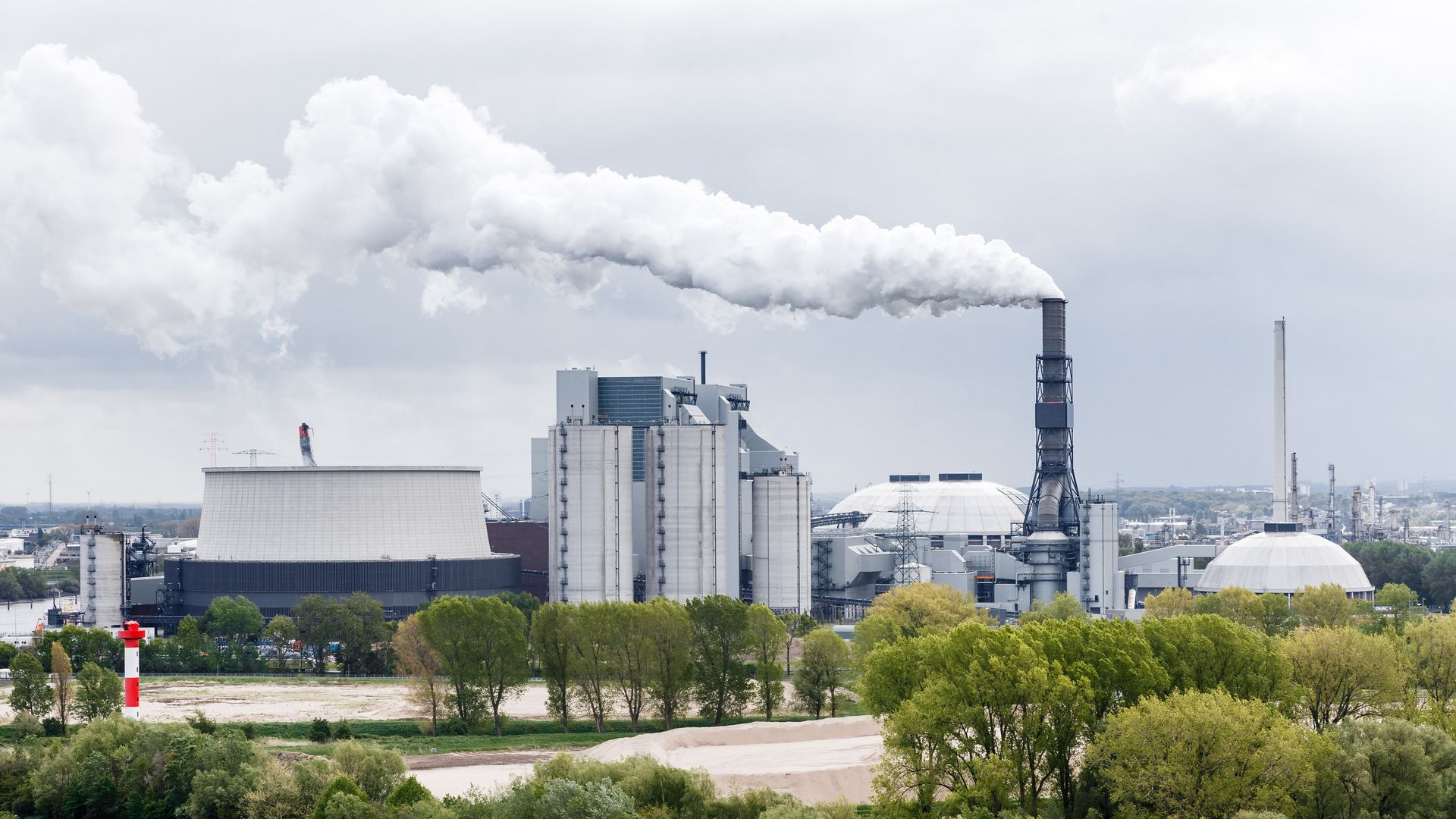
The Environmental Protection Agency issued a final rule Wednesday replacing former President Obama's signature Clean Power Plan (CPP) with a far more modest version controlling carbon dioxide emissions from America’s coal plants.
The big picture: This fight, like many in Washington, is big on symbolism and lacking in substance. While it was supposed to help President Trump save the coal industry and gut the heart of his predecessor's climate agenda in one swoop, the reality tells another story.
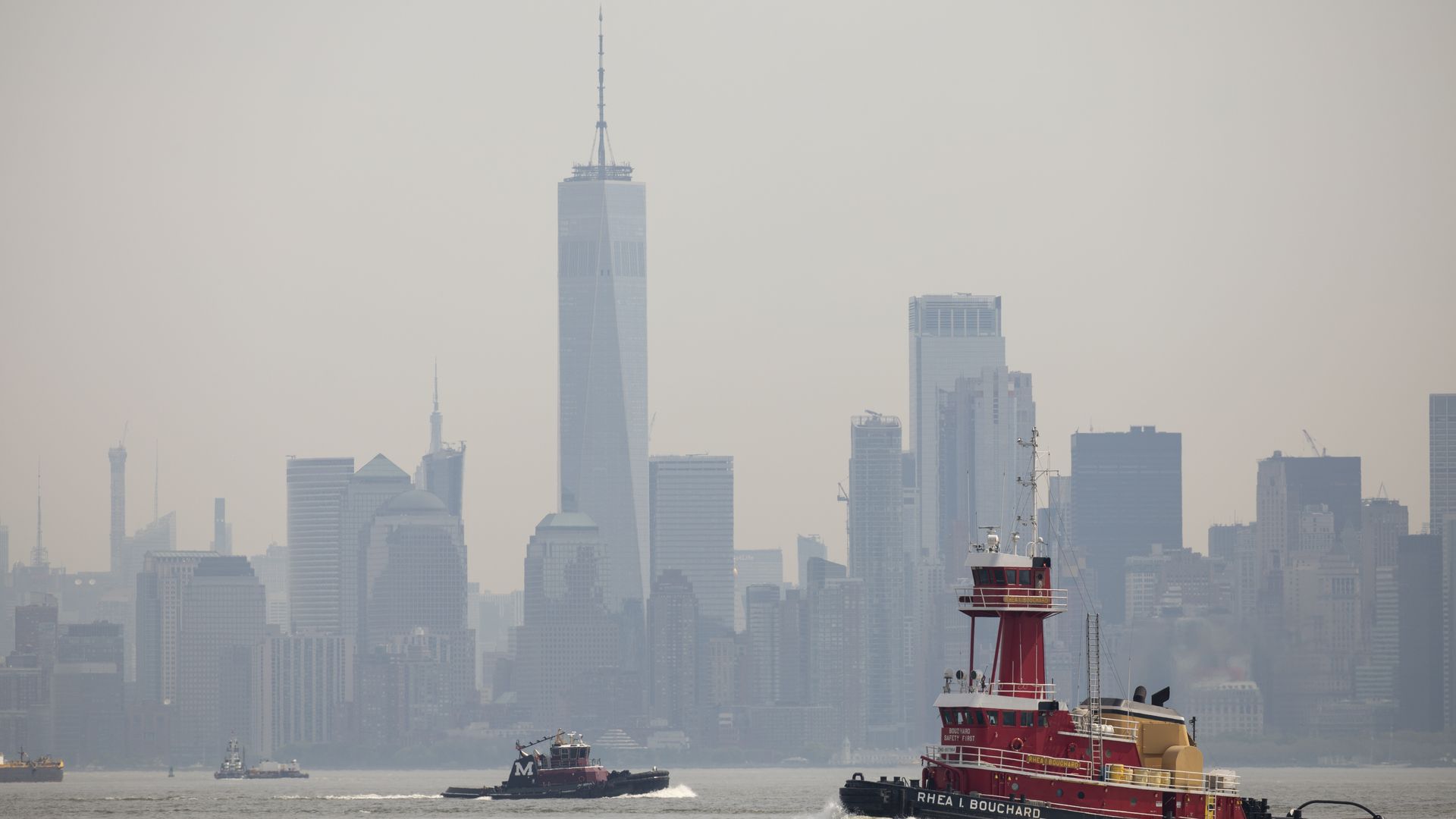
Air quality in the U.S. has declined over the past 2 years since President Trump took office, reports AP.
The big picture: TheEPA is expected to issue emissions regulations for coal-fired power plants on Wednesday that are more modest than an Obama-era rule that never took effect — the latest Trump administration move to loosen environmental rules. Trump previously said the U.S. has "the cleanest air in the world," and touted that it has improved throughout his presidency. Wildfires contribute to poor air quality, and the West Coast has seen 2 major seasons in 2017 and 2018, AP found.