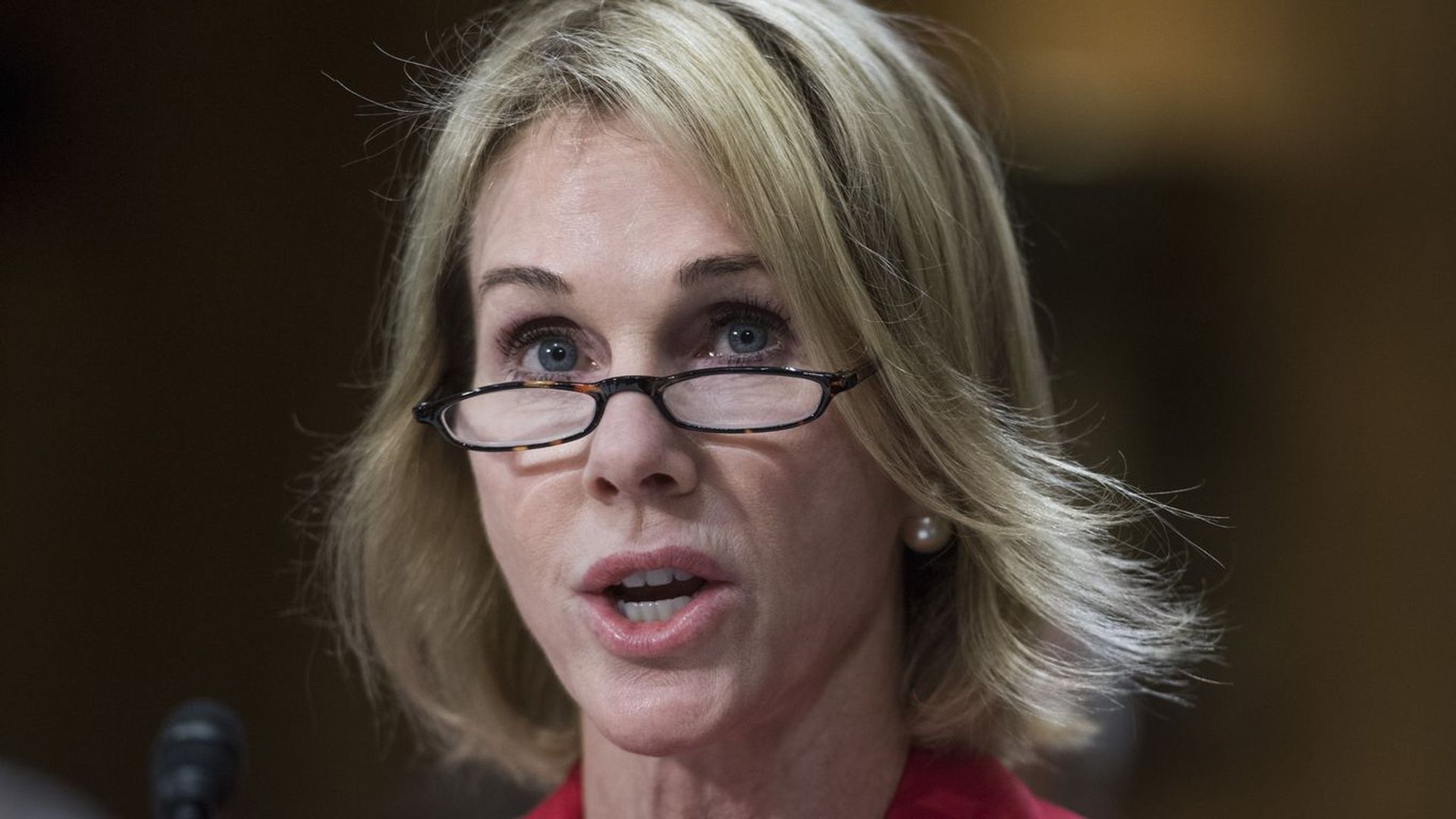
President Trump’s nominee to be the next U.S. ambassador to the United Nations publicly broke with the White House Wednesday, telling her Senate confirmation hearing climate change "poses real risks," USA Today first reported.
"Human behavior has contributed to the change in climate, let there be no doubt. If confirmed, I will be an advocate in addressing climate change. ... I also understand that fossil fuels have played a part in climate change."
— Kelly Knight Craft statement to Senate Foreign Relations Committee
The growing risks associated with financing new coal projects have driven European and American institutional investors to seek returns up to 4 times greater than those for other sources of energy, according to a survey by the Oxford Institute for Energy Studies.
Why it matters: The cost of capital is a key determinant of whether new coal plants will be built. If costs rise relative to those of competing sources, the construction, expansion and even ongoing operation of coal plants could become prohibitively expensive.
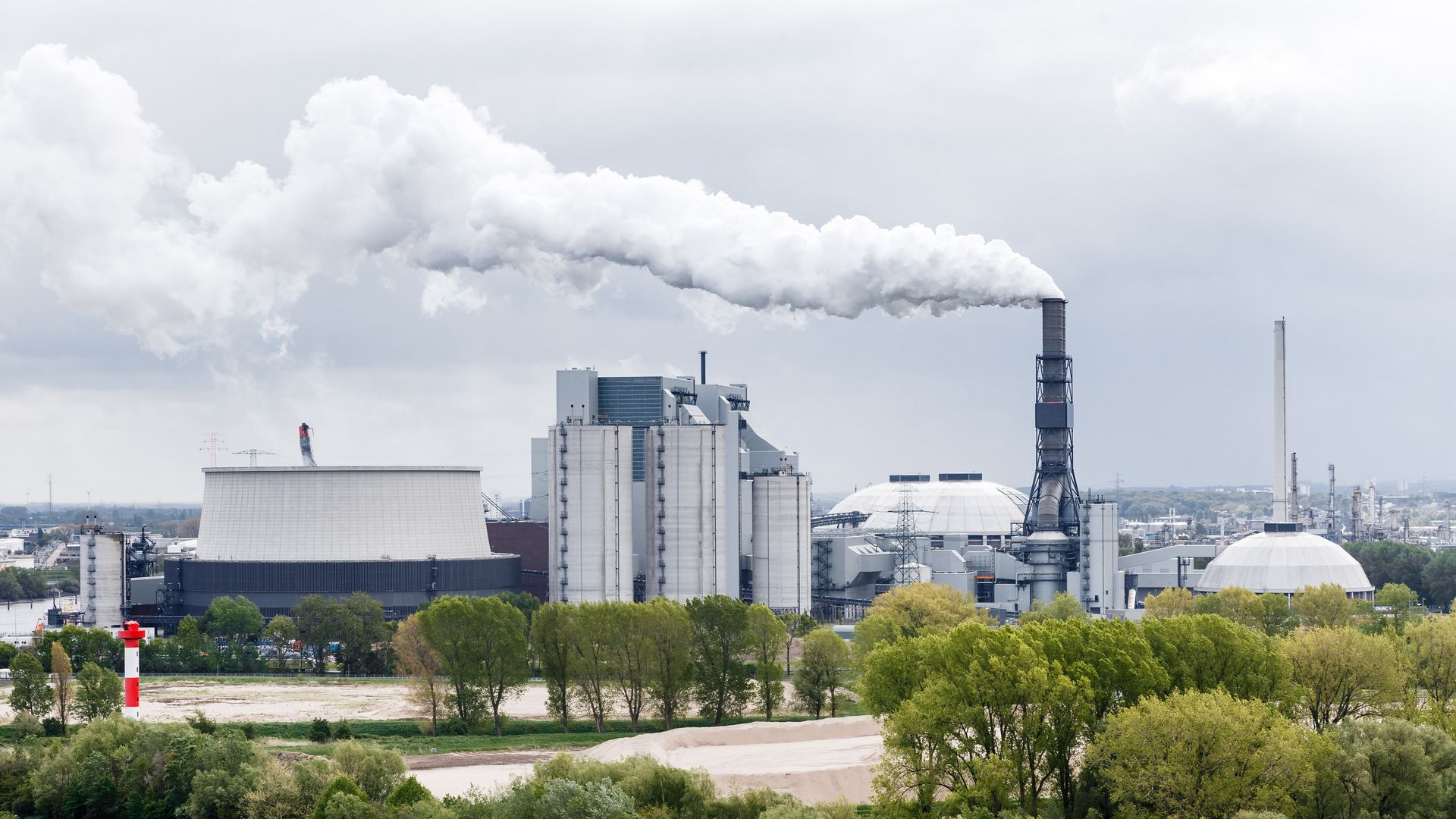
The Environmental Protection Agency issued a final rule Wednesday replacing former President Obama's signature Clean Power Plan (CPP) with a far more modest version controlling carbon dioxide emissions from America’s coal plants.
The big picture: This fight, like many in Washington, is big on symbolism and lacking in substance. While it was supposed to help President Trump save the coal industry and gut the heart of his predecessor's climate agenda in one swoop, the reality tells another story.
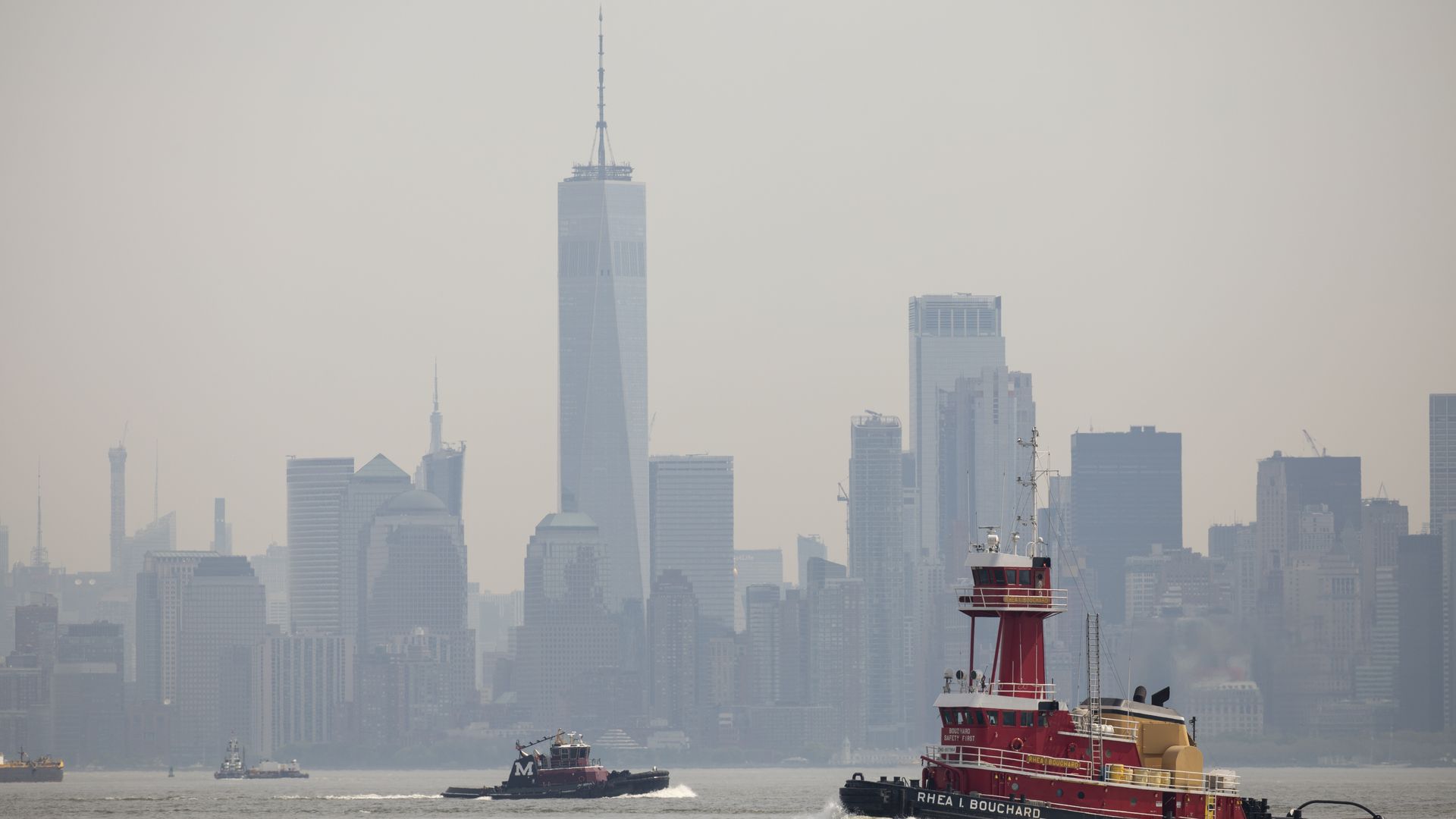
Air quality in the U.S. has declined over the past 2 years since President Trump took office, reports AP.
The big picture: TheEPA is expected to issue emissions regulations for coal-fired power plants on Wednesday that are more modest than an Obama-era rule that never took effect — the latest Trump administration move to loosen environmental rules. Trump previously said the U.S. has "the cleanest air in the world," and touted that it has improved throughout his presidency. Wildfires contribute to poor air quality, and the West Coast has seen 2 major seasons in 2017 and 2018, AP found.
California utility PG&E will pay $1 billion to a group of 14 public entities — including city and county governments — that brought claims against the company for its involvement in deadly wildfires dating back to 2015; it remains unclear when the group will actually be paid, or if they'll be paid at all, since PG&E is in the middle of messy bankruptcy proceedings.
Why it matters: It's the first settlement in what could be a series of payouts to others seeking to recoup losses from wildfires PG&E's power lines have been deemed responsible for sparking. This settlement is a relatively small dollar amount compared to the company's own estimation that it could be on the hook for $30 billion in liability costs. Residents and insurers (unaffected by this settlement) are among the other groups still looking to be paid by PG&E.
Axios' Kim Hart explores the exponential plastics problem, recycling and the growing business of petrochemicals with colleagues Alison Snyder and Amy Harder. Plus, in the "final two" Democrats' concern on facial recognition system and Huawei's revenue toll on trade restrictions with the U.S.
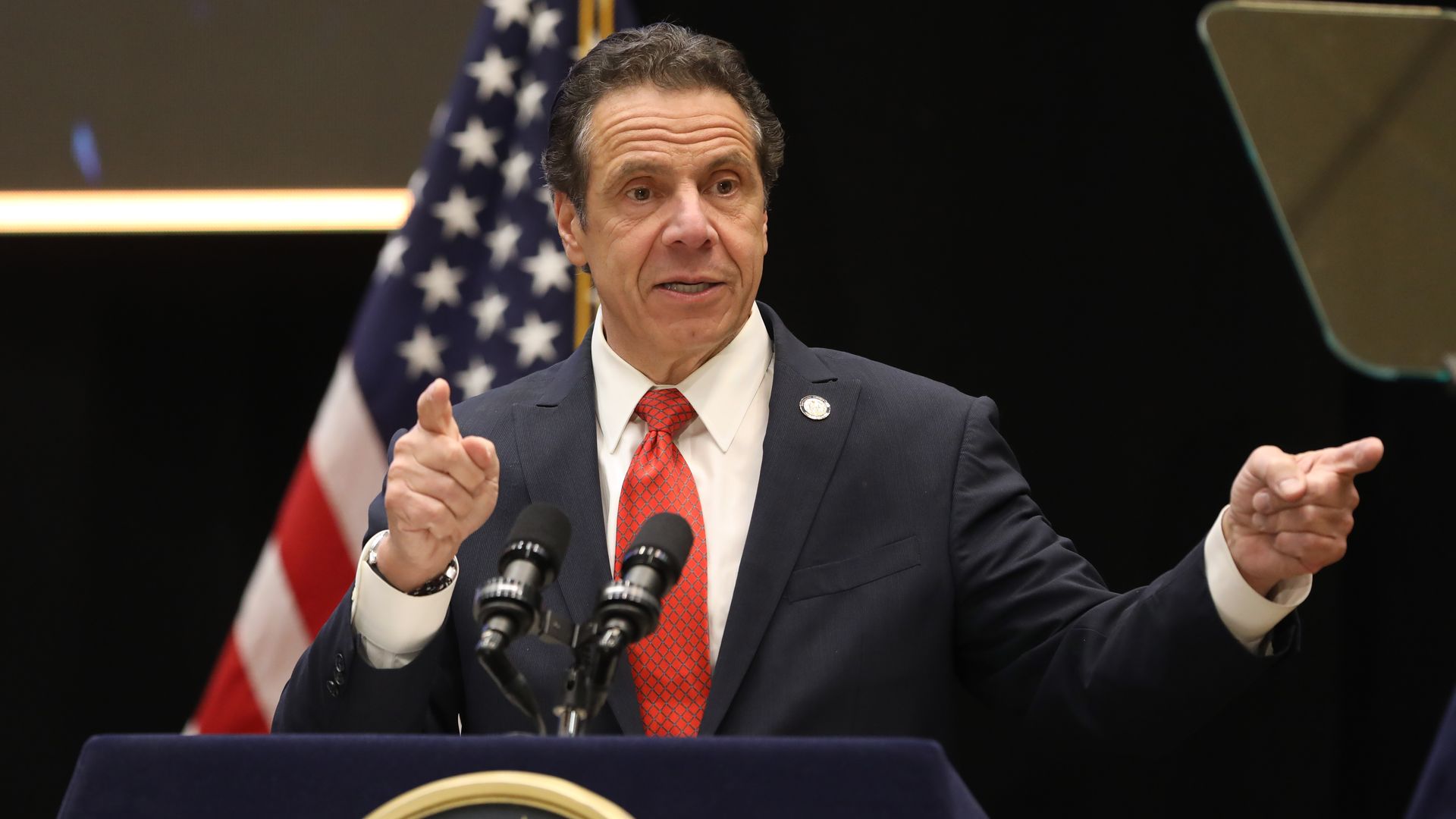
New York is on the cusp of passing the nation's most aggressive climate and energy law.
Why it matters: The deal that emerged between lawmakers and Gov. Andrew Cuomo early this week is among the most striking examples of states enacting tougher policies as the White House unwinds federal efforts.
International Energy Agency data shows that worldwide subsidies that lower consumer costs for fossil fuels grew to over $400 billion last year, their highest levels since 2014.
Why it matters: The persistence of the payments, despite some progress in pricing reforms in recent years in several nations, are among the many headwinds in the effort to combat climate change.
America's oil and gas boom is fueling the rise of a lesser-known energy central to the plastics in our lives: ethane.
The big picture: Ethane, a colorless and odorless gas produced alongside natural gas, is the single largest type of raw material in North America for petrochemicals, the building blocks of plastics. America is consuming and exporting ethane in record quantities.