California utility PG&E will pay $1 billion to a group of 14 public entities — including city and county governments — that brought claims against the company for its involvement in deadly wildfires dating back to 2015; it remains unclear when the group will actually be paid, or if they'll be paid at all, since PG&E is in the middle of messy bankruptcy proceedings.
Why it matters: It's the first settlement in what could be a series of payouts to others seeking to recoup losses from wildfires PG&E's power lines have been deemed responsible for sparking. This settlement is a relatively small dollar amount compared to the company's own estimation that it could be on the hook for $30 billion in liability costs. Residents and insurers (unaffected by this settlement) are among the other groups still looking to be paid by PG&E.
Axios' Kim Hart explores the exponential plastics problem, recycling and the growing business of petrochemicals with colleagues Alison Snyder and Amy Harder. Plus, in the "final two" Democrats' concern on facial recognition system and Huawei's revenue toll on trade restrictions with the U.S.
New York is on the cusp of passing the nation's most aggressive climate and energy law.
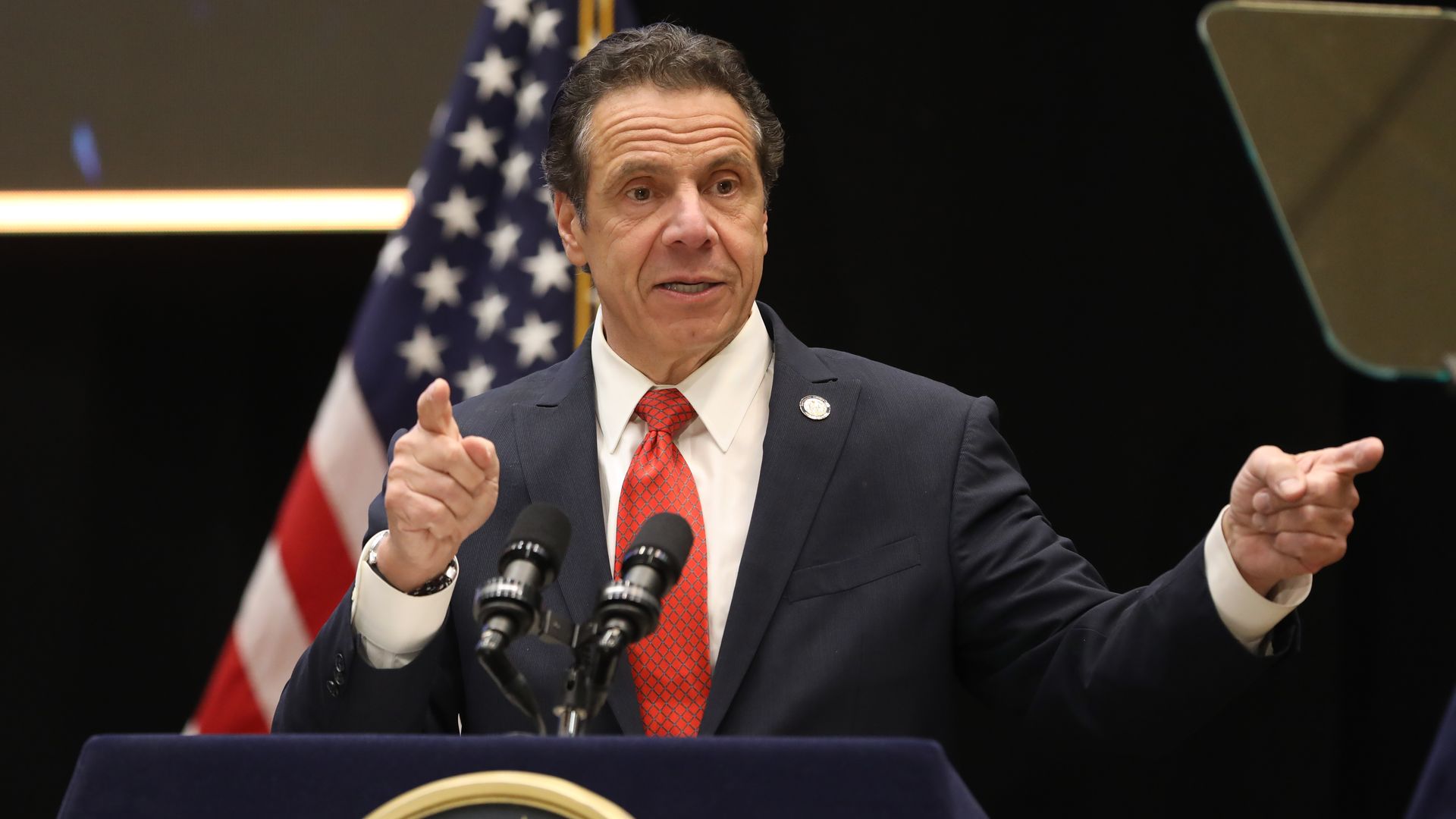
Why it matters: The deal that emerged between lawmakers and Gov. Andrew Cuomo early this week is among the most striking examples of states enacting tougher policies as the White House unwinds federal efforts.
International Energy Agency data shows that worldwide subsidies that lower consumer costs for fossil fuels grew to over $400 billion last year, their highest levels since 2014.
Why it matters: The persistence of the payments, despite some progress in pricing reforms in recent years in several nations, are among the many headwinds in the effort to combat climate change.
America's oil and gas boom is fueling the rise of a lesser-known energy central to the plastics in our lives: ethane.
The big picture: Ethane, a colorless and odorless gas produced alongside natural gas, is the single largest type of raw material in North America for petrochemicals, the building blocks of plastics. America is consuming and exporting ethane in record quantities.
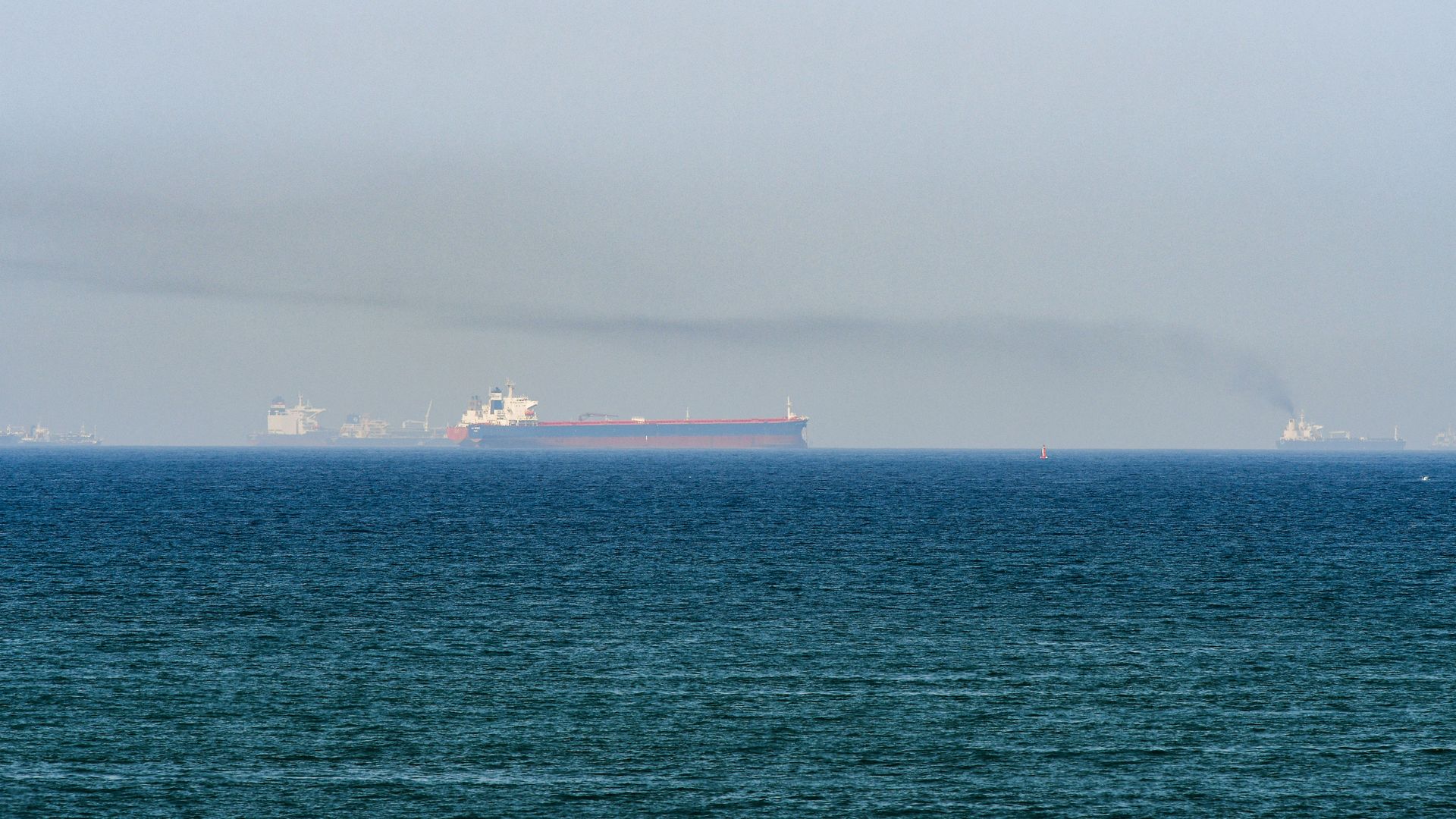
The weekend brought fresh pledges to protect oil tankers following last week's attacks in the Gulf of Oman, but markets picked up where they left off Friday, reacting more to bearish economic signs than heightened security fears.
Why it matters: Over 18 million barrels of oil per day — nearly a fifth of global demand — pass through the Strait of Hormuz.
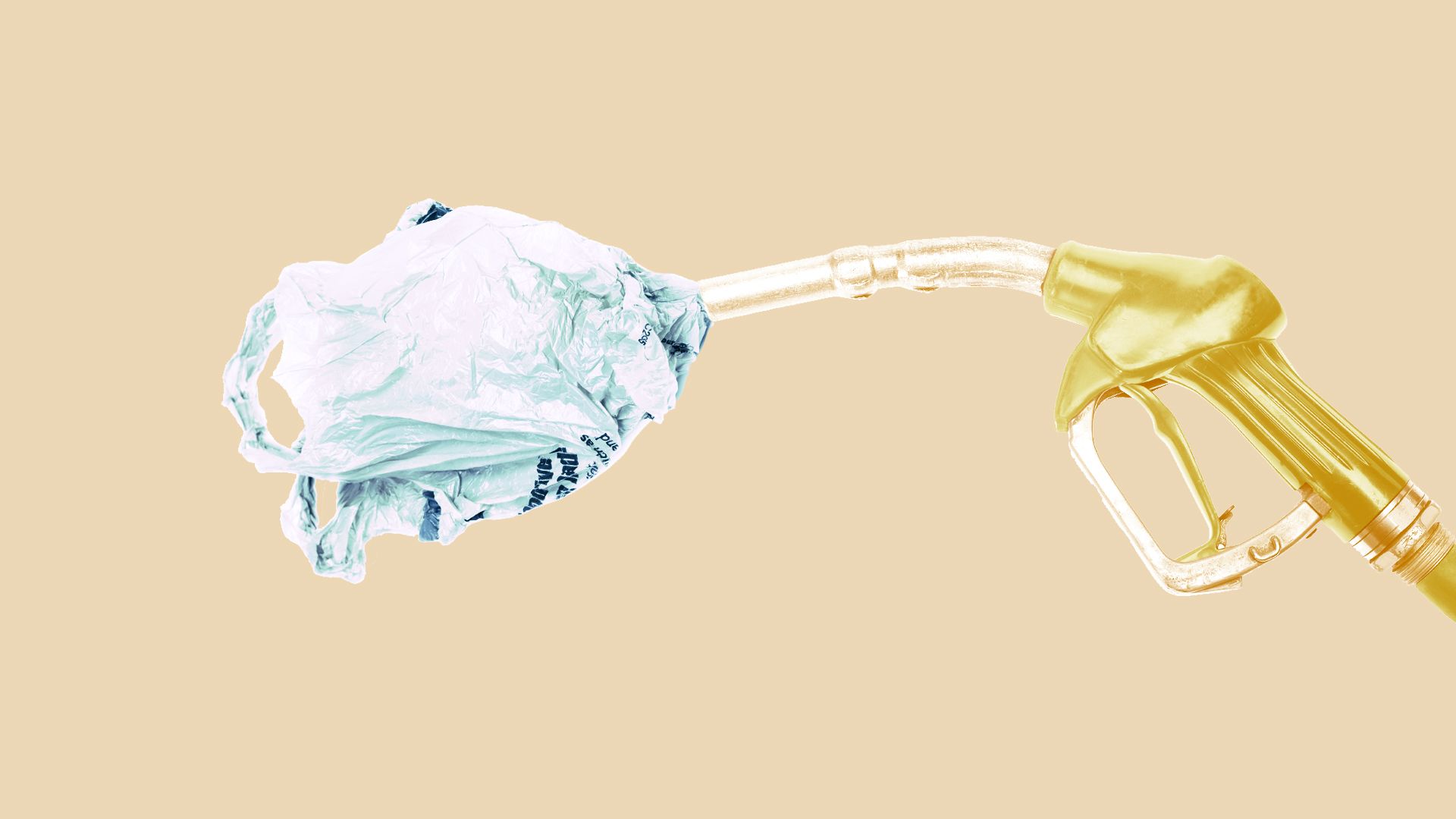
The oil and gas industry is ramping up petrochemicals — building blocks of plastics —right as the global outcry intensifies over plastic waste.
The big picture: Most people associate oil companies' products mainly with gasoline. But they also generate plastics that are interwoven into all facets of our lives. This durable material is, more and more, leaving waste virtually everywhere on Earth.