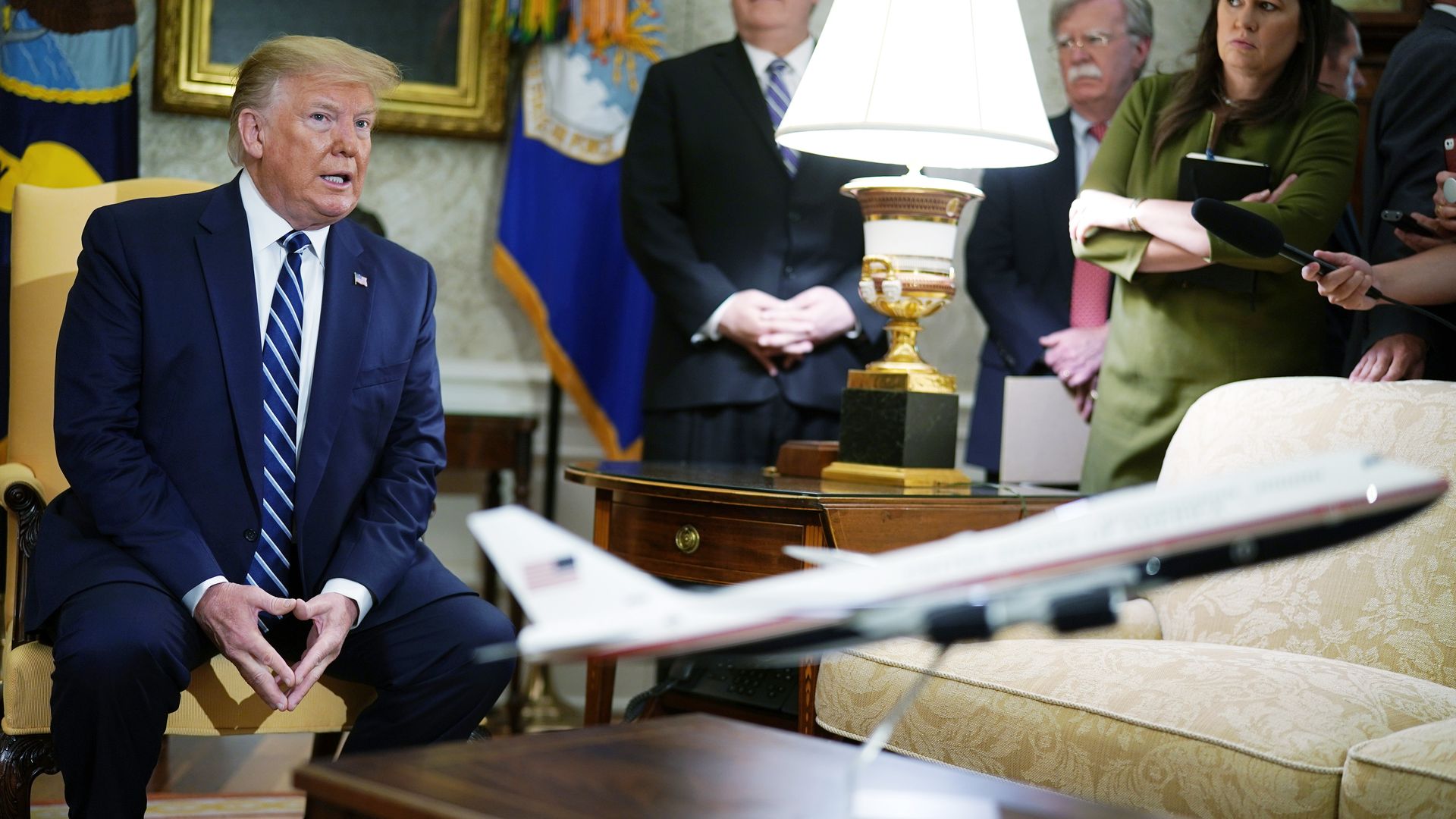
The Trump administration is proposing that federal agencies shouldn't be required to consider the long-term climate impacts of projects when evaluating environmental affects, reports the Washington Post.
The big picture: This is the latest in a long line of controversial moves by this administration to repeal climate action taken by former President Obama. This type of guidance does not carry the same weight as a regulation, but still affects many fossil-fuel infrastructure projects.
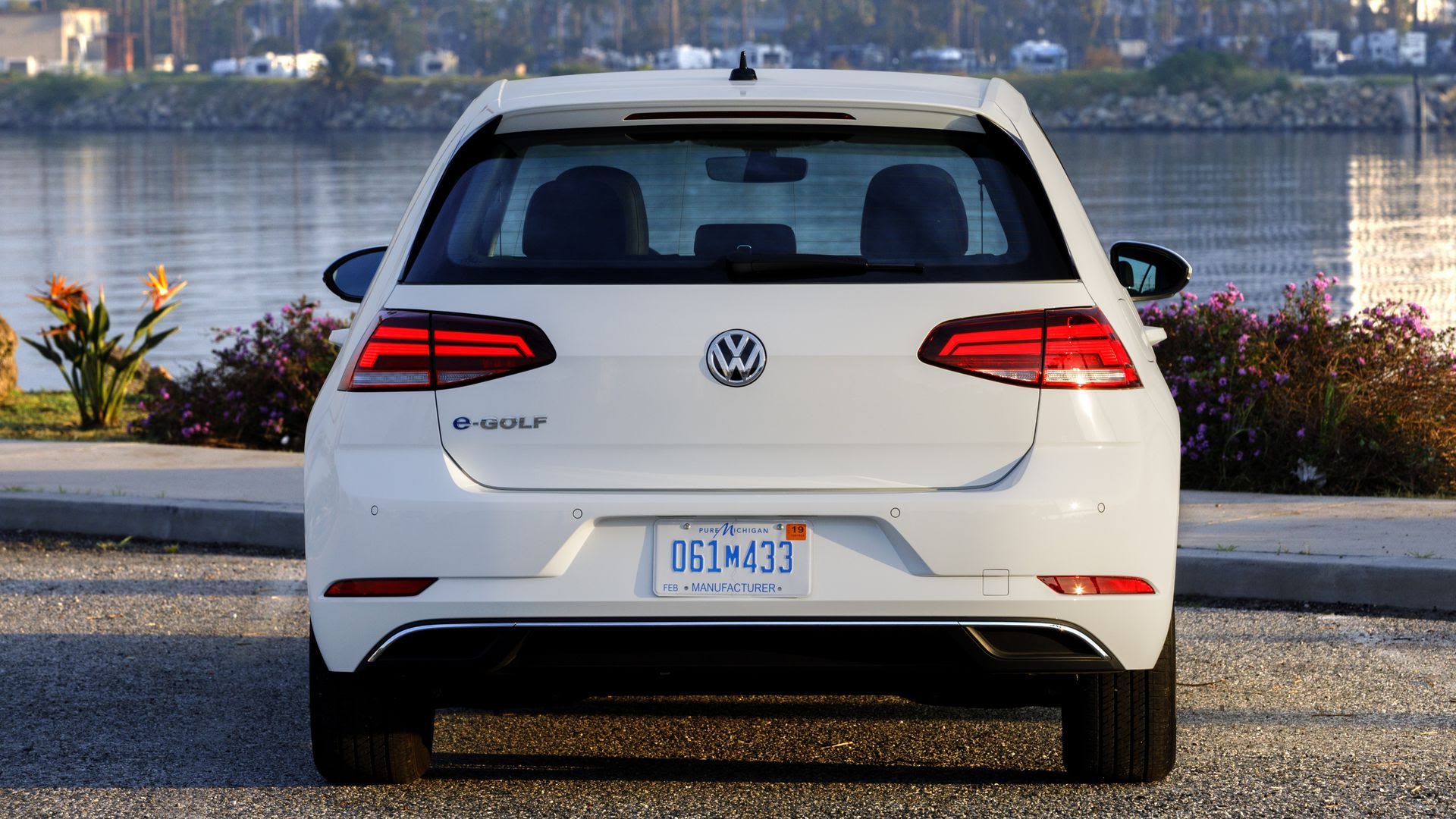
I'm driving the Volkswagen e-Golf, and perhaps just for sentimental reasons, since it's about to become obsolete.
The big picture: The e-Golf will go away once a wave of new electric models from VW hits, starting next year. VW plans 70 electric vehicles across all its brands by 2028 — a total of 22 million EVs worldwide. It's the automaker's way of finally putting the past behind it after a devastating diesel emissions cheating scandal.
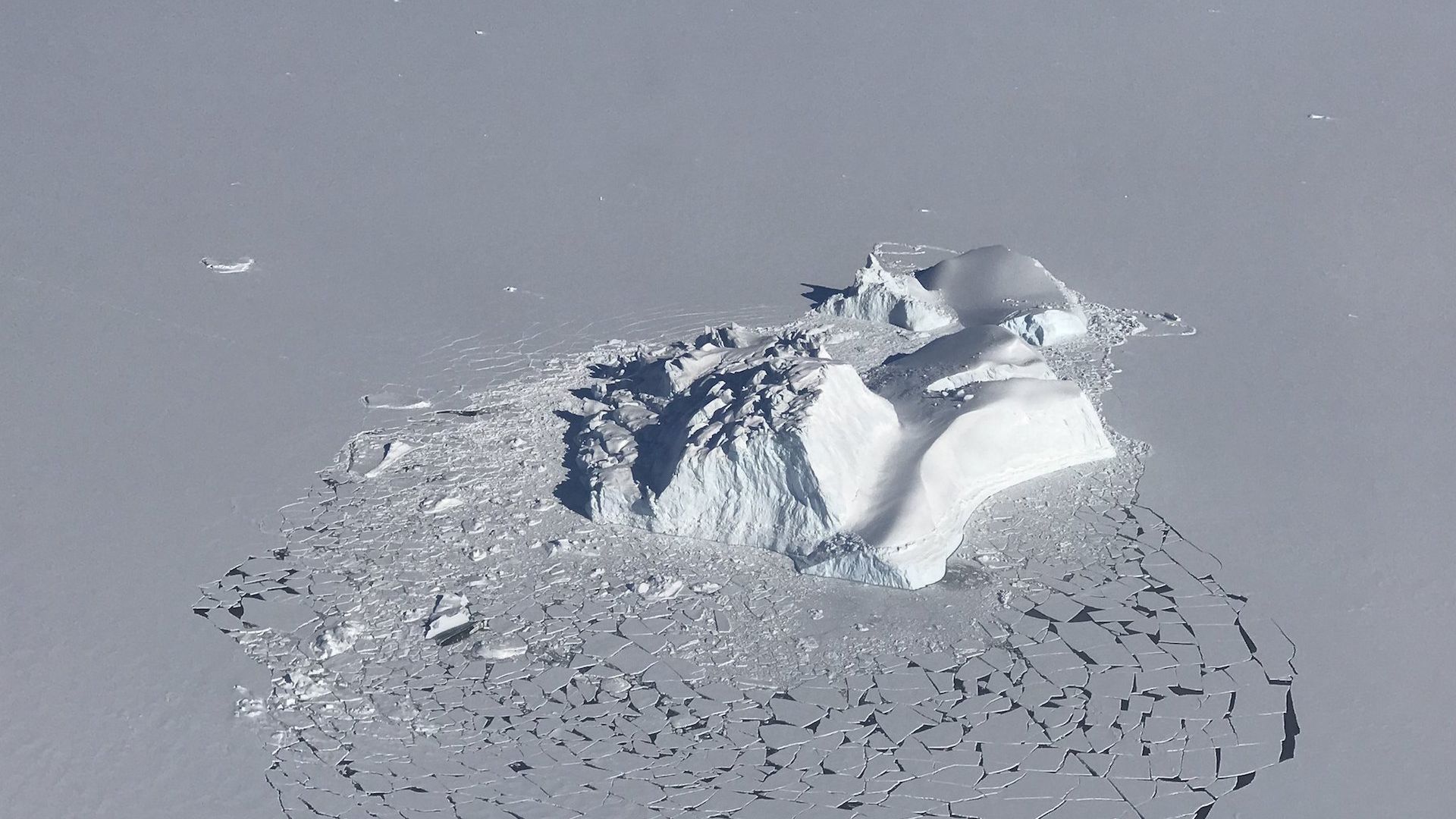
Without significant near-term cuts to greenhouse gas emissions, all of the ice in Greenland could be lost within the next millennium, a new study finds.
Why it matters: The Greenland Ice Sheet is the second-largest ice sheet in the world, containing enough water to raise global sea levels by 23 feet if it were to melt completely. While a 1,000-year timeframe sounds extremely long, it is unusually speedy in geologic time, and the resultant sea level rise would drown many coastal megacities long before the year 3000.
With its acceleration of Prime shipping from two days to one, Amazon established a new normal. Soon after, Walmart and Target came out with their own super-speedy shipping options.
Why it matters: Flying, trucking and delivering millions of packages a day comes with a cost — as shoppers demand faster and faster speed, there has been a sharp environmental impact.
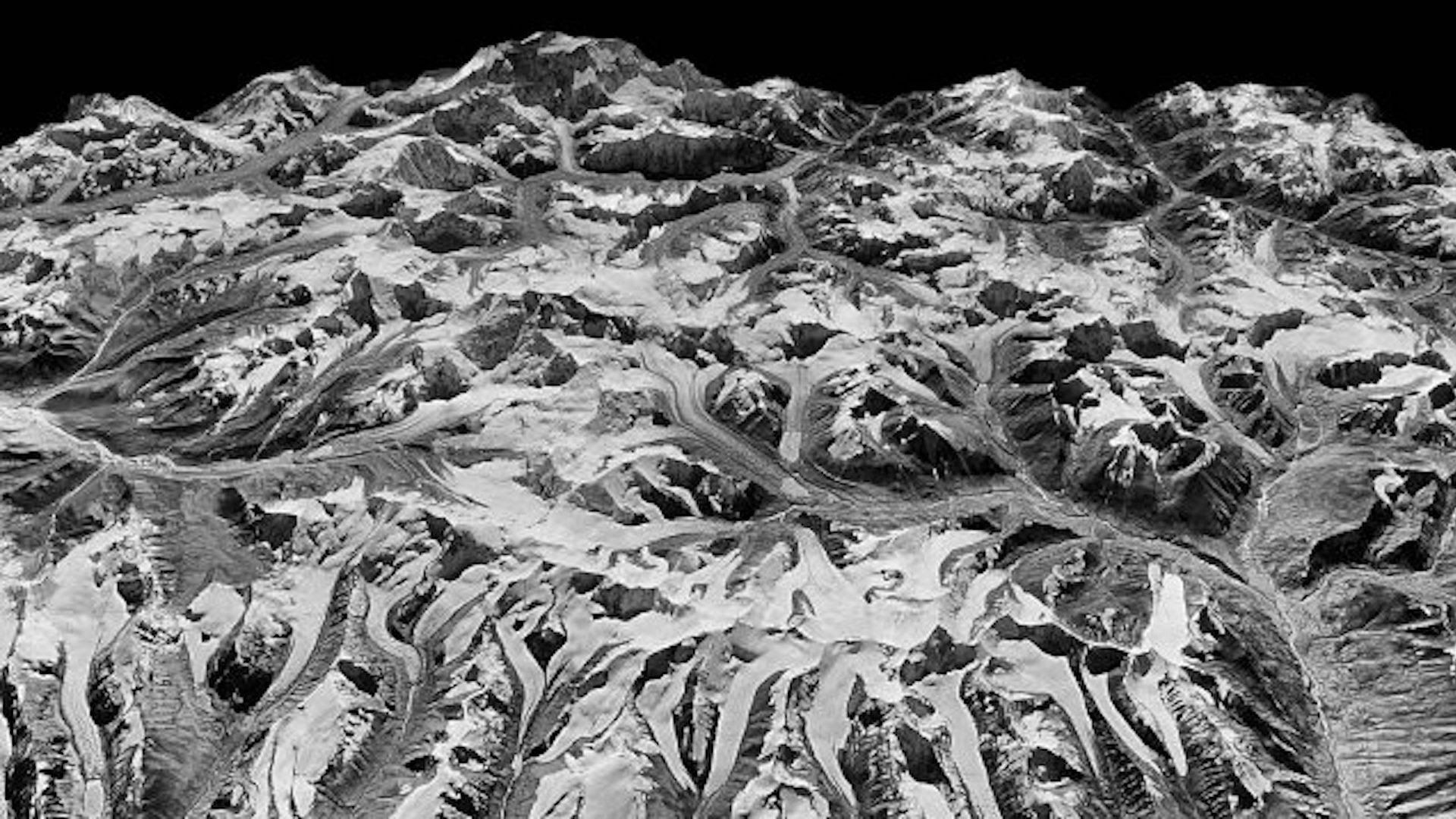
A new study on central Himalayan glaciers in India, China, Nepal and Bhutan finds that this region has been losing ice during the 21st century at twice the rate it did during the previous 25 years. This trend was likely driven by increasing air temperatures, the study, published in Science Advances, finds.
Why it matters: This region is home to so much ice that it's sometimes referred to as Earth's "Third Pole." Runoff from ice melt nourishes some of the most populous nations on Earth, and the fate of these glaciers are thus intertwined with the ability of this region to sustain high population growth and avert conflict over increasingly stressed water supplies.
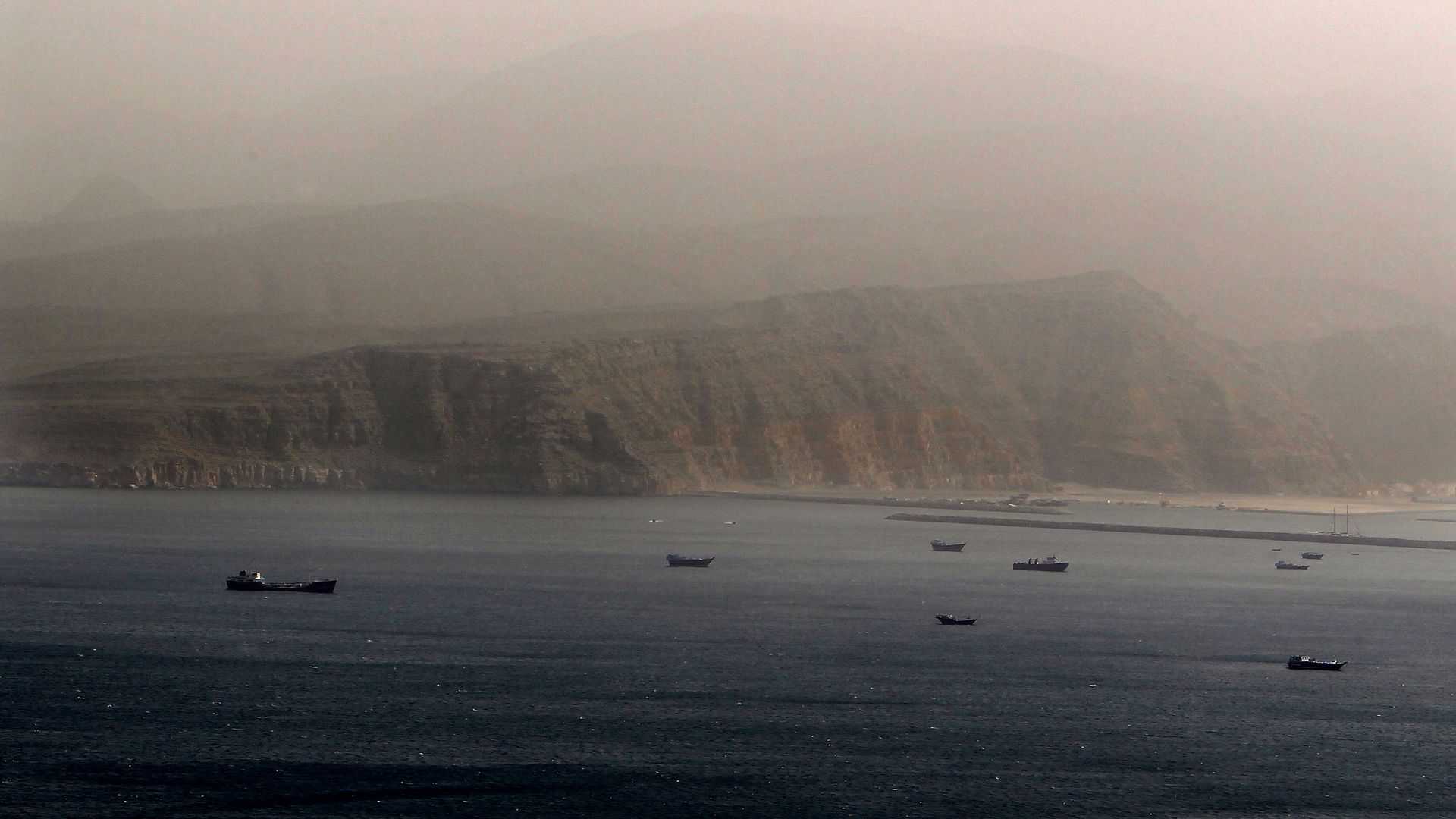
President Trump has claimed that turmoil in the Strait of Hormuz matters less than in decades past, now that U.S. oil production continues to grow while imports fall — a view that does not reflect the global nature of today’s oil market.
The big picture: Middle East tensions have heightened following multiple attacks against oil tankers in the Strait of Hormuz, a 2-mile shipping channel exiting the Persian Gulf through which about one-fifth of the world’s oil passes each day. Even though the majority of those shipments are bound for Asia, the interconnectedness of the global oil market means demand surges or supply disruptions in any region affect oil prices worldwide.
A big question now that EPA has finalized climate regulations for power plants is how much they'll constrain a future president — especially a potential Democrat that wants to act way more aggressively.
Driving the news: Yesterday EPA issued modest rules requiring state plans to make coal-fired units more efficient over time, but lacks binding CO2-cutting targets.