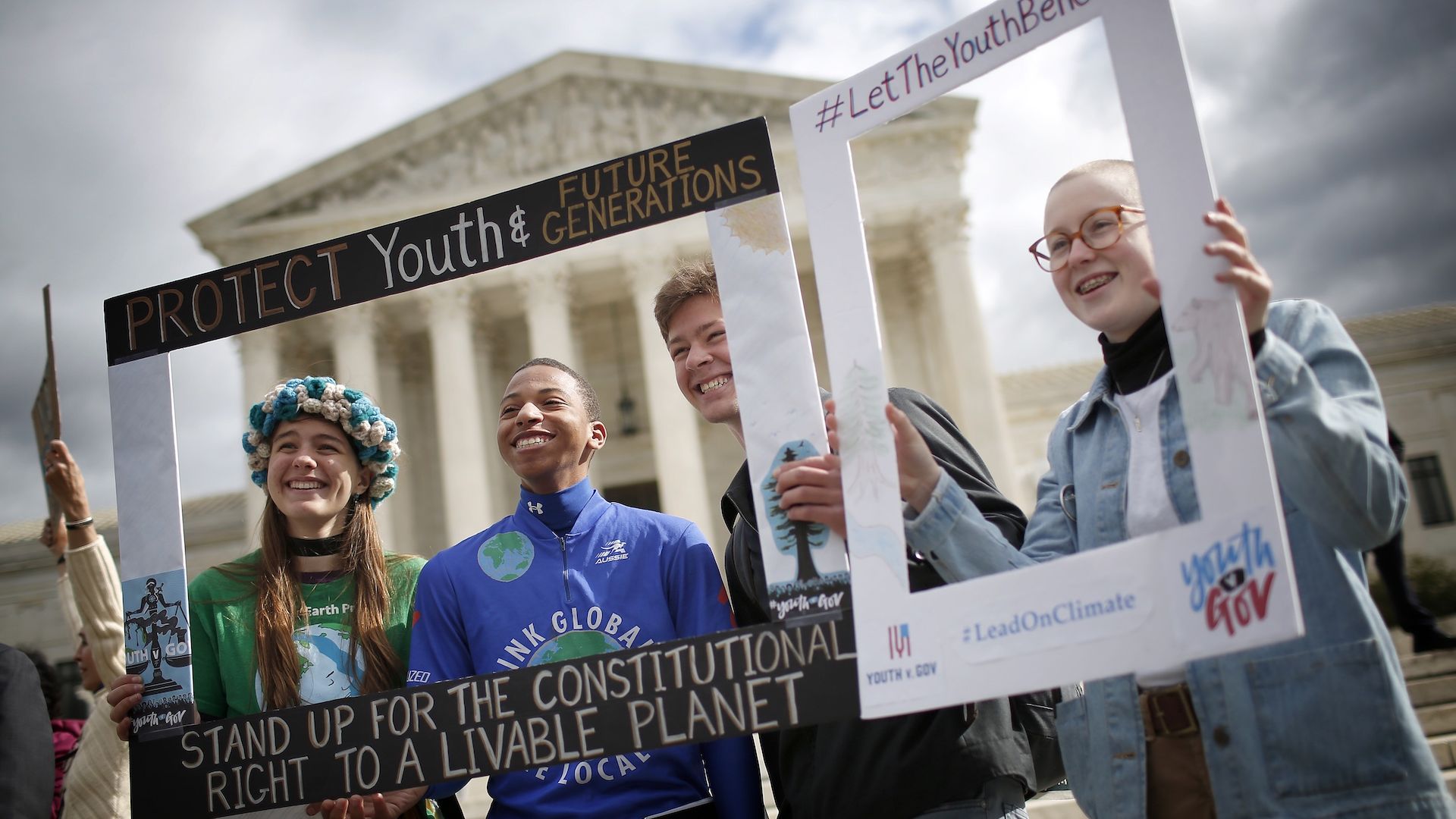
The Supreme Court late Friday denied the Trump administration's attempt to halt a novel climate change lawsuit brought by 21 young Americans against the federal government. The suit alleges the government, through its longstanding energy policies, deprived the plaintiffs of the right to "a climate system capable of sustaining human life," among other harms.
Why it matters: The case, which has been winding its way through the federal court system for 3 years and has survived multiple attempts by the Justice Department to squash it, was due to go to trial on October 29 before the Supreme Court declared a temporary stay. The plaintiffs have filed a motion in U.S. District Court to call for an immediate start to the delayed trial.
Why it matters: While this is a relatively small-scale project for a national grid, it could have big implications for coastal microgrid designs if it proves successful. The integration of technologies that can produce tidal energy with those that can store it makes a powerful combination, potentially providing consistent and reliable baseload power from a renewable energy source.
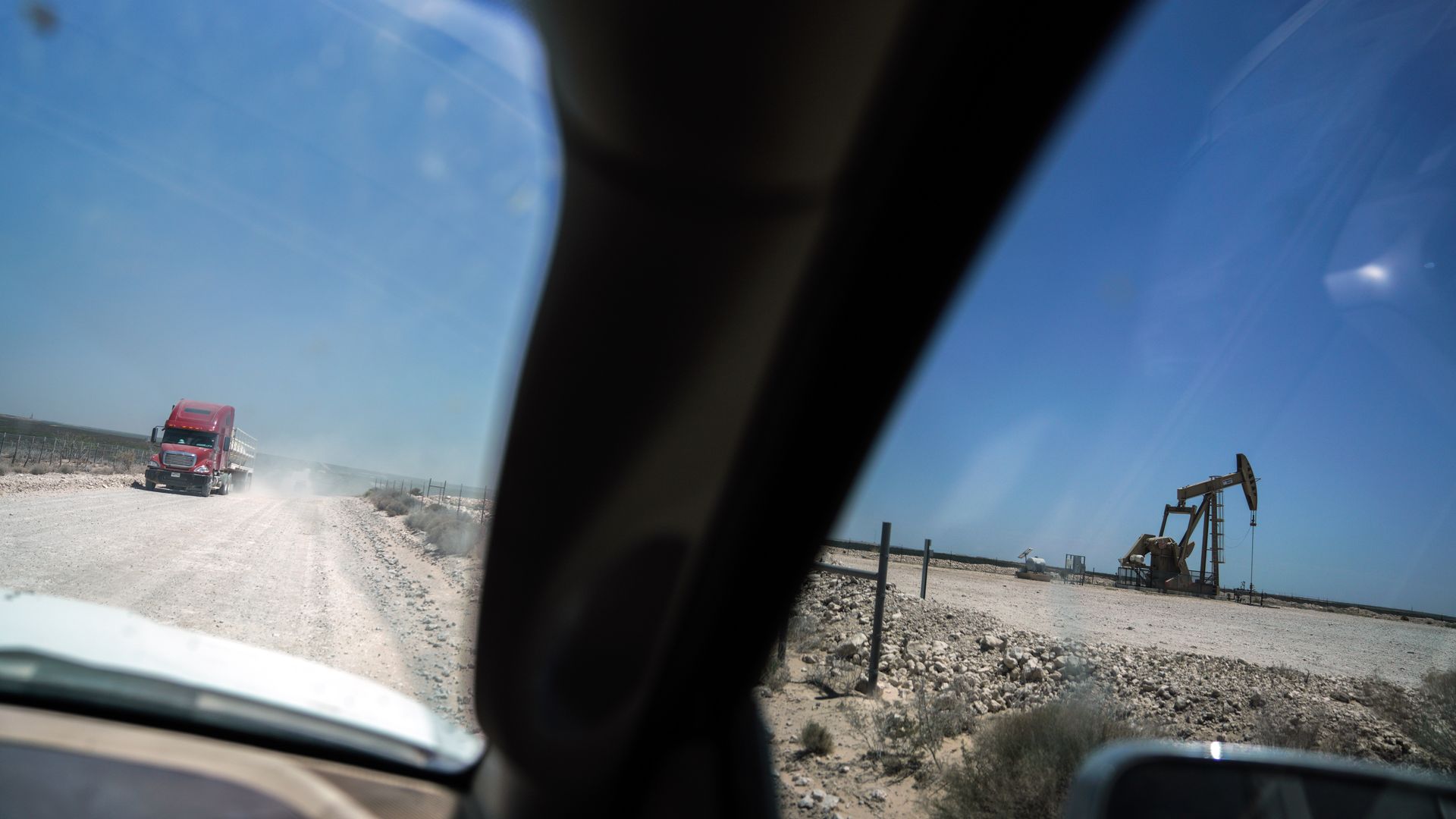
Remember the old days of very early October? That's when rising prices were spurring talk of oil climbing higher and higher and maybe — maybe— reaching $100 per barrel in coming months?
But now, just hours away from the formal reimposition of U.S. oil sanctions against Iran, the world looks very different. Oil prices have been on a generally downward path for a month, with more significant declines this week.
Leading officials of the world’s biggest countries, fossil-fuel companies and finance banks are meeting later this month in Scotland for one of the largest-ever summits on technology capturing carbon dioxide emissions.
Why it matters: This technology is increasingly considered essential to address climate change given how carbon-intensive the world’s energy and industrial systems are. But it remains too expensive in most instances. The gap between what’s needed and what exists today is staggering.
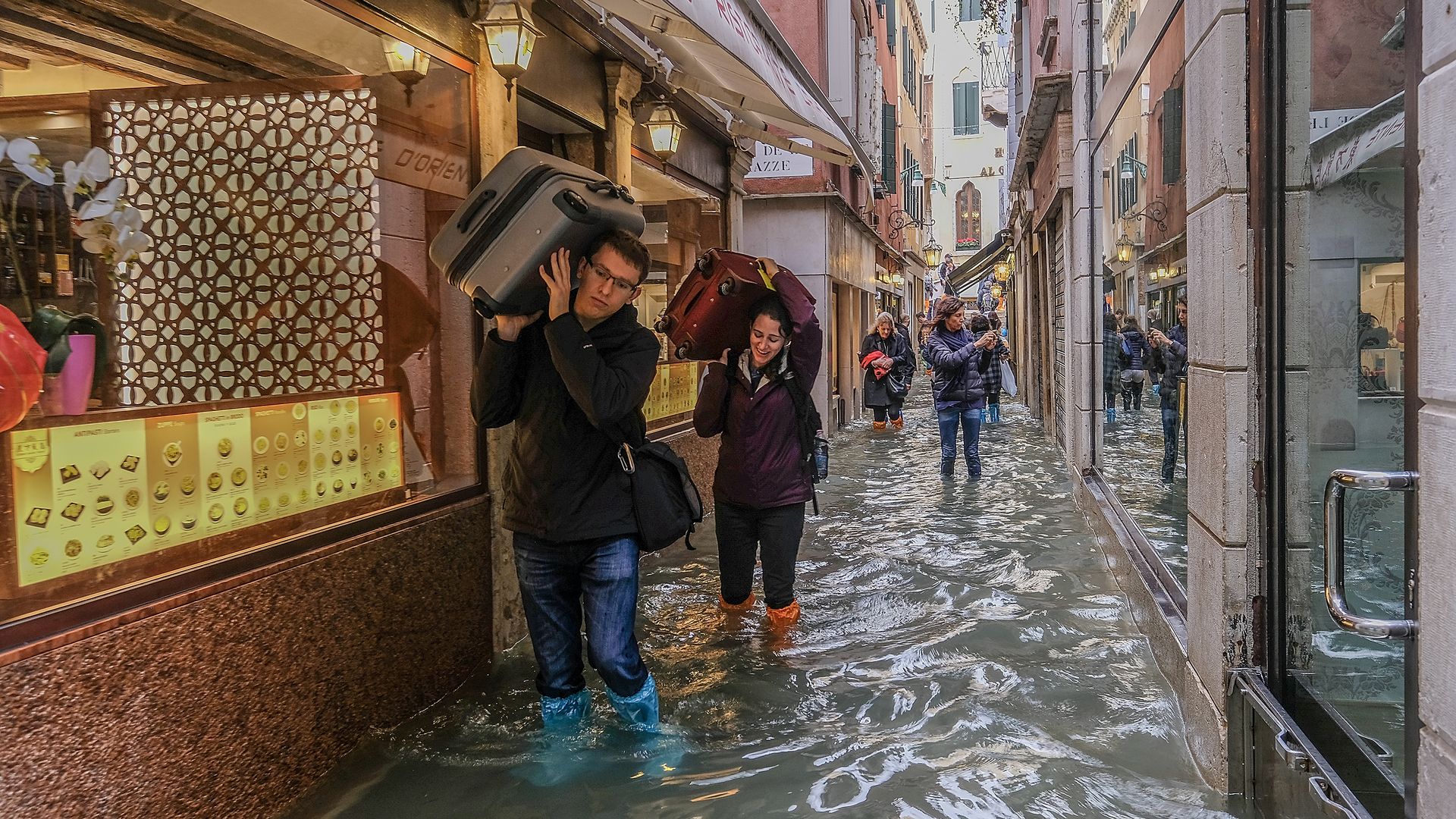
A fierce storm Wednesday brought the highest tide to Venice in a decade, flooding 70% of the low-lying, canal-lined city and threatening historic sites.
Why it matters: A long-delayed sea wall project from 10 years ago meant to block rising waters and threats from global warming, known as the MOSE project, could've stopped the flooding, the New York Times reports. Cost overruns and bureaucratic delays have led to slow progress on the project. Venice is threatened based on the sinking of the city from long-term natural and human causations and sea level rise due to human-caused climate change, per Weather Underground.