Large wildfires in New Mexico and Colorado have forced hundreds to evacuate, and burned at least a dozen structures since Friday. The blazes are taking place amid tinder dry and windy conditions, and signal what officials fear will be a historically damaging fire seasons.
The big picture: One of the rapidly spreading fires, known as the 416 fire, is burning near Durango, in southwestern Colorado. It has forced the evacuation of nearly 800 homes since it was first seen on Friday morning. The fire has been burning through parts of the San Juan National Forest, and as of Saturday morning, the fire was 0 percent contained and had spread to 1,100 acres, according to Inciweb, a government portal for wildfire disaster information.
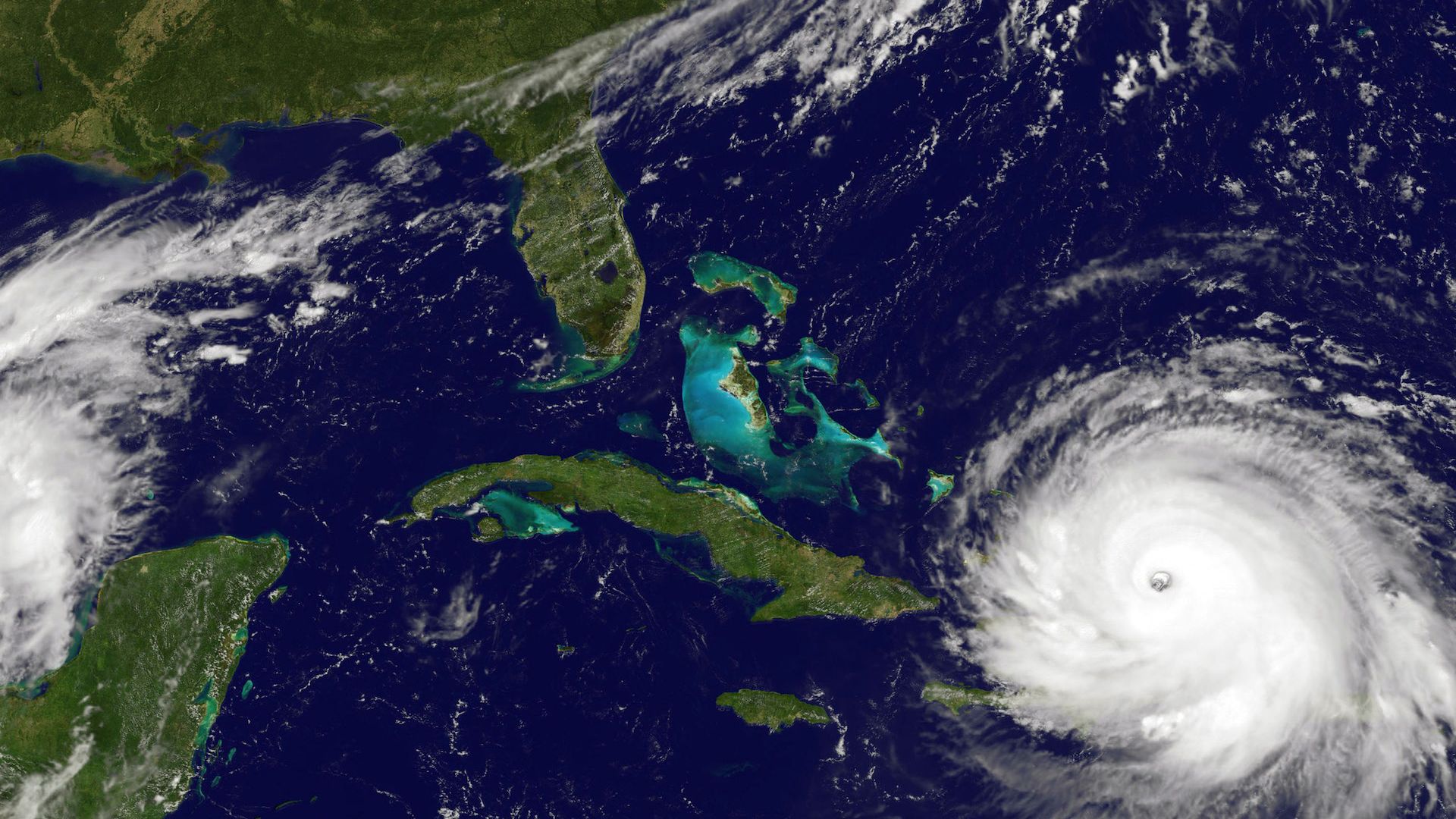
It's now officially hurricane season, and there's a lot of anxiety after last year's extraordinary devastation from several vicious storms.
What to watch: Forecasting groups including the U.S. government are calling for the likelihood of a near-average to slightly above-average season, though emerging signs may call for this projection to be revised downward mid-season.
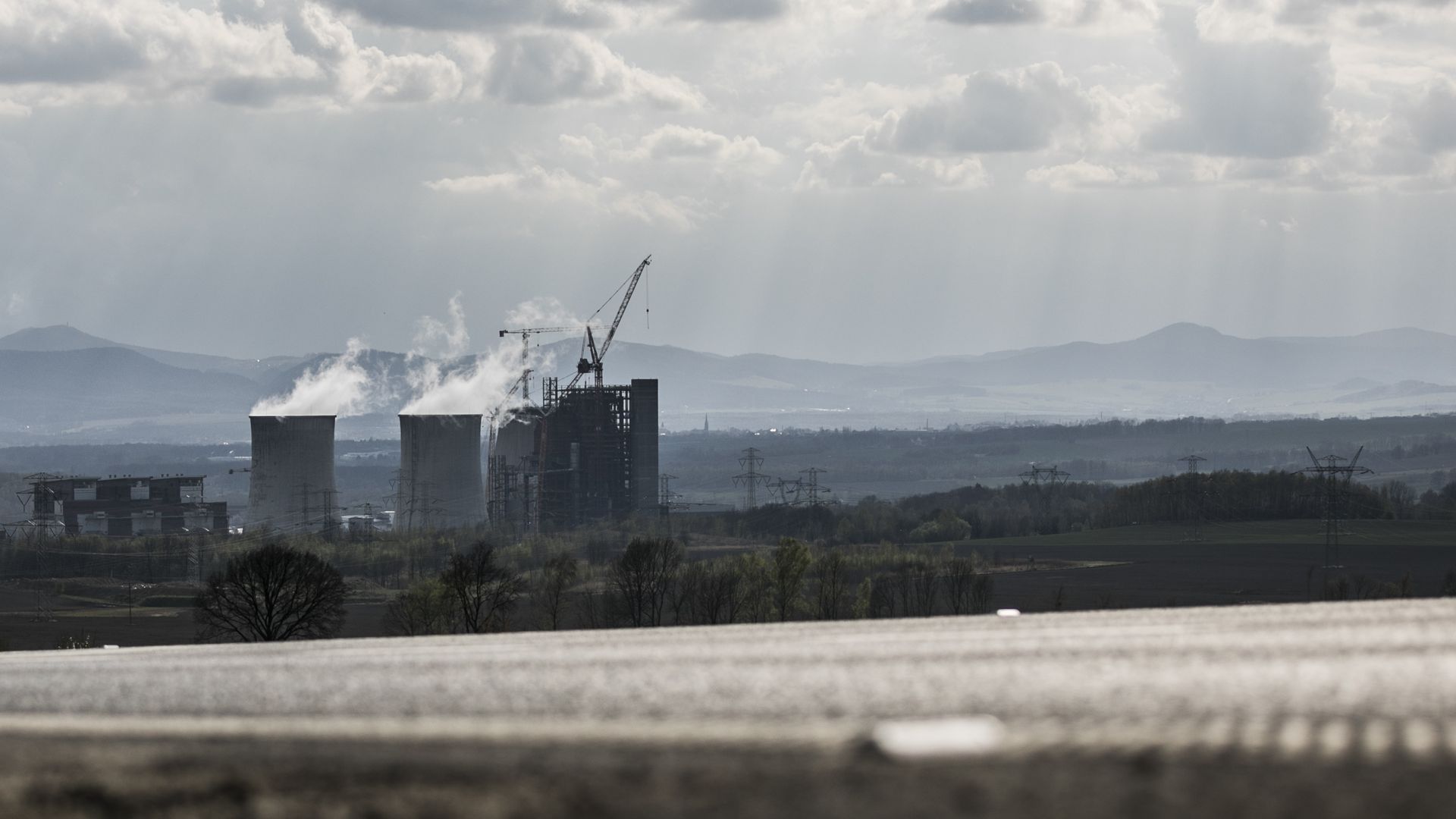
President Trump has asked Energy Secretary Rick Perry "to prepare immediate steps to stop the loss" of energy sources, caused by the closing of coal and nuclear plants, according to a White House statement.
Why it matters: This White House statement indicates the administration is likely to soon take the steps outlined in a memo obtained by Bloomberg toward aiding economically struggling coal-fired and nuclear power plants. Until now, this was more a proposal than an endorsed policy. (Go deeper:Trump's coal and nuclear bailout.)
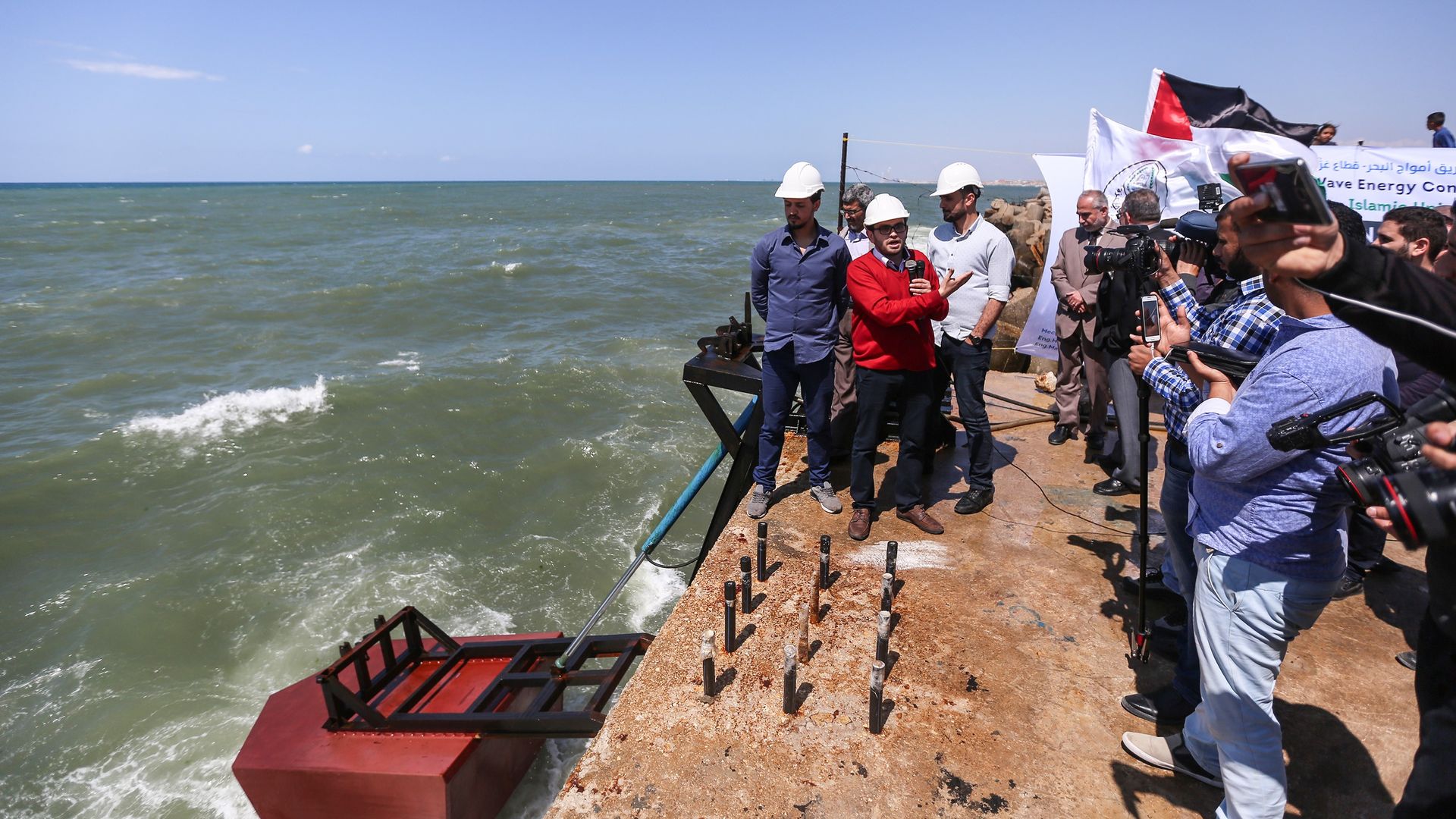
Tidal energy has been slow to develop into a reliable form of grid power, but recent demonstration projects suggest that might be changing. If the technology continues to mature, tidal energy could become a significant renewable power source in many countries.
The problem: Although energy developers have long sought ways to exploit ocean tides to generate electricity, few large-scale projects are actually running in the water. That's because operating in the ocean poses a frustratingly difficult engineering problem: Corrosion, biofouling and extreme wave and current forces all contribute to the slow destruction of devices.
Pope Francis is hosting a gathering next week at the Vatican with executives of major oil producers and investment firms to talk about how the companies can address climate change, according to several people familiar with the event.
Why it matters: It’s one of the most significant developments showing how corporations are working with other world leaders on climate change amid President Trump’s whole-scale retreat on the issue.
Fourteen percent of U.S. adults say they're either "extremely" or "very" likely to go electric with their next car purchase or lease, while a combined 62% said they would probably steer clear, according to a new Axios/SurveyMonkey poll. Another 23 percent said they were "somewhat likely" to get an electric car.
Why it matters: Even though most of the public is still wary of electric cars, the findings actually show that electric car sales have room to grow massively in the U.S. — because even the small percentages of people who say they're interested suggest a market far bigger than the people who buy electric vehicles now.