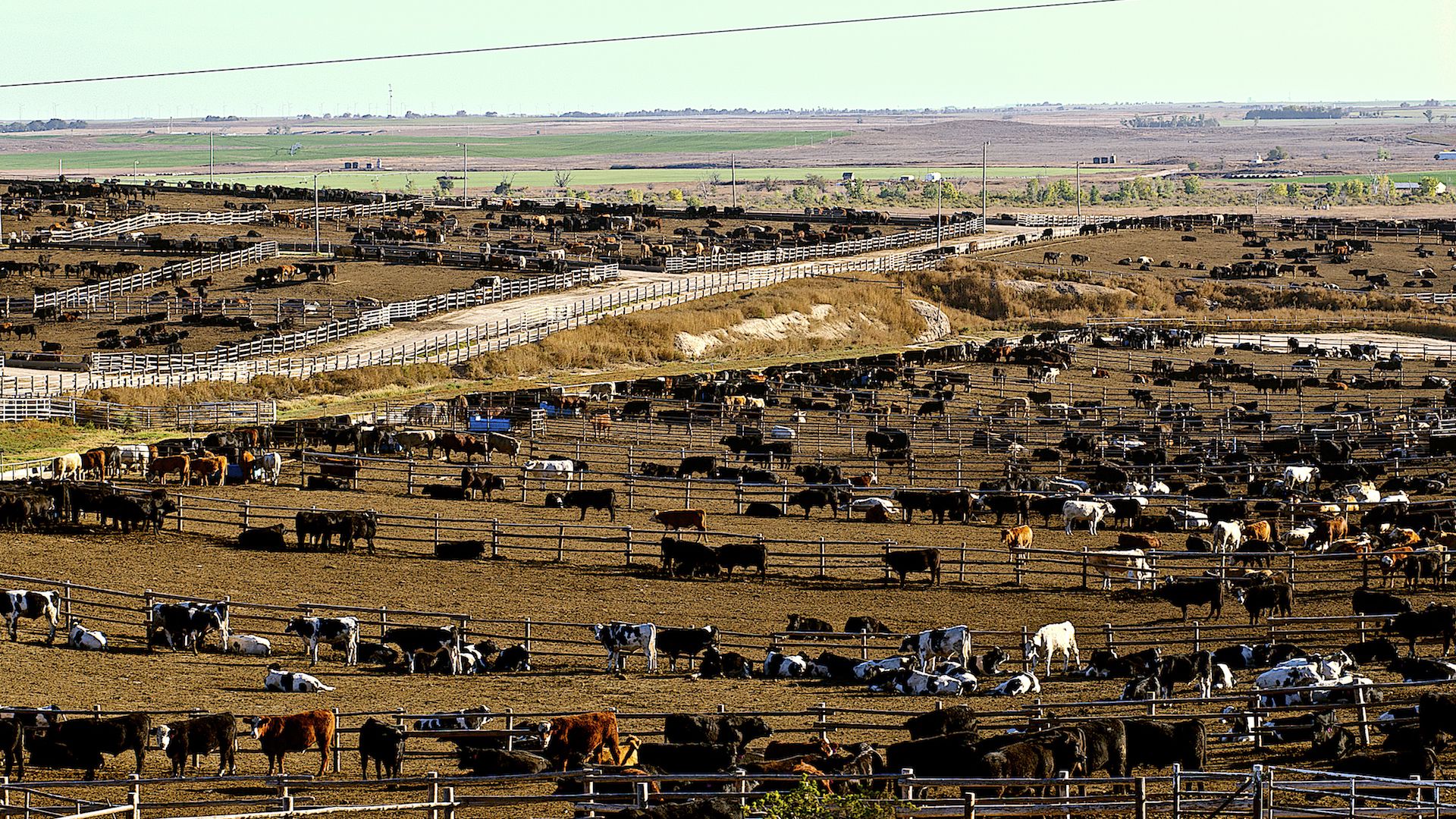
Producing food for the world's 7.6 billion people creates about 13.7 billion tons of carbon dioxide equivalent emissions per year, plus other major environmental effects. A new study published in Science attempts to take stock of the global food system's environmental footprint, and proposes how to reduce it.
Between the lines: The study makes the point that greater gains can be made by altering human dietary habits than by changing food production practices. If people were to switch to plant-based diets, we would reduce food's emissions by up to 70% and slash the amount of land devoted to agricultural use by about three-quarters.
"This says something new — it will always be better to consume vegetable proteins/milks, rather than trying to purchase sustainable animal products"
— study co-author Joseph Poore of the University of Oxford
At least 404 terrestrial volcanoes have erupted since 1883 — the year of Krakatoa's historic eruption. Nearly 200 of these eruptions have occurred since the year 2000. These eruptions have varied in size and effects. Some are downright cataclysmic, like the 1980 eruption of Mount St. Helens in Washington, while other eruptions are much smaller, frequent and localized. Kilauea, the shield volcano now causing destructive lava flows in Hawaii, has erupted 95 times since 1883.
An interesting analysis over at The Conversation shows that a number of GOP mayors are taking steps to make their cities less carbon-intensive, but shy away from overt advocacy.
Why it matters: The post suggests that local steps on global warming may have a more bipartisan foundation — if you look for it — compared to where climate policy stands at the federal level.
Several new or recent reports highlight the damage from massive global plastics consumption and the challenge of tackling the problem. The chart above shows a stunning statistic highlighted in a recent report: Global plastics production grew to over 400 million tons in 2015.
Why it matters: Plastic bags, bottles and many other wastes are causing widespread harm to marine and coastal ecosystems — and as the Organization for Economic Co-operation and Development report reminded us, the problem is getting worse.
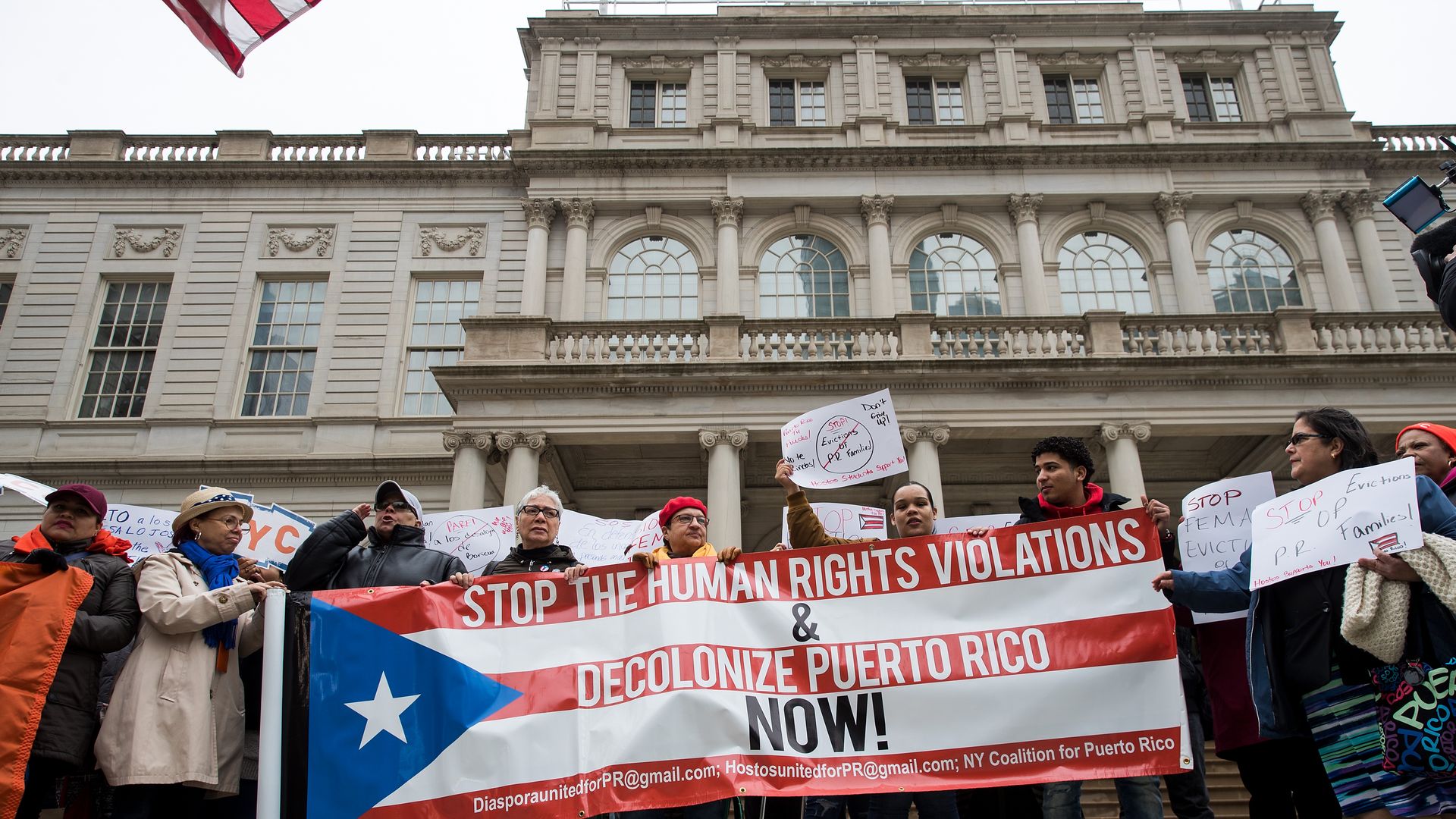
The cancellation of Roseanne Barr's ABC show as a result of a racist tweet was covered far more than a Harvard study revealing that as many as 5,000 people may have died during and in the wake of Hurricane Maria last year in Puerto Rico.
The big picture: Media Matters for America found that news surrounding Roseanne was covered for more than 10 hours while the study surrounding the Hurricane was only covered for 30 minutes.
Investors rejected two non-binding but symbolically important shareholder resolutions related to climate change at Chevron’s annual meeting Wednesday.
Driving the news: One resolution calling for more action cutting methane emissions narrowly failed at 45%. Another, more aggressive proposal calling for the oil giant to propose ways to lessen its production of fossil fuels received just 8%, according to As You Sow, a nonprofit group that filed the resolutions on behalf of some Chevron investors.
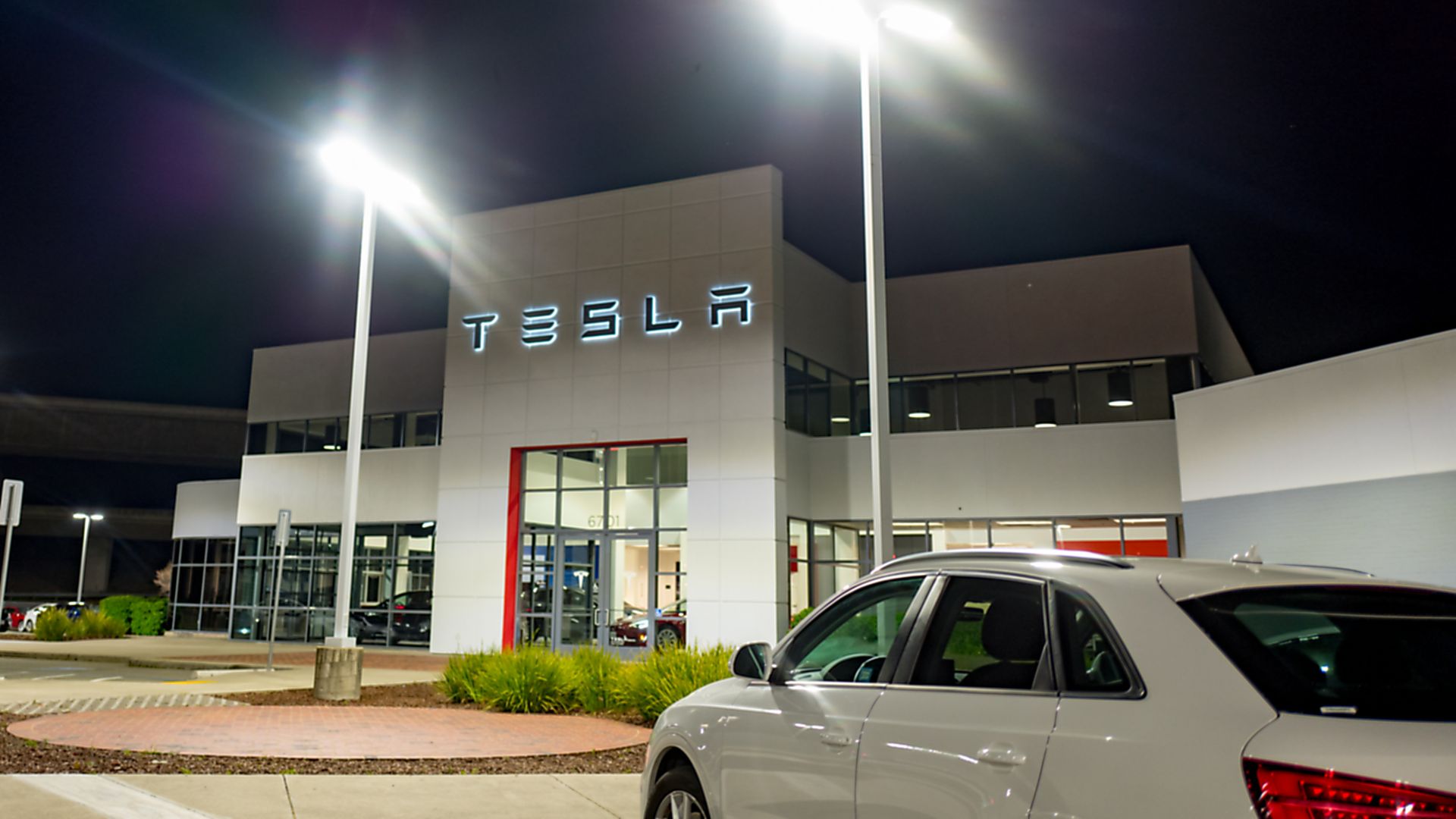
Tesla improved the software for its Model 3's antilock braking system, according to Consumer Reports, improving the car's braking distance by 19 feet after using an over-the-air update.
Why it matters: This improvement led to the Model 3 getting the magazine's endorsement, after CR refused to give its recommendation last week thanks to the vehicle's long stopping distance. Jake Fisher, director of auto testing at CR, said: "I’ve never seen a car that could improve its track performance with an over-the-air update.”
Worldwide sales of electric vehicles jumped by 54% last year, but current and planned policies won't achieve an international goal of 30% of new vehicle sales by 2030, the International Energy Agency said Wednesday.
Why it matters: Major progress in electrifying the transport sector — not only passenger cars, but also trucks, buses and other transport — will be vital in achieving very steep greenhouse gas emissions cuts in the coming decades.
Chevron faces two votes on non-binding but symbolically important shareholder-pushed resolutions on climate change at the company’s annual meeting today.
Why they matter: The votes are the latest in a string of climate-related resolutions being pushed at publicly traded energy companies over the past couple of years, which occur for most firms during their springtime annual meetings in a process called “shareholder democracy.”