Officials still don't have an agreed upon number of storm-related casualties from Hurricane Maria, which slammed the island of Puerto Rico on Sept. 20, 2017, causing massive destruction to the island's infrastructure and knocking out the entire power grid.
Why it matters: Now a new study, published in the New England Journal of Medicine on Monday, finds a far higher estimate for the actual death toll, 4,645, than the official estimate of just 64.
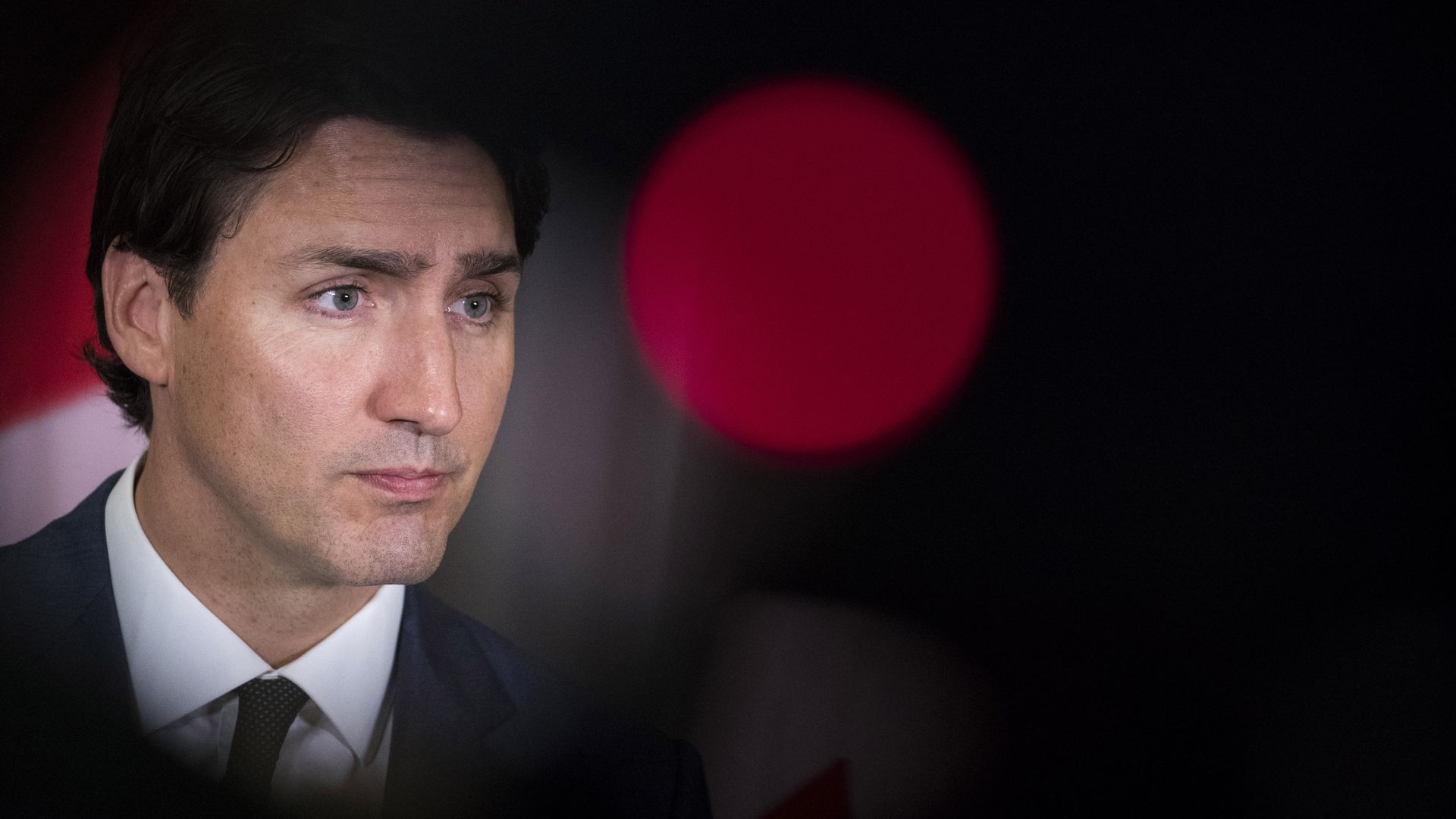
Canada is buying Kinder Morgan's controversial Trans Mountain oil pipeline for $3.5 billion to ensure an expansion project for the pipeline moves forward with plans to resell it to a new owner when "appropriate," reports Bloomberg.
Why it matters, per Axios' Ben Geman: The project will expand oil shipments from Alberta to Canada's west coast, giving access to growing Asian markets. The report signals the challenge the Canadian government is facing as it seeks market access for massive, but expensive to extract, resources from land-locked oil sands projects in Alberta.
Hotter temperatures cut academic achievement by inhibiting cognitive skill development, but more air conditioning in schools can mitigate those harms, new research on U.S. students shows.
Why it matters: The findings on how heat lowers the "productivity of instructional time" provides new data points on the effect of higher temperatures on human welfare and performance. (The National Bureau of Economic Research circulated the paper on Monday, and it can be downloaded here.) It concludes that air conditioning's economic benefits far outweigh installation and operation costs.
Psychology suggests you probably want to blame someone for how much it’s costing you to drive this summer.
Driving the news: At an average of almost $3 a gallon, pump prices are 60 cents more than last Memorial Day and the highest in four years. Economists agree thatno person or action can single-handedly affect pump prices over time, which are largely driven by a global oil market. That doesn’t mean we can’t indulge in the human condition of blame.
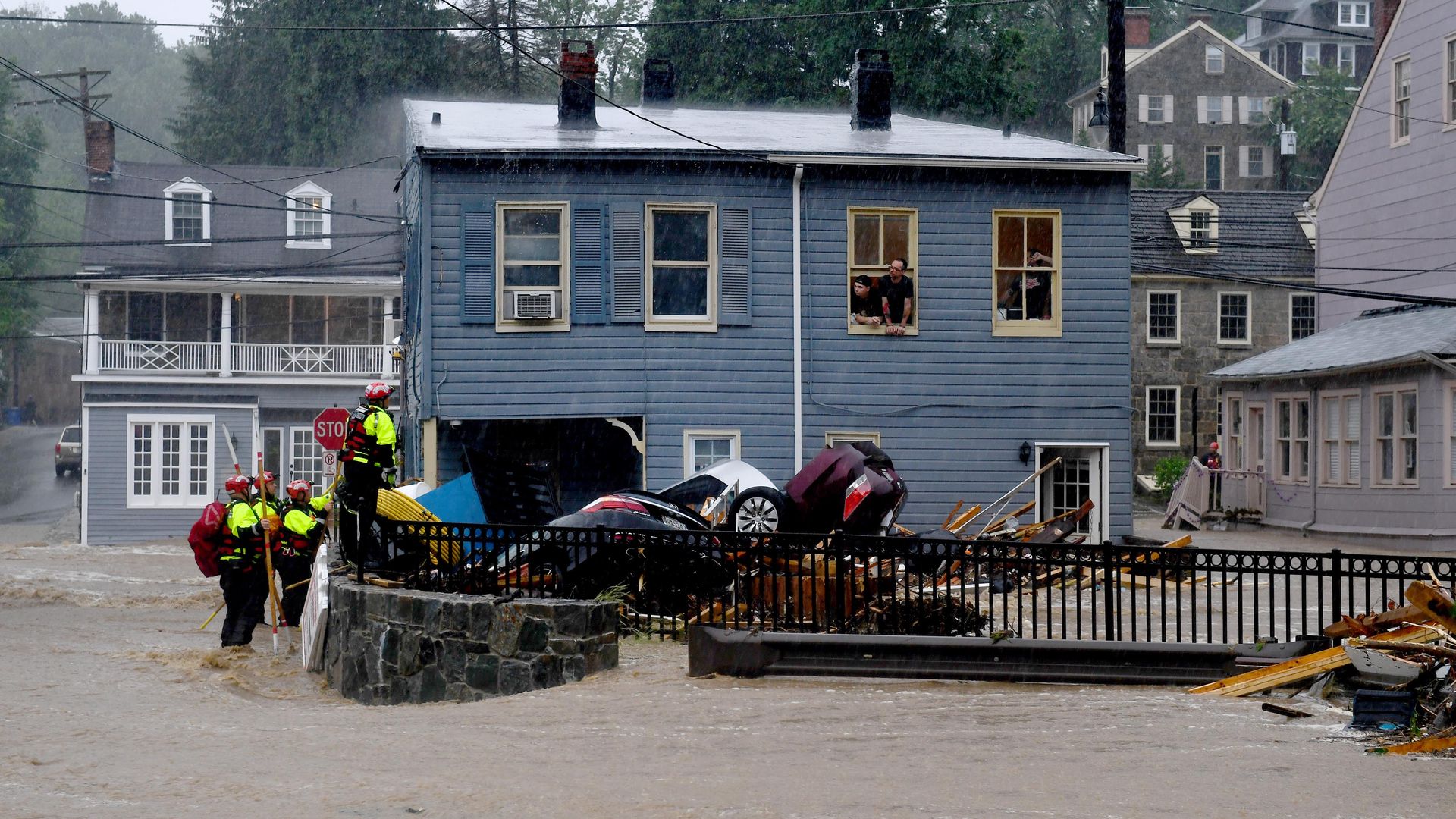
Flash flooding from a massive rainstorm rushed through Main Street on Sunday in Ellicott City, Md., which was severely ravaged by flood waters just two years ago.
Why it matters: Sunday's and 2016 flooding likely rank as greater than 1-in-1,000 year rainstorms, which means than in any given year there's just a 0.1 percent chance of them occurring, Axios science editor Andrew Freedman explains. By adding more moisture to the air available for storms, climate change is leading to a well-documented uptick in heavy rain events, particularly in the Northeast. Human development patterns are also elevating flood risk in many areas.