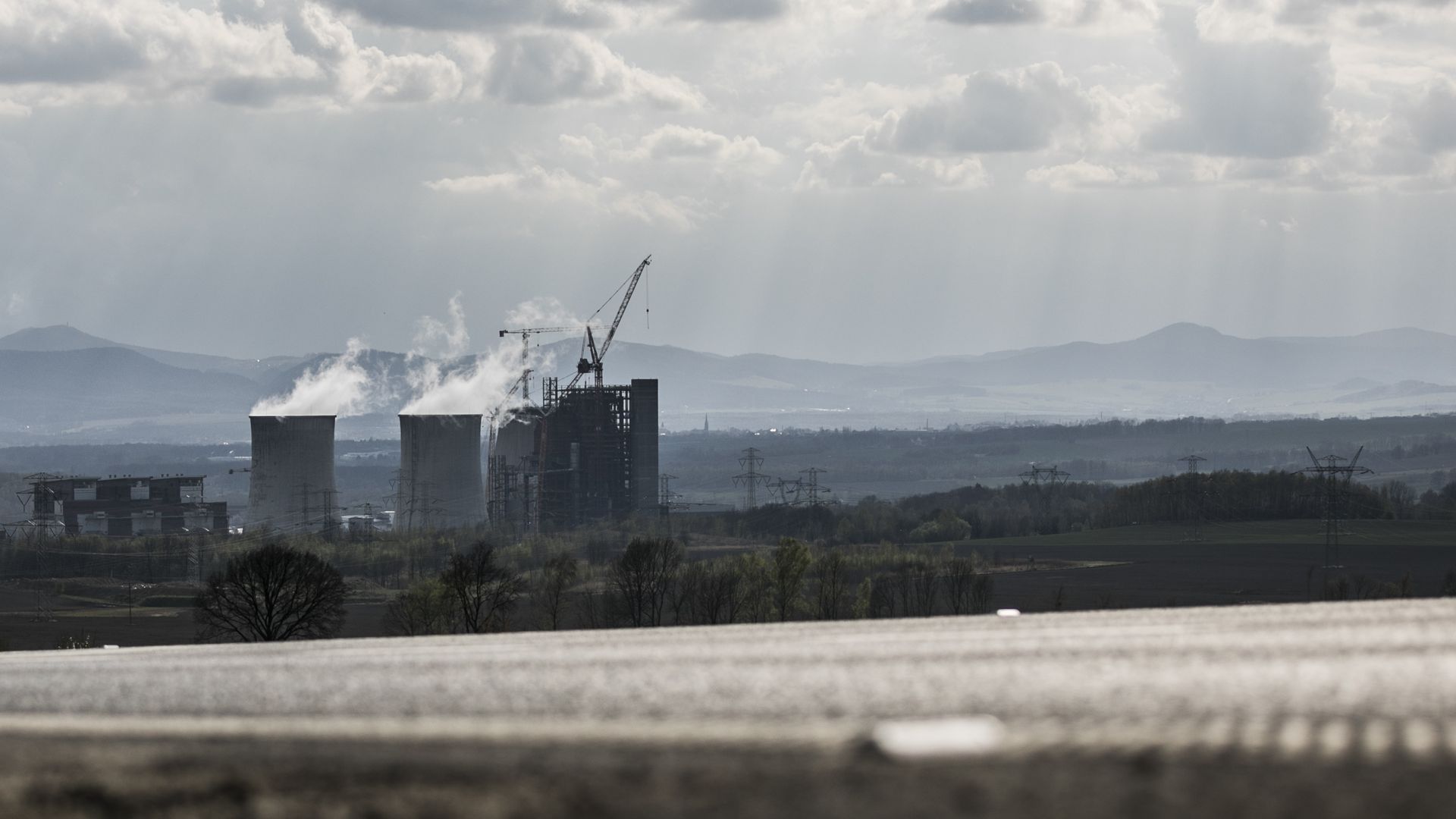
President Trump has asked Energy Secretary Rick Perry "to prepare immediate steps to stop the loss" of energy sources, caused by the closing of coal and nuclear plants, according to a White House statement.
Why it matters: This White House statement indicates the administration is likely to soon take the steps outlined in a memo obtained by Bloomberg toward aiding economically struggling coal-fired and nuclear power plants. Until now, this was more a proposal than an endorsed policy. (Go deeper:Trump's coal and nuclear bailout.)
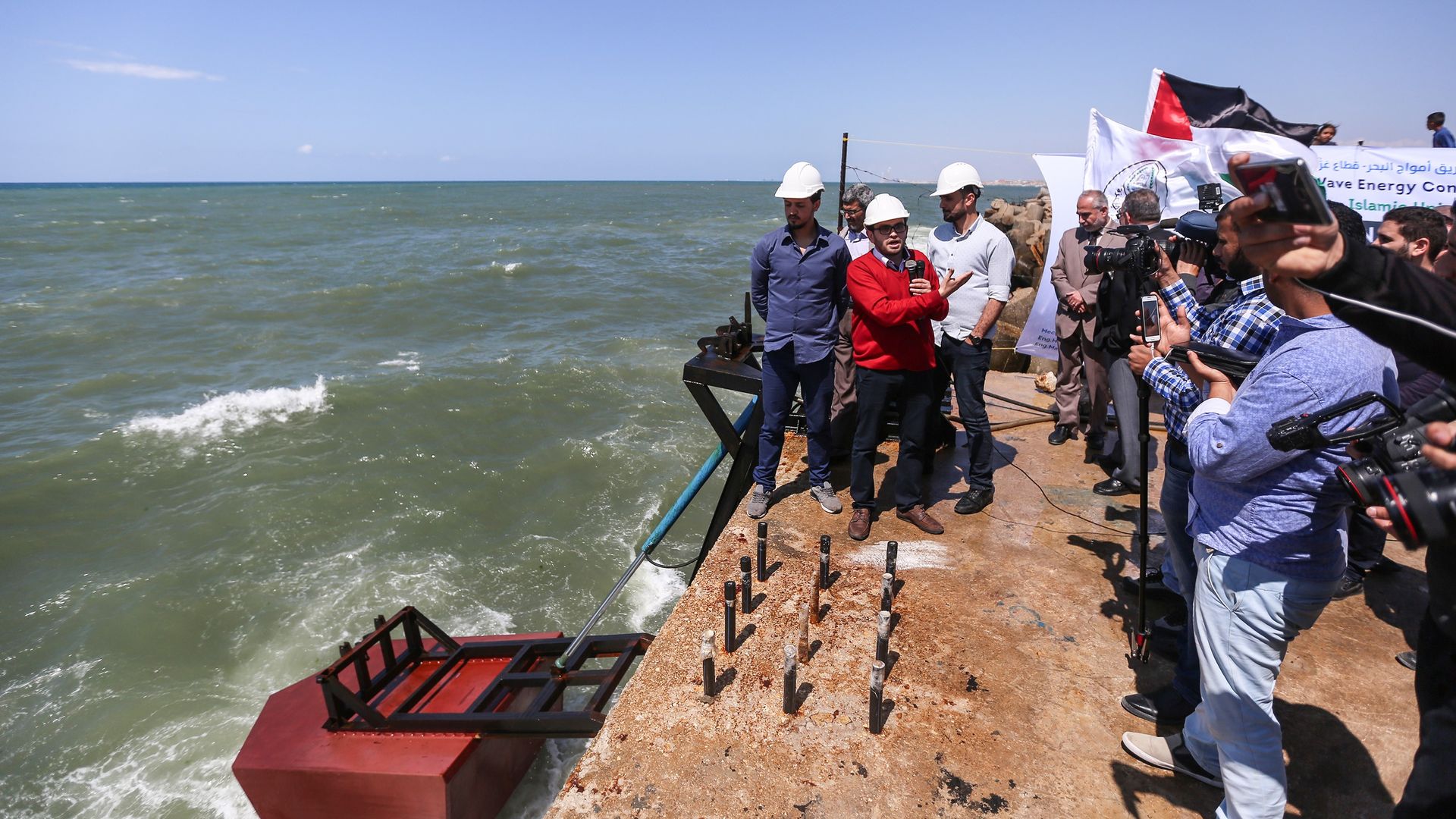
Tidal energy has been slow to develop into a reliable form of grid power, but recent demonstration projects suggest that might be changing. If the technology continues to mature, tidal energy could become a significant renewable power source in many countries.
The problem: Although energy developers have long sought ways to exploit ocean tides to generate electricity, few large-scale projects are actually running in the water. That's because operating in the ocean poses a frustratingly difficult engineering problem: Corrosion, biofouling and extreme wave and current forces all contribute to the slow destruction of devices.
Pope Francis is hosting a gathering next week at the Vatican with executives of major oil producers and investment firms to talk about how the companies can address climate change, according to several people familiar with the event.
Why it matters: It’s one of the most significant developments showing how corporations are working with other world leaders on climate change amid President Trump’s whole-scale retreat on the issue.
Fourteen percent of U.S. adults say they're either "extremely" or "very" likely to go electric with their next car purchase or lease, while a combined 62% said they would probably steer clear, according to a new Axios/SurveyMonkey poll. Another 23 percent said they were "somewhat likely" to get an electric car.
Why it matters: Even though most of the public is still wary of electric cars, the findings actually show that electric car sales have room to grow massively in the U.S. — because even the small percentages of people who say they're interested suggest a market far bigger than the people who buy electric vehicles now.
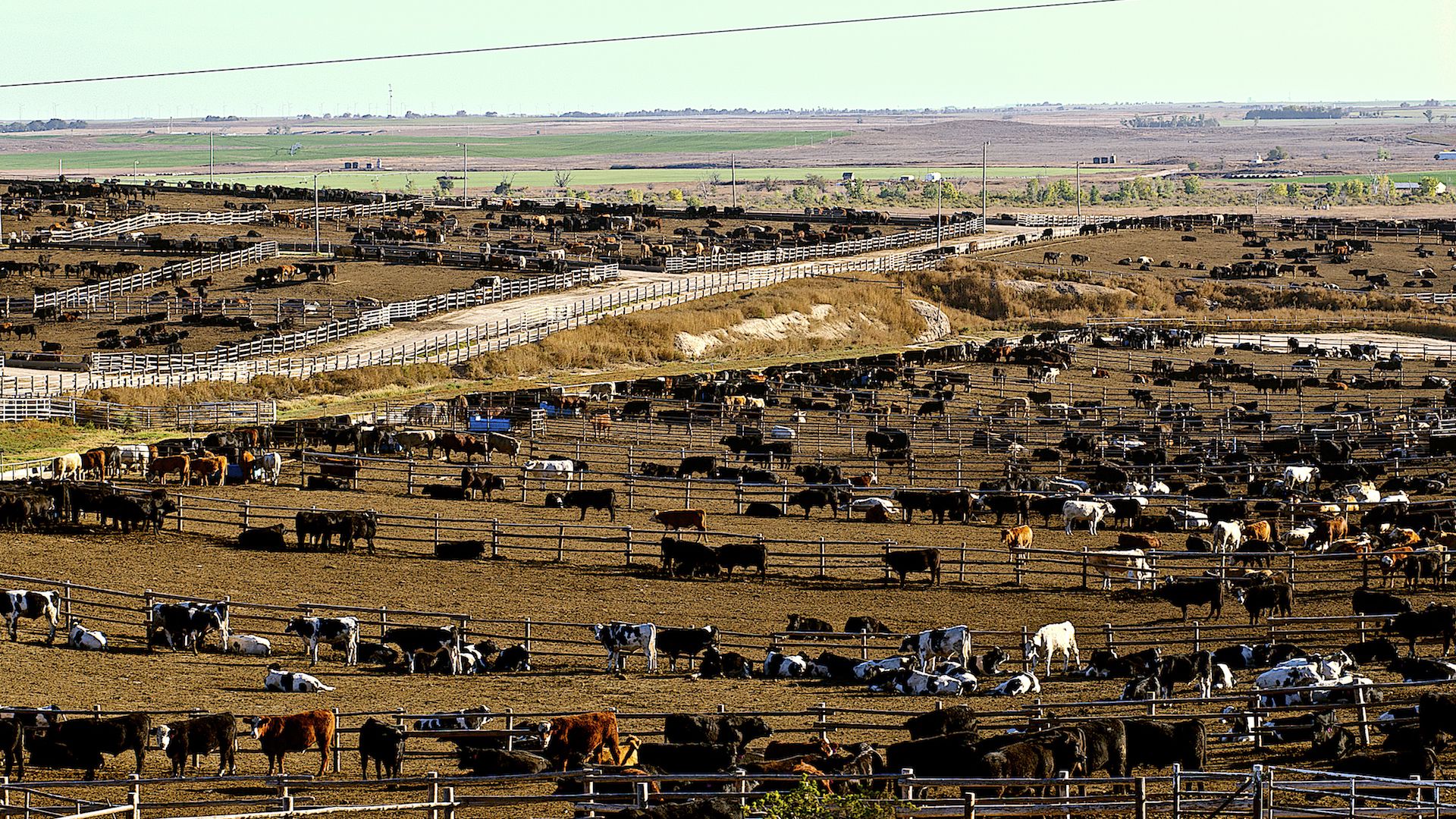
Producing food for the world's 7.6 billion people creates about 13.7 billion tons of carbon dioxide equivalent emissions per year, plus other major environmental effects. A new study published in Science attempts to take stock of the global food system's environmental footprint, and proposes how to reduce it.
Between the lines: The study makes the point that greater gains can be made by altering human dietary habits than by changing food production practices. If people were to switch to plant-based diets, we would reduce food's emissions by up to 70% and slash the amount of land devoted to agricultural use by about three-quarters.
"This says something new — it will always be better to consume vegetable proteins/milks, rather than trying to purchase sustainable animal products"
— study co-author Joseph Poore of the University of Oxford
At least 404 terrestrial volcanoes have erupted since 1883 — the year of Krakatoa's historic eruption. Nearly 200 of these eruptions have occurred since the year 2000. These eruptions have varied in size and effects. Some are downright cataclysmic, like the 1980 eruption of Mount St. Helens in Washington, while other eruptions are much smaller, frequent and localized. Kilauea, the shield volcano now causing destructive lava flows in Hawaii, has erupted 95 times since 1883.
An interesting analysis over at The Conversation shows that a number of GOP mayors are taking steps to make their cities less carbon-intensive, but shy away from overt advocacy.
Why it matters: The post suggests that local steps on global warming may have a more bipartisan foundation — if you look for it — compared to where climate policy stands at the federal level.
Several new or recent reports highlight the damage from massive global plastics consumption and the challenge of tackling the problem. The chart above shows a stunning statistic highlighted in a recent report: Global plastics production grew to over 400 million tons in 2015.
Why it matters: Plastic bags, bottles and many other wastes are causing widespread harm to marine and coastal ecosystems — and as the Organization for Economic Co-operation and Development report reminded us, the problem is getting worse.