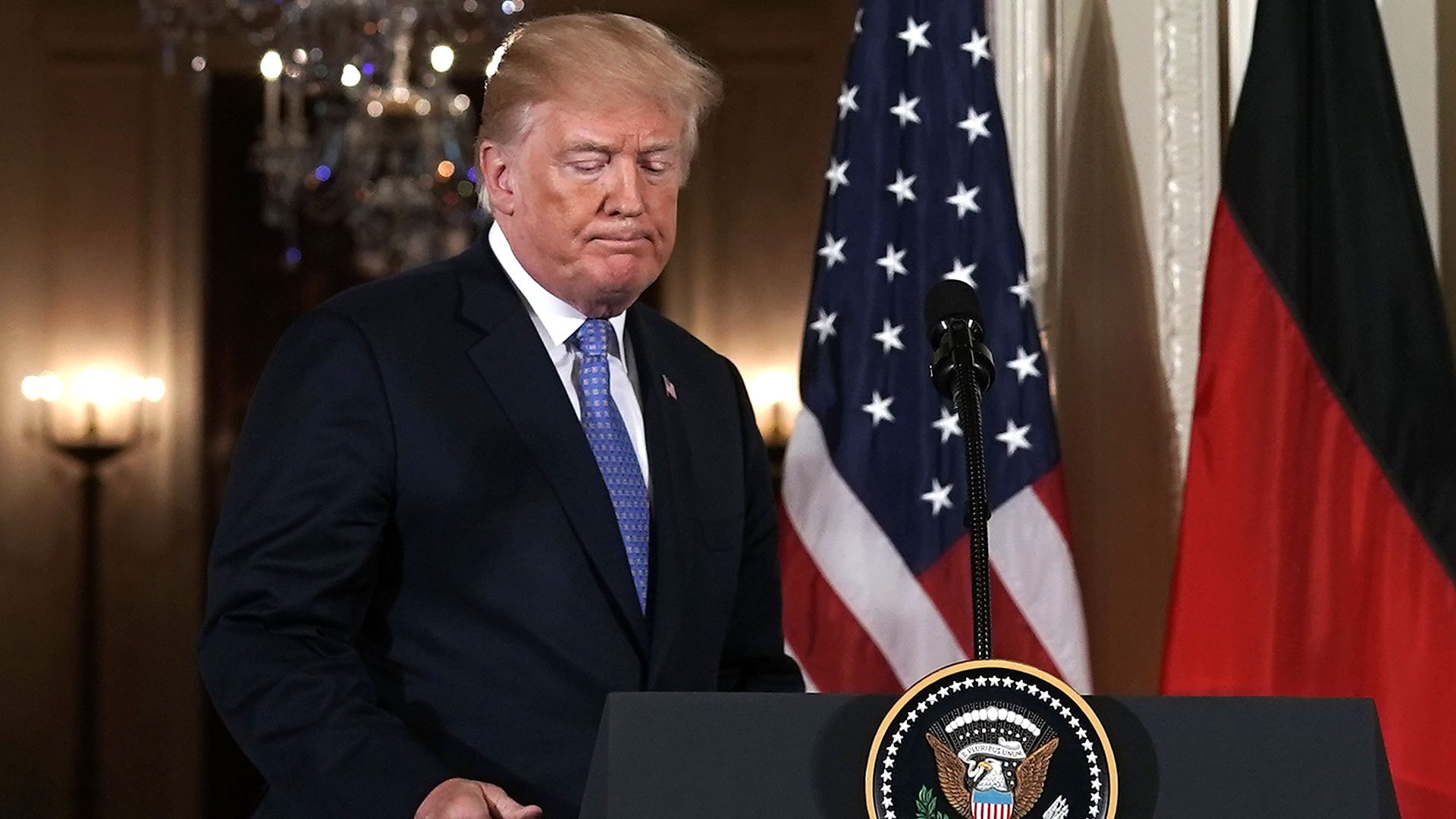
The Trump administration revealed new offshore drilling requirements it's pushing for on Friday, Bloomberg reports, which would relax some rules put in place after the Deepwater Horizon accident, but reject other changes requested by oil companies.
The details: Environmentalists disagreed with the changes, per Bloomberg, arguing that they "could jeopardize safety improvements." But director of the Bureau of Safety and Environmental Enforcement, Scott Angelle, told Bloomberg: "People were concerned we'd take a sledgehammer to it. Absolutely not. This is a very delicate scalpel to the process."
Exxon Mobil Corp. this morning reported $4.65 billion in first-quarter profits, an increase of 16% from the same period last year.
Why it matters: The U.S.-based multinational behemoth is the latest major oil-and-gas producer to report higher profits this week on the strength of the oil price recovery.
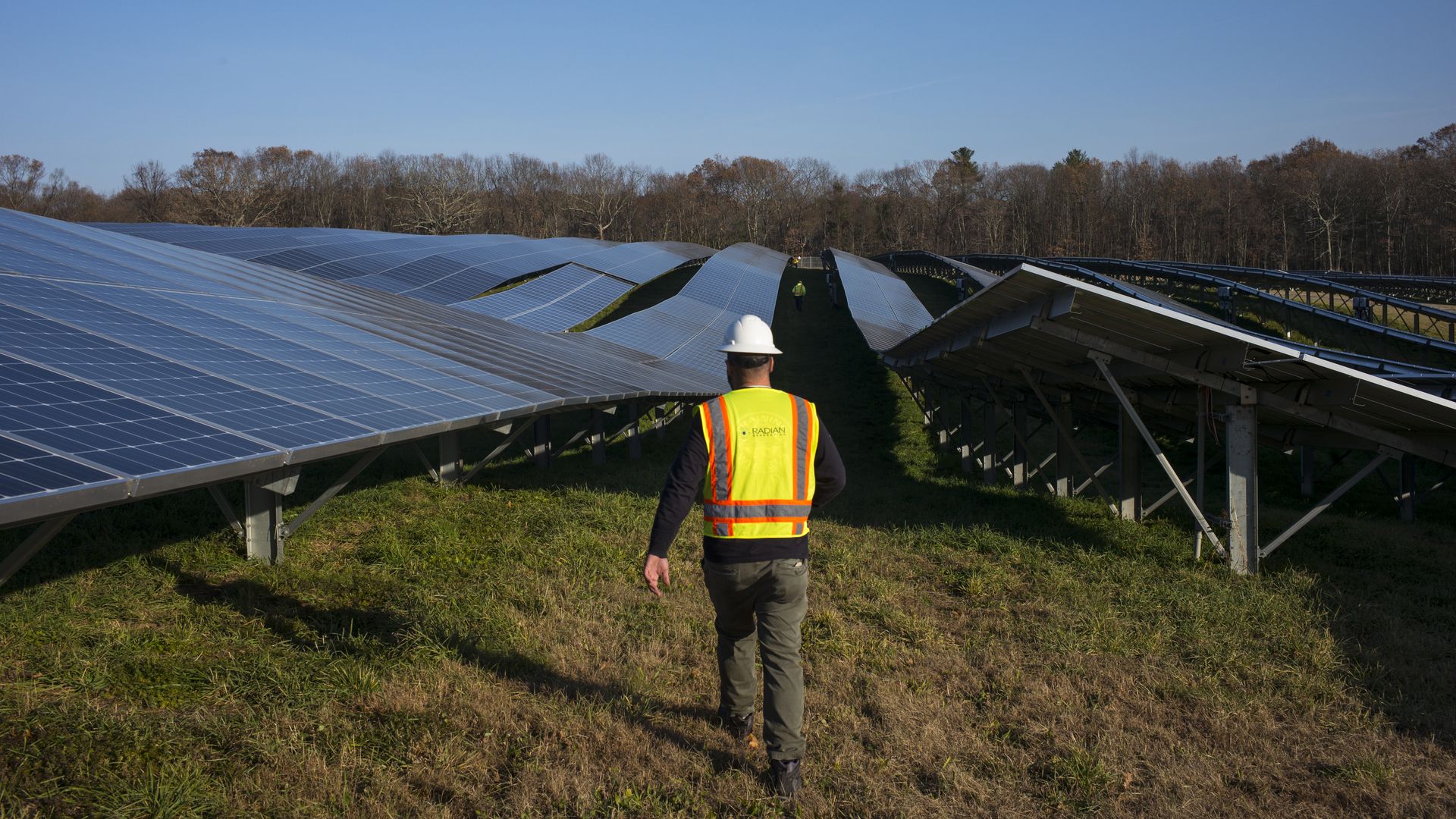
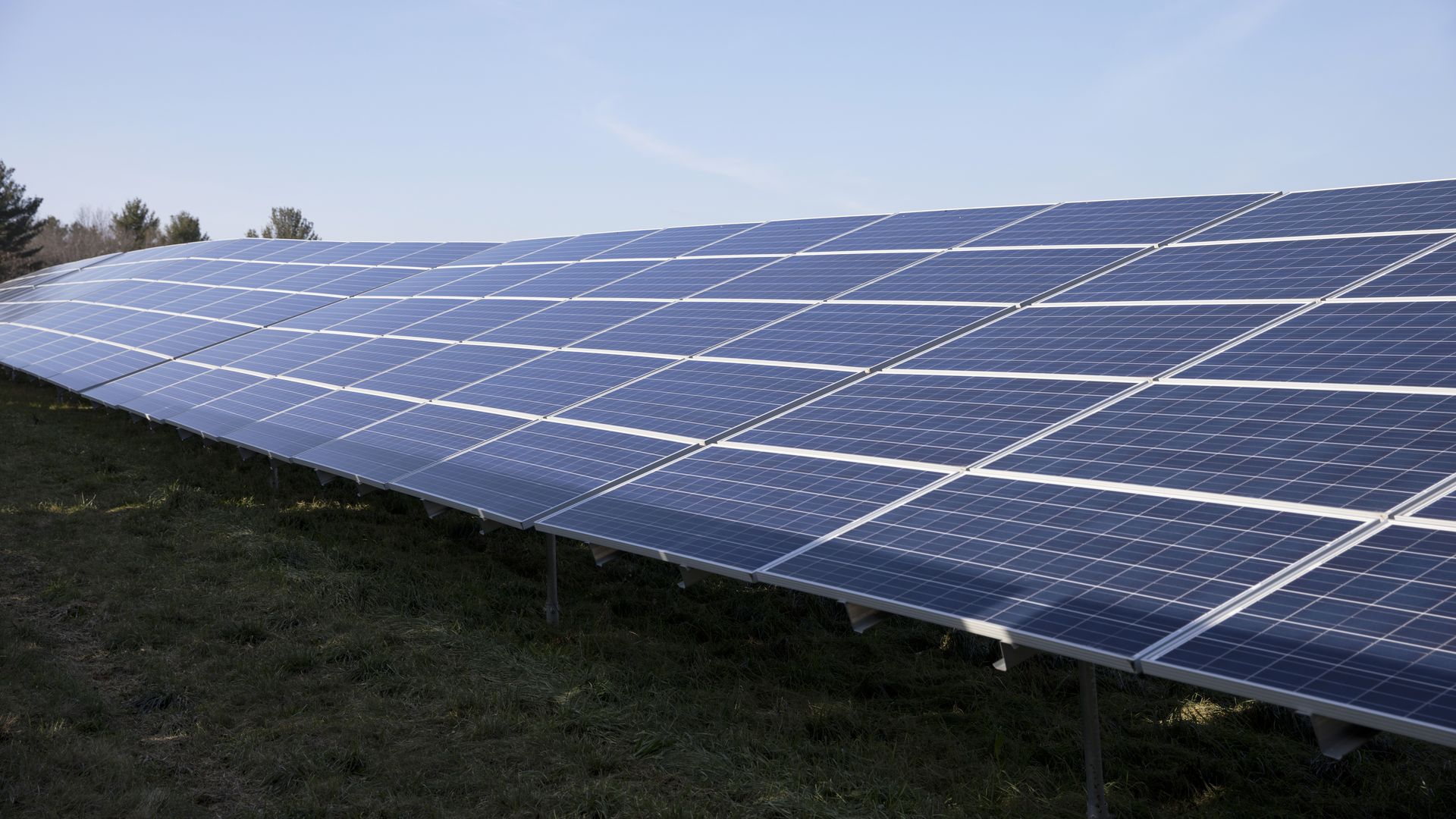
A big question swirling around the news that First Solar is expanding its U.S. manufacturing is how much — if anything — the recent White House import tariffs on solar panel equipment influenced the move.
What they're saying: CEO Mark Widmar said on the company's first quarter earnings call that the move will "further solidify our position as the largest U.S. solar module manufacturer," adding that production will be fully ramped up by the end of 2020 and it will create 500 jobs.
Danish company Ørsted, whose North American President Thomas Brostrøm spoke at The Atlantic Council Thursday, is among numerous firms bidding for government-administered wind leases offshore America’s mid-Atlantic coastlines.
Why it matters: Offshore wind is a rare renewable energy the Trump administration is actively supporting. There’s currently only one offshore wind farm in the U.S., off Rhode Island.
First Solar announced Thursday it plans to build a new solar module manufacturing plant close to its flagship plant in Perrysburg, Ohio, as a result of solar energy demand and the tax overhaul President Trump signed into law last year.
Timing: This comes as the competition in the global solar industry continues to brew. The company said it’s expected to create 500 new jobs, and that construction will begin sometime this year and production to kickoff in late 2019.
A time-lapse satellite view of deforestation in Brazil from 1984 to 2016. Images via EarthTime.
As seen in the graphic above, based on EarthTime's deforestation data and story, Brazil's Rondônia state changed drastically over a 30-year period. It started as pristine forest in 1984, then came a single road the following year that exploded into a town of 20,000 people with tens of thousands of square kilometers of forest cut for crops and cattle.
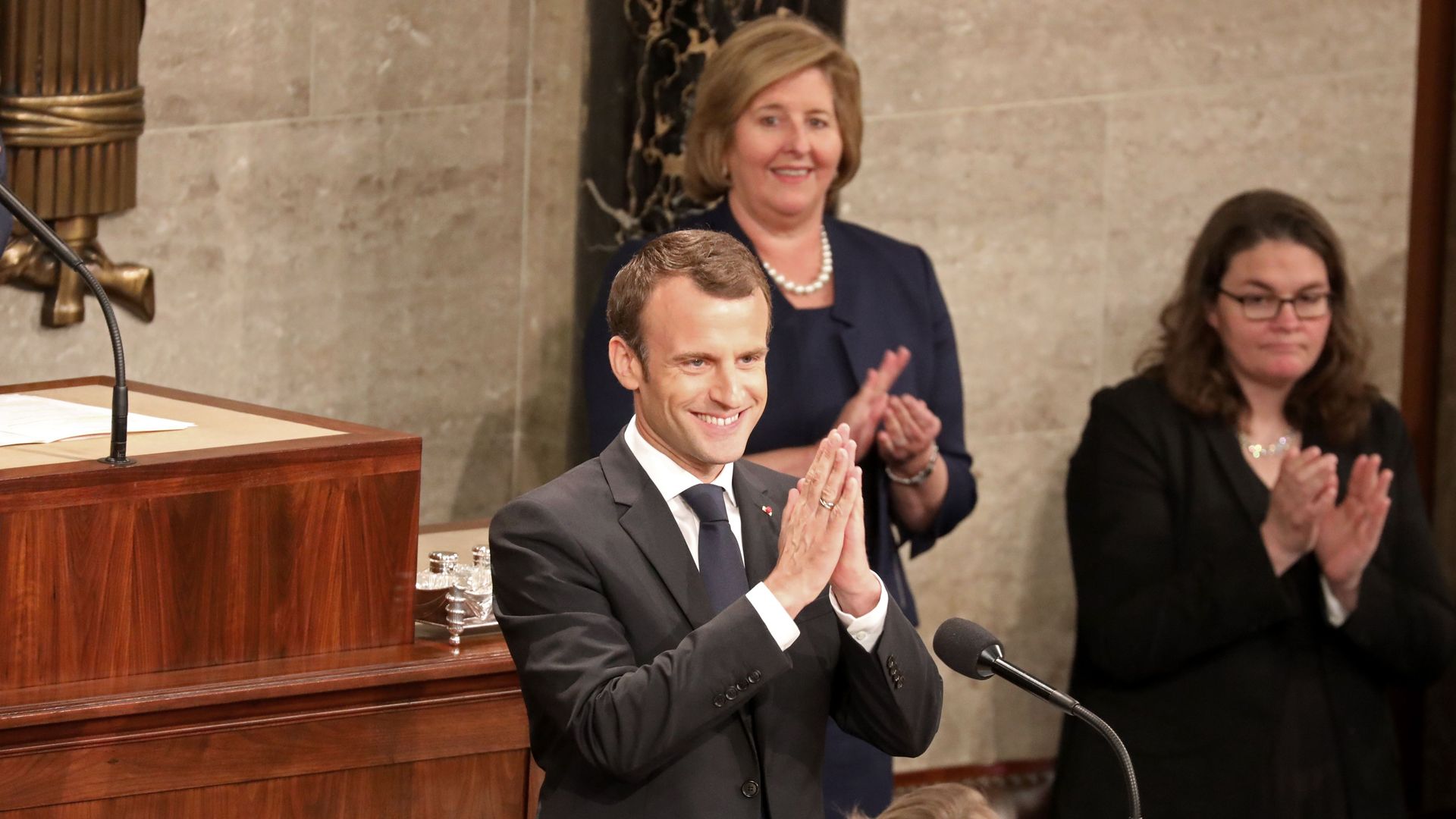
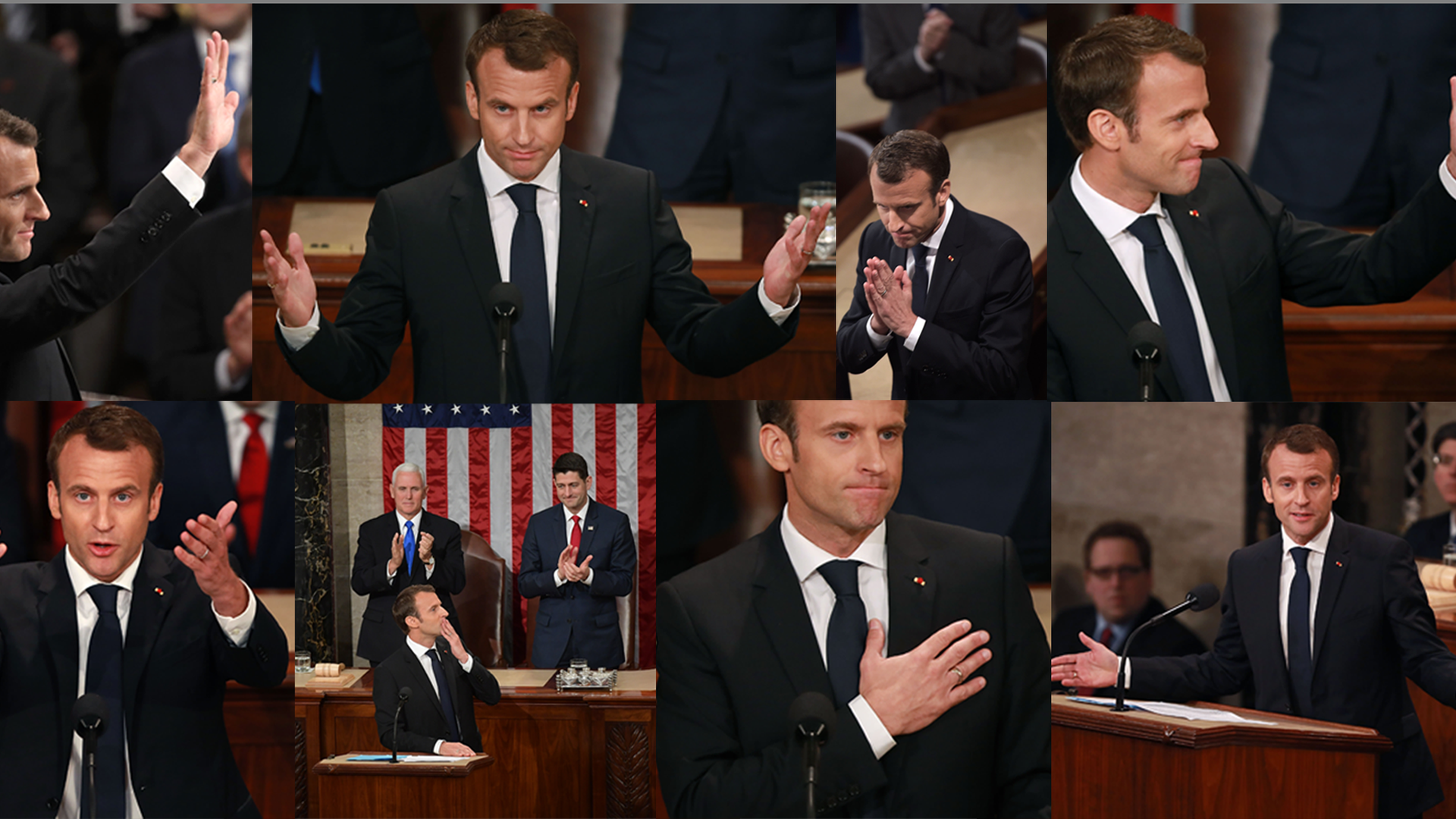
In one of the more emotional passages of his speech to Congress on Wednesday, French President Emmanuel Macron testified to the critical, existential nature of climate change, calling on President Trump to face the challenge with U.S. allies.
Why it matters: Since Trump announced in June 2017 his intention to eventually withdraw from, or renegotiate, the Paris Agreement, the issue of climate change has offered Macron a way to raise his profile as an international player. Although disappointed by Trump’s position, he has also paradoxically been one of its largest political beneficiaries, assuming for France the climate leadership role that the U.S. has vacated.
French President Emmanuel Macron said at a remarkably candid postgame for a small group of reporters last evening that his State Visit left him convinced President Trump will withdraw from the nuclear deal with Iran, and that the U.S. president wants to create "a series of new Trump's deals."
His big takeaway: "[Y]our president is a dealmaker. You always have to understand the rationale of your counterpoint. He's a dealmaker. So he wants to find a deal and he wants to find a deal under his condition."
Oil and gas giants Shell and Total, two of the world's largest energy companies, both reported a big jump in first quarter profits on Thursday.
Why it matters: The earnings show the fruits of the oil price recovery in recent months — with prices now around their highest levels in over three years thanks to lower global stockpiles, geopolitical tensions and other forces.