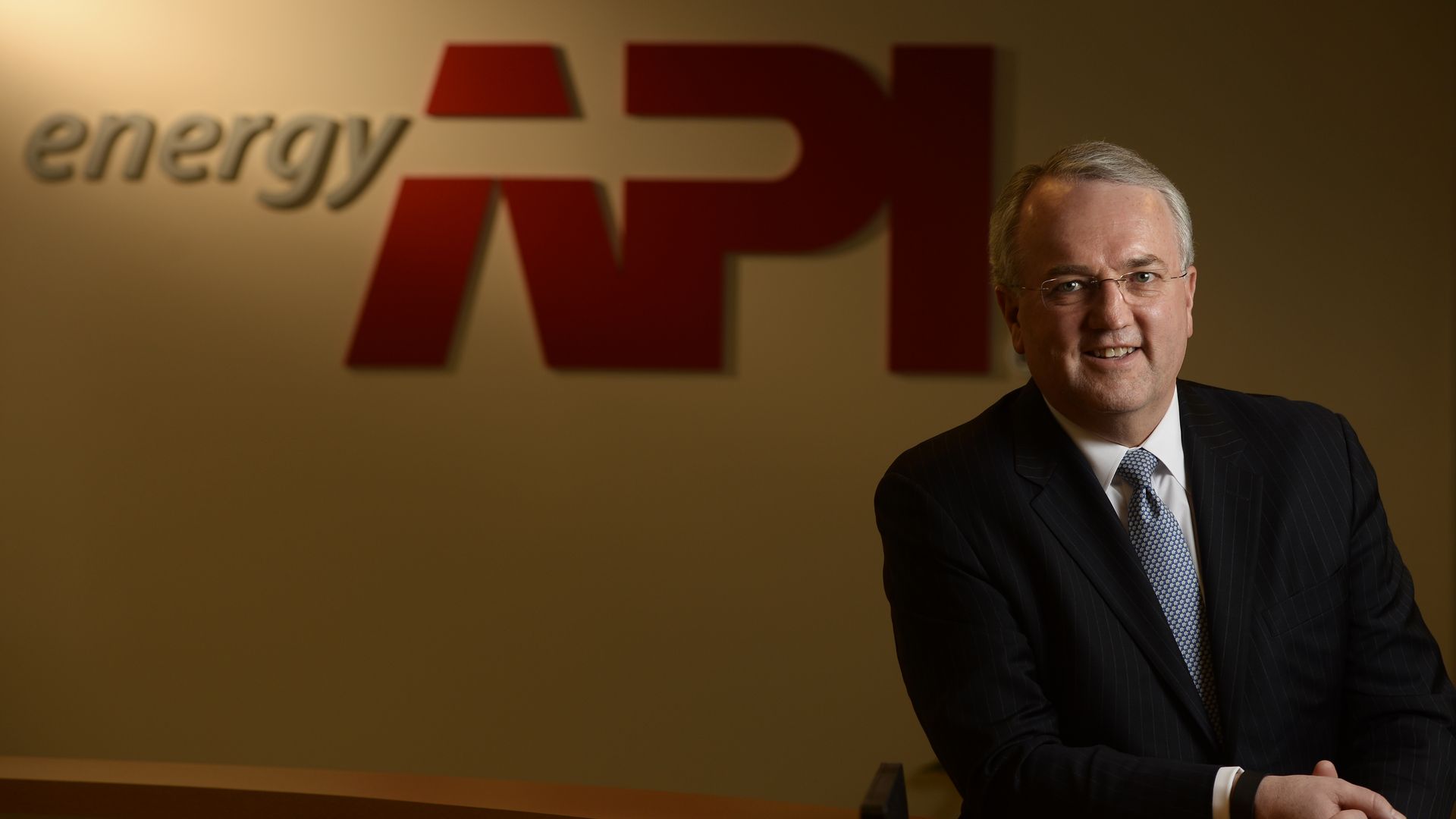
Jack Gerard, who has served as president and CEO of the American Petroleum Institute for the last decade, announced today he’s stepping down later this year.
Why it matters: Gerard, 60, has been a fixture in Washington’s influence scene for decades. Before leading API, he led trade associations representing mining and chemical companies. At API, he’s pushed the agenda of one of the deepest pocketed industries during a particular tumultuous time for the sector: the oil and natural gas boom, BP oil spill and the onset of climate-change policies.
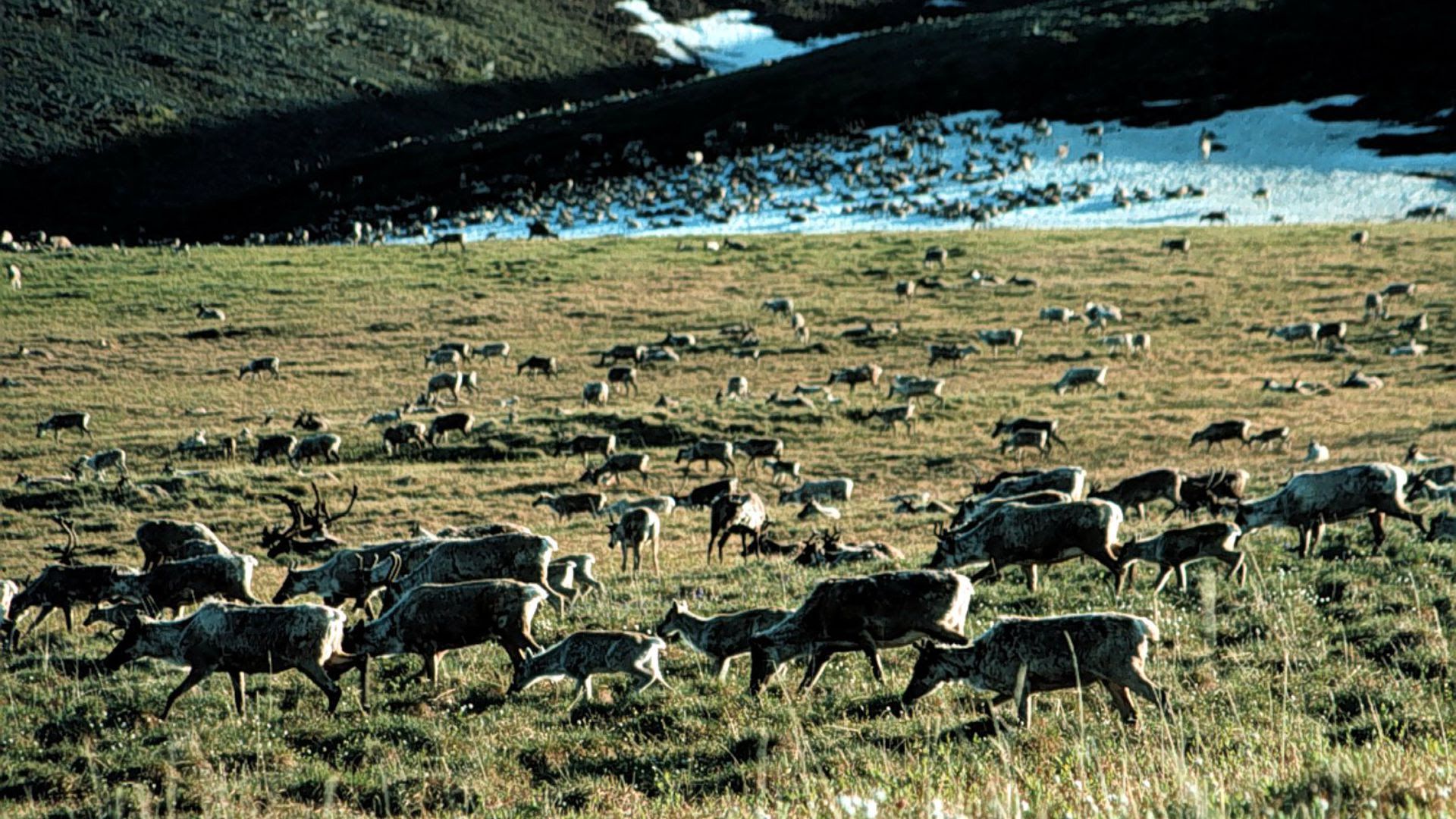
Fatih Birol, head of the International Energy Agency, doesn't expect to see much oil flowing from the Arctic National Wildlife Refuge for more than a decade.
On the record: The IEA chief told the Senate Energy and Natural Resources Committee Tuesday that modest prices and the bountiful shale opportunities will temper industry interest despite the region's proximity to the Trans-Alaska Pipeline and potentially huge hydrocarbon resources.
BP CEO Bob Dudley is bullish on a lasting cooperation between Russia and OPEC, a position he told Axios in an exclusive interview goes against conventional wisdom.
Why it matters: Dudley has extensive experience working in Russia and with Russian companies. BP has an almost 20% stake in Rosneft, the Russian state-owned oil company whose CEO, Igor Sechin, is among the individuals the U.S. government has sanctioned.
Last week’s Consumer Electronics Show in Las Vegas promised a glittery future of autonomous vehicles and self-delivering pizzas — punctuated by GM’s plan to mass produce a car without pedals or a steering wheel by 2019. But this week’s North American International Auto Show in Detroit is showcasing an automotive reality that’s much more business as usual.
Why it matters: While it’s great to think big, the market takes a long time to adapt to manufacturers’ moonshots. Electric vehicles — theoretically, an easy concept to get consumers on board with — comprise only about 1% of the U.S. market, per FleetCarma. That’s largely a result of the perceived inconvenience surrounding battery technology, and fully autonomous vehicles will be a much tougher nut to crack in terms of both the adoption of the underlying tech and government regulation.
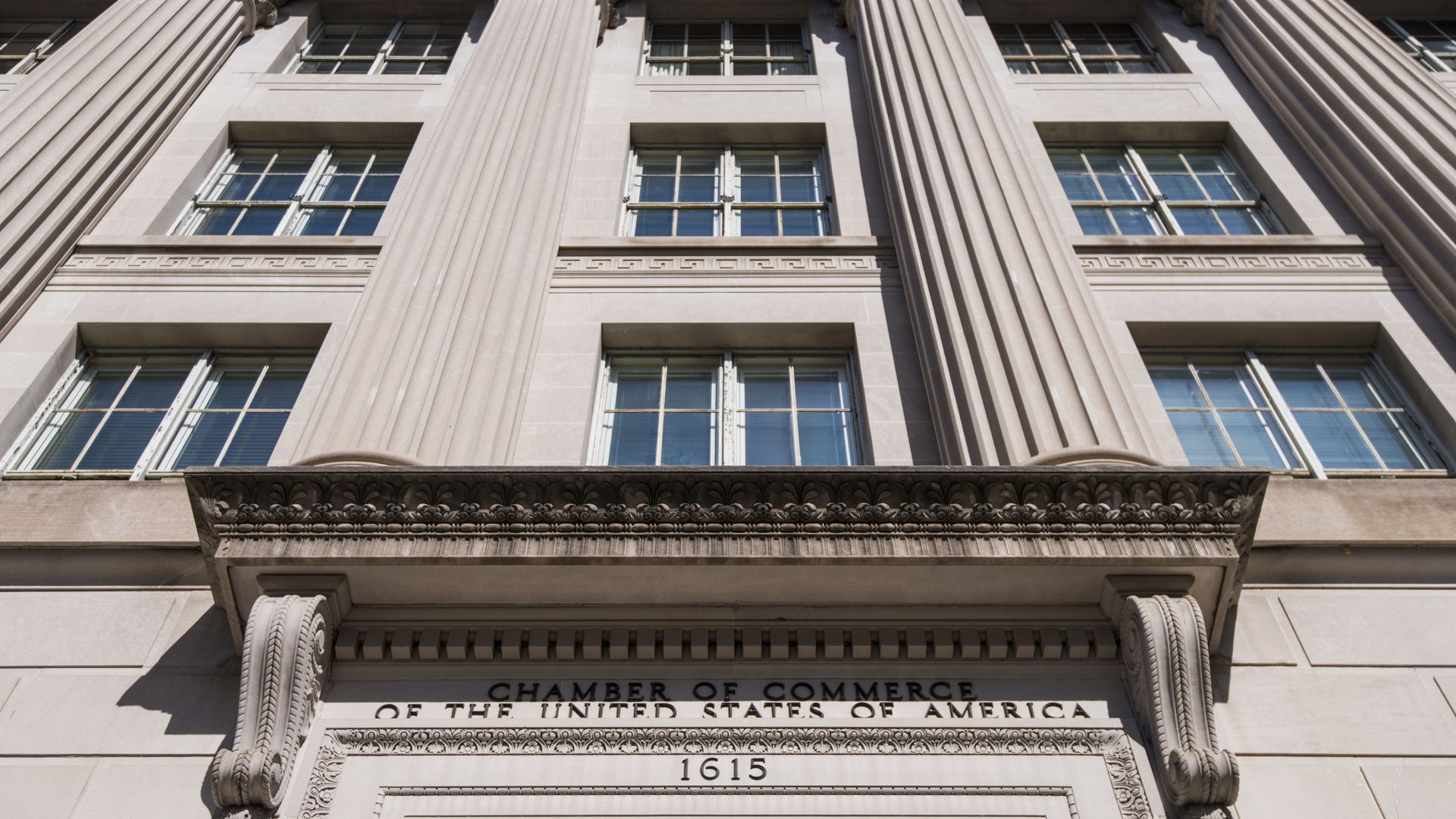
The U.S. Chamber of Commerce is lobbying President Trump and Congress to raise the federal gas tax by 25 cents to help fund an infrastructure bill, reports the Washington Post. It plans to unveil the proposal later this week along with several other infrastructure measures.
Why it matters: The tax currently lies at 18.4 cents per gallon for gasoline and 24.4 cents per gallon for diesel fuel, and hasn't been raised since 1993. An increase of 25 cents would yield more than $375 billion over the next decade, the CoC claims.
As the Special Counsel's Russia probe intensifies — narrowing in on 13 categories and charging individuals like Paul Manafort and Michael Flynn — there are still several ongoing congressional investigations into Trump's associates and Russia's influence in the 2016 election. Steve Bannon testified Tuesday before the House Intelligence Committee, and was subpoenaed last week by Robert Mueller to testify before a grand jury, per the NYT.
Why it matters: Bannon's testimony is highly anticipated after Michael Wolff's "Fire and Fury" was released, in which Bannon was quoted as describing Donald Trump Jr.'s 2016 meeting with a Russian lawyer "treasonous."
2018 is starting off in a stumble for President Trump’s energy agenda.
Just last week, his Interior secretary triggered bipartisan backlash after a one-off tweet saying he was going to remove Florida from the administration’s offshore oil and gas leasing plan. Separately, an independent federal agency rejected the Energy Department’s plan to help boost economically ailing coal and nuclear plants.
The big picture: Over the past year, Trump’s energy policies have been a relatively reliable source of party and industry unity amid an otherwise divisive agenda on everything from trade to foreign policy. This last week revealed signs of discord here, setting up a rocky beginning to a jam-packed year of energy policy moves.