Although China is increasing its solar energy supply, air pollution is blocking sunlight and reducing energy output in China, according to a study published today in the Proceedings of the National Academy of Sciences. The study is the first to calculate how much aerosols in the atmosphere are reducing China's solar energy generating efficiency.
Why it matters: China has set a goal of meeting 10% of the country's electricity needs with solar by 2030, and this shows a potentially intractable obstacle to meeting that milestone. On the flip side, it could encourage countries with emerging solar power to cut emissions or refocus solar panel efforts to more sparsely populated or remote areas, where pollution is less severe.
The Environmental Protection Agency has canceled three of its scientists' speaking engagements at the State of the Narragansett Bay and Watershed conference today in Providence, R.I., per the New York Times' Lisa Friedman. The conference coincides with the release of a 400-page report on the health of Narragansett Bay, which features "significant" discussion of how climate change has affected the bay. The agency helps fund the Narragansett Bay Estuary Program and the agency's scientists were involved in the report.
Why it matters: "The move highlights widespread concern that the EPA will silence government scientists from speaking publicly or conducting work on climate change," writes Friedman. Trump-appointed EPA administrator Scott Pruitt has maintained humans are not the main driver of global warming, and has removed most mentions of climate change from the EPA website.
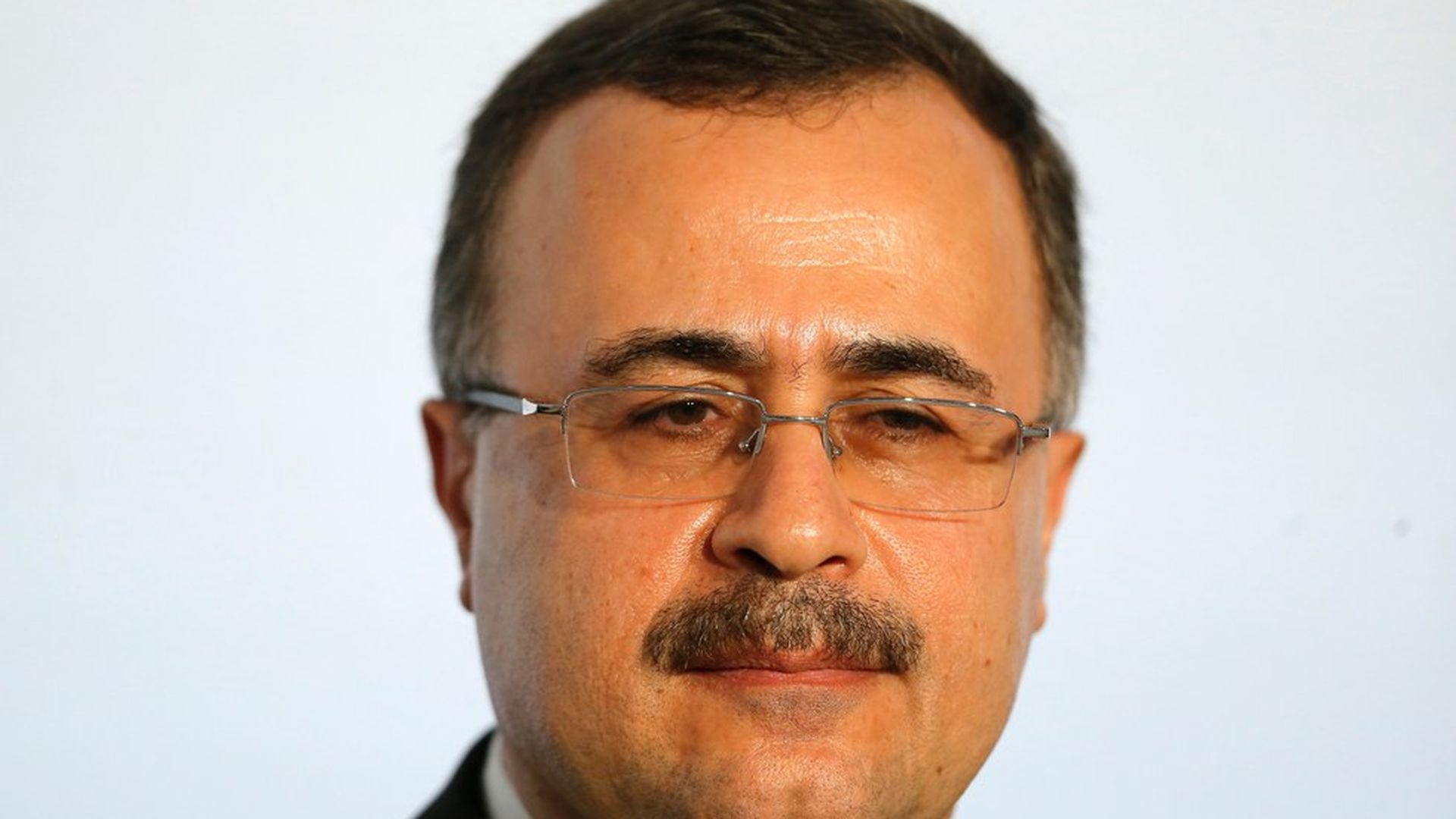
Saudi Aramco's IPO, the world's largest initial public offering, is "on track" for 2018, CEO Amin Nasser says in a CNBC interview. Nasser also denied the oil giant is in talks to sell a stake to China or any other sovereign wealth fund: "Saudi Aramco are not talking, as I said, to the Chinese or others," he said.
Worth noting: "The denial does not exclude the possibility that Saudi's government is having those discussions," writes Axios' Dan Primack.