Friday's energy & climate stories

Trump was the only G7 leader not to endorse Paris deal
On the second-to-last-day of Trump's first foreign trip, he was the only leader of the G7 leaders to not endorse the Paris Agreement to lower carbon emissions as the G7 leaders met in Taormina, Sicily in Italy. The six other leaders confirmed "our commitment and our determination" to the Paris Accord. The U.S. confirmed "a period of reflection" on the deal.
Clarification: Gary Cohn stepped in front of that and said, "I think [Trump]'s leaning to understand the European position. Look as you know from the U.S., there's very strong views on both sides." (Check out Axios' Amy Harder's breakdown on the competing interests.) Cohn added, "His views are evolving, he came here to learn and get smarter…His basis for decision ultimately will be what's best for the United States."

Newest science experiments headed to the space station
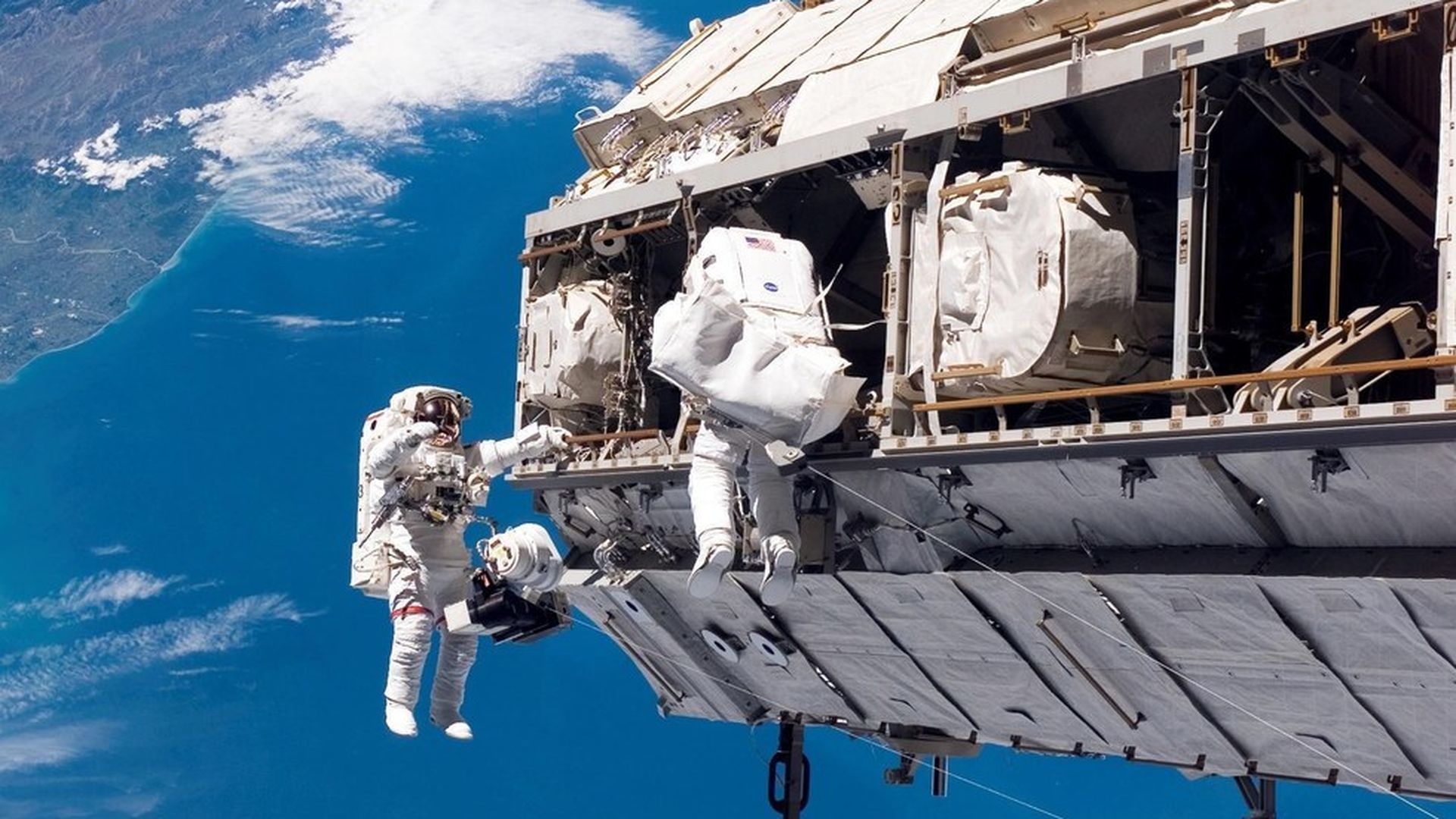
SpaceX will launch its 11th resupply mission to the International Space Station (ISS) next week, but NASA has also stocked some scientific payloads on the trip. They cover a wide range of fields, encompassing everything from key medical research to interplanetary navigation.
The big one: NICER (short for Neutron star Interior Composition Explorer) is an instrument that will be attached to the ISS to help understand the structure and energy of neutron stars — the densest, fastest-spinning, and most magnetic objects in the universe. NICER science lead Zaven Arzoumanian called neutron stars "a giant atomic nucleus" because they're only about 10 miles wide but contain more than double the mass of the Sun.

Battle lines drawn on climate deal
President Trump will soon decide on whether the U.S. will stay in or withdraw from the 2015 global climate deal struck in Paris. Here is where his allies and enemies stand on the issue:
Inside the Trump administration
- Why they matter: They're the decision-makers and before it comes down to Trump, it comes down to them. They're the ones being influenced by all sides by outside interests and by each other within the administration.
- Their limitations: One thing everyone inside the White House can agree on is that the ultimate decision will come down to whatever Trump wants, and we've learned by now his decision-making is unpredictable.
Outside Trump administration
- Why they matter: This group is the most diverse, ranging from interest groups to companies to world leaders. It's likely to prove the most influential group outside the White House because of potential direct impact: Companies whose businesses could be affected by a global climate deal, and the world leaders whose own participation in that deal could wane without U.S. leadership. They'll all be trying to get Trump on the phone.
- Their limitations: They have a lot of other issues grabbing their attention, and most of these interests are rising above a constant drumbeat of the climate deal, whose impacts are far-reaching but not immediate.
Inside Congress
- Why they matter: Congress always matter, to a point anyway, and they can channel the concerns of interest groups and voters.
- Their limitations: They have a lot of issues demanding their attention too, particularly healthcare and tax overhaul efforts. This Congress has generally shown less interest in this issue compared to other policies on Trump's agenda, and the president might find them easy to ignore those he disagrees with.

OPEC will do "whatever is necessary" to raise oil prices
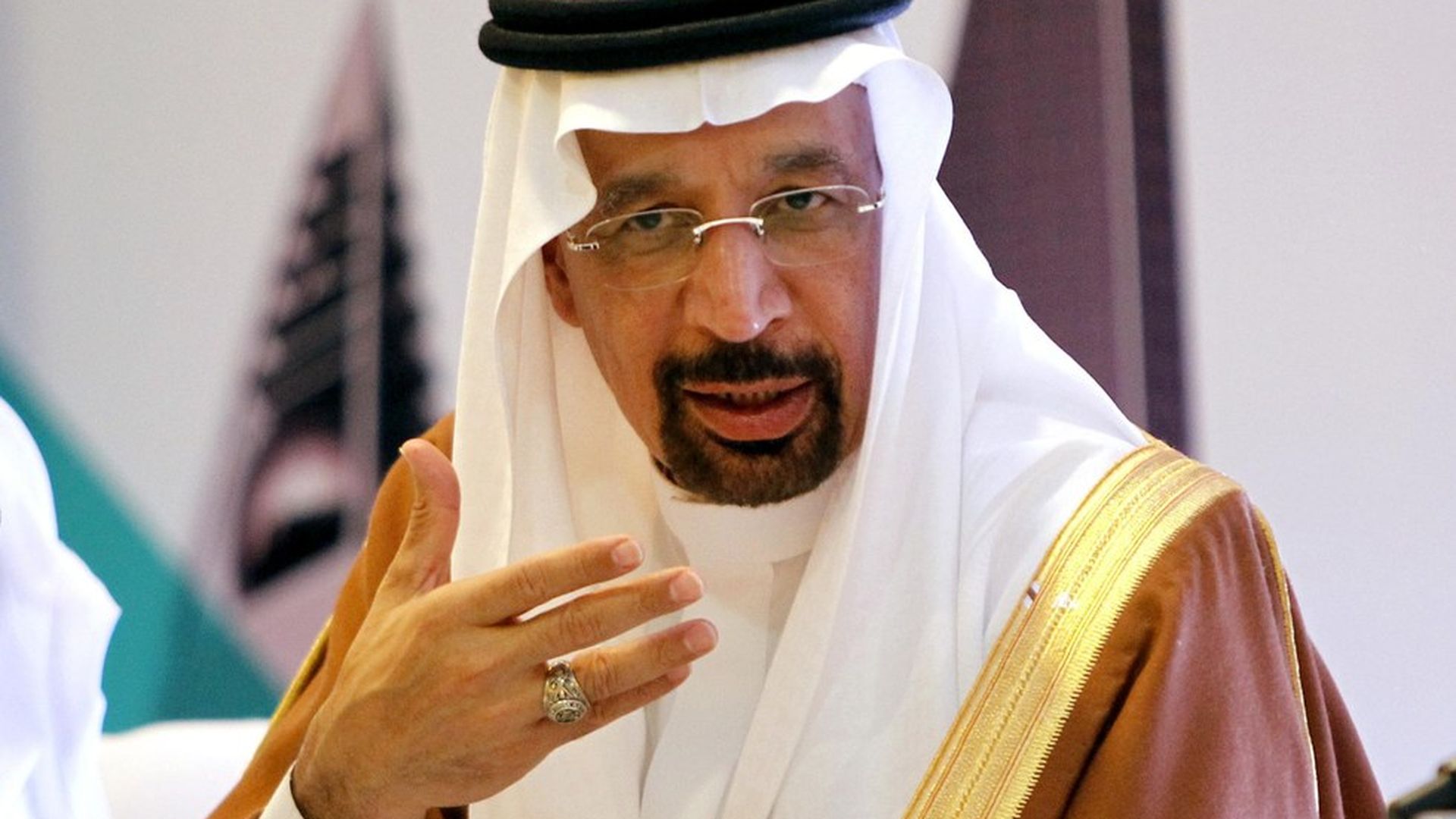
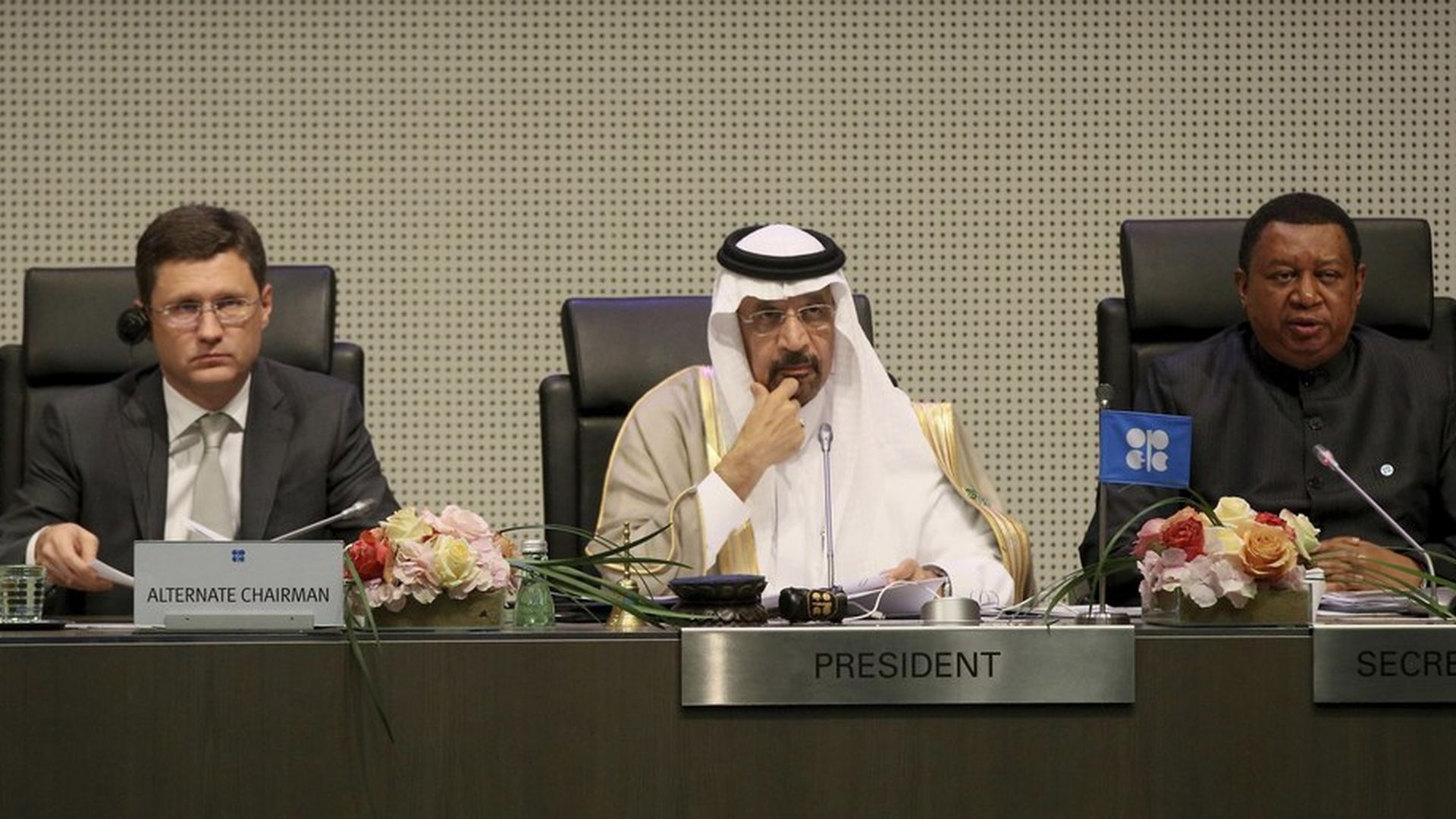
Following a series of meetings between OPEC and non-OPEC countries in Vienna Thursday, Saudi Arabia's energy and oil minister, Khalid Al-Falih announced that all members will do "whatever is necessary to balance the markets," even if that means further extending cuts in oil output past March 2018.
Why March? Earlier today, the group agreed to extend its November deal to cut oil output by nine months. Al-Falih said that although they believe they will hit their desired target by the end of the year, the three-month extension should help with any buildup of stocks.

Report: OPEC will extend oil cuts into 2018
OPEC agreed Thursday to extend its deal to cut oil output by nine months, an OPEC delegate told Reuters, as the organization works to curb excess supply of crude oil that has kept prices low for three years.
Khalid Al-Falih, Saudi Arabia's energy and oil minister, told CNBC before entering the closed-door meeting of 14 countries in Vienna: "Nine months with the same level of production that our member countries have been producing at is a very safe and almost certain option to do the trick."
Why this isn't surprising: Last week, Saudi Arabia and Russia teamed up and announced they backed an extension in cuts to production. Their support for a deal encouraged other countries to rally behind them, and yesterday the Joint Ministerial Monitoring Committee announced that OPEC was close to a deal.