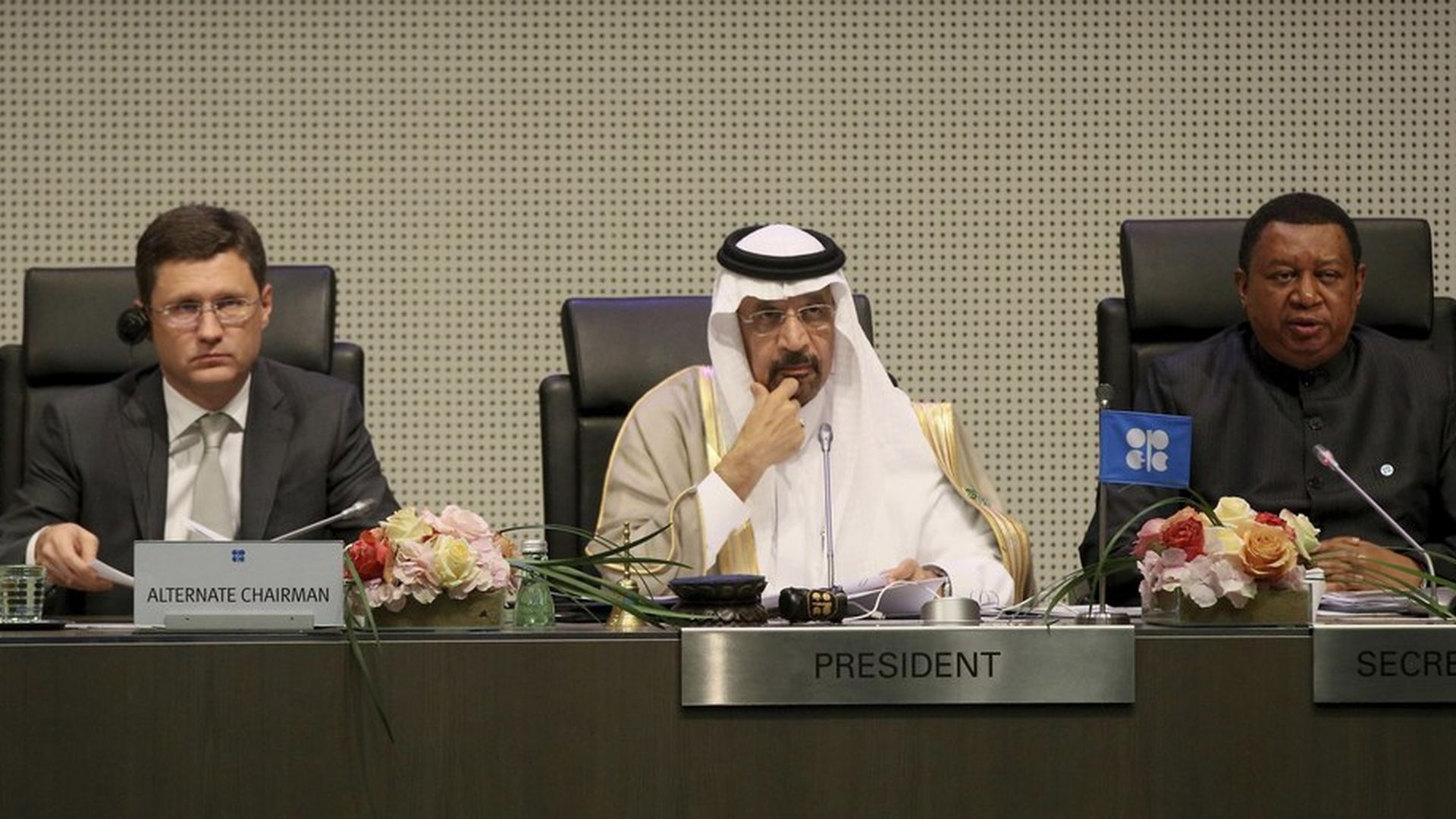
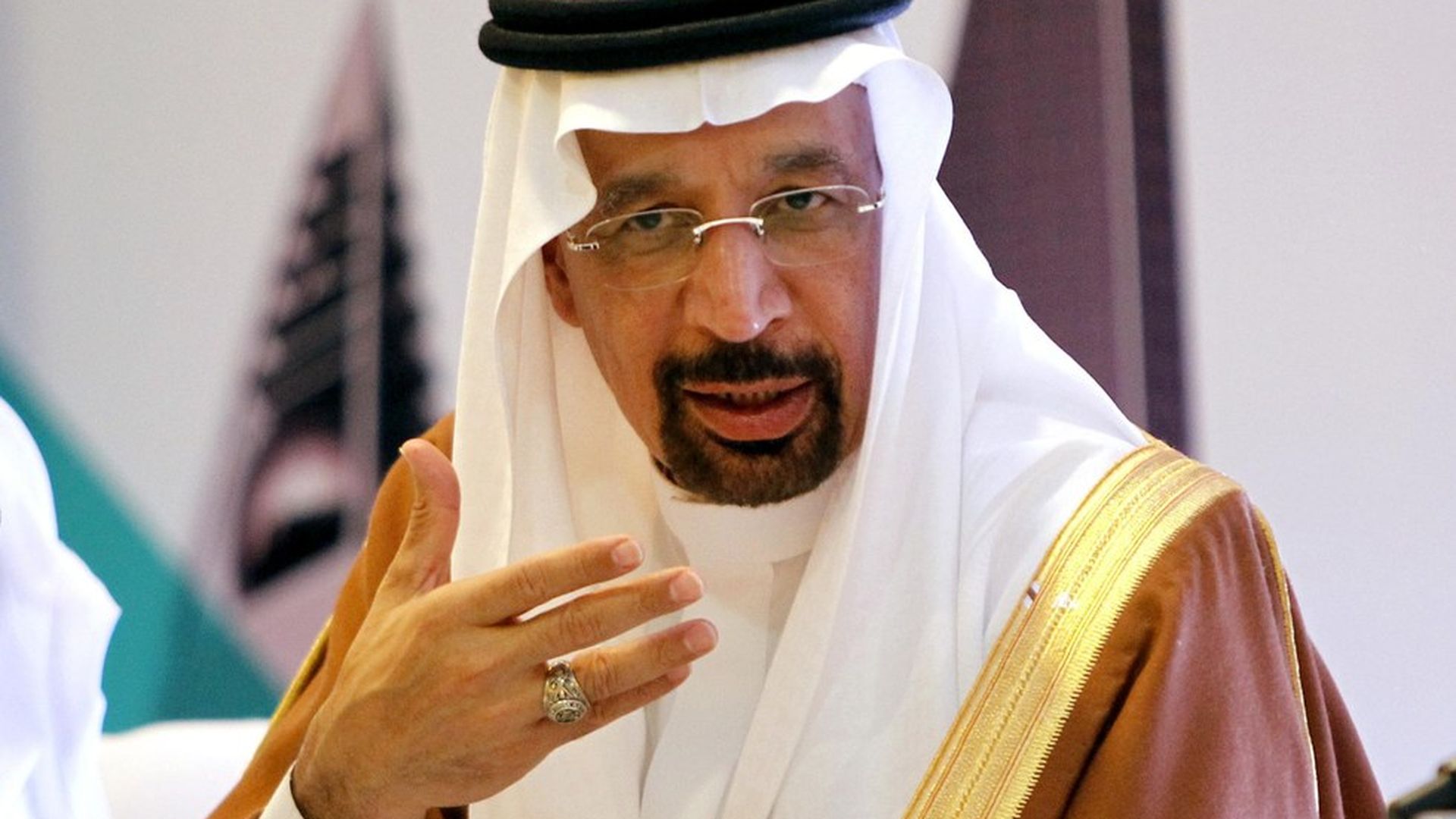
Following a series of meetings between OPEC and non-OPEC countries in Vienna Thursday, Saudi Arabia's energy and oil minister, Khalid Al-Falih announced that all members will do "whatever is necessary to balance the markets," even if that means further extending cuts in oil output past March 2018.
Why March? Earlier today, the group agreed to extend its November deal to cut oil output by nine months. Al-Falih said that although they believe they will hit their desired target by the end of the year, the three-month extension should help with any buildup of stocks.
OPEC agreed Thursday to extend its deal to cut oil output by nine months, an OPEC delegate told Reuters, as the organization works to curb excess supply of crude oil that has kept prices low for three years.
Khalid Al-Falih, Saudi Arabia's energy and oil minister, told CNBC before entering the closed-door meeting of 14 countries in Vienna: "Nine months with the same level of production that our member countries have been producing at is a very safe and almost certain option to do the trick."
Why this isn't surprising: Last week, Saudi Arabia and Russia teamed up and announced they backed an extension in cuts to production. Their support for a deal encouraged other countries to rally behind them, and yesterday the Joint Ministerial Monitoring Committee announced that OPEC was close to a deal.
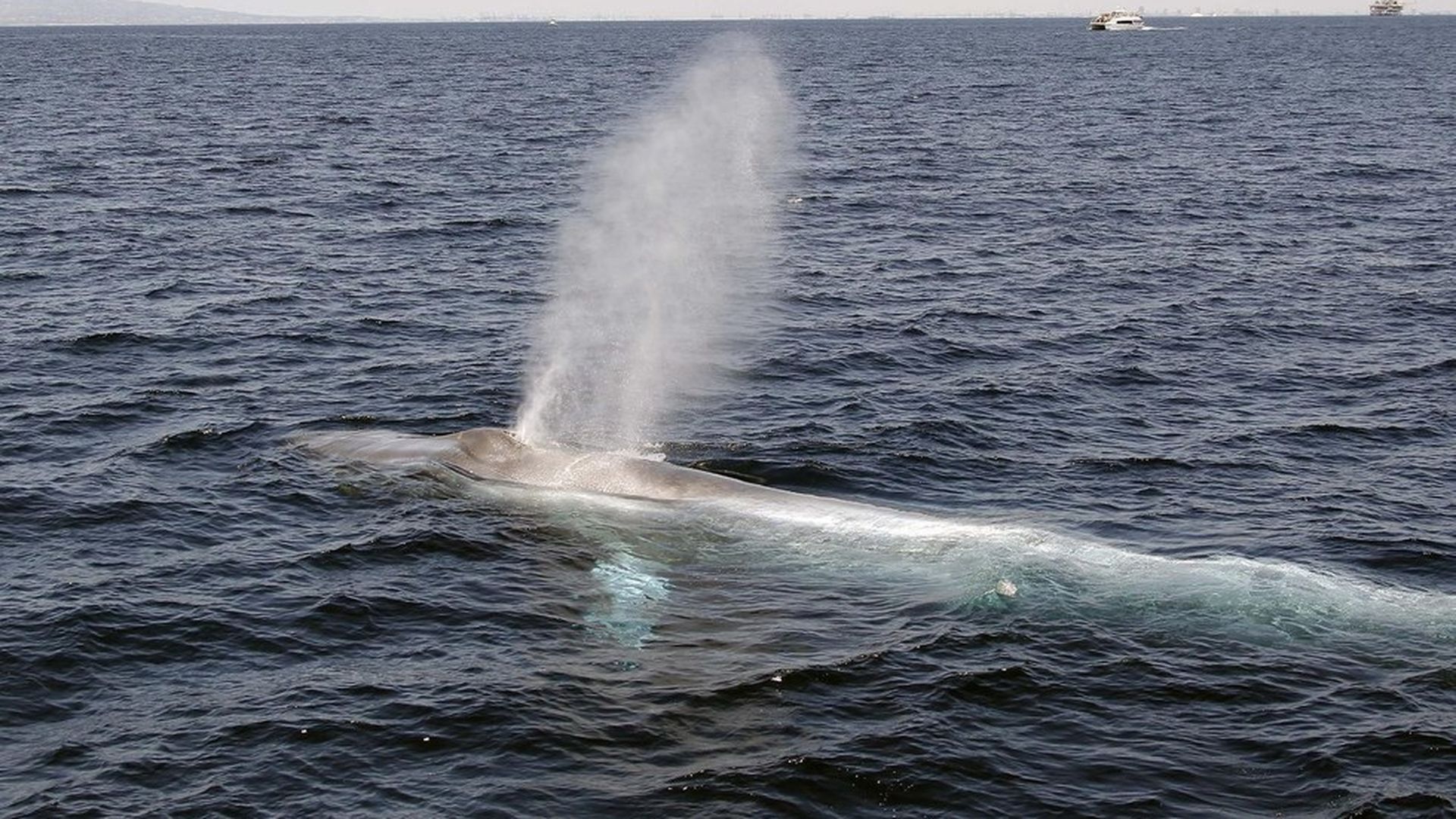
A new study shows how baleen whales, some of the largest animals ever known to exist on Earth, were able to get so big — and, in evolutionary terms, it's a pretty recent development.
The short answer, per NYT: Thanks to an ice age a few million years ago, whales took advantage of environmental changes to eat. A lot.
It's like going from whales the size of minivans to longer than two school buses. Nick Pyenson, Smithsonian Insitution's National Museum of American History