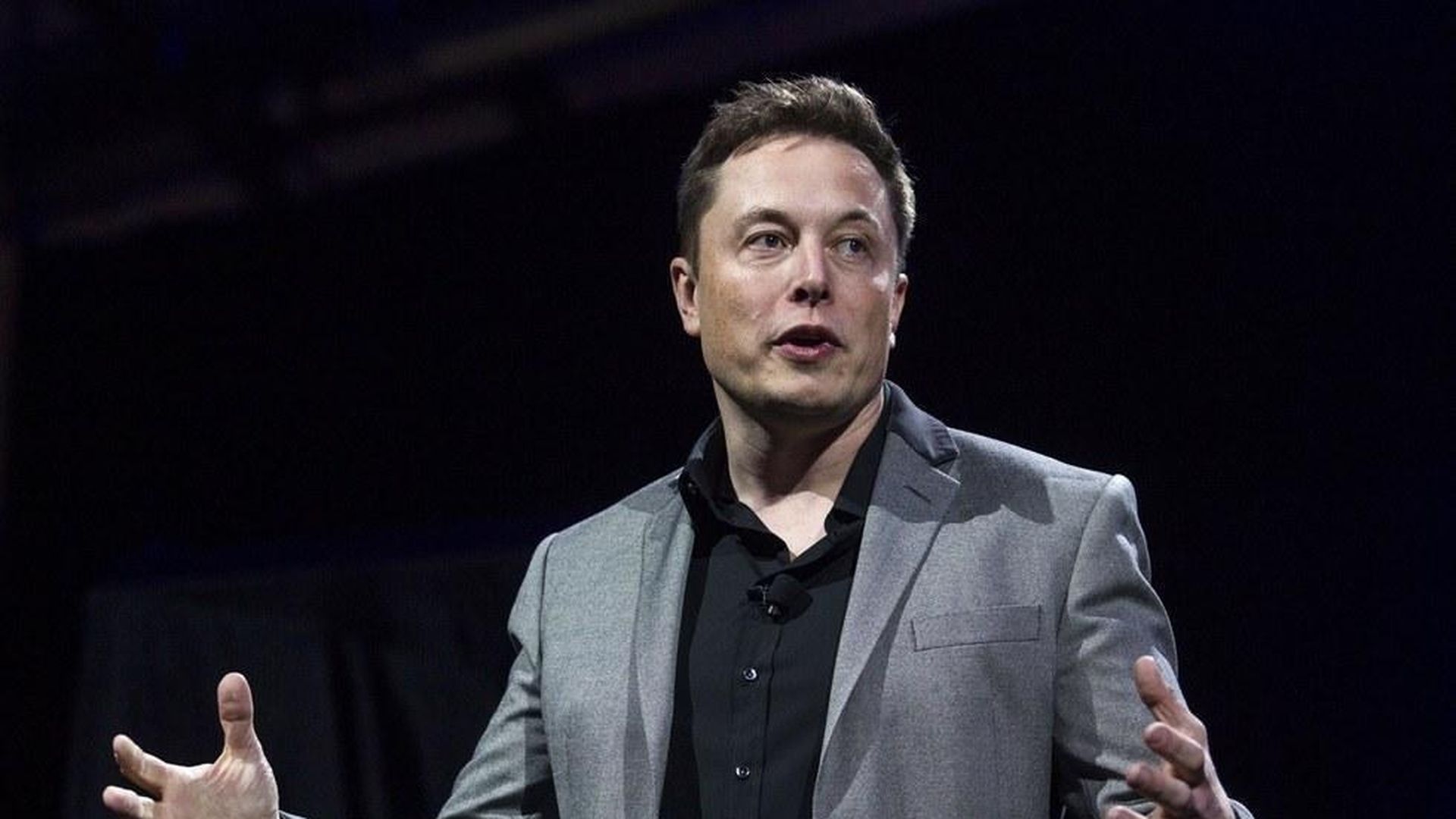
In an appearance at the TED conference in Vancouver, Musk showed off a new video visualization of electric skates transporting cars in a narrow tunnel, then raising them back to street level in a space as small as two parking spaces. Inside the tunnels, Musk said cars could travel as fast as 200 kilometers per hour (roughly 130 MPH).
"You should be able to go from say Westwood to LAX in 5-6 minutes," the Tesla and SpaceX founder said, adding he is spending only 2-3% on the tunnel effort.
The challenges: Permissions and cost, and cities would have to approve a network of tunnels. Even if they do, conventional tunnel requirements are exceedingly costly. Musk cited as the example of a recent 2.5-mile LA subway extension that cost $2.5 billion. Musk aims to cut that through narrower tunnels and other moves.
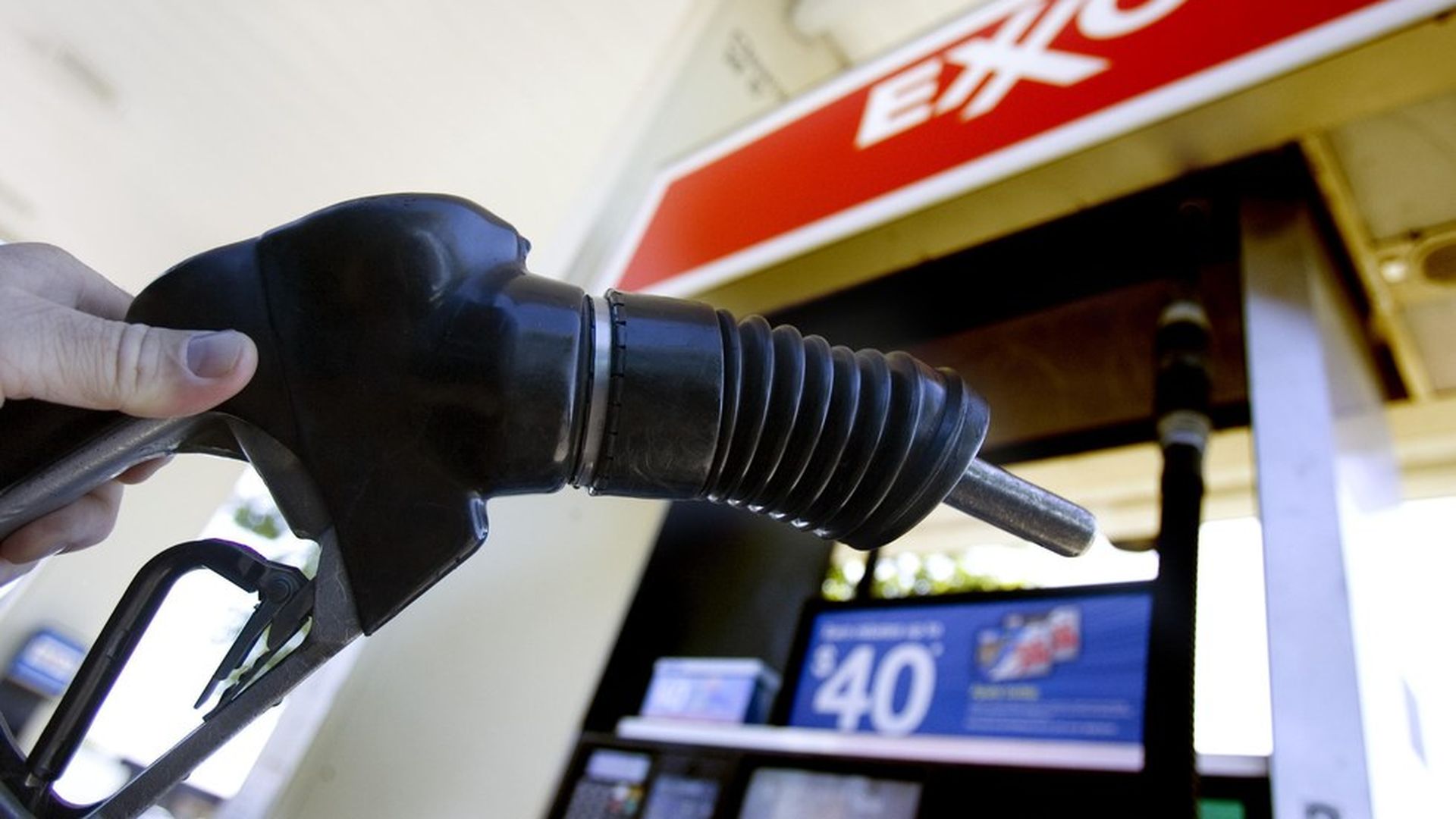
Exxon Mobil said Friday that the company earned $4 billion in profit during the first quarter, more than doubling its profit earned in Q1 of last year, thanks to rising oil prices and cost cuts. Revenue for the company came in at $63.29 billion, missing the estimate for $64.73 billion.
Why this matters: The jump in profits is a big win for Exxon, as low oil prices and falling demand have bogged down industry profit for the past few years. But following OPEC's production cuts, which kicked in at the beginning of this year, oil prices have been on the rise again, and are helping to lift the sector back up.
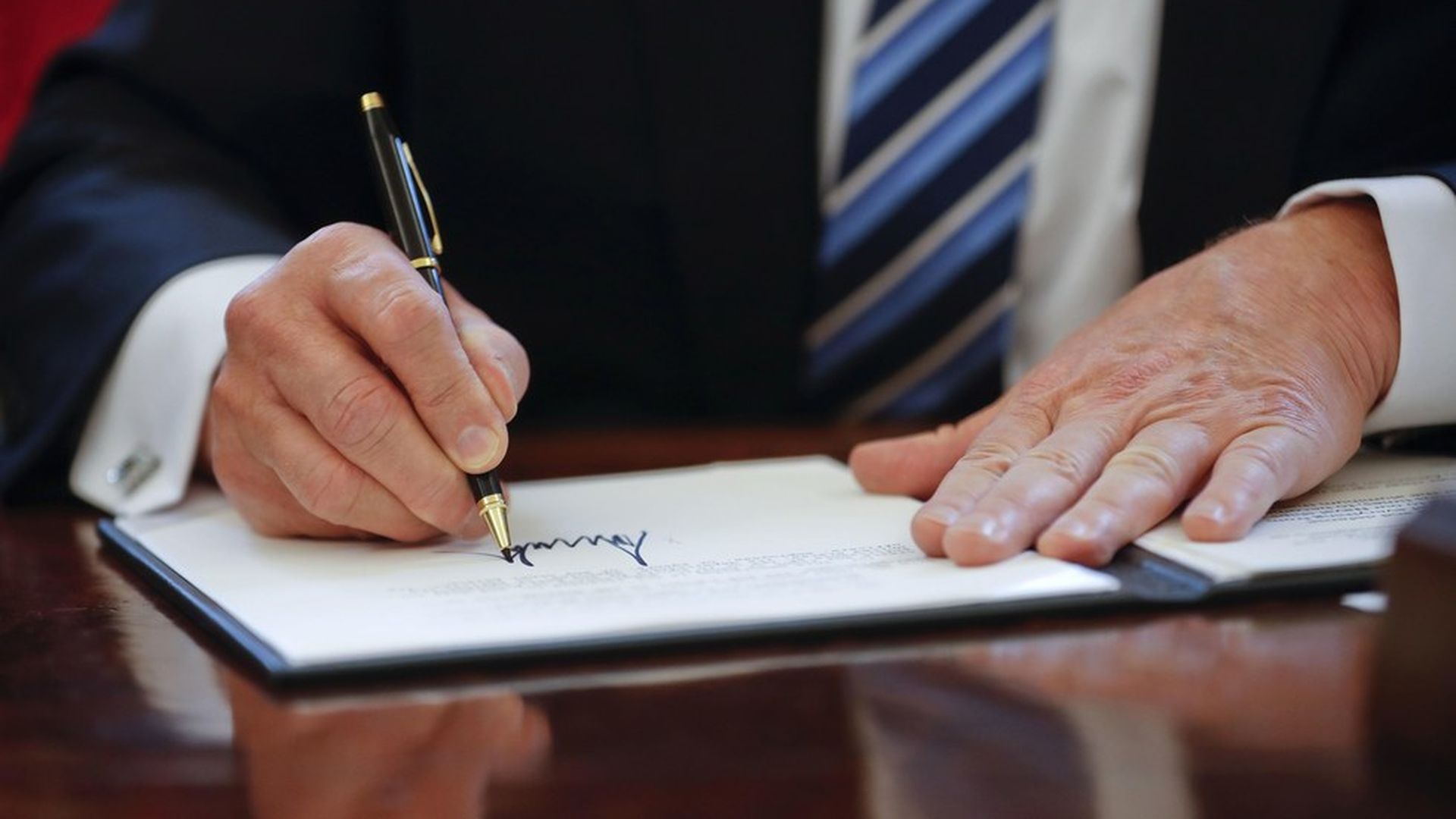
President Trump will sign an executive order tomorrow ordering Interior Secretary Ryan Zinke to review off-shore drilling opportunities.
What's in it: The Interior Department is going to both review and rewrite the off-shore drilling plan currently in place, which limits drilling to most of the Gulf of Mexico and Alaska's Cook Inlet.
Plus, industry sources tell Axios to also expect the order to seek the reversal of Obama's December effort to permanently ban development in nearly all U.S. Arctic waters and swaths of the Atlantic coast. 94% of the U.S. Outer Continental Shelf (OCS) is currently off-limits.
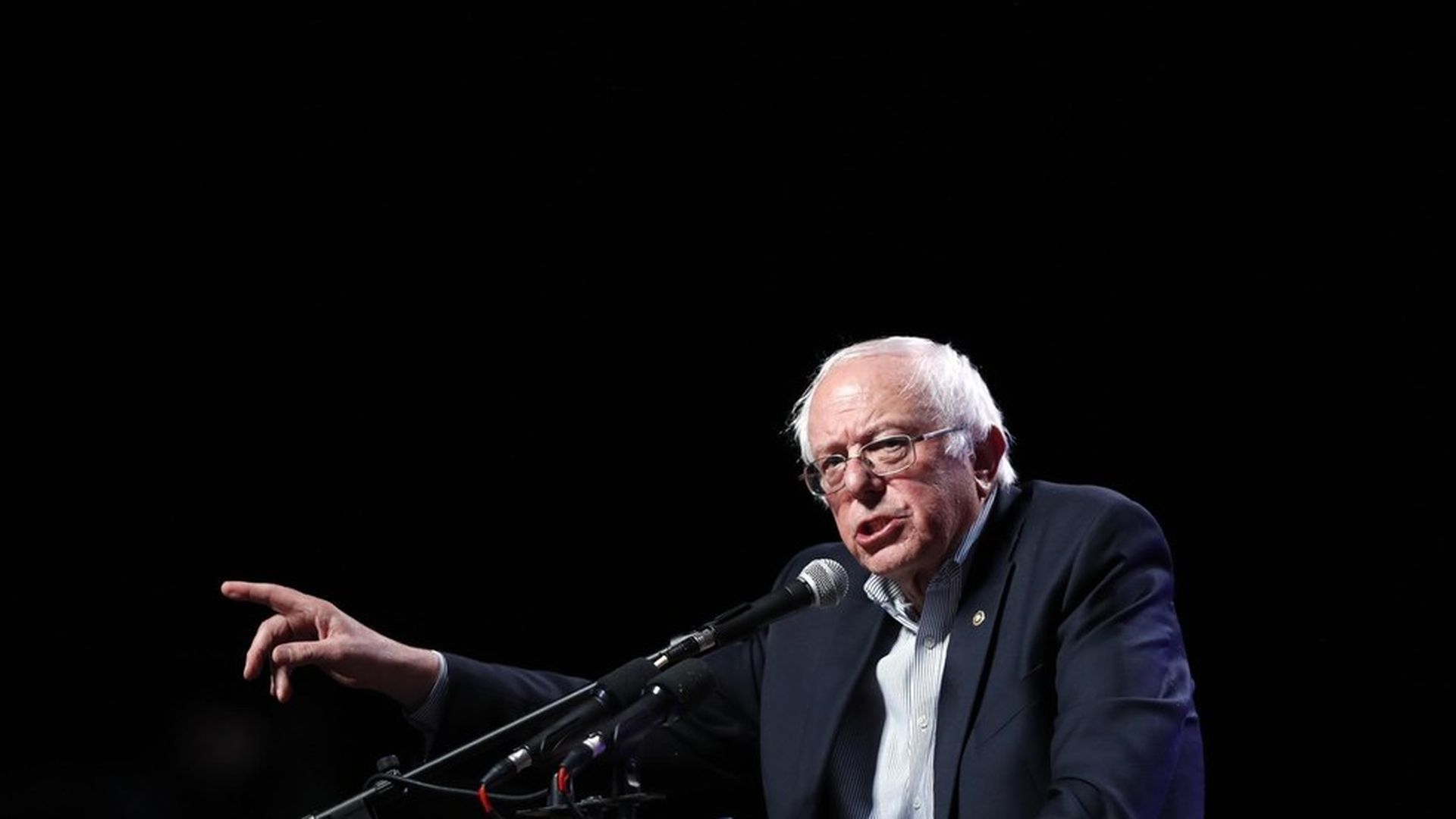
Senators Bernie Sanders, Jeff Merkley, and Ed Markey introduced their "100 by 50 Act" — designed to completely transition the United States to clean and renewable energy by 2050 — during a rally this morning in D.C.
Their biggest thing: The senators believe that the United States' position as the largest emitter of greenhouse gases gives it a moral responsibility to take the lead. "If we expect other countries around the world to listen to us, we cannot preach temperance from a barstool," Markey said.