Saturday's energy & climate stories

Why big oil companies are leaving Canada
The issue
Big international oil powerhouses (ConocoPhillips, Statoil, Shell) are pulling out or retreating (ExxonMobil) from their Canadian oil sands investments — a seemingly counterintuitive strategy given that the Canadian oil sands are the third largest reserve of crude oil in the world.
The facts
They're reconsidering to save on costs. The oil sands in Canada have some of the highest operating costs in the world paired with low profits. Plus, Canadian oil sands have greenhouse-intensive sources of crude oil and have limited pipeline access to markets, which leaves little flexibility for oil companies.
Instead, some big oil is seeking out lower-cost and higher-stability operations in the Permian Basin in New Mexico and Texas, the second largest oil field in the world whose crude production increased in all but three months last year. Crude oil is expected to increase to 2.4 million barrels per day in May, according to the EIA.
ExxonMobil, Shell, and Chevron (also considering leaving the Canadian oil sands) are already in on these advantages — they invested $10 billion this year in the Permian Basin. ConocoPhillips has legacy acreage in the basin, and is likely to increase production this year, too, per The Motley Fool.
Why it matters
Companies' departure from Canada's oil sands came as a shock on Wall Street, but it is becoming more common.
Plus, this will shift international energy dynamics: Saudi Arabia, which has the largest oil field in the world ahead of the Permian Basin, could be weakened by this competing investment. And many of the Canadian companies now have room to nudge into their own oil sands and consolidate their ownership, giving them a competitive edge.

Elon Musk's "boring" vision for tunnels, semis and self-driving cars
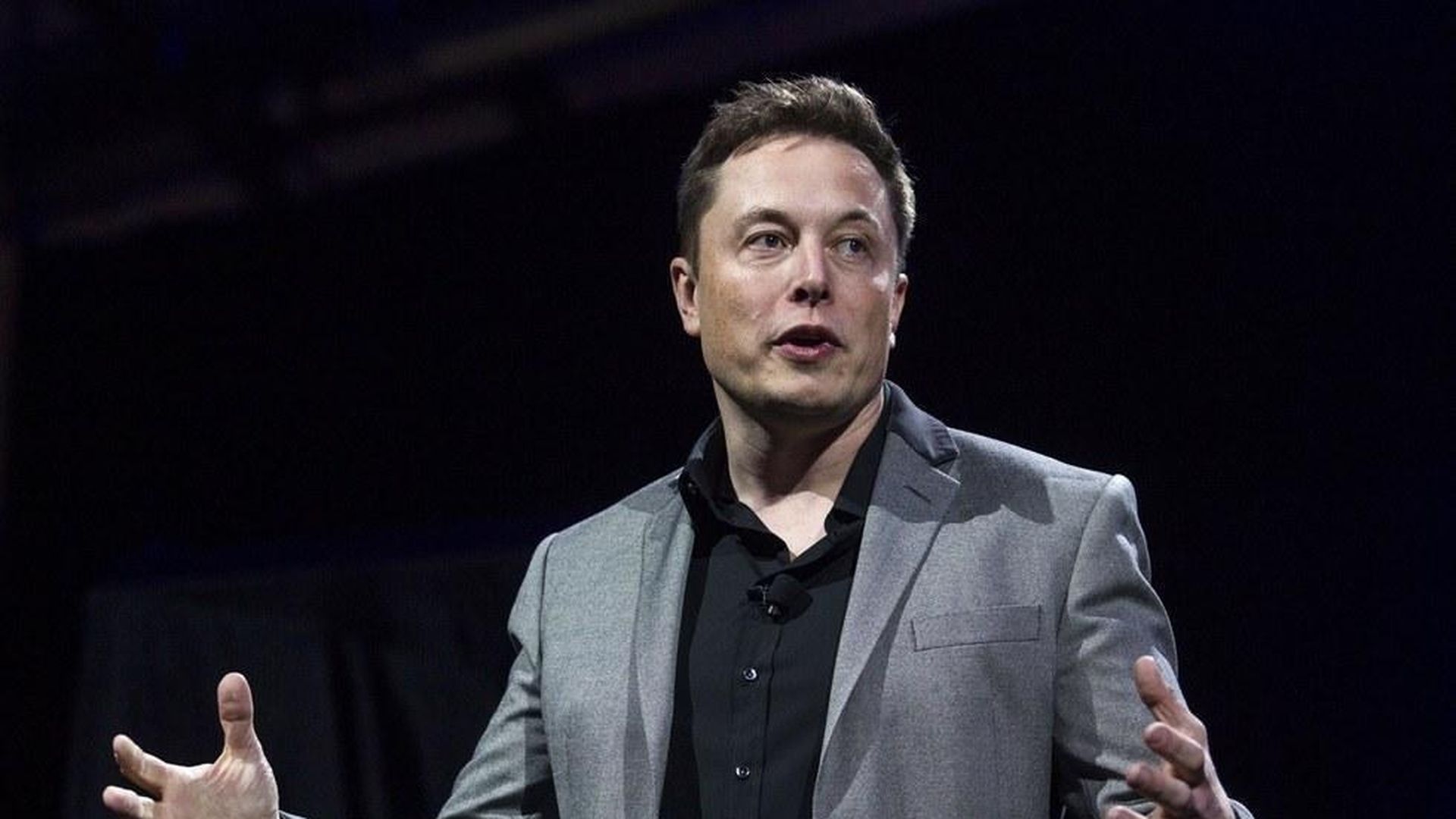
In an appearance at the TED conference in Vancouver, Musk showed off a new video visualization of electric skates transporting cars in a narrow tunnel, then raising them back to street level in a space as small as two parking spaces. Inside the tunnels, Musk said cars could travel as fast as 200 kilometers per hour (roughly 130 MPH).
"You should be able to go from say Westwood to LAX in 5-6 minutes," the Tesla and SpaceX founder said, adding he is spending only 2-3% on the tunnel effort.
The challenges: Permissions and cost, and cities would have to approve a network of tunnels. Even if they do, conventional tunnel requirements are exceedingly costly. Musk cited as the example of a recent 2.5-mile LA subway extension that cost $2.5 billion. Musk aims to cut that through narrower tunnels and other moves.

Higher oil prices helped Exxon make more money in Q1
Exxon Mobil said Friday that the company earned $4 billion in profit during the first quarter, more than doubling its profit earned in Q1 of last year, thanks to rising oil prices and cost cuts. Revenue for the company came in at $63.29 billion, missing the estimate for $64.73 billion.
Why this matters: The jump in profits is a big win for Exxon, as low oil prices and falling demand have bogged down industry profit for the past few years. But following OPEC's production cuts, which kicked in at the beginning of this year, oil prices have been on the rise again, and are helping to lift the sector back up.