Extreme heat is testing Italy's cheese banks, the vaults that hold Parmigiano Reggiano while it ages for years.
Why it matters: It's an 800-year-old industry that employs thousands and generates about $5 billion a year — and it actually has something in common with one of the biggest questions troubling the trillion-dollar AI buildout.
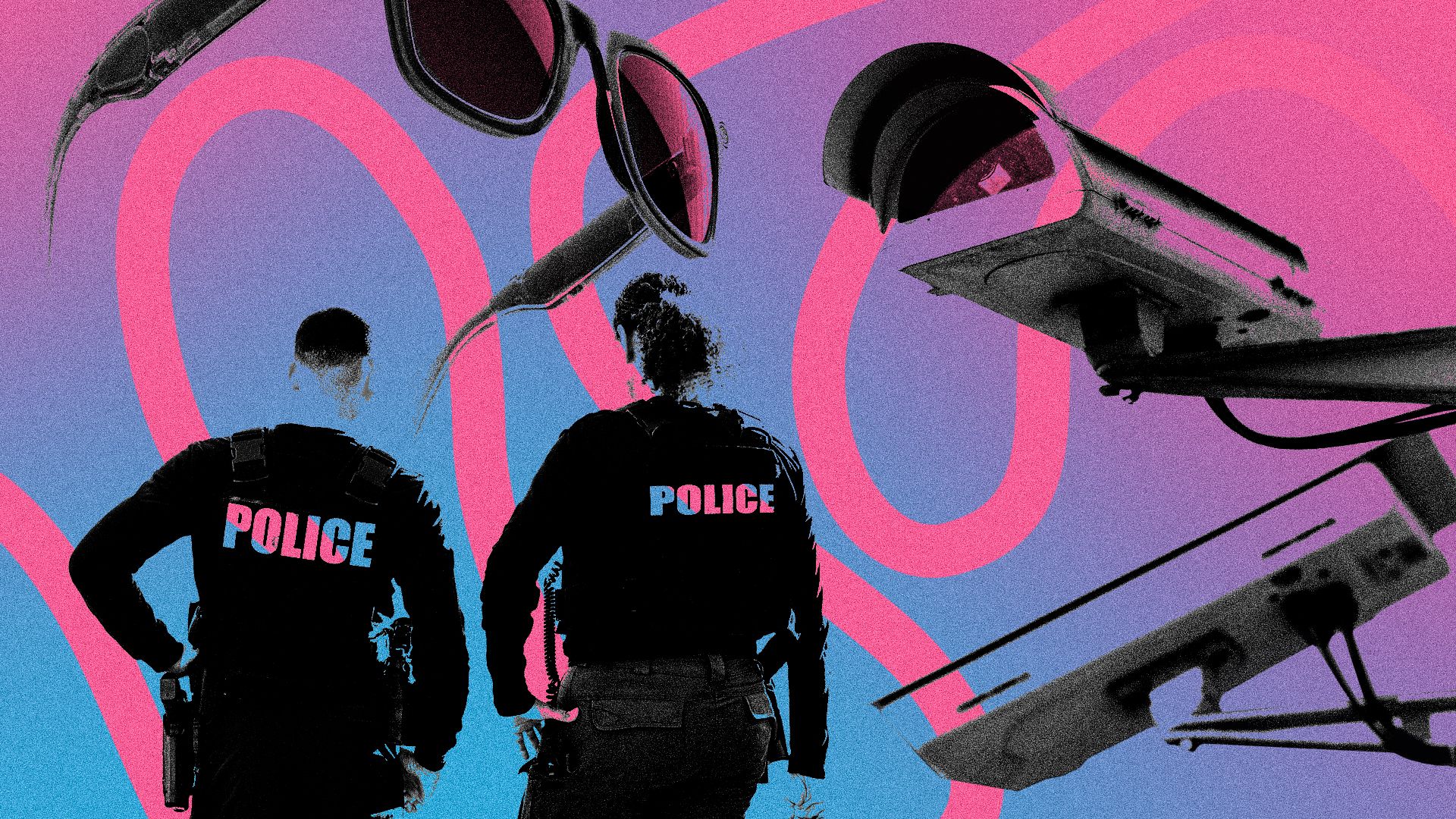
As venues adopt new security technology and fans wear cameras, attending a live event can come with privacy concerns.
Why it matters: Safety has always been a concern at large gatherings. But technology is giving venues more powerful ways to identify and track who's inside.
Admission prices for movies, theaters and concerts in the U.S. have jumped more than 41% since January 2016, according to Bureau of Labor Statistics data.
Why it matters: That's just the ticket. Fans may complain about higher costs, but they're still showing up and spending for travel, food and other expenses.
Whether framed on an office wall, collecting dust in a box or still a distant dream, the college diploma is getting a hard reappraisal.
Why it matters: College was once sold as a ticket to the American dream. But students today are taking a tougher look at the college tradeoff: burdensome debt and no guarantee of a dream career — or employment at all, as AI threatens the jobs the degrees were meant to unlock.
Students — and their parents — are searching for future-proof college majors for an AI-powered world.
Why it matters: AI is changing the skills employers expect from entry-level workers, while colleges are rethinking how to prepare students for the transition.
America is losing its grip on one of its quietest superpowers: its ability to attract the world's most ambitious students.
Why it matters: As international enrollment drops, colleges face a financial hit. Foreign students typically pay full tuition, acting as a crucial revenue stream that subsidizes campus operations and eases the cost burden for American taxpayers.
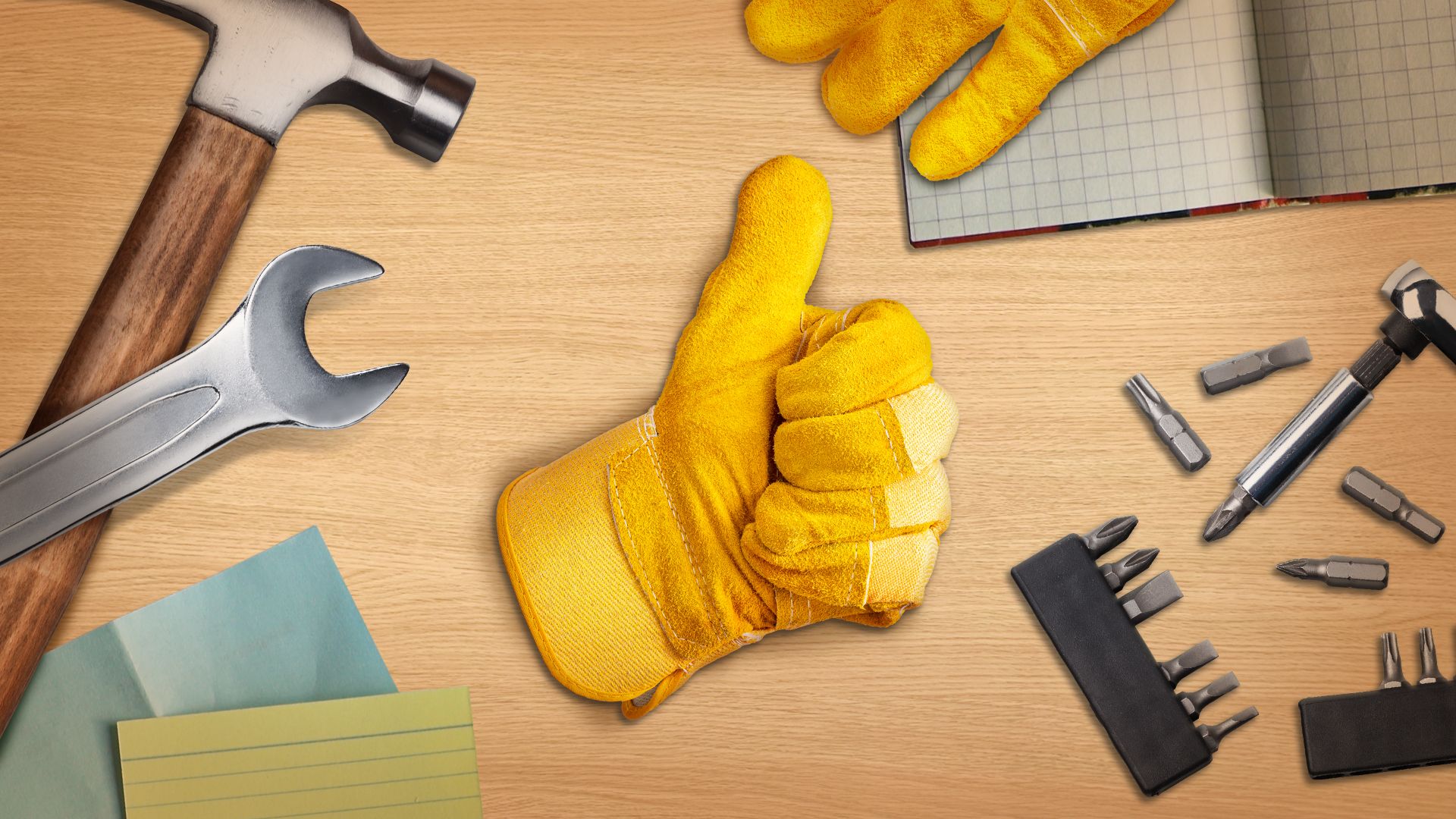
Some young workers are swapping laptops for hardhats, betting that a welding torch or a toolbelt could offer more protection from AI disruption.
Why it matters: As artificial intelligence rattles white-collar career paths, more young Americans are looking to the skilled trades for lower debt, stable pay and work that's harder to automate.