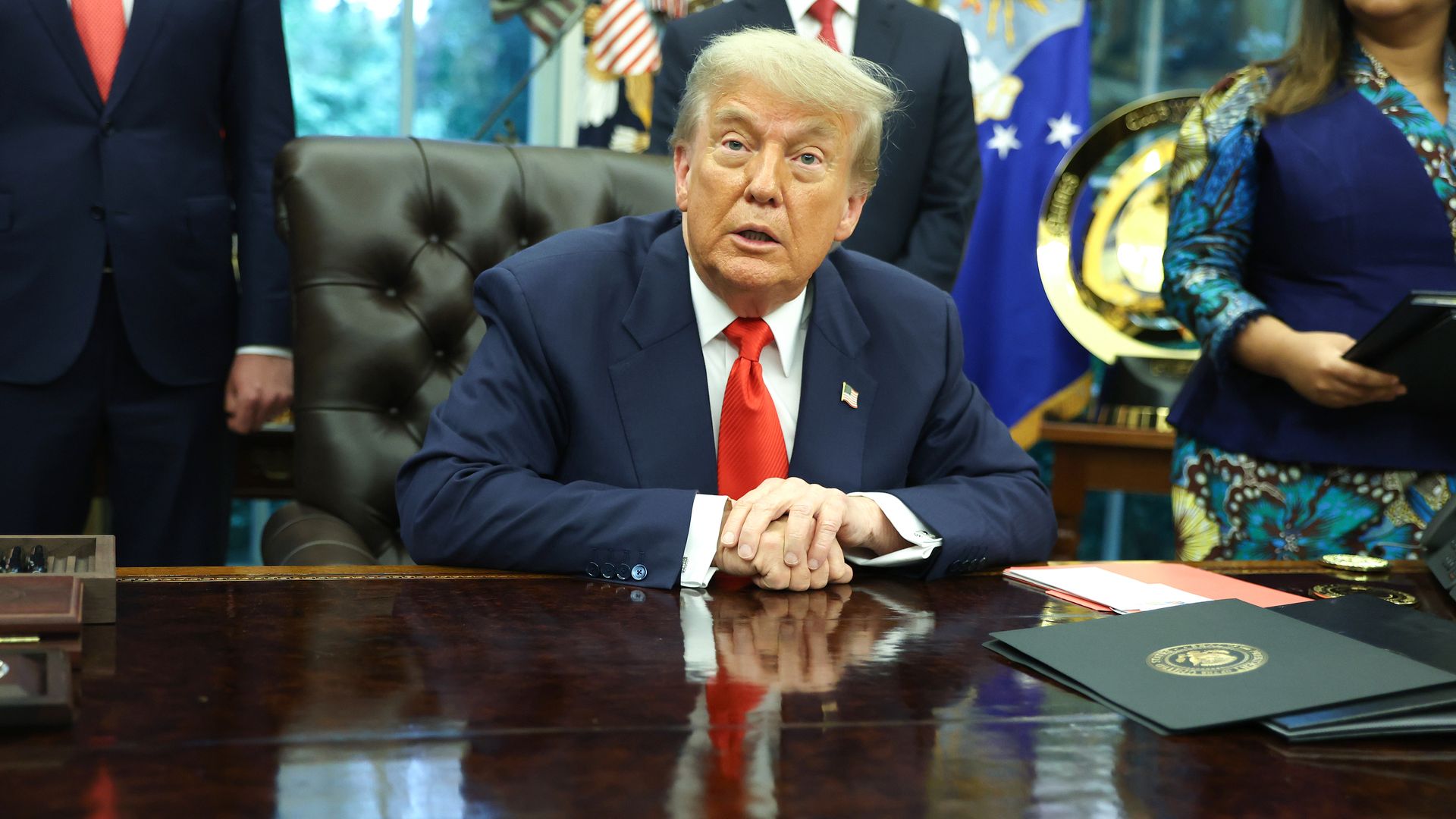
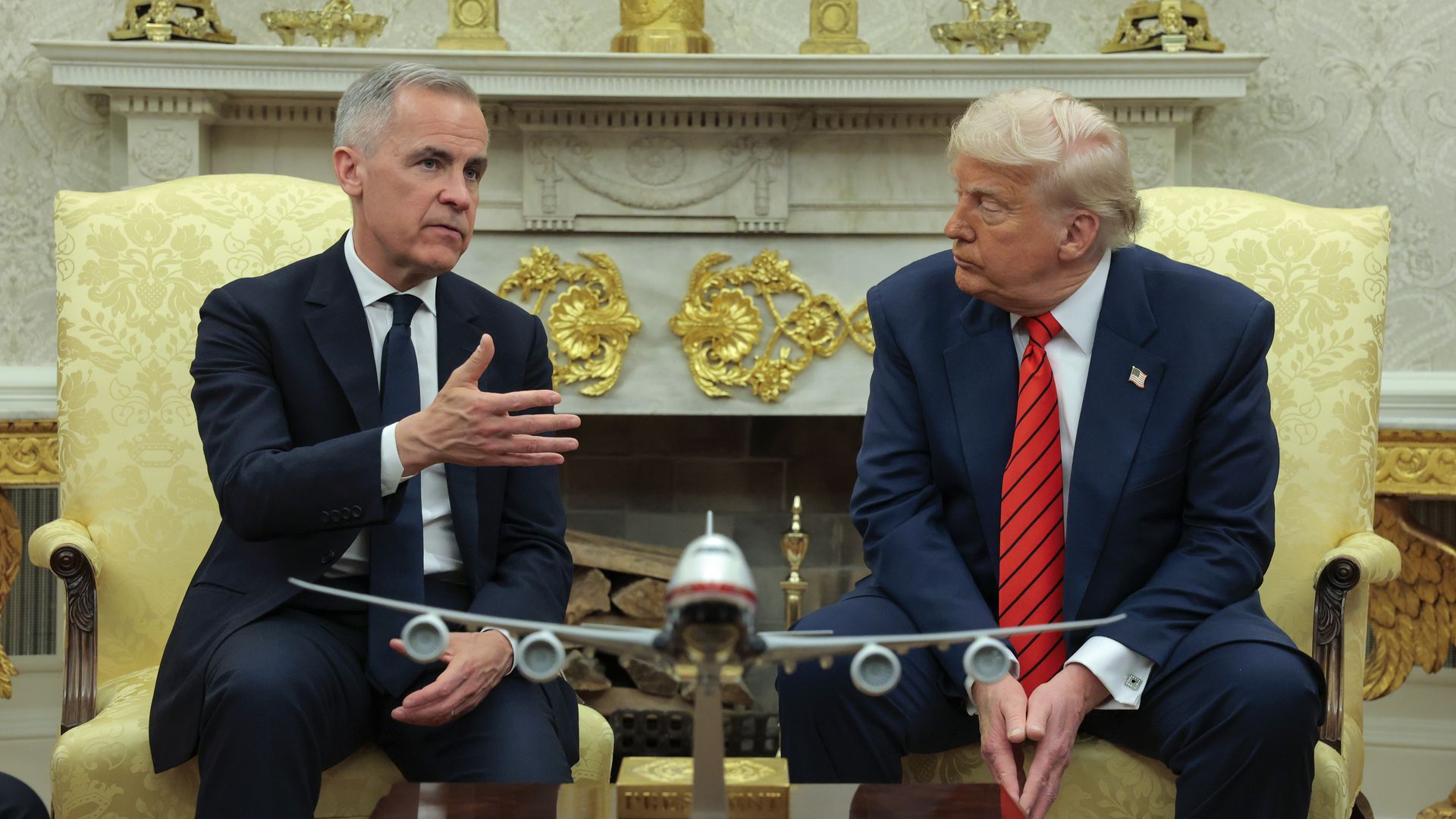
President Trump slammed the phone on Canada today, announcing the U.S. was cutting off trade talks with its northern neighbor, Axios' Courtenay Brown and Ashley Gold report.
🏷️ Trump threatened to assign a tariff rate on Canadian goods within the next week.
😡 Canada's digital service tax on U.S. tech firms was cited as a key driver of the breakdown, Trump said in a Truth Social post.
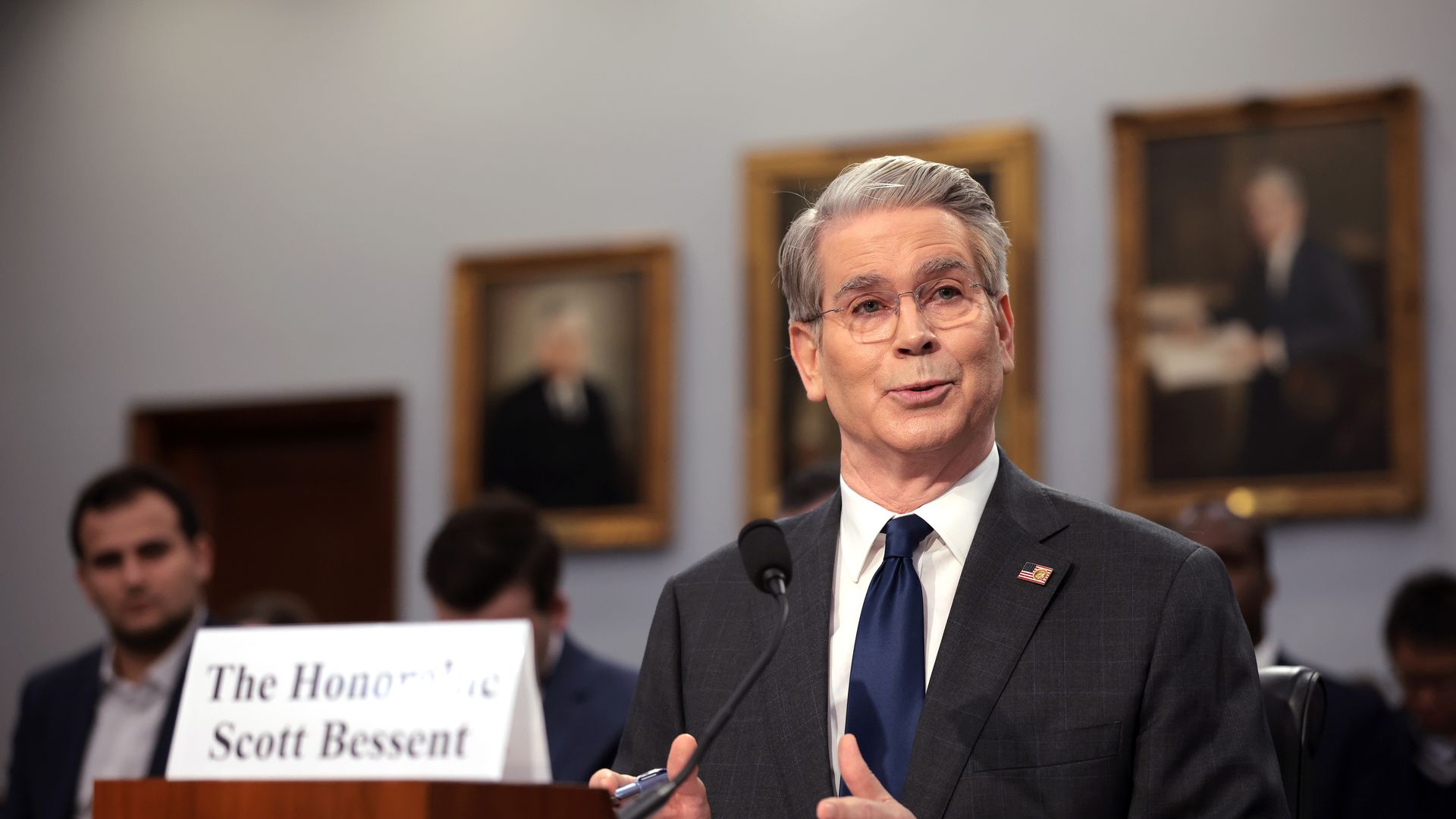
🌍 What we're watching: The cutoff in trade talks comes less than two weeks before the "Liberation Day" tariff pause expires, though Treasury Secretary Scott Bessent said earlier today that the deadline could be extended — possibly to Labor Day.
President Trump on Friday made clear that he won't pick a new Federal Reserve chair who won't cut interest rates.
Why it matters: It's the clearest signal to international markets yet that whoever runs the Fed next will be taking monetary policy cues directly from the Oval Office.
President Trump said on Friday that the U.S. would terminate trade discussions with Canada and assign a tariff rate on Canadian goods within the next week.
Why it matters: It is a fresh blow to the U.S.-Canadian economic relationship, which has come under historic strain since Trump took office.
CANNES, France – Young consumers are demanding authenticity, interactivity and relevance from media and brands with which they engage, said creators and industry leaders at an Axios event at the Cannes Lions International Festival of Creativity.
Why it matters: Millennials and Gen Z spending is outpacing the broader global population and companies are looking for ways to capitalize on that.
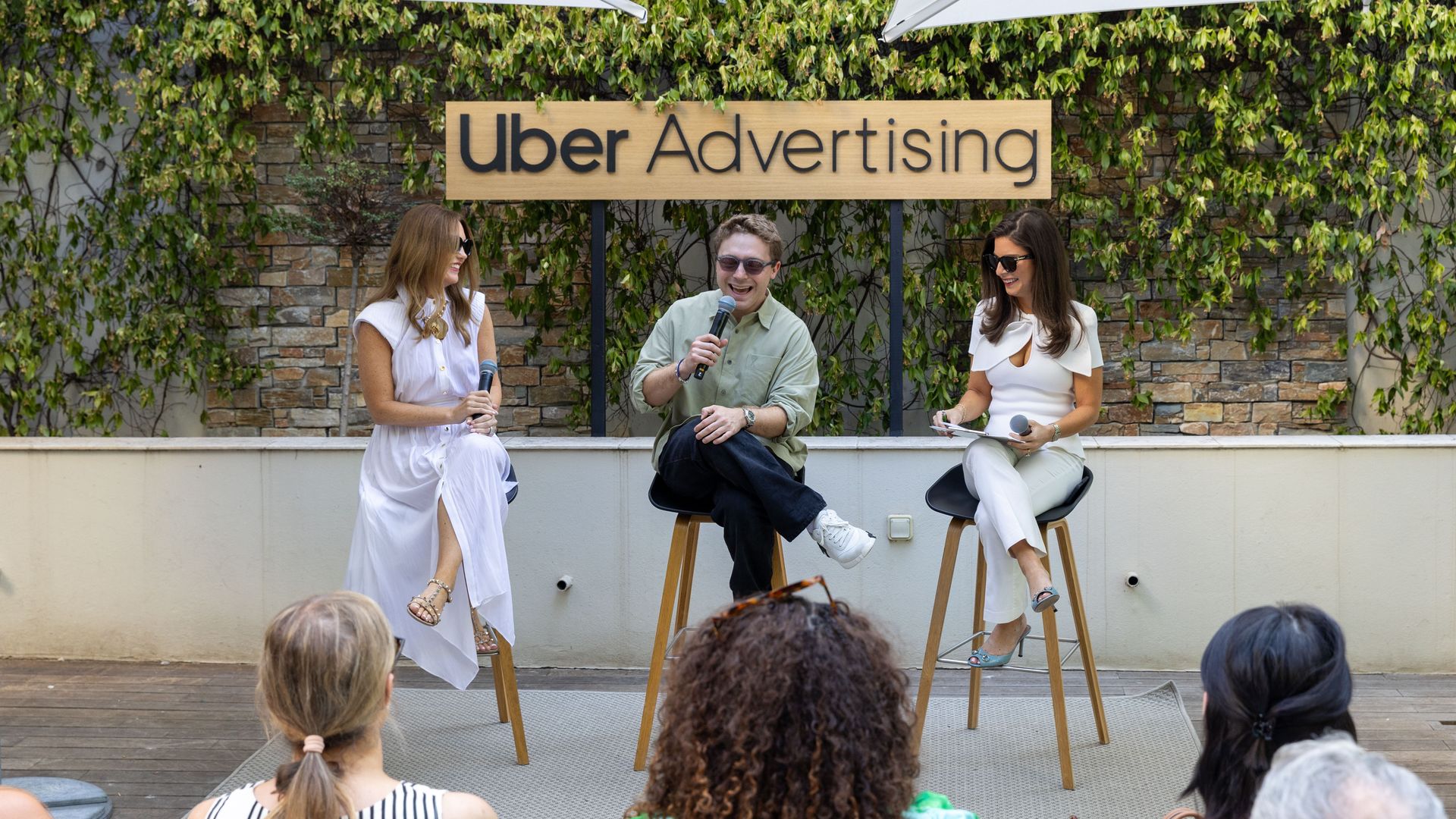
Axios' Sara Fischer and Kerry Flynn spoke with podcast host Jake Shane, Spotify chief public affairs officer Dustee Jenkins, Business Insider CEO Barbara Peng and Dotdash Meredith CEO Neil Vogel at the June 18 event, sponsored by Uber Advertising.
What they're saying: Young consumers are seeking more than just words about a brand's authenticity.
"For Gen Z in particular, video podcasts have really grown. … They not only want to hear you, they want to see and feel exactly what's playing out," Jenkins said. "It speaks to this idea of tapping into culture. Culture is unfolding on platforms like Spotify, it's unfolding through the creators."
"Influencing inherently is like an authentic thing," said Shane, the host of "Therapuss with Jake Shane." "If you're an influencer, you're a tastemaker, you're influencing people, and the only way you're actually able to do that is if you are like authentically yourself."
Media companies are shifting attention to original video and smart TV platforms where audiences are watching long-form content.
Business Insider's videos are watched for about 14 billion minutes a year. "A lot of it is YouTube, where we have audiences that want to engage very deeply with us," Peng said. "We have over 10 original series, and people like to watch that not only on their mobile phones but with the rise of smart TV and a lot of the streaming options, that's been huge."
As for Dotdash Meredith and its repertoire of legacy brands, Vogel says it doesn't matter where consumers are finding their content, what matters is that they are engaging with it.
"We get traffic from everywhere to our web – but we also don't care," he said. "I could care less if you're in the app, if you are on the website, if you read the magazine, if you're on TikTok or Instagram. As long as you are part of our brand, we can figure it out."
"You can't say 'I am going to make Gen Z love me.' That's the quickest way to make Gen Z or any gen not like you. You just have to be authentic to what you do."
On the creation of its unique app that had elements of its editorial content as well as Instagram and TikTok, Vogel added: "We didn't want to make an app until we could figure out how to do something special that would resonate with Gen Z."
Content from the sponsored segment:
In a View From the Top conversation, Uber's global head of advertising Kristi Argyilan said the company is the "platform of now" as it taps into cultural moments through concert rides, food deliveries and its newly launched creative studio.
"That creative studio is designed specifically to cater to what we're hearing loud and clear from what we call 'Gen Uber,'" Argyilan said. "And this is a large group of consumers who want to be able to flip from digital world to physical world at a flip of a switch. And so we're bringing these activations that brands participate in that acknowledge their participation on our app but then also … eventually the destination they go to."
Apple Tree Partners has invested billions of dollars to launch and grow biotech companies, but now a legal dispute threatens to shut many of them down.
The big picture: Apple Tree has an unusual structure for a venture capital firm, according to court documents filed in Delaware and the Cayman Islands.
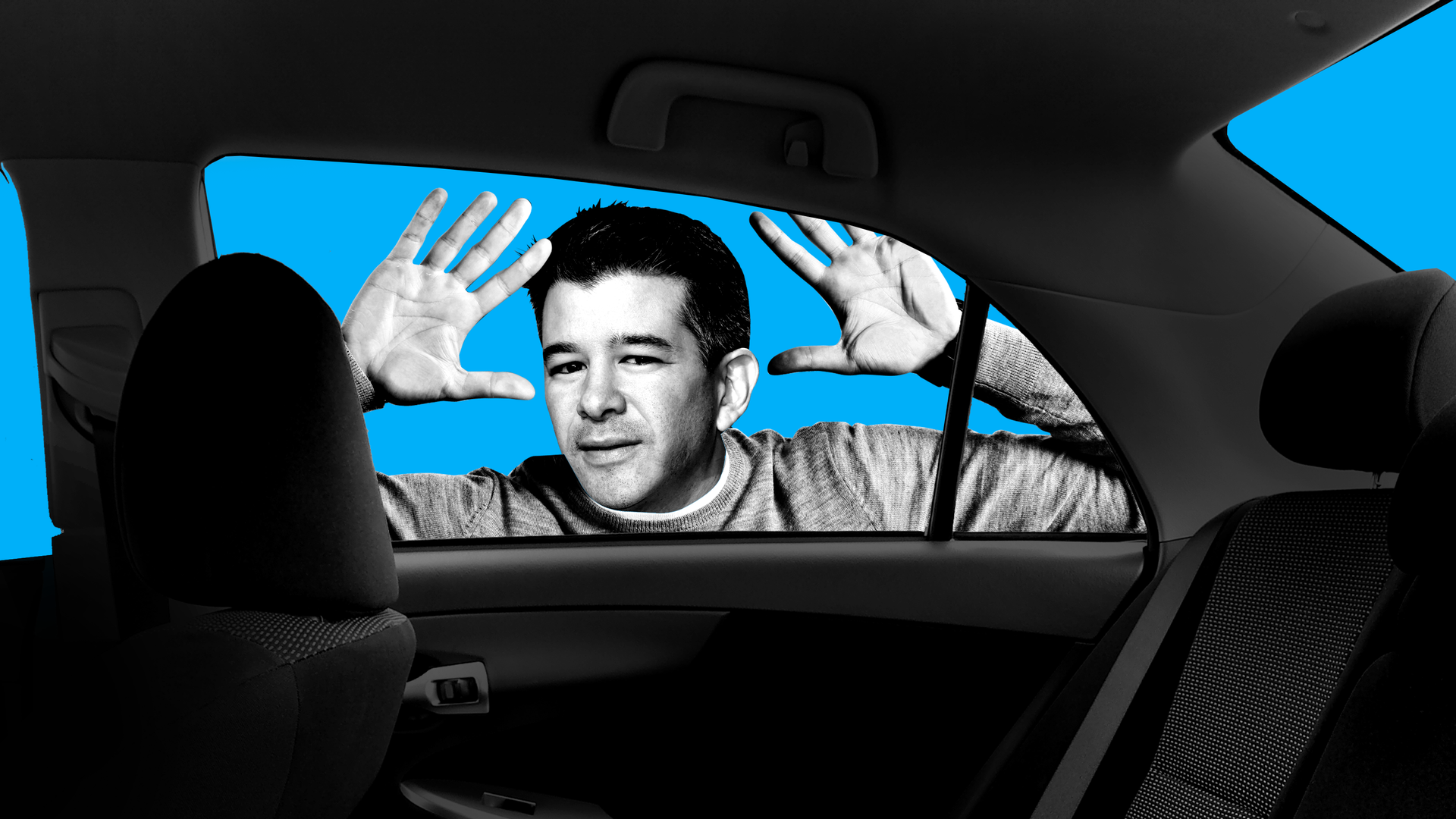
Uber is in talks with former CEO Travis Kalanick to help fund his prospective bid for the U.S. subsidiary of Chinese self-driving car company Pony.ai, as reported by The New York Times and confirmed by Axios.
Why it matters: The 2017 breakup between Uber and Kalanick was brutal. When the ride-hail giant went public 23 months later, new CEO Dara Khosrowshahi rejected Kalanick's request to stand on the NYSE "balcony" to help ring the opening bell.
The Federal Reserve's preferred measure of inflation showed mild price gains in May, though consumer spending slumped and pay growth slowed.
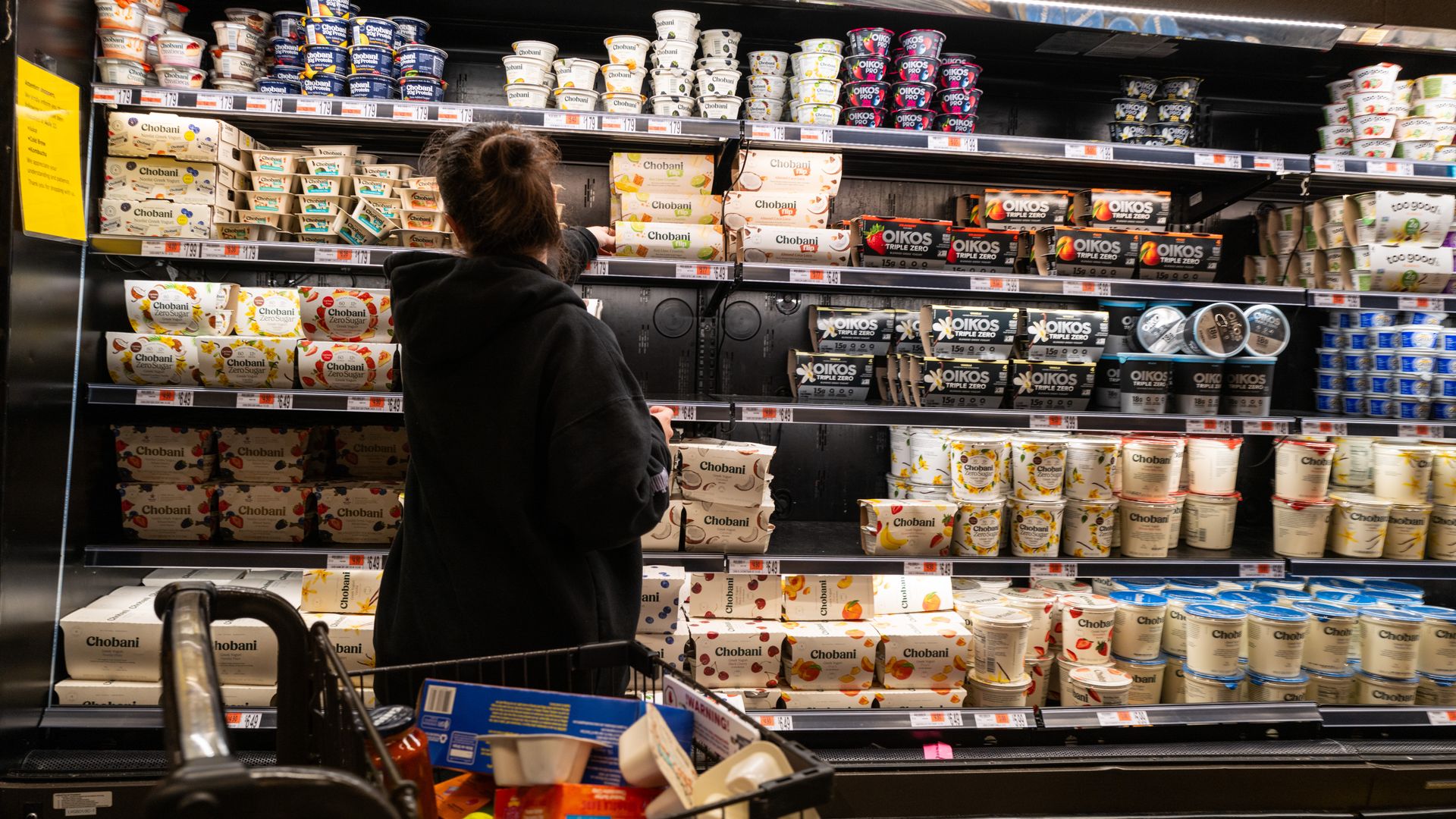
Why it matters: President Trump's trade policies are having a limited effect on inflation so far, though Americans are easing spending after a run-up to get ahead of tariffs.
The relentless decline of the dollar in recent months has a silver lining for the tech rally in the stock market.
Why it matters: A declining dollar can be considered bullish for U.S. stocks, as it provides an earnings boost for globally exposed companies when they convert their international revenue into dollars on financial statements.
Some Wall Street veterans say appetite for the U.S. dollar is waning in ways not seen in years.
Why it matters: It could be the great unwind of the greenback binge of the past decade, when exposure to America was the world's safest — and a highly rewarding — investment. Now investors are hedging those bets.