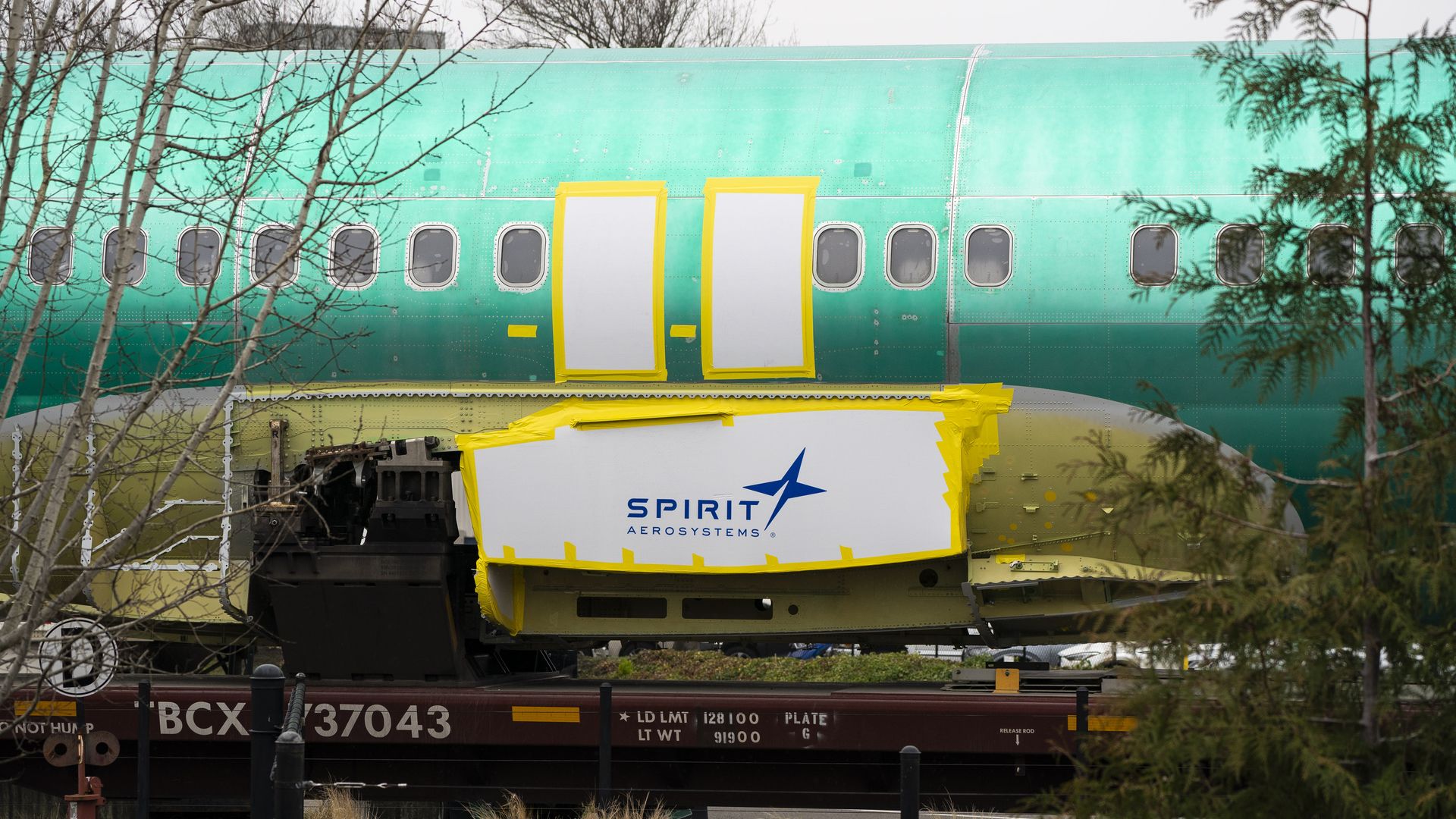
Boeing confirmed that it's in talks to acquire Spirit AeroSystems, the jet-fuselage business that's been engulfed in questions over quality issues.
Why it matters: Boeing is under pressure to improve its operations after an emergency exit door flew off an Alaska Airlines flight in mid-air in January, causing the temporary grounding of all 737 MAX 9 planes in U.S. territory.
Data: Insurify; Note: Based on Insurify's database of 97 million rates from car insurance applications over the past five years. Full-coverage premium averages include bodily injury limits between state minimums and $50,000, property damage limits between $10,000 and $50,000, and comprehensive and collision coverage deductibles of $1,000; Chart: Axios Visuals
Car insurance rates aren't rising at last year's torrid pace, but they're still poised to exceed inflation again in 2024, Nathan writes.
The big picture: Pandemic-era jumps in vehicle prices, more frequent severe weather and increasingly risky driving patterns have driven up insurance rates.
"It's starting to have a huge impact on American drivers," Insurify data insights manager Chase Gardner tells Axios.
Boeing confirmed that it's in talks to acquire the jet-fuselage business that's been engulfed in questions over quality issues, Nathan writes.
Why it matters: Boeing is under pressure to improve its operations after an emergency exit door flew off an Alaska Airlines flight in mid-air in January, causing the temporary grounding of all 737 MAX 9 planes in U.S. territory.
Driving the news: The aerospace giant said it's in early-stage talks to acquire Spirit AeroSystems, confirming reporting from WSJ.
"Spirit, which makes 737 fuselages and other airframe components, was created when Boeing sold some of its factories in 2005," WSJ notes. "Boeing accounts for nearly two-thirds of Spirit's sales, with Airbus and defense companies comprising the rest."
Boeing said it believes reacquiring the manufacturing operations would improve quality.
Elon Musk's lawsuit against OpenAI and its CEO Sam Altman seeks to disrupt the ChatGPT creator's relationship with Microsoft, its most important investor and customer.
Why it matters: Microsoft has tied its AI fortunes closely to OpenAI, as evidenced by how quickly the tech giant jumped to restore Altman to the top job when he was briefly ousted last year.
Federal Reserve interest rate decisions get plenty of attention. But the central bank will soon consider a big change to its other major monetary policy tool as it aims to avoid the type of financial chaos sparked the last time it tried to shrink its multitrillion-dollar balance sheet.
Why it matters: The Fed will decide when to wind down its process of withdrawing cash from the financial system — quantitative tightening, the reverse of quantitative easing.
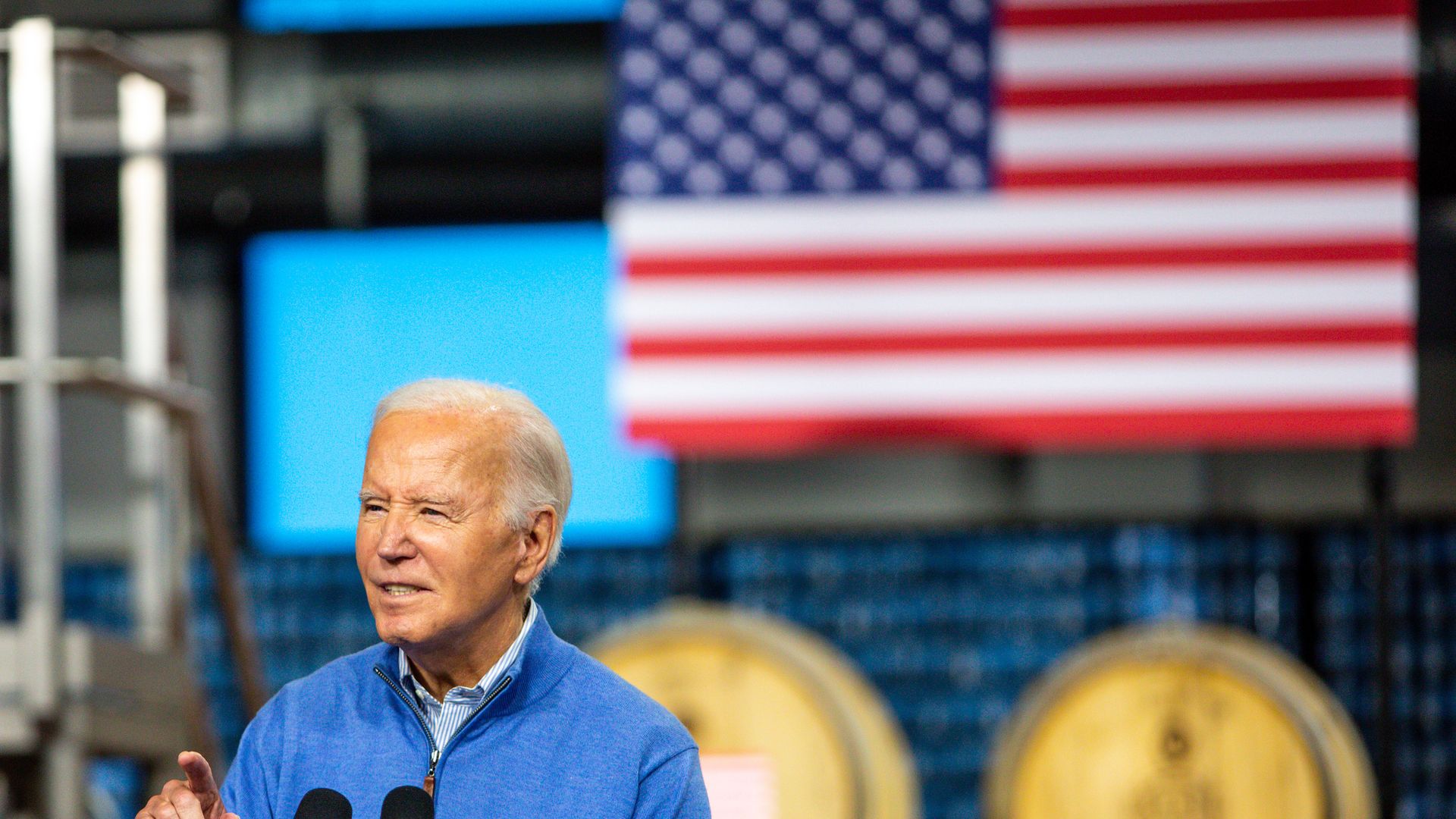
Why it matters: The Biden administration watches this figure closely, as reported earlier today by Axios' Hans Nichols, because it's the best gauge of how voters are feeling about the economy.
One of the fastest-growing areas of the economy is clubs selling exclusivity — persuading the very rich that behind certain politely guarded doors lies an expanse of grass that's especially green.
Why it matters: Positional goods have historically mostly been material — the bigger house, the nicer car, the fancier handbag. Increasingly, along with the rest of the economy, they're becoming experiential.
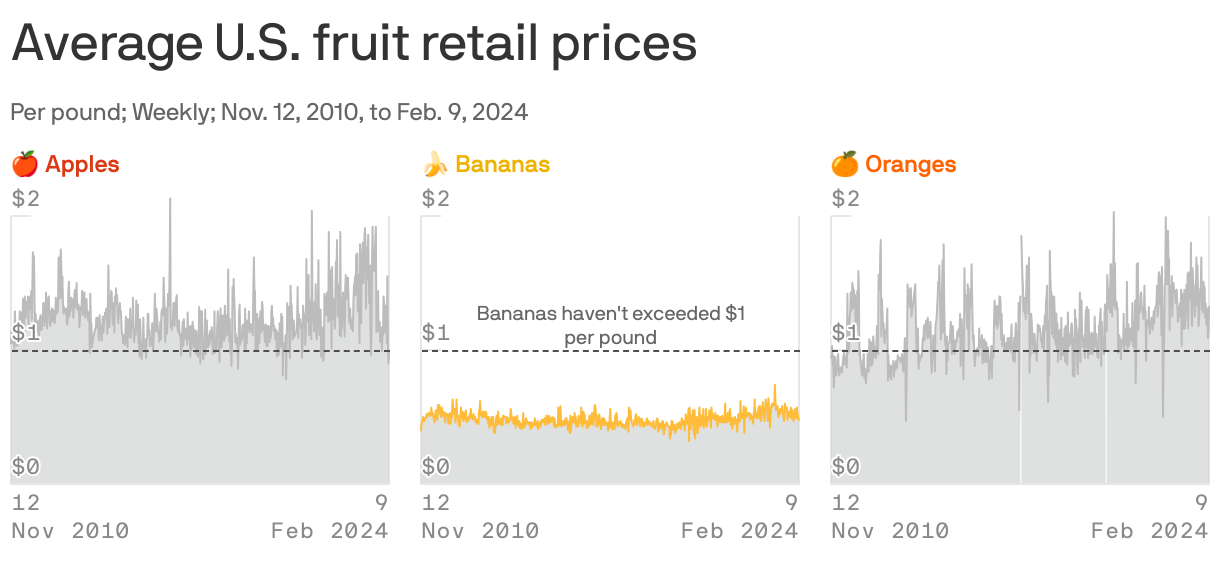
Soaring food prices have taken a serious bite out of consumer spending, but there's at least one item that's consistently bucked the trend: bananas.
Why it matters: The U.S. imports more bananas by volume than any other country, according to the Food and Drug Administration. Despite their popularity, bananas are significantly cheaper than their peers in the fruit world.