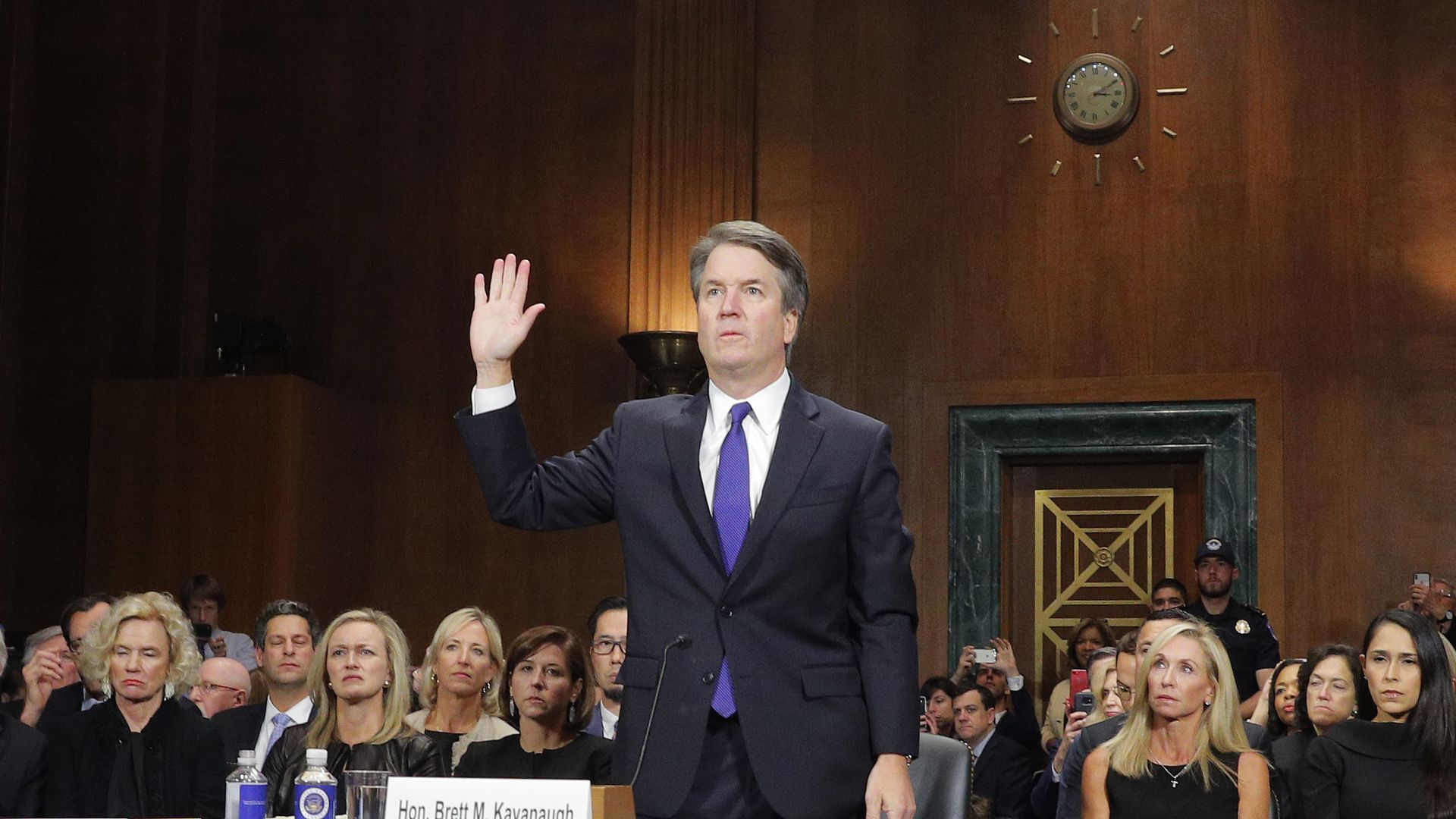
20 million people tuned in to at least part of the Kavanaugh hearings on TV Thursday, just slightly higher than the final number of Americans who watched the James Comey hearings on TV last year.
Why it matters: The drama has captured the attention of the nation because of its historic implications both for the makeup of the Supreme Court for the next several decades and for the momentum of the #MeToo movement.
The S&P 500 index had its best quarterly gain in four years, with health care as the standout sector.
Why it matters: Investors prioritized rosy corporate earnings over escalating trade tensions and rising interest rates, which many predicted would drive stocks down.
Amazon has reached staggering heights and revolutionized shopping in the U.S. and beyond, but CEO Jeff Bezos still sees a threat: the physical stores he has supposedly vanquished.
The big picture: For all the hoopla around e-commerce, physical stores continue to command some 90% of the retail pie in the U.S. — and will for at least another decade, experts predict. That has left Amazon and other online retailers preparing to set up their own physical stores, with the aim of capturing as much of the remaining pie as they can.
The Justice Department’s top antitrust regulator said Friday that he has grown concerned about changes to the local media market in an age of increased consolidation and ad revenue lost to platforms like Facebook and Google.
Why it matters: Facebook and Google have been squarely in the sights of publishers for years, who would likely be pleased by some sort of action on the issue from DOJ.
U.S. consumer spending in August rose at the slowest pace since February, according to new data released by the Commerce Department on Friday.
Why it matters: While economists were expecting spending to tick slightly higher, the pace of consumer spending has been strong in the past few months. Another data point released on Friday, personal income, rose — a signal that consumers have more money in their pockets.
The Brett Kavanaugh hearings were a rare case where all of the evening cable news shows covered the same thing — but those shows reinforced the wildly different views Americans had of what happened and what it meant.
Why it matters: We're living in different universes of news now, and if your news diet is heavy on Fox and MSNBC, your impression of the most polarizing Supreme Court nomination in decades will be different from much of the rest of the country — because it has been shaped to fit what you want to hear.
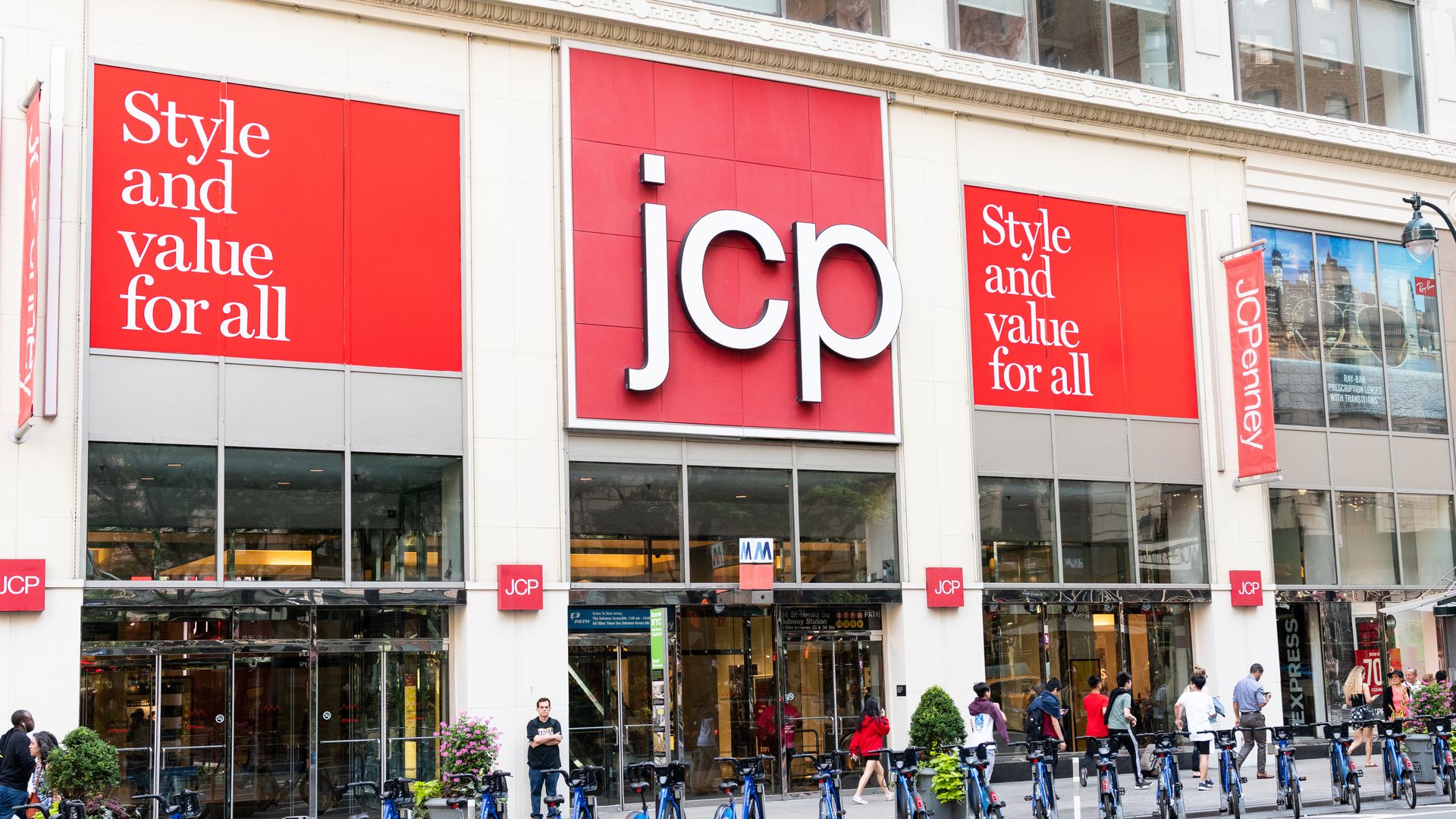
JCPenney will soon be on the hunt for a new chief financial officer after Jeffrey Davis announced the he will leave the retailer by the end of this month, according to the Financial Times.
Why it matters: The retailer — whose chief executive left to be CEO of Lowes — has had a rocky year adapting to the shifting dynamic of online shopping. The company is $4 billion in debt with a stock price below $2 a share. Davis has been with the company since February 2016, and is stepping down “to pursue another opportunity,” effective October 1.
CollegeHumor, a comedy website owned by holding group IAC, is launching DROPOUT, an ad-free subscription service.
Why it matters: It's the latest example of a publisher creating a new revenue stream and a new way to connect with its audience. Many internet users have become frustrated with advertising, and are willing to pay for content they like on a subscription basis.
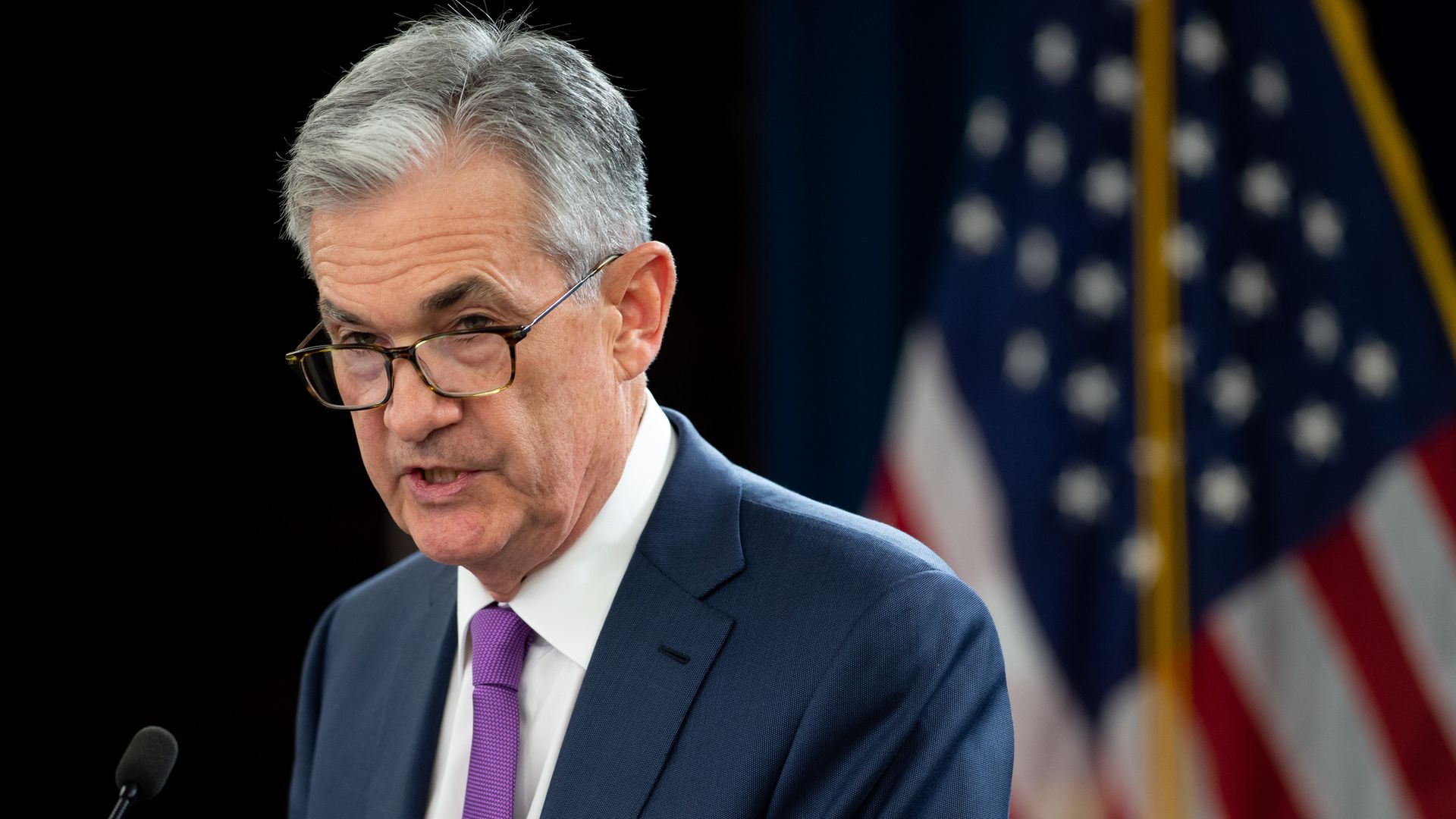
Federal Reserve Chairman Jerome Powell said at a news conference on Wednesday that "broader" measurements of income are better, but declined to comment on the White House's alternate proposal to calculate wage growth.
Flashback: Powell called tepid wage growth puzzling in recent months. The Council of Economic proposed its own methodology — accounting for non-cash benefits (bonuses, paid time off and health benefits) and a different measurement of inflation — which showed strong wage growth. That was before paychecks grew in August at a rate we haven't seen in almost a decade.