Acxiom, one of the largest publicly-traded ad tech firms, has sold the majority of its business to Interpublic Group (IPG), one of the largest global advertising holding companies, for $2.3 billion, the companies announced Monday.
Why it matters: It's the latest major ad tech company to go through a big sale as the data-driven advertising market continues to be squeezed by business pressure from tech giants like Google and Facebook and regulatory pressure around data privacy.
America's teens are no longer working at the rate of their parents, as the recession-driven collapse in the teen workforce has collided with new priorities for our nation's youth, according to a new Pew Research Center report.
Reproduced from Pew Research Center; Note: "Summer" is an average of June, July, and August; Chart: Axios Visuals
The Capital Gazette published a letter of appreciation Sunday thanking the local community for its support — in the form of cards, letters, emails, food, and flowers —after five employees from the Annapolis newspaper were killed in a mass shooting.
However, its staff also wrote that the paper will never forget the influx of "death threats and emails from people we don’t know celebrating our loss." And, in an apparent dig at President Trump, the staff also wrote that they "won’t forget being called an enemy of the people."
Helios and Matheson Analytics, the parent company of movie theatre subscription service MoviePass, said Monday that it has filed a registration statement with the U.S. Securities and Exchange Commission to generate up to $1.2 billion in equity and debt securities over the next three years.
The backdrop: This comes less than two weeks after the New York-based data and analytics company launched a $164 million bond sale to provide capital funding for the subscription service to stay afloat.
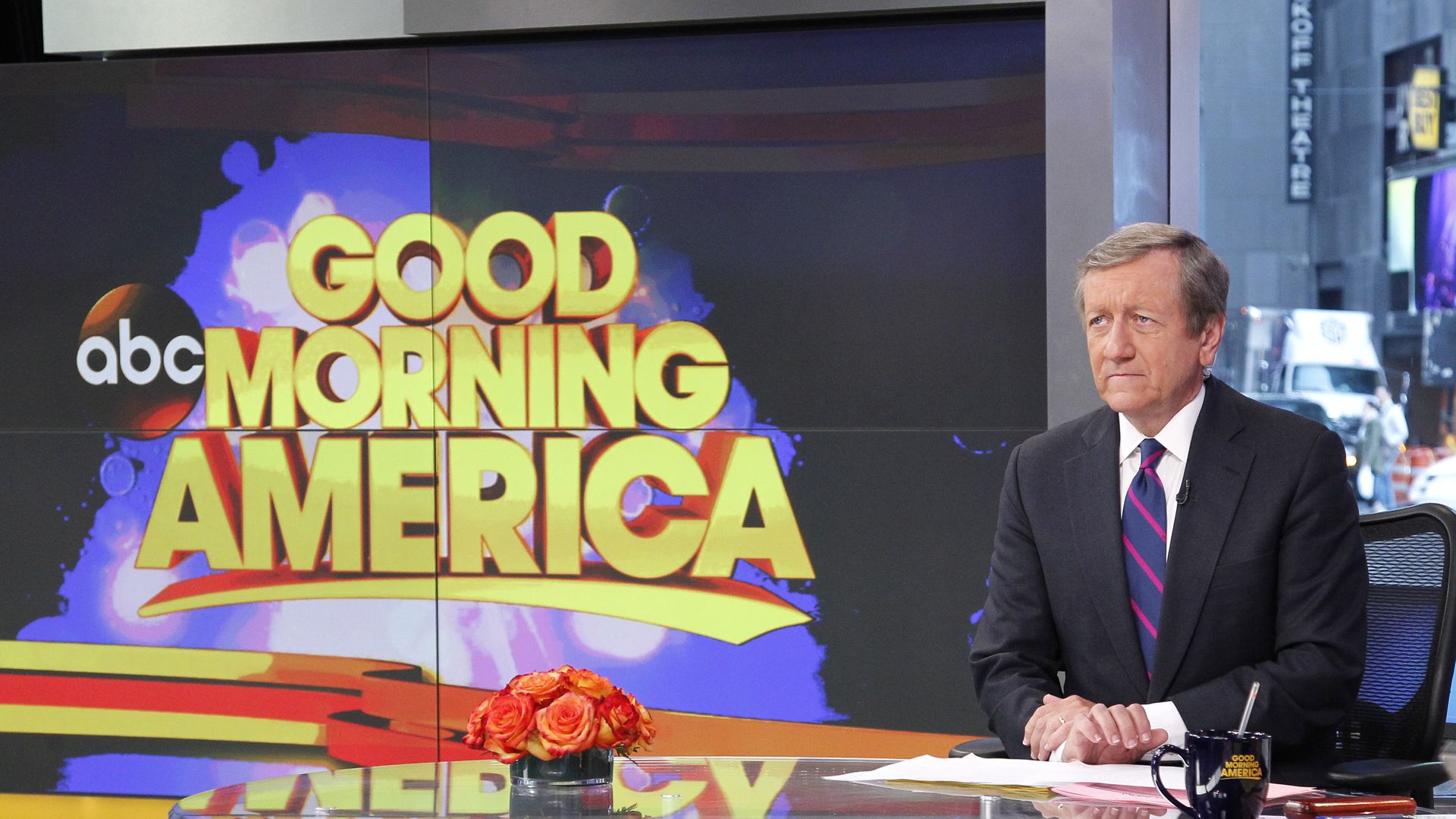
ABC investigative reporter Brian Ross and investigative producer Rhonda Schwartz are leaving ABC after more than two decades at the network, reports CNN's Oliver Darcy, who obtained an internal memo announcing their departures.
The backdrop:Ross was suspended from ABC for four weeks without pay in December for an incorrect report about Trump's former national security adviser, Michael Flynn. The report made no mention linking this incident to Ross and Schwartz's departures. The two said in a statement that, despite their exit from ABC, they plan to continue working in investigative journalism.
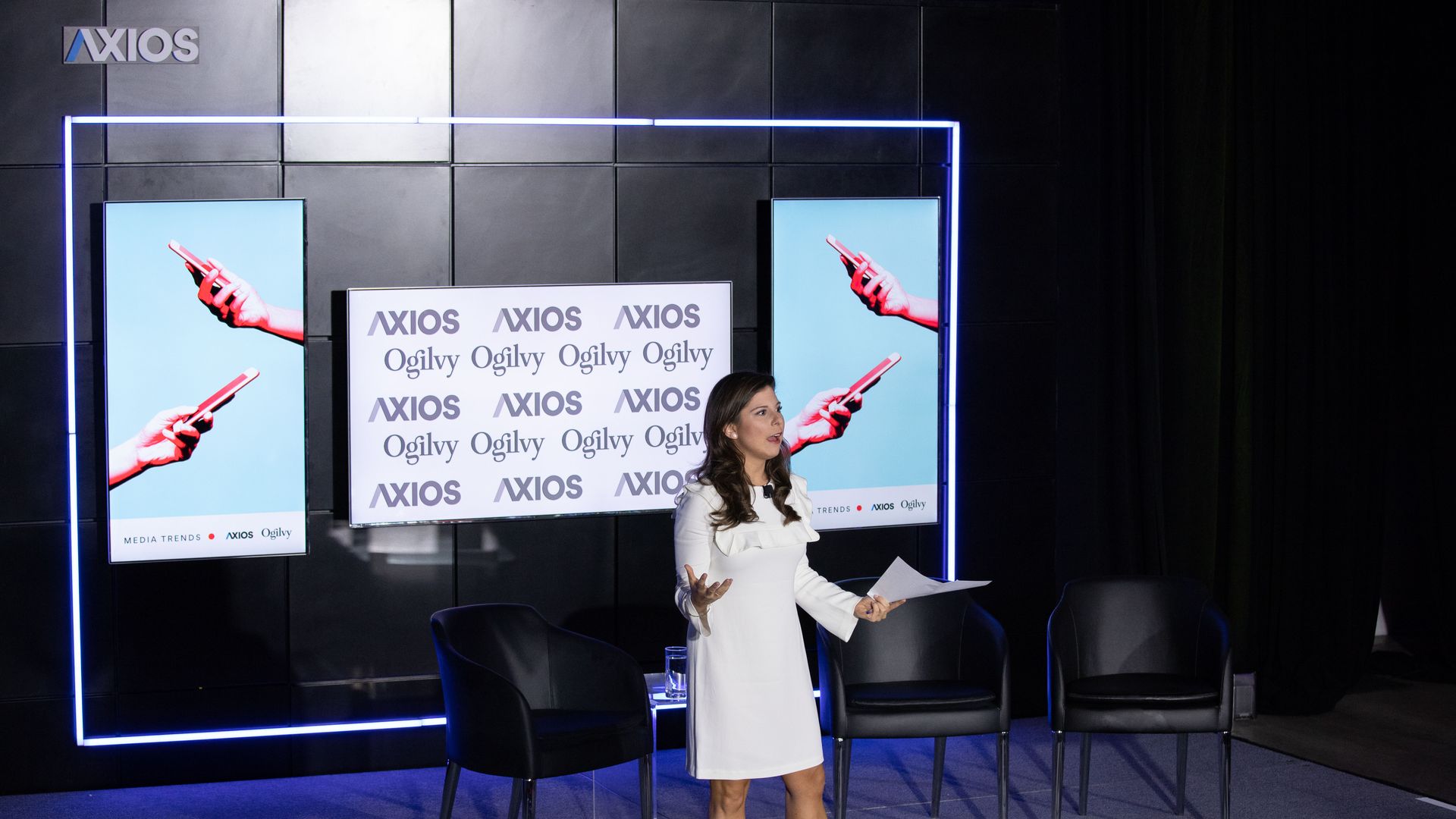
The future of media is: "storytelling" "immersive" "engagement" and "quality" according to the line-up of experts Axios Media Reporter Sara Fischer hosted for our second Media Trends event.
The big picture: To illuminate the trends shaping the future of media, Sara spoke with marketing and advertising leaders from the platform, publisher, agency and brand sides including:
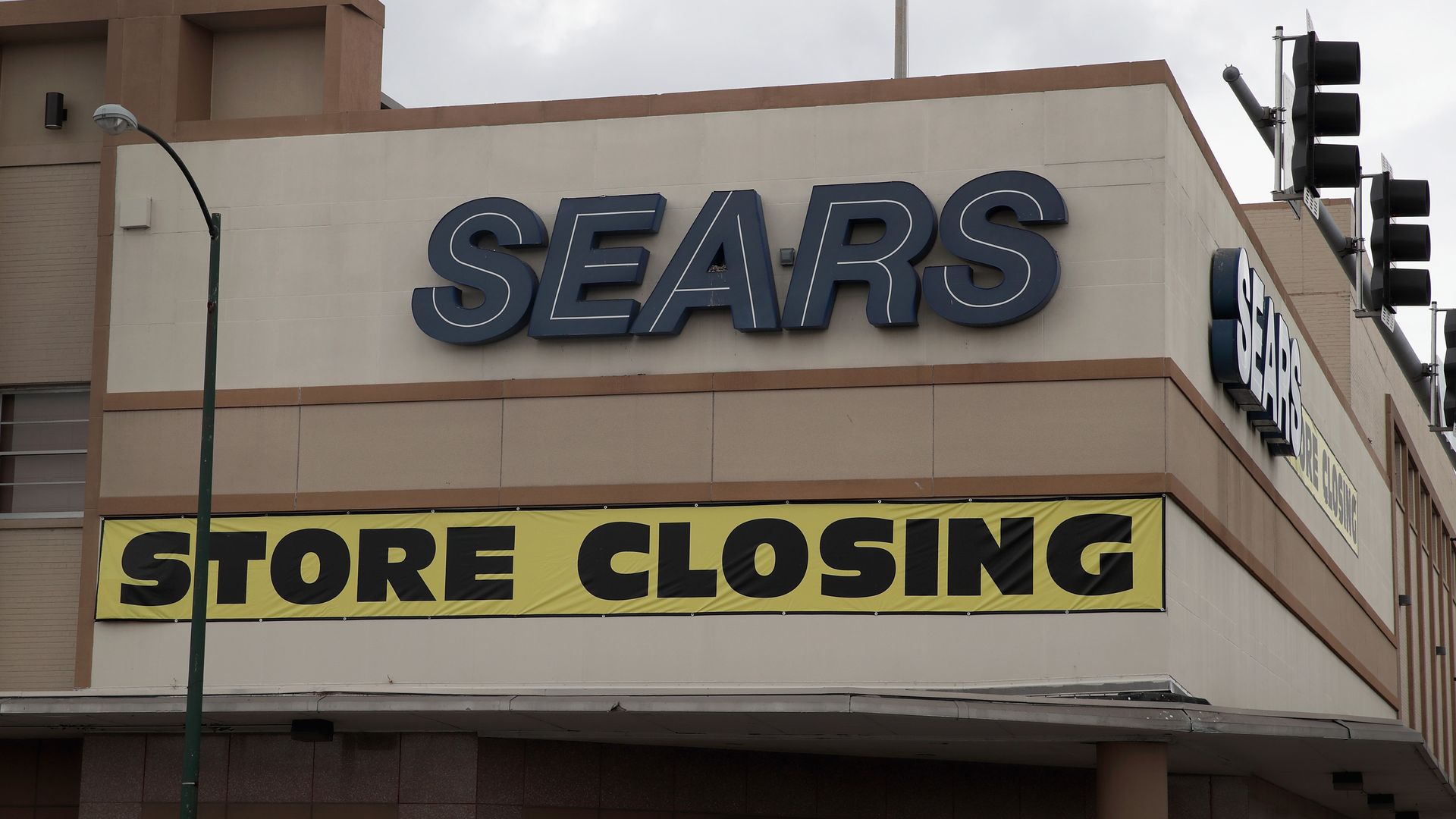
Sears Holdings is now set to close 78 stores by September — adding another 10 to its list — as it continues to evaluate the future of its brick and mortar locations, USA Today reports.
The big picture: The company says it has more than 100 unprofitable stores. Once one of the country's major retail giants, Sears has faced tremendous pressure thanks to the online retail boom led by Amazon. In May, the company announced it would be closing 72 Kmart stores and Sears stores — after it closed roughly 400 locations in 2017.
The U.S. Chamber of Commerce launched a new lobbying campaign on Monday to illustrate the ways that the Trump administration's tariffs can hurt every state in the nation economically.
Why it matters: The nation's biggest business group — with 3 million members, per Reuters, who first reported the campaign — is usually an ally of the Republican Party and its politicians. And it has previously advocated for economic moves from the administration, like the GOP's new tax law, so its opposition is striking.
Chinese President Xi Jinping’s Belt and Road Initiative (BRI) — his vision for putting Beijing at the center of the global economy through $1 trillion in new infrastructure, trade deals and other connections — has encountered trouble in recent months, creating a backlash among both participating and prospective countries.
Yes, but: Just when the BRI is struggling, U.S. trade policy, especially President Trump's tariffs and reported threats to withdraw from the World Trade Organization (WTO), might unwittingly give it a boost.