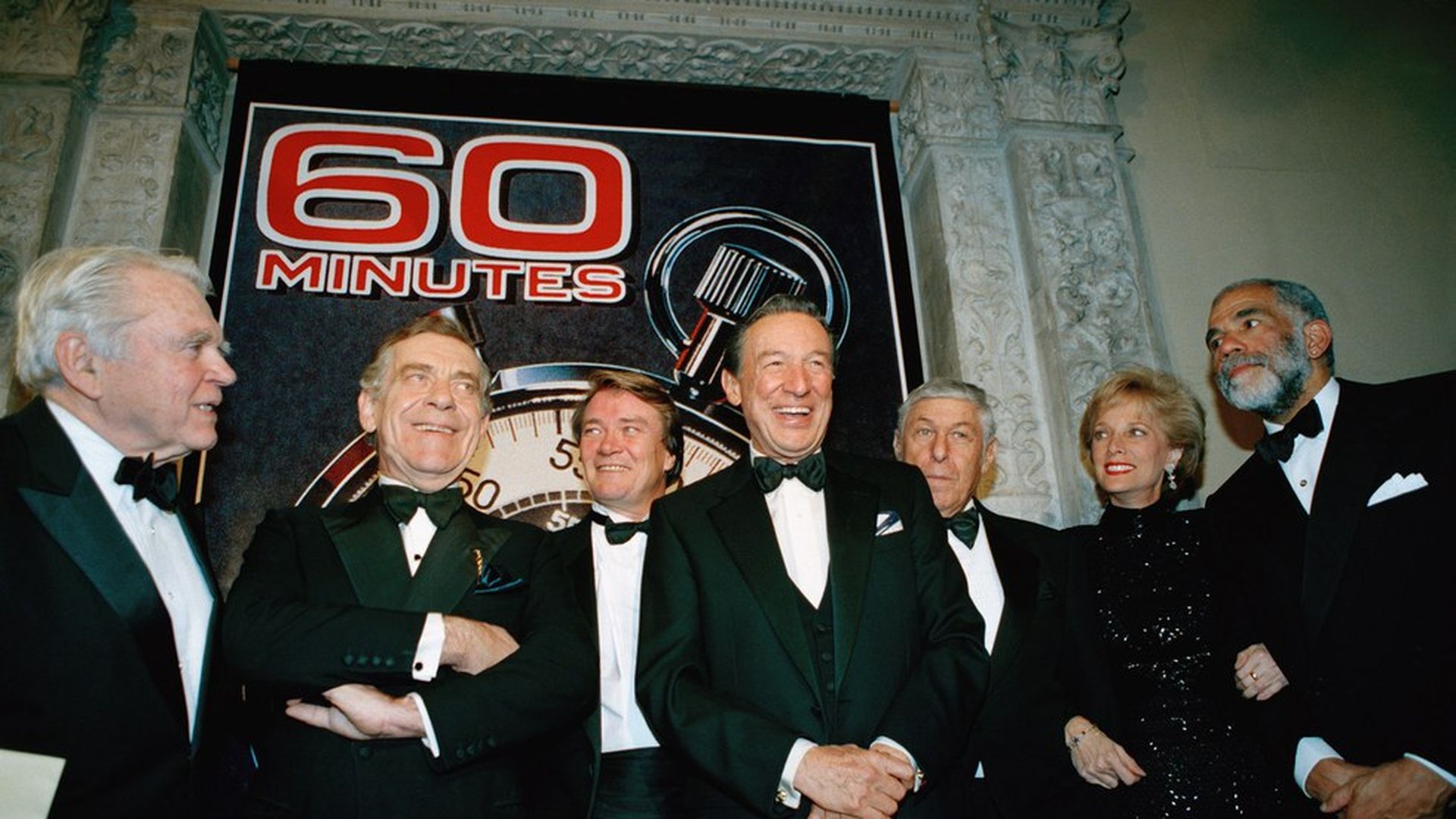
The 50th anniversary season premiere of "60 Minutes" (Sunday at 7:30 p.m. on CBS) will feature stories from Scott Pelley (what Hurricane Harvey tells about the impact such weather will have on cities in the future), Lesley Stahl (talking to Sen. John McCain about how he learned about his brain tumor); and the debut of Oprah Winfrey as special contributor, exploring the political divide that's stirring America.
Video clip: See the Harry Reasoner and Mike Wallace open from the first-ever broadcast of "60 Minutes," on Sept. 24, 1968: "Kind of a magazine for television."
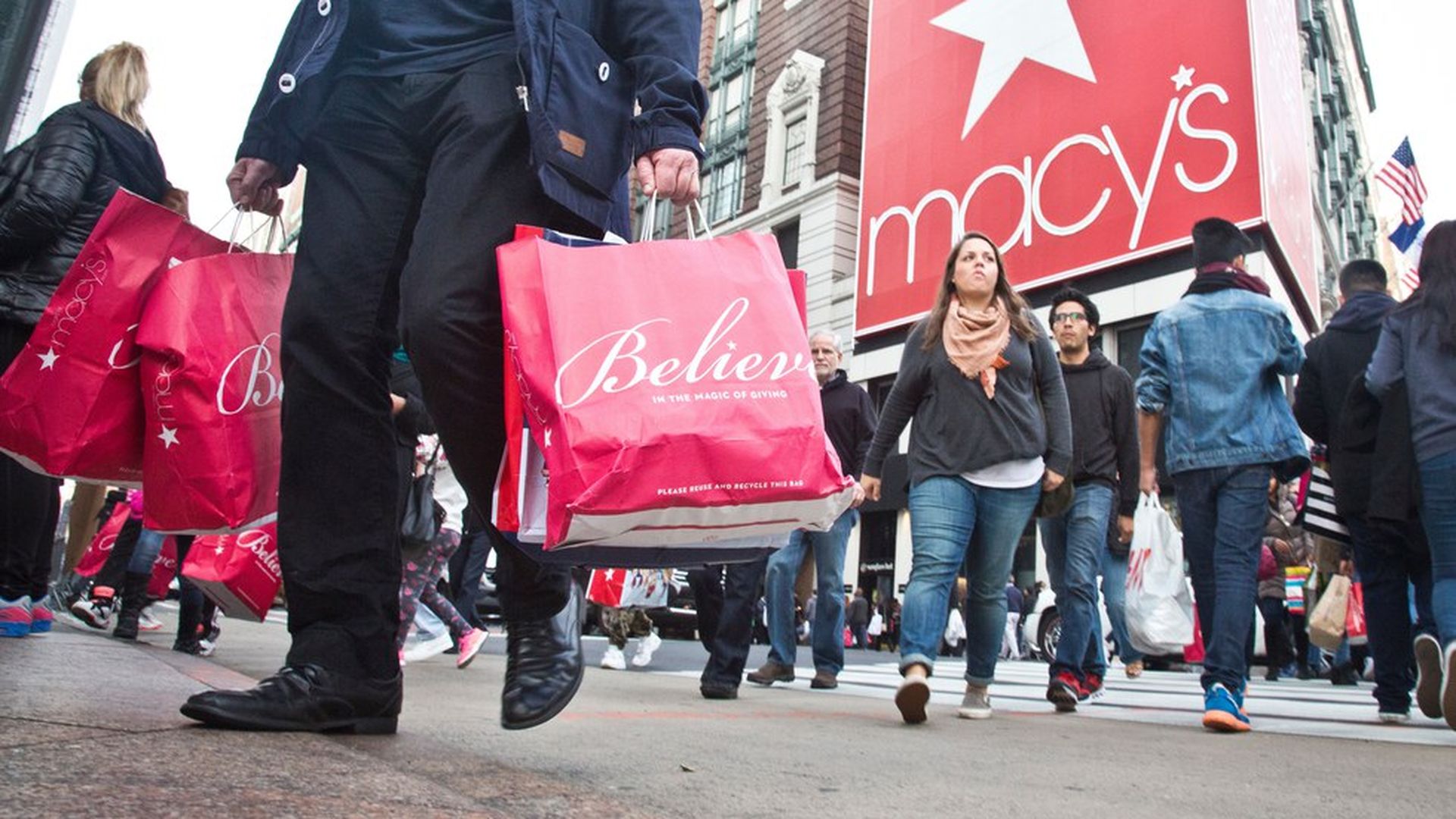
As brick and mortar stores struggle to stay afloat in the age of online shopping, the habits of the next generation of shoppers, Gen Z, will be key to determining their survival. So Adyen, a global payments processor, conducted a survey to find out what they're looking for when they shop.
The big picture: Gen Zers have grown up almost entirely in the digital age — they're currently 22 and under — and 75% say they spend their spare time online, with much of that time spent on mobile. That not only makes a store's online presence essential, it changes what younger customers are looking for in-store.
In an effort to self-regulate advertising on its platform, Mark Zuckerberg announced Thursday that in the coming months, Facebook will not only require that political advertisers disclose which Facebook page paid for an ad, "but we will also make it so you can visit an advertiser's page and see the ads they're currently running to any audience on Facebook."
Why it matters: Ad buyers overwhelmingly support Facebook's efforts to be more transparent and to crack down on ads that lead to bad pages, but worry about how publicly disclosing their ads will change the way they compete with those advocating for opposing ideologies.
German labor leaders don't fear technological unemployment but say they are embracing the robot revolution as an inevitability that can be leveraged to supplement an aging workforce and relieve workers from onerous, dangerous tasks.
Why it matters: Unions in the United States and Europe were caught flat footed by deindustrialization, which took jobs from their members through automation and outsourcing. German labor groups say that to survive they must both protect remaining industrial workers, but also prepare for the economy of the future, and recruit workers who will be working along with robots and artificial intelligence.
Walmart isn't hiring seasonal workers this holiday season, and will instead increase existing employees' hours, a decision that underscores the American consumer's strengthening preference for online rather than in-store shopping.
Why it matters: According to retail consultant Challenger, Gray, and Christmas, seasonal retail employment grew last holiday season at the smallest rate since 2009. Seasonal jobs in warehousing and transportation of goods sold online are partly making up for the loss of in-store employment, but those jobs tend to be less evenly distributed geographically than traditional retail gigs.
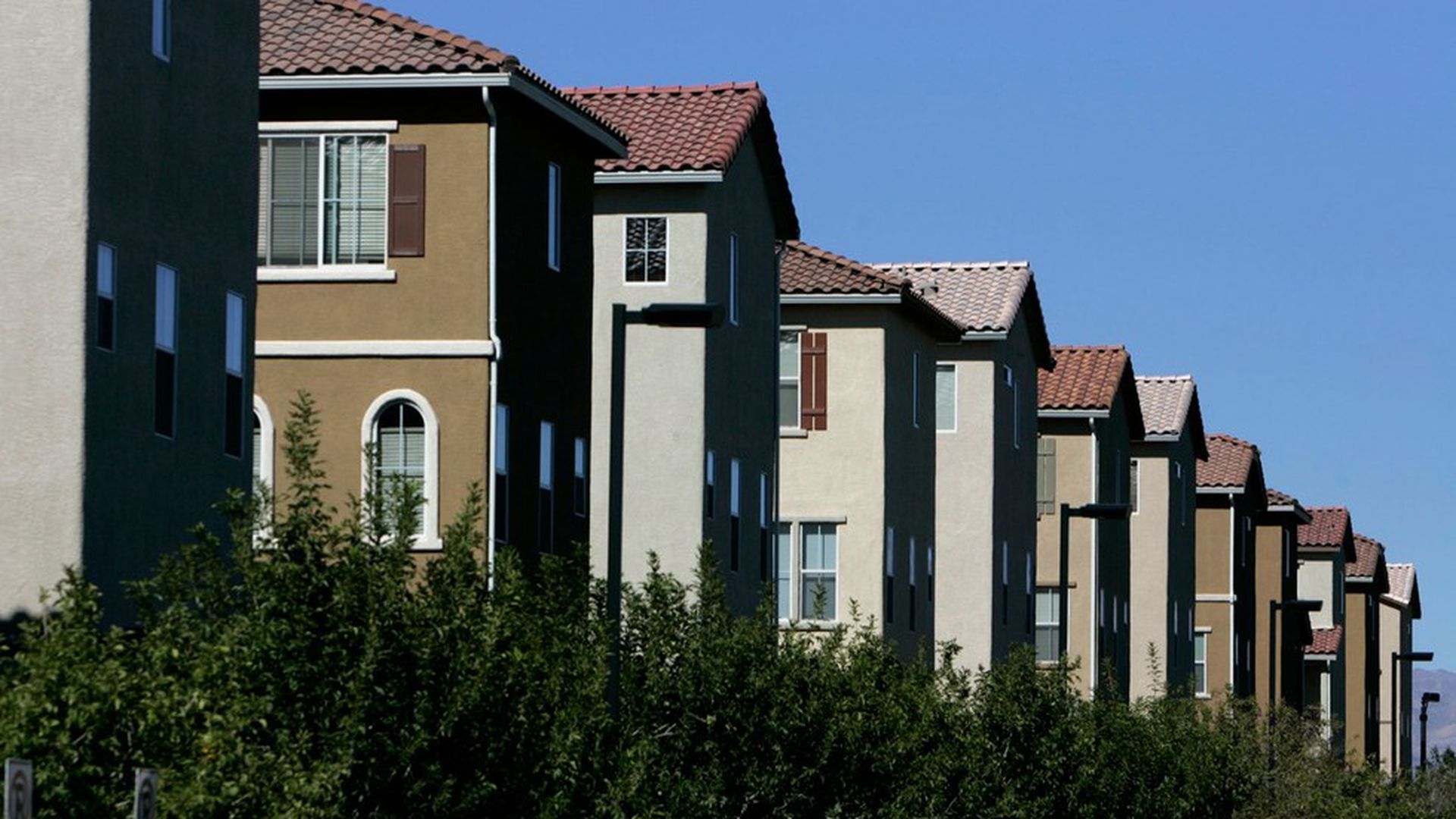
Many real estate markets across the U.S. are in the midst of an affordability crisis because of rising home prices, tight access to credit, and a homebuilding industry that has been slow to build new homes. That's made it hard for renting millennials — the oldest of whom are well into the prime homebuyers years of their mid-thirties – to afford down payments. 70% of them in a recent survey by real estate data company Zillow said that saving a down payment was the single biggest factor preventing them from buying,
Why this matters: Entrepreneurs across the country are recognizing the opportunity to profit from a broken real estate finance industry that is failing to serve many prospective homebuyers. Startups like Unison and Loftium are looking to profit by investing money upfront with real estate shoppers.