Friday's economy stories

Job growth soars in June, but wage growth still disappoints

The U.S. economy added 222,000 jobs in June, while the unemployment rate rose slightly to 4.4%, as more Americans joined the labor force, the Bureau of Labor Statistics announced Friday. Economists were expecting 178,000 jobs and an unemployment rate of 4.3%.
The sectors adding the most jobs include health care and food services. Retail, which has been shedding jobs of late, added a modest 8,000 new jobs, while the mining-support sector added 7,000 new jobs.
Why it matters: The report will cause consternation at the Federal Reserve, as it showed little acceleration in wage growth. As University of Michigan economist Justin Wolfers puts it:
Without rising worker pay, there's little reason to expect the Fed will aggressively raise interest rates to beat back inflation. At the same time, some Fed members are worried that keeping interest rates unusually low is causing investors to take on too much risk.
Tesla's first mass-market electric

Tesla will complete production of its very first Model 3 vehicle today. It won't be the only mass-market, all-electric, 200-mile sedan on the market — GM grabbed first-mover status in December, when it began selling its 238-mile Chevy Bolt. But the Model 3 will nonetheless be singular: Not only will the car be sleek and desirably cool, but it will be equipped with self-driving hardware — one more perk that has motivated 400,000 people to put down $1,000 apiece to reserve one.
All of which is to say that, of the dozens of electrics to reach the global market in the coming five or so years, the Model 3 probably stands the best chance of popularizing a new mass-market electric car age. Rappers are penning verses about no other electric.

Google's new play for mobile ads
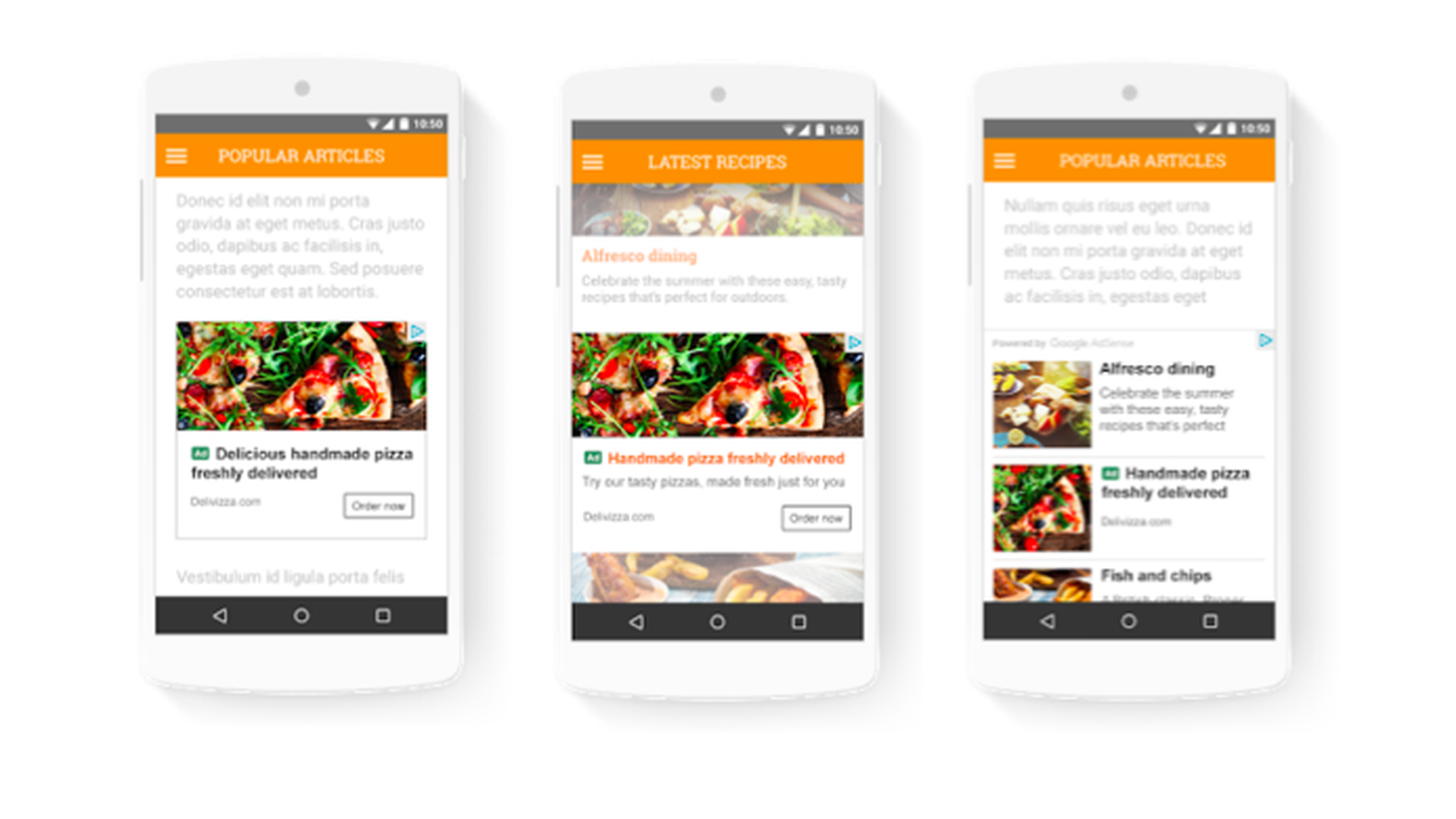
Google's introducing three new ad formats for AdSense, its ad placement service that serves millions of advertisers globally. The new formats are "native" ad formats, meaning they are highly customizable to match the look and feel of a publishers' content, and are very mobile-friendly.
From a user perspective, native formats can make for a less intrusive experience, although can sometimes be confused with content if not properly labeled. From a publisher perspective, the updates will make it easier to create ads for different screen sizes.
Why it matters: Google has been aggressively pushing efforts to improve the user ad experience on its platform, including these new ad units, but some search engine optimization experts argue the changes will only further bury publishers' organic content on its platform.
Baidu is giving away its self-driving car tech for free

Chinese search giant Baidu announced Wednesday that it is offering its Apollo self-driving car technology free, MIT Technology Review reports.
The decision to make its software open source aims to allow China's auto sector to catch up in the race to put fully autonomous cars on urban roads, which Baidu plans to accomplish by the end of 2020. Startup AutonomouStuff demonstrated Apollo's bootstrapping capabilities, presenting a Lincoln vehicle that it turned into a rudimentary self-driving car using the Apollo technology in just three days.
Why it matters: American software designers have guarded their self-driving car technology, but Baidu's open source strategy is meant — like Google did with Android — quickly amass driver data necessary to test and improve its code. The Chinese government also likes the open-source model, as it will help them better regulate the technology and use it for urban planning.

OnboardIQ raises $9 million to help hire hourly workers
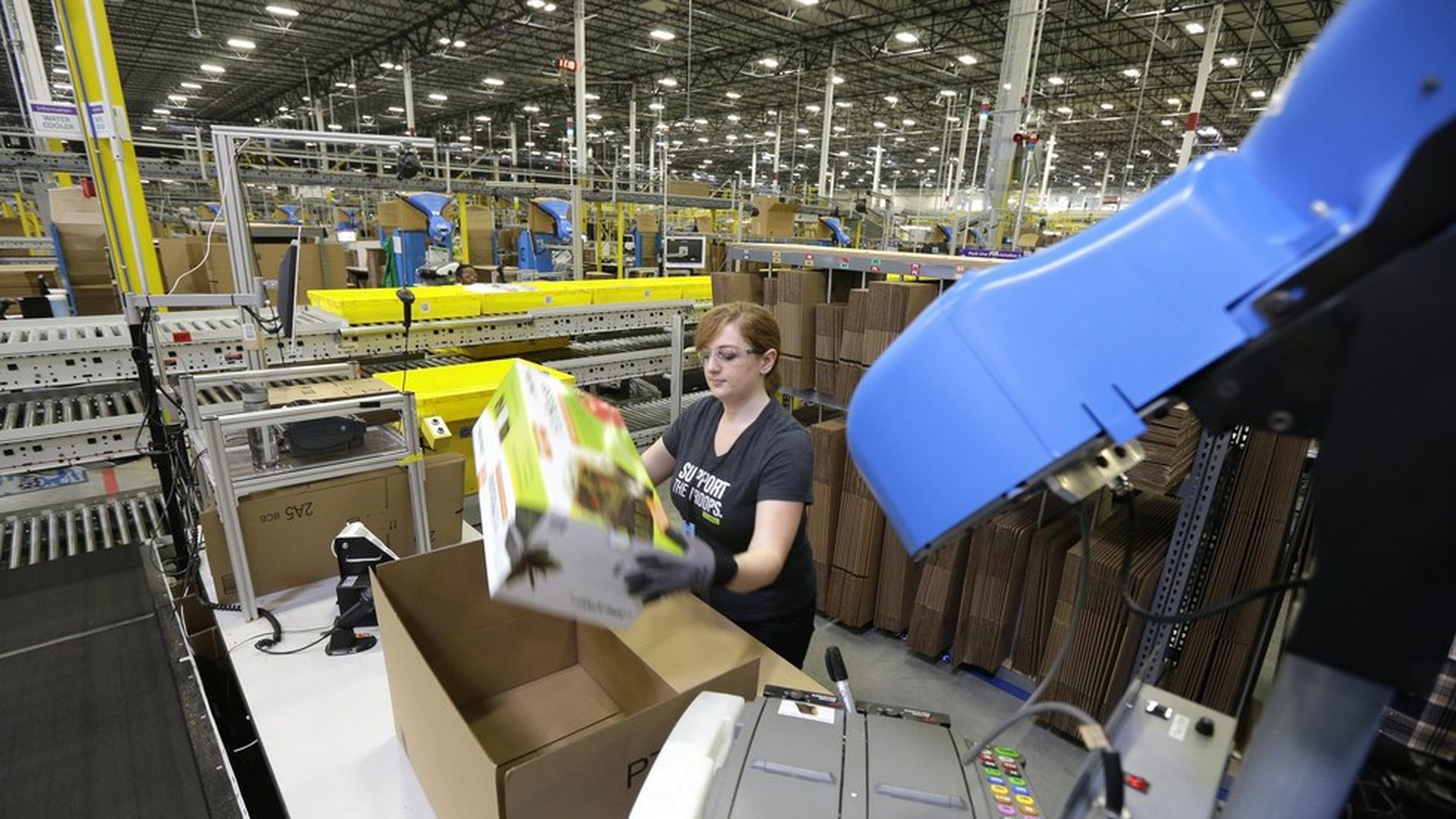
OnboardIQ, a three-year-old startup that provides an applicant tracking system for hourly workers, has raised $9.1 million in Series A funding. The company's product lets employers accept job applications, communicate with candidates, and even automates tasks like sending out paperwork and scheduling interviews.
Why it matters: As new business models and technology are changing the labor needs in a growing number of industries from retail to logistics, employers need new tools to hire hourly workers more efficiently.
Key trend: From processing more than 3.4 million job applications (yielding 400,000 hires), OnboardIQ has noticed that about one in five candidates ends up applying to work at another company. According to co-founder and COO Jeremy Cai, this is consistent with workers' two primary priorities — having flexibility and more work hours — both of which they achieve by working for multiple services.