Tuesday's economy stories

Swedish hospital tests defibrillator delivery by drone
The Karolinska Institute in Sweden tested drones to rush defibrillators to simulated heart-attack patients and found they arrived in an average of 5 minutes and 21 seconds, versus 22 minutes for an ambulance to arrive in a six mile radius.
Why this matters: The survival rate for people who go into cardiac arrest outside of a hospital is low: 8-10% in the U.S. Reducing the time that elapses before defibrillation is a key factor for increasing survival, according to the American Heart Association.
The limitations: The 18 trial runs were only performed in good weather conditions, the authors note. And when a drone lands, there may not be someone trained in defibrillator administration but bystanders talking to paramedics over the phone or through a speaker on the drone could talk them through the process.

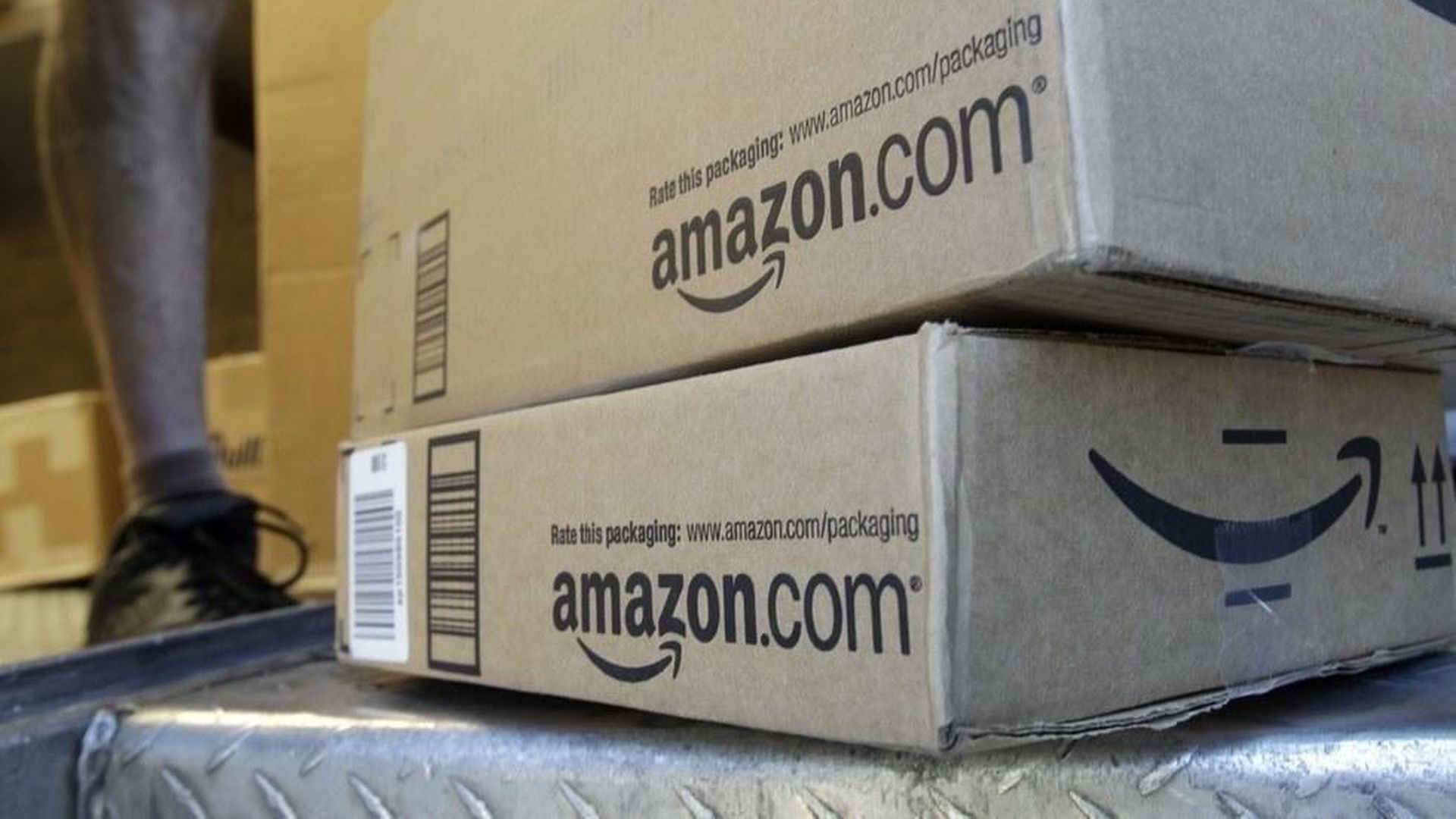
Amazon shows why robots won't cause mass unemployment
If you want evidence that AI technology won't lead to mass unemployment, look no further than AI pioneer, Amazon. That's according to Silicon Valley intellectual Tim O'Reilly, who writes in a recent Medium post:
"Amazon is constantly upping the ante. It doesn't just cut costs. It uses technology to do more, delighting customers with better service and lower prices. And of course, Amazon's customers respond by buying more products."
Amazon isn't using better technology and processes to cut jobs ā its headcount is growing every year, while it offers improved service, often at no extra cost. Amazon also supports small businesses that do business on its platform, many of whom wouldn't be in business without those services.

There's now a "Yelp for on-demand services"
New York City-based startup DeliveryDino wants to make it easier for consumers to navigate the growing gig economy. The startup's website serves as a sort of "Yelp for on-demand services."
How it works: DeliveryDino's website provides descriptions, customer reviews, and promotional discounts for various on-demand services, which consumers can filter by city and category. The startup says it covers 12,500 cities worldwide.
Bigger picture: On-demand and sharing services are becoming increasingly popular. In fact, about 72% of Americans have used at least one such service, according to a 2016 Pew Research Center study, and recent data from Intuit and Emergent Research predicts that by 2021, 9.2 million Americans will be gig workers. So it's no surprise that consumers are looking for more information about these services to help them choose where to spend their dollars.
Cable news goes to war
Variety's soon-to-be published cover story, by Brian Steinberg and Cynthia Littleton: "Unprecedented audience interest post-election has ratcheted up the competition between the biggest stars in cable news, with CNN, MSNBC and Fox News pulling out all the stops to claim victory."
- "The ratings growth for news programming ... comes at a time when the largest broadcast and cable networks are struggling with ratings erosion for primetime entertainment programming. Media buyers ... recognize that it's hard to beat real-world politics for intrigue and suspense."
- "The notion of taking a summer vacation right now seems unrealistic for most newsies."
- CNN's Erin Burnett: "It's like you're running a marathon ... at a sprint's pace."

More older Americans getting news on mobile
More than 80% of U.S. adults get news on their phones -- up from roughly half of Americans just four years ago, according to a new survey from Pew Research Center. Most of that growth comes from adults older than 65 whose news consumption via mobile spiked almost 25% in the last year, and has tripled over the past four years. The next oldest group of adults shows a similar pattern.
Data: Pew Research; Chart: Lazaro Gamio / Axios
Aldi's plan to become the 3rd-biggest U.S. grocer
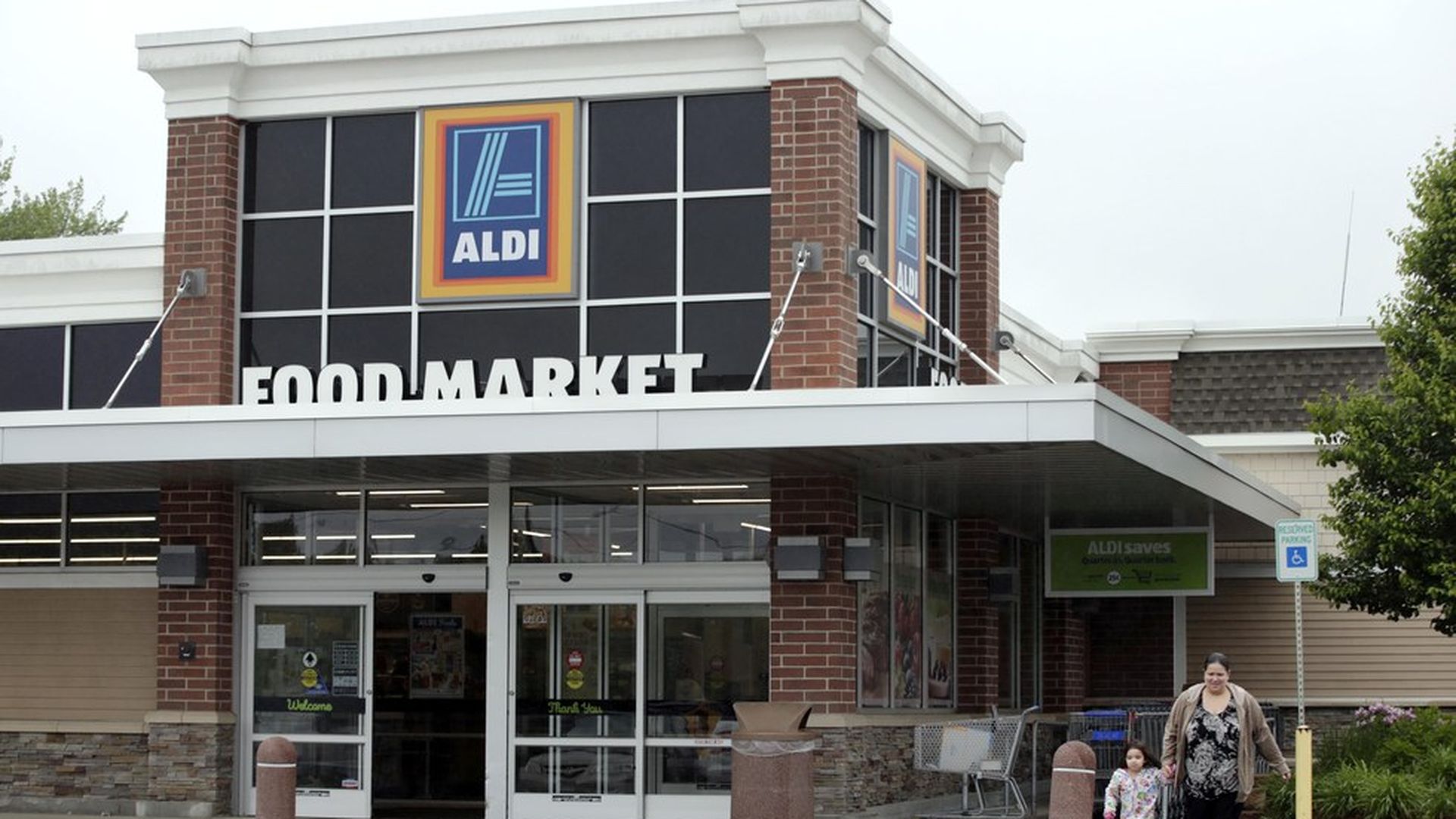
Discount grocery chain Aldi unveiled a plan Monday to invest $5 billion in the U.S. and increase its American store count to 2,500 in a move that will make the firm the third-largest grocer in the United States, behind Walmart and Kroger.
A bare-bones strategy: Aldi's rapid growth has been driven by offering a small selection of private-label brands in a small-store format. The firm has bet that shoppers are ready to trade selection and customer service for prices even cheaper than Walmart's.
What it means for workers: A recent analysis by British trade publication RetailWeek found that Aldi ranks as the U.K's most efficient grocer in terms of revenue per employee, and the firm is replicating this low-head-count strategy in the United States. The rise of Aldi dovetails with a recent trend of job losses in retail, and suggests that the industry will continue to search for success while trimming employment.