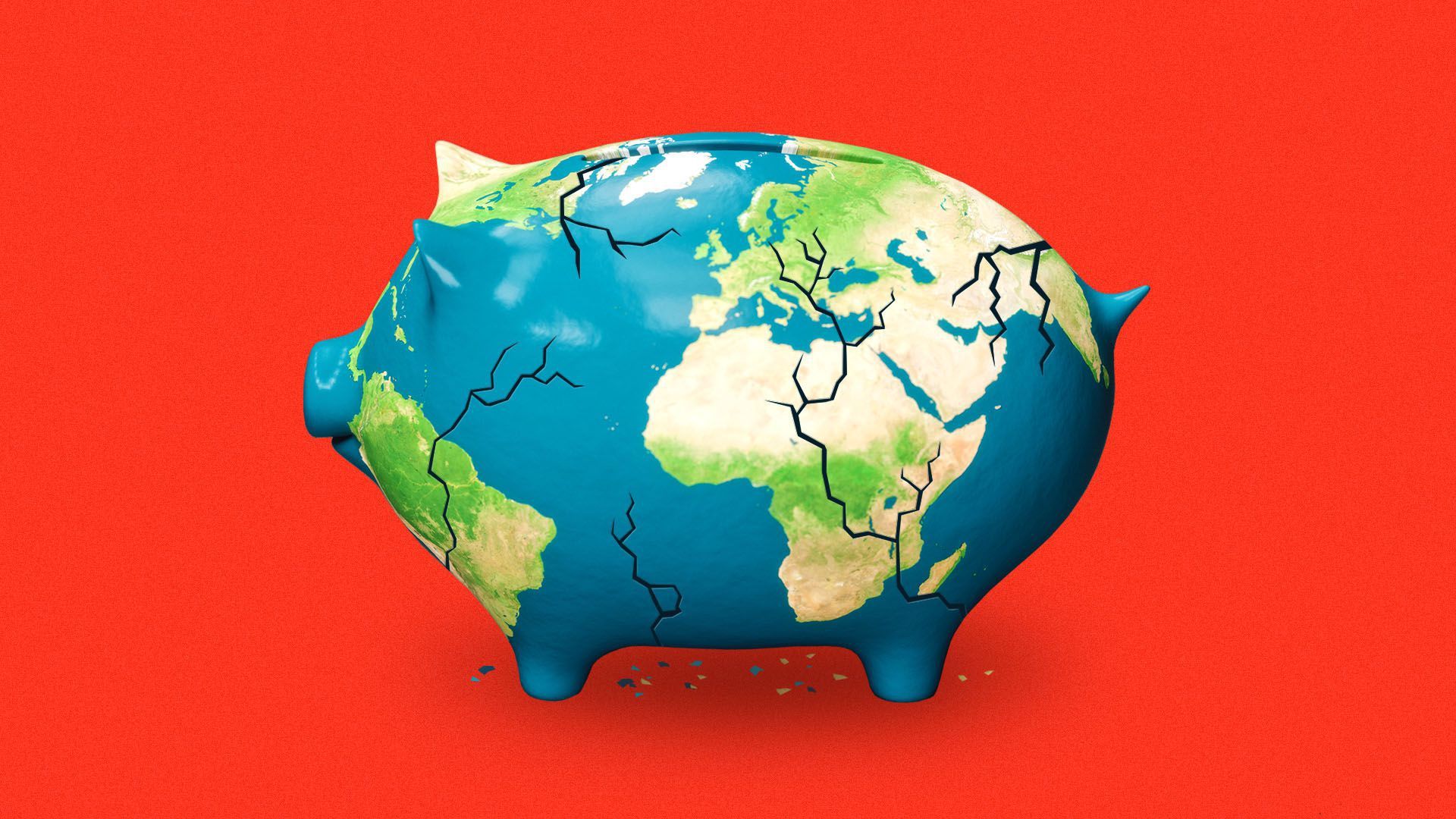
For the last two decades, incomes in poorer countries were catching up to rich countries. The pandemic economy of the 2020s may reverse the trend, the World Bank warns in a new report.
Why it matters: Falling inequality between countries has been one of the most positive trends of the 21st century. If it reverses, it implies more human suffering and geopolitical instability.
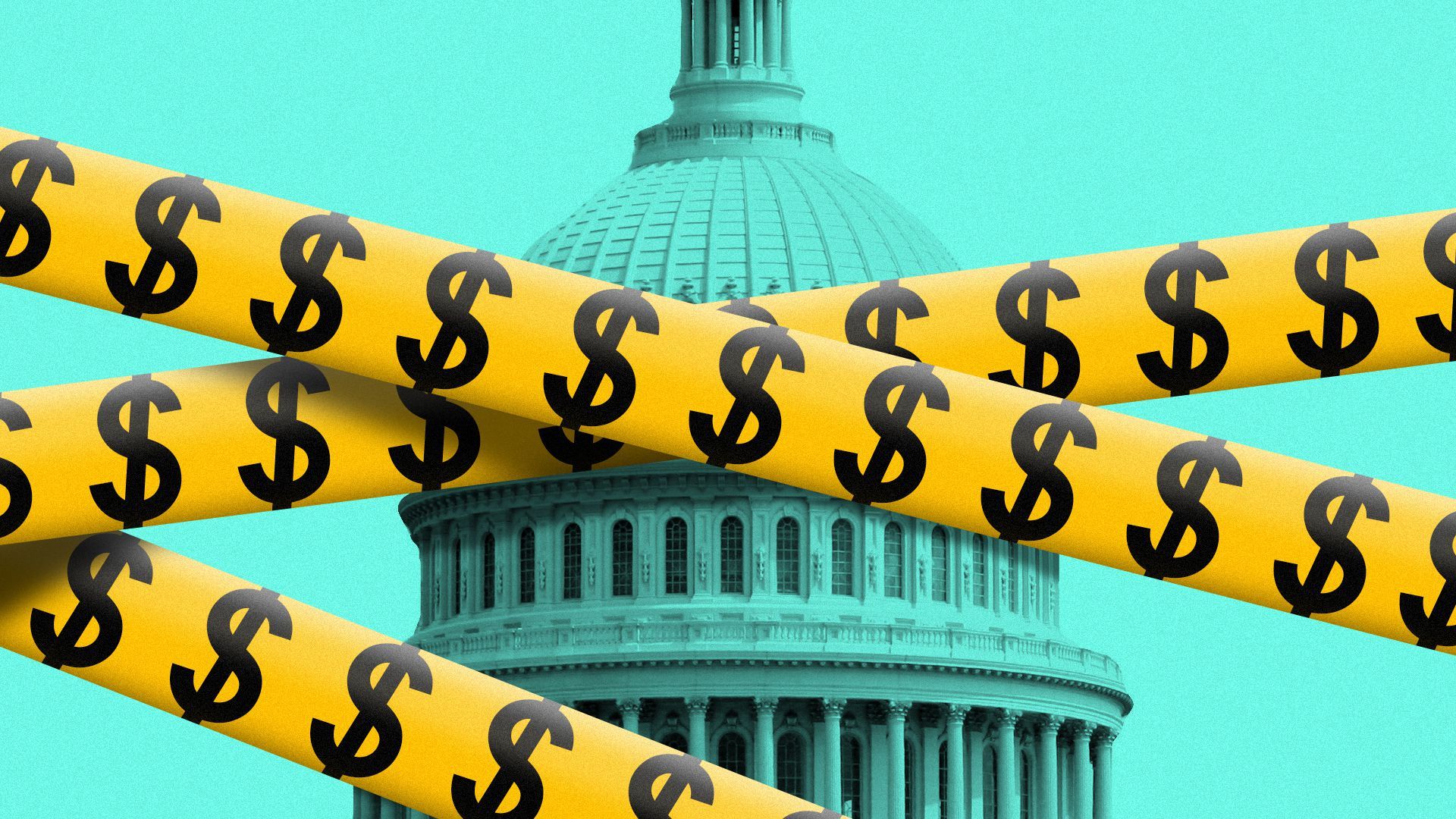
Some progressive Democrats and MAGA Republicans are uniting on a proposal to ban sitting lawmakers from trading individual stocks, although it's unlikely that leadership will bring the bill up for a vote.
Why it matters: Members of Congress have great power to move stock prices, and great financial incentives to do so.
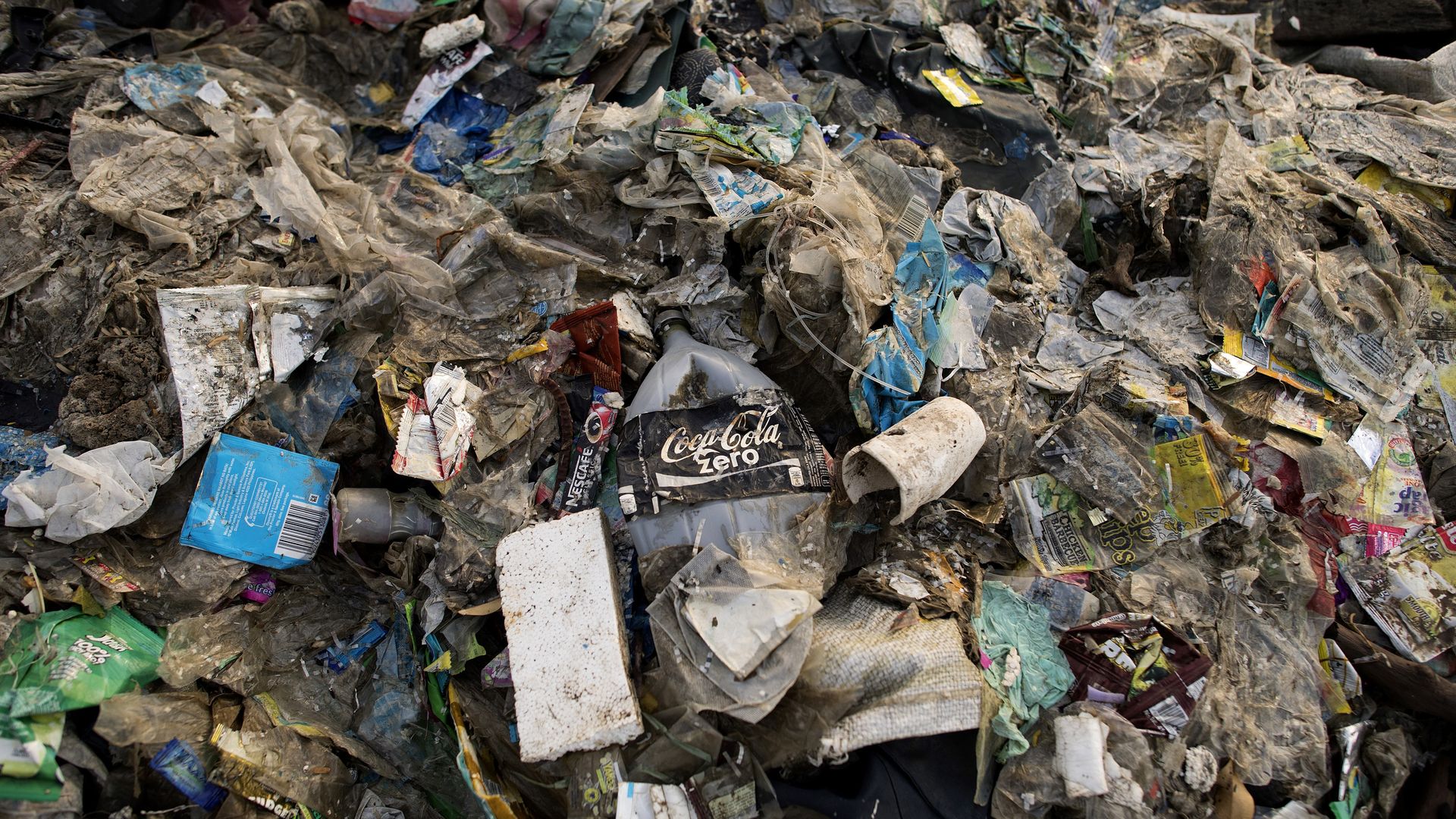
Coca-Cola, PepsiCo, Unilever and Ikea were among over 70 brands on Monday to issue a joint statement calling for a global treaty to fight plastic pollution that would include reducing production of the material.
Why it matters: The United Nations Environment Assembly (UNEA 5.2) that begins next month will see government officials gather to begin talks next month on a treaty on plastic pollution — "a key growth area for the oil industry," per Reuters.
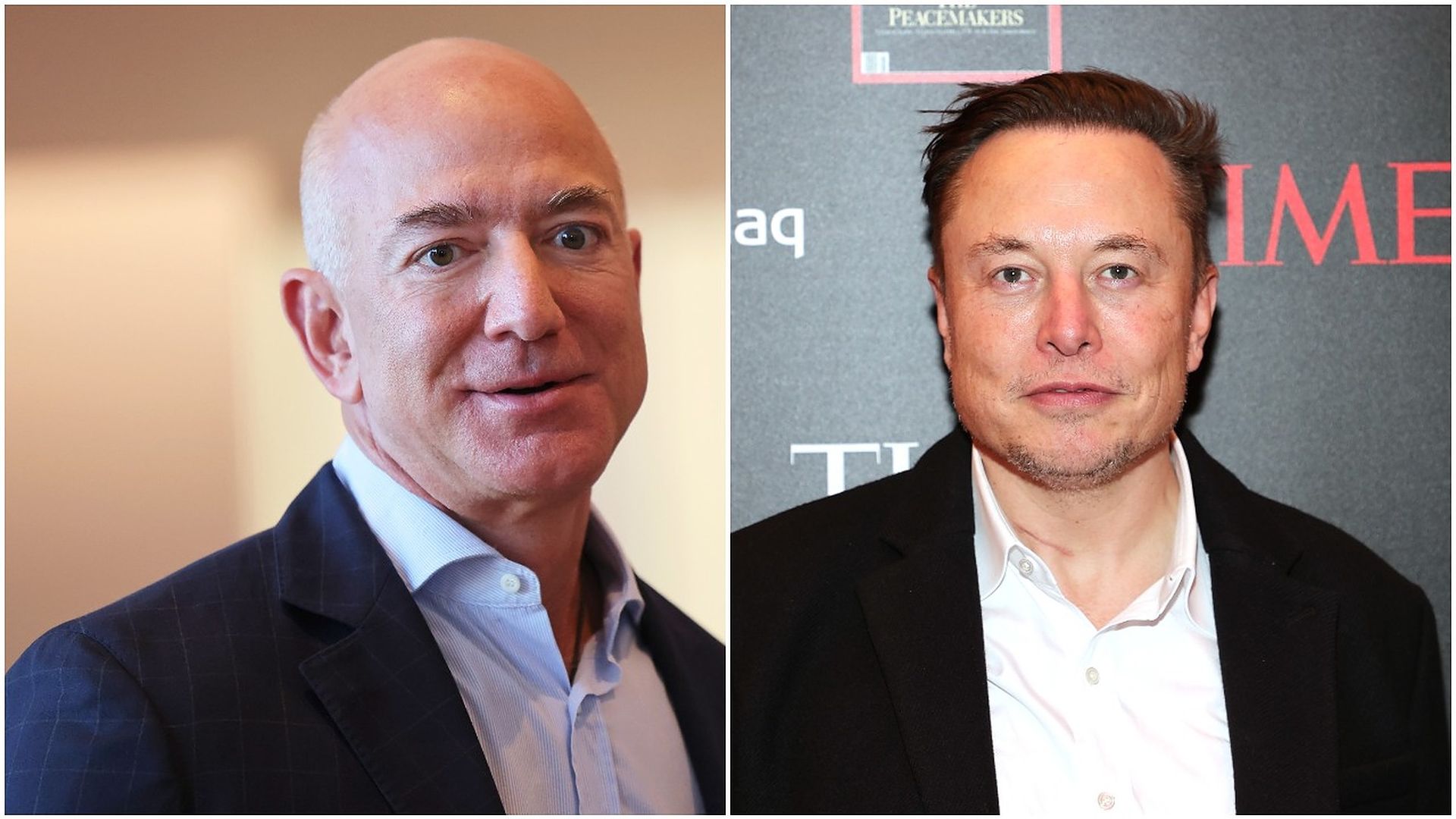
The world's 10 wealthiest men have increased their fortunes from $700 billion to $1.5 trillion since early 2020, per a report published Wednesday.
Why it matters: "The incomes of 99% of humanity are worse off because of COVID-19," according to the report, published by anti-poverty charity Oxfam ahead of the World Economic Forum's pandemic-delayed Davos Agenda, which begins Monday.
DirecTV, the satellite company jointly owned by AT&T and private equity giant TPG, will no longer distribute the far-right One America News Network after its current contract expires, a spokesperson confirmed to Axios.
Why it matters: It's a massive blow to OANN's business as the majority of its revenue comes from distribution contracts with AT&T.