Nicholas Thompson, the longtime editor-in-chief of Wired Magazine, was named CEO of The Atlantic on Thursday.
Why it matters: The Atlantic had reportedly spoken to more than 100 candidates for the job, which has been vacant since the company's former president Bob Cohn left in 2019.
In a move that will undoubtedly shape the future of cinema for years to come, Warner Bros. said Thursday that it will release its entire 2021 film slate on HBO Max, the streaming service owned by its parent AT&T, at the same time that the films debut in theaters.
Why it matters: It's the latest and most aggressive effort by a movie studio to get its titles in front of audiences at home during the pandemic. The move is a major blow to movie exhibitors, which are already struggling to survive the pandemic.
Broadband should be assessed as a household utility in order to improve access, DreamBox President and CEO Jessie Woolley-Wilson said Thursday at an Axios virtual event on the future of broadband connectivity.
Why it matters: Broadband access has become essential as the coronavirus pandemic shifted work to home offices and classrooms became remote. Low-income households and communities that don't have reliable broadband access are at an increased risk of falling behind during the pandemic.
The U.S. government must invest in workforce development, including providing American workers with IT skills that today's tech-forward economy demands, Per Scholas President and CEO Plinio Ayala said on Thursday at an Axios virtual event on the future of broadband connectivity.
Why it matters: The coronavirus pandemic has exposed vulnerabilities in the American workforce, such as the reliance on restaurant or hospitality work. But Ayala argues skills from those roles are transferable to the IT sector "if you're given the opportunity."
President-elect Joe Biden announced Thursday that he has selected Brian Deese, a former Obama climate and economic aide and head of sustainable investing at BlackRock, to serve as director of the National Economic Council.
Why it matters: The influential position does not require Senate confirmation, but Deese's time working for BlackRock, the world's largest asset manager and an investor in fossil fuels, has made him a target of criticism from progressives.
Amazon is in the midst of a hiring spree unprecedented in American corporate history. It's a show of force that, if history is any guide, will be extraordinarily difficult to compete with.
By the numbers: Amazon has been doing extremely well during the coronavirus pandemic. In the six months from April through September this year it made a profit of $11.6 billion. That's up from $4.8 billion in the same period of 2019, and a mere $450 million in those six months of 2017.
Zoom and Slack are very similar companies. One of them is riding high, however, while the other, beset by losses and a sluggish share price, has ended up selling itself to a strategic acquirer.
Details: Zoom and Slack are both high-profile and highly successful examples of the new breed of enterprise software. The sales technique is to create a super-popular free version that gets adopted by so many people in a company that eventually the CTO agrees to make it official and buy it.
Financial regulation is not exactly simple anywhere in the world. But one country stands out for the sheer amount of complexity and confusion in its regulatory regime — the U.S.
Why it matters: Important companies fall through the cracks, largely unregulated, while others contend with a vast array of regulatory bodies, none of which are remotely predictable.
The McRib from McDonald's is a rare beast indeed. U.S. fast-food chains tend to avoid pork, outside of breakfast items, and the McRib hasn't been available nationwide since 2012.
Why it matters: A popular theory holds that the McRib only appears when hog prices hit a low point.
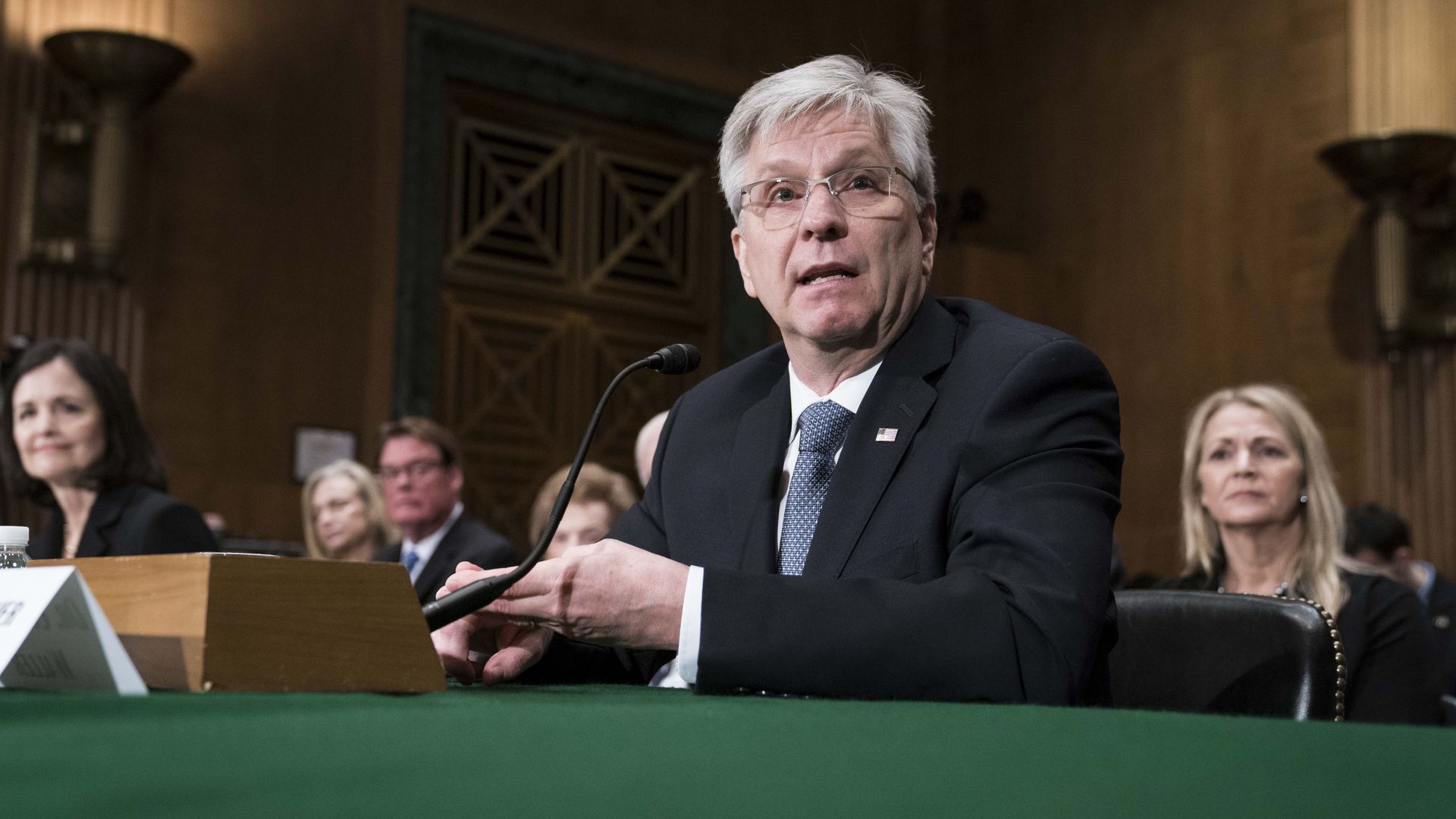
The Senate voted 48-47 on Thursday to confirm Trump nominee Christopher Waller to the Federal Reserve Board of Governors — filling one of the two vacant slots on the influential economic body.
Why it matters: It's one of the last marks left on the Fed board by Trump, who has nominated four of its six members (five including Jerome Powell, who was elevated to chairman under Trump).
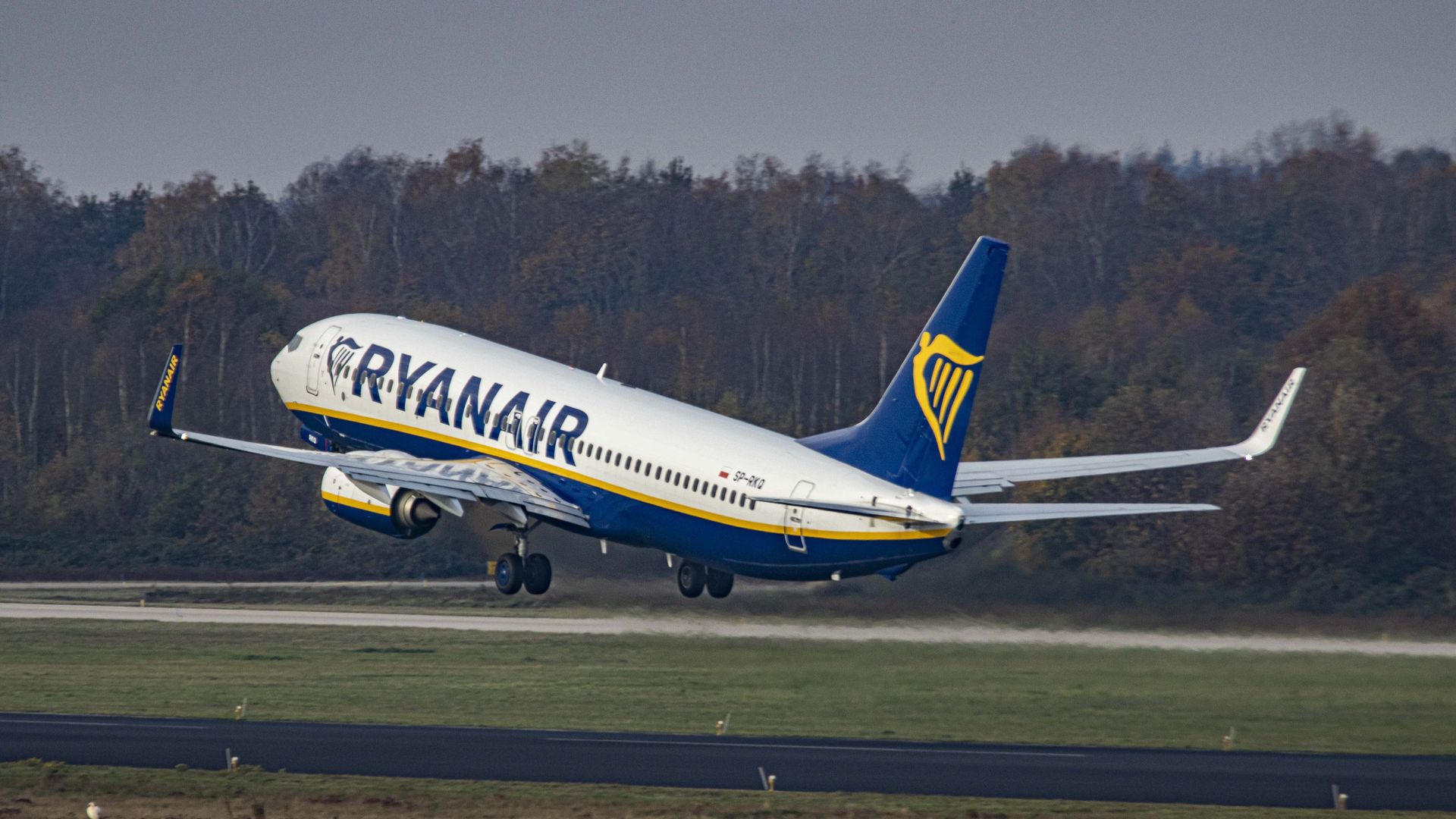
Dublin-based Ryanair said it would add 75 more planes to an existing order for Boeing's 737 Max airplanes, a giant vote of confidence as Boeing seeks to revive sales of its best-selling plane after a 20-month safety ban following two fatal crashes.
The big picture: Ryanair's big order, on the heels of breakthrough vaccine news, is also a promising sign that the devastated airline industry might recover from the global pandemic sooner than expected.
Price discipline is dead. Long live the tech bubble.
The big picture: Determining "proper" tech startup valuations has always been subjective, but lately it's been more akin to throwing a dart at the ceiling than at the board.
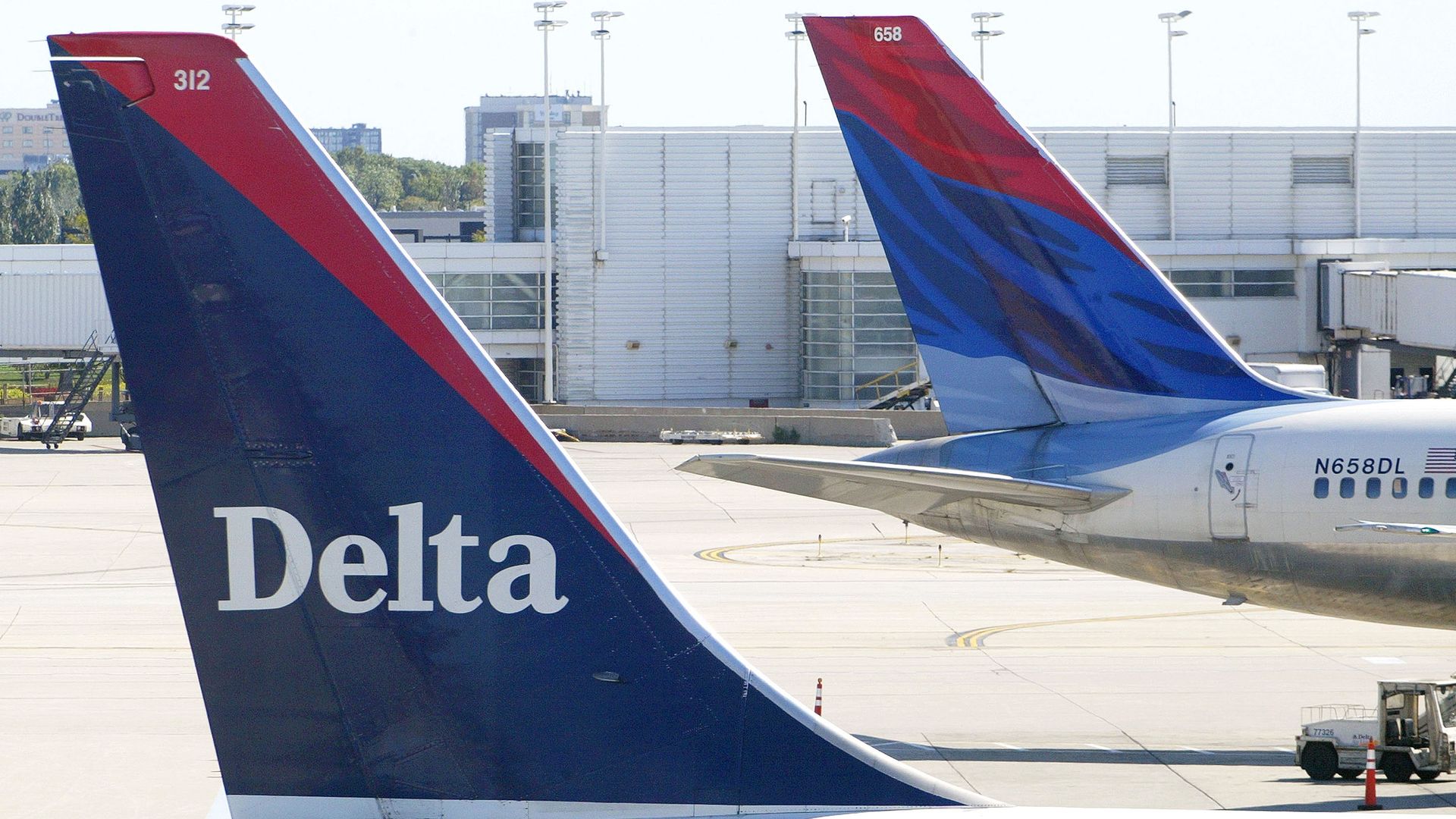
Delta will partner with the CDC to launch a contact tracing program for international travelers starting on Dec. 15, the airline announced Thursday.
Why it matters: It will become the first major U.S. airline to collect information to track the spread of COVID-19. Customers traveling to the U.S. — returning or visiting — will be asked to volunteer their names, addresses, email addresses, and two phone numbers.
Black Friday was disappointing for retailers this year, as spending numbers underwhelmed and foot traffic declined dramatically, according to data from analytics firm Placer.ai.
By the numbers: Customer visits were down, on average, more than 26% compared to Black Friday 2019 at the six retailers Placer tracked.
The Fed's latest survey of its business contacts around the country revealed a weakening labor market that could give the central bank grounds to ramp up its massive bond-buying program when its policy-setting committee meets later this month.
What happened: While most districts said they were still seeing a modest or moderate economic expansion, four districts described little or no growth.
The U.S. Postal Service is likely to be upgrading its fleet of trucks with electric vehicles soon, but the decision has been pushed back to next year.
Driving the news: USPS told automotive website Trucks.com on Tuesday that it expects to announce which companies it will select for a potentially $6 billion deal to build as many as 180,000 delivery vans in the second fiscal quarter of 2021.
The Federal Reserve and global central banks are remaking the world's economy in an effort to save it, but have created something of a monster.
Why it matters: The Fed-driven economy relies on the creation of trillions of dollars — literally out of thin air — that are used to purchase bonds and push money into a pandemic-ravaged economy that has long been dependent on free cash and is only growing more addicted.
U.S. mayors tend to be an optimistic bunch, but a poll released Thursday finds them unusually pessimistic about prospects for post-pandemic recovery.
Why it matters: In a survey of mayors of 130 U.S. cities with more than 75,000 residents, 80% expect racial health disparities to widen, and an alarming number predict that schools, transit systems and small businesses will continue to suffer through 2021 and beyond.
It's time to polish our gleaming vision of urban environments where internet technology makes everything from finding a parking space to measuring air quality a snap.
Why it matters: The Biden administration's Cabinet appointees are likely to be champions of bold futurism in urban planning — which could mean that smart infrastructure projects, like broadband deployment and digital city services, get fresh funding and momentum.