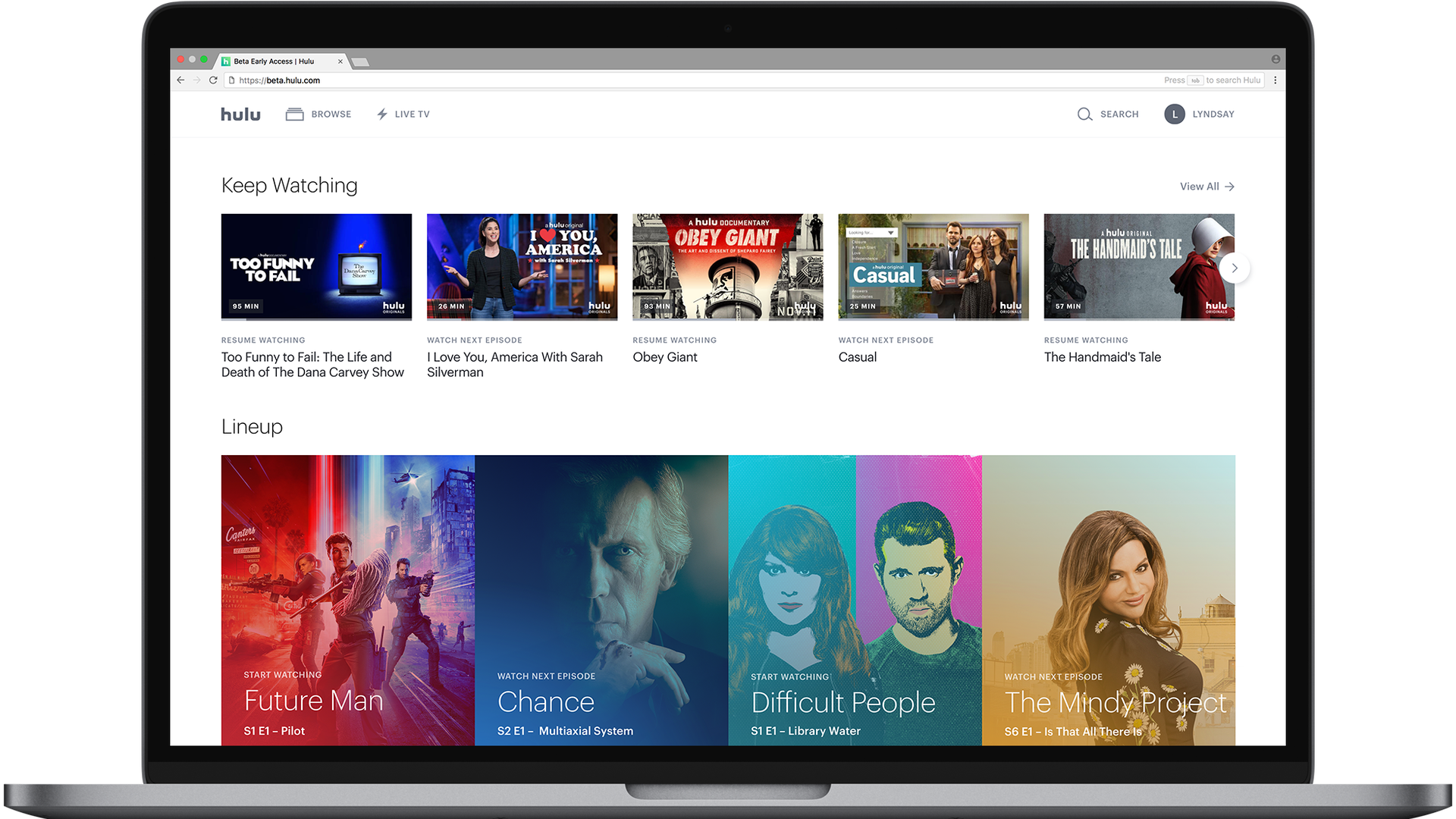
Hulu announced Tuesday it ended 2018 by adding 8 million subscribers, a 48% subscriber increase, to a total of more than 25 million.
Why it matters: Hulu heavily promoted discounts on Black Friday for its streaming video-on-demand package. Meanwhile, Hulu competitor Netflix had 137 million subscribers as of Q3 2018.
NBC, CBS and CNN announced they will air a Democratic response to President Trump’s prime-time speech on the border and ongoing government shutdown from House Speaker Nancy Pelosi and Senate Minority Leader Chuck Schumer on Tuesday, reports NBC News.
The big picture: Networks debated Monday whether they should air Trump's speech — which could be deeply political — given that many skipped a 2014 speech by President Obama on immigration over partisan concerns. However, the decision to air a response from the president's opposing party is not without precedent, as the Washington Post's Dave Weigel notes that networks aired a response from Speaker John Boehner to an Obama debt limit speech in 2011.
The battle to become the premier cross-platform measurement firm is heating up between Nielsen and Comscore as, ahead of CES, Nielsen debuted updates to a new tool to rival one Comscore launched in beta last September.
Why it matters: Nielsen has long been painted by much of the TV industry as being antiquated and slow to evolve. Part of that, experts argue, is because the company lacks real competition that could pressure it to innovate faster.
Sears rejected a $4.4 billion bailout offer from Eddie Lampert, the retailer's chairman, to save the 126-year-old business on Tuesday, sealing its fate for liquidation, CNBC reports.
The bottom line: One of America's largest and most influential retailers is dead. Liquidation could save some of Sears' components, such as its home services business, but the move will mean the closing of hundreds of Sears stores across the U.S. — along with the likely loss of 50,000 jobs.
A host of competing narratives and the chaos of global markets is shaking the U.S. dollar. The trade-weighted value of the dollar fell to its lowest since October on Monday.
The state of play: Currency traders are piling into the Japanese yen as global growth slows and political tensions rise. The yen hit its highest value against the dollar since March on Thursday — but has since reversed course.
The Federal Reserve may not have access to some important data points because of the partial government shutdown. The Department of Labor will remain open through the shutdown, thanks to an earlier congressional spending agreement, but the Department of Commerce has already closed, shuttering the Census Bureau and Bureau of Economic Analysis.
What it means: We'll still get the jobs report and inflation data like CPI, but economic indicators including the government's retail sales report, GDP and durable goods will all stop during the shutdown. Reports on factory orders, construction spending and new home sales have already been missed.
Nine major financial firms, including Morgan Stanley, Bank of America, and Fidelity Investments, are launching a new stock exchange — the Members Exchange, aka MEMX.
Details: MEMX expects to file an application with the Securities and Exchange Commission this year with plans to reduce costs and streamline the trading process, though it’ll probably be awhile before it’s up and running. Shares of NYSE's parent Intercontinental Exchange and the Nasdaq fell 2% after news of the newcomer broke.
Ratings agency S&P Global cut California utility company Pacific Gas and Electric (PG&E) to "junk" status Tuesday morning and also shifted its Pacific Power and Gas subsidiary to "B" from "BBB-," the lowest tier of investment-grade ratings, Reuters reports.
The big picture: S&P said it would keep PG&E under review for a further downgrade, saying the company faces increasing political and regulatory pressure amid growing claims stemming from its possible role in deadly wildfires across the state and a growing debt pile that looms large as the company's stock price has fallen.
NBCUniversal tells Axios it's reducing the amount of ads its serves during prime-time even further, and it's looking now at other times throughout the day to do the same.
Why it matters: NBCU, like other legacy TV networks, is trying to push away from the old advertising model that networks relied on for decades. Today's consumers hate ads, and new advertisers want more digital solutions.