Friday's economy & business stories

Boston station dropping "Fox" name from newscast
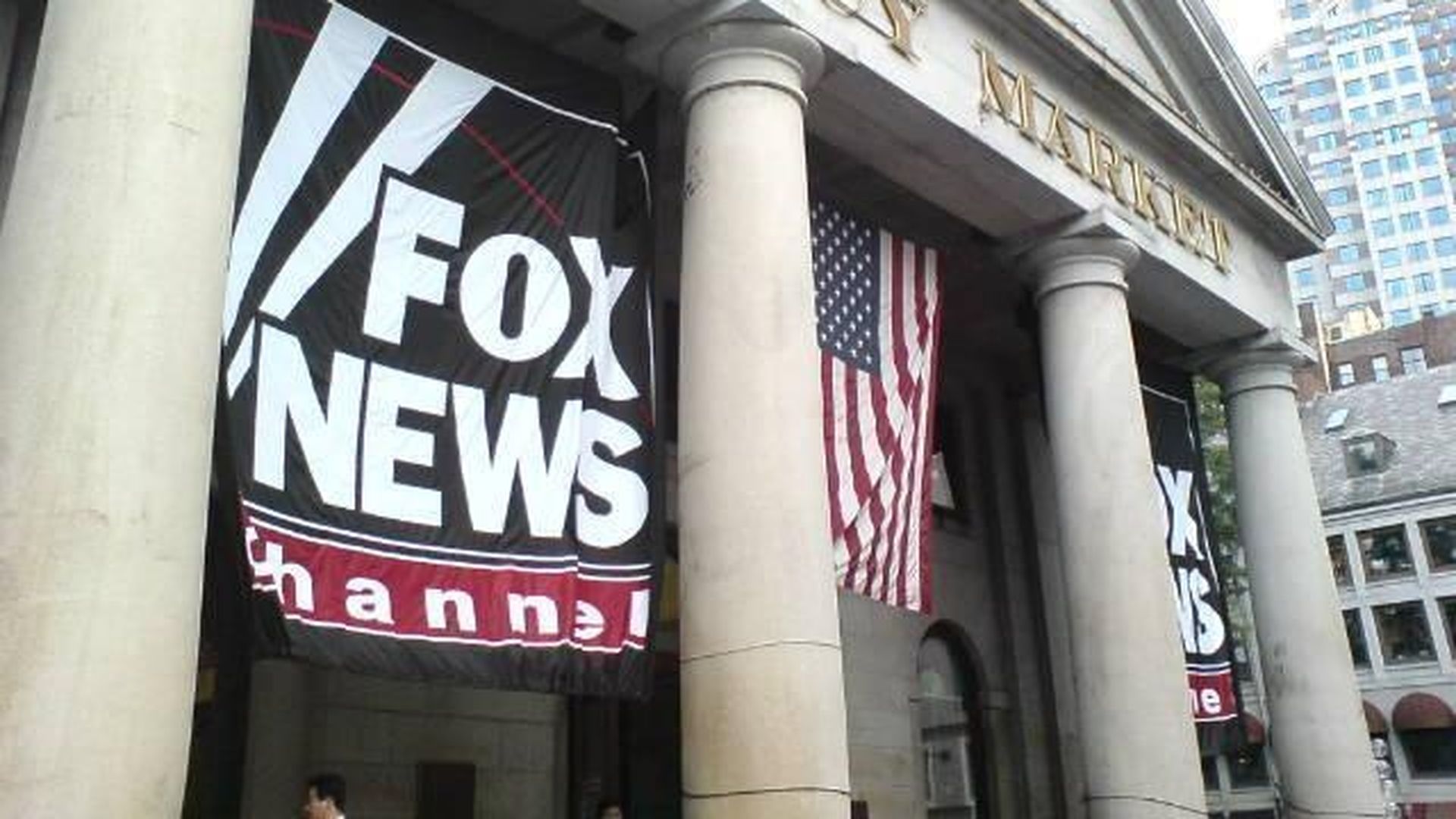
Boston's local Fox affiliate, WFXT (Channel 25) Fox 25 News, will be dropping "Fox" from its newscast name since the national brand name of Fox News has negatively impacted the local station, according to The Boston Globe. It has been independently produced since 2014, when it was acquired by Cox Media Group, and will go by "Boston 25 News" starting April 24.
The liability: It is located in liberal Boston, with a decidedly liberal audience — Massachusetts has gone blue since 1988 — but 41% of Boston-area news consumers believed local Fox 25 was conservative despite running impartial newscasts. Plus, the station has recently reported declining ratings. Other local Fox affiliates in Tennessee, Oklahoma, and Florida will not be changing their names.
WFXT General Manager Tom Raponi said the decision does not reflect the fact that Fox News is dealing with the public perception of sexual harassment allegations against anchor Bill O'Reilly and former CEO Roger Ailes.

Viacom, AMC, Discovery weighing no-sports TV
Viacom Inc., AMC Networks Inc., and Discovery Communications Inc. are discussing plans with pay-TV distributors to make entertainment-only bundles for consumers who don't watch sports TV, according to Bloomberg.
The details: The group of cable programmers is talking with four to six pay-TV distributors, in various stages of negotiations.
The price tag: At least one service could be offered this year, and these packages could be less than $20 per month. That would be cheaper than YouTube's live TV service, which launched last week, and Hulu's incoming live TV service. It might be a web bundle.

What Y Combinator chief thinks of Trump, AI and startups
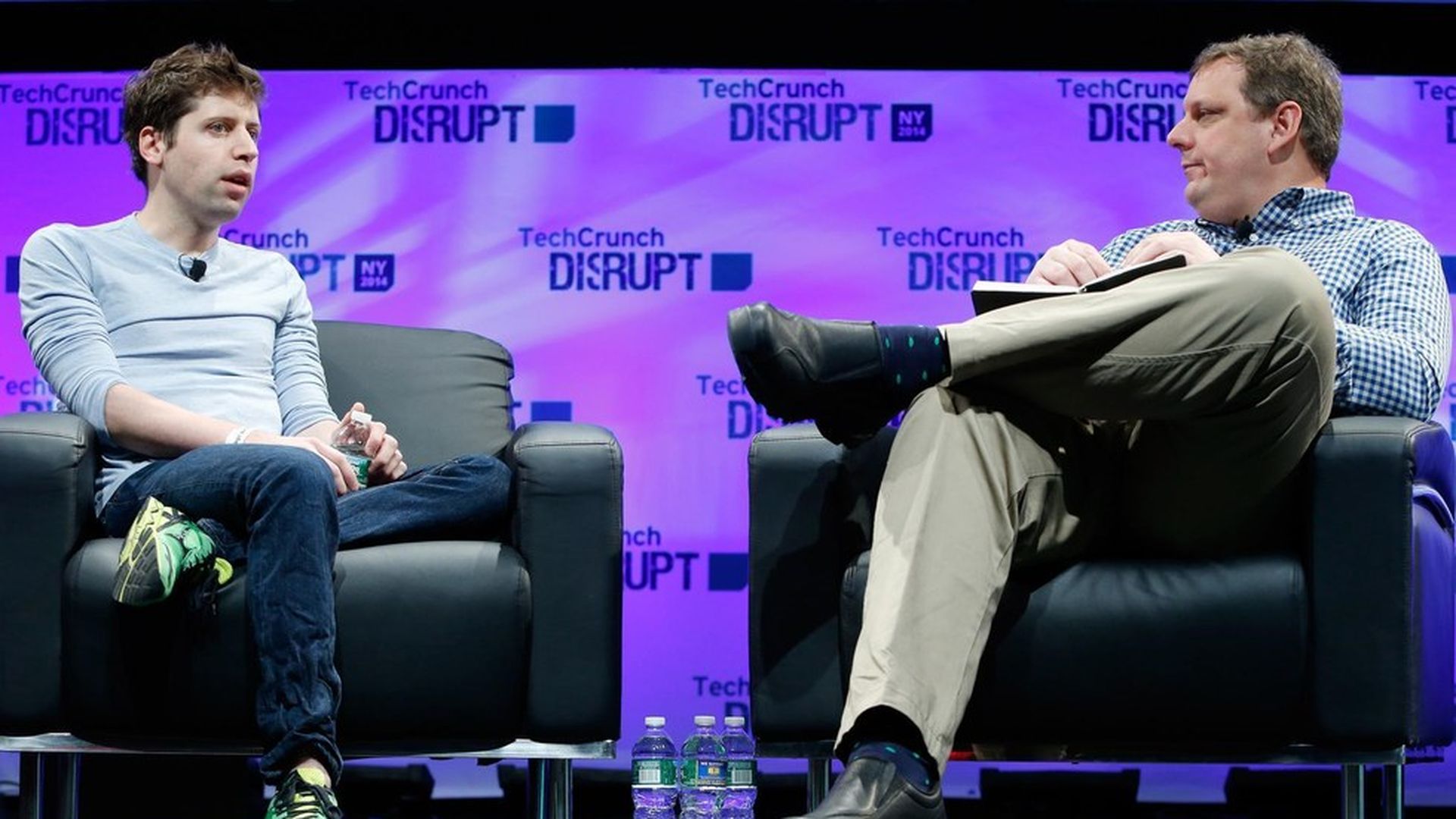
Sam Altman, the president of prestigious Silicon Valley startup accelerator Y Combinator, has been expanding the organization's scope into areas such as researching cities. He also made headlines last year for his vocal opposition to Donald Trump while also maintaining his ties to investor and Trump-supporter Peter Thiel. Speaking at The Commonwealth Club of California in San Francisco, Altman talked about the state of Trump and technology.
Big takeaway: Despite his criticism of Trump, Altman says the President is right one thing — that the tech industry is partly responsible for the fact that so many Americans feel left behind. Still, he said, "I don't think he's right about how to solve it."

Facebook's challenge
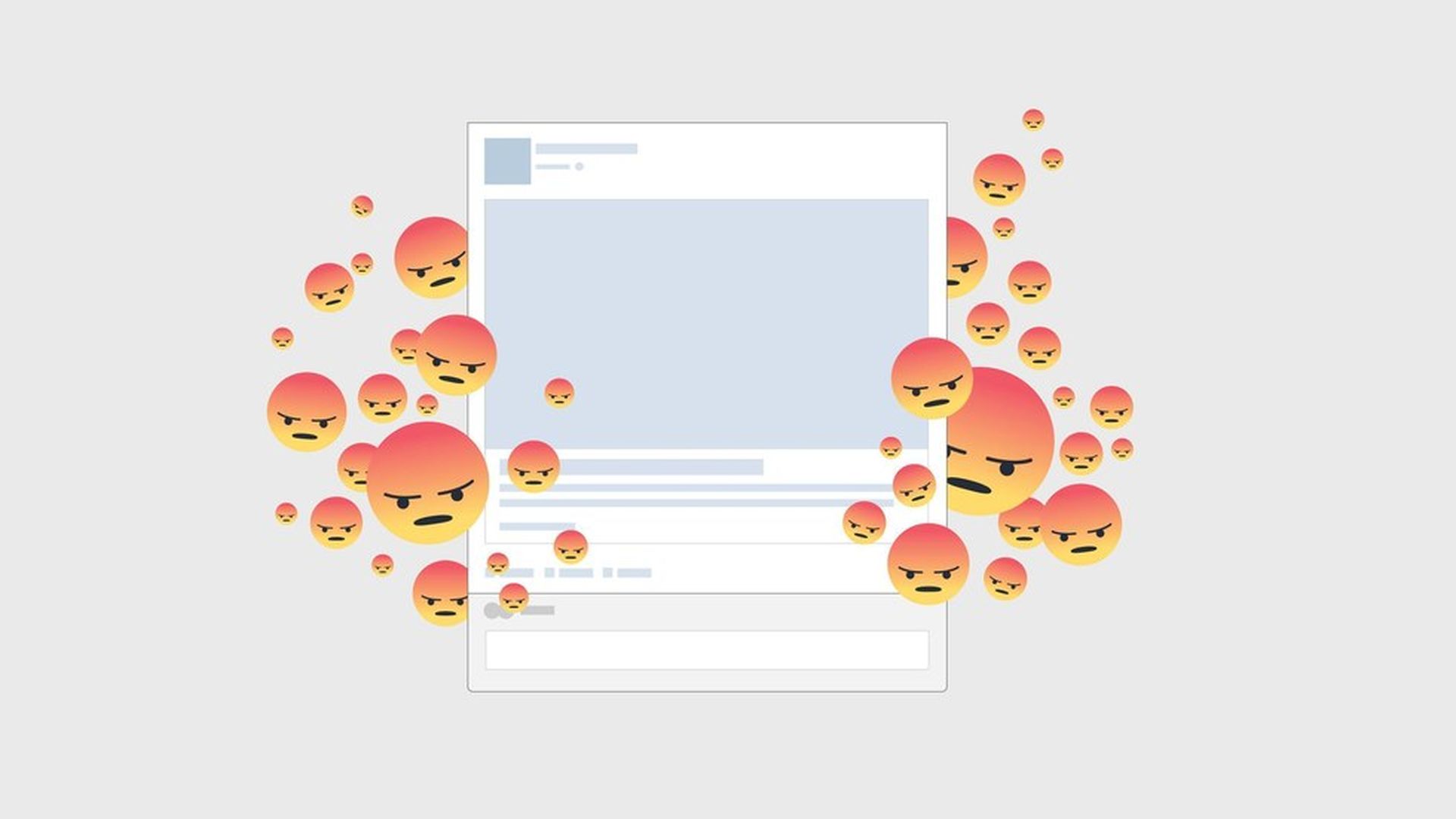
Facebook said yesterday that it's beating Snapchat at its own game, announcing that Instagram Stories finally exceeded rival Snapchat in its number of daily active users. What should have been a great day for Facebook was overshadowed by controversy.
The issues: Facebook said "human error" failed to remove child pornography and terrorist content from its site after being flagged and reports spread that it broadcast a teen who accidentally killed himself live on Instagram.
Why it matters: Facebook has been trying to clean up the content on its site, but the moves are continually overshadowed by new controversies, allowing the advertising community to build a mounting narrative against running automated ads on its platforms. Several ad executives told Axios they're advising clients to consider buying more ads from publishers directly to avoid appearing next to controversial content.

Forget coal mining—the bigger worry is legal services jobs
Lawyers may be the next victims of automation, and the impact on the macroeconomy could be serious. Until now, paralegals and beginning associate lawyers have seemed to be primarily vulnerable to algorithmic advances. But labor lawyer Miriam Nemeth argues that the trouble will go deeper. "Lawyers in particular may increasingly suffer from job loss as a result of automation," she said. "Everything from contract drafting to legal research appears prone to automation."
Data: Bureau of Labor Statistics; Chart: Andrew Witherspoon / Axios
Why it matters: There are roughly 1 million lawyers, paralegals and legal assistants in the US, more than 20 times the number of people in coal mining. It's not clear how many could lose their jobs, but a recent study said that currently available technology could reduce lawyers' billed hours by 13%.
Glass half-full: A recent McKinsey study said that 23% of a lawyer's job can be automated. But Chris Stock, CEO at LEAP Legal Software, said earlier this week that lawyers and paralegals have time to learn new skills, and thus not become flotsam of robots, by learning how to apply automation software to improve their own productivity and remain attractive to employers.

Markets are starting to ignore Trump rhetoric
A number of traders are learning to tune out President Trump's rhetoric: The value of the dollar is up today despite Trump's claim that the greenback is "too strong," and pharmaceutical shares are up since his inauguration despite a vow to crack down on high drug prices.
Reversals: The dollar has rallied by 0.43% today, and the Mexican peso has recovered much of the value it lost between Trump's election and his inauguration; since Jan. 20, the peso is up 15.5%. The PowerShares Dynamic Pharmaceuticals ETF, meanwhile, has gained 8.2% since inauguration day, compared with a 4.8% rise in the S&P 500.
Why it matters: Some traders are separating rhetoric from action, and may be scaling back their expectations of how much of the president's agenda will be enacted.
The exception: Bond markets appear to take the president more seriously. Trump has stated a preference for low interest rates, and the yield on the 10-year T-note has fallen 1.75% over the past two trading days.

People liked Pepsi more after Kendall Jenner ad
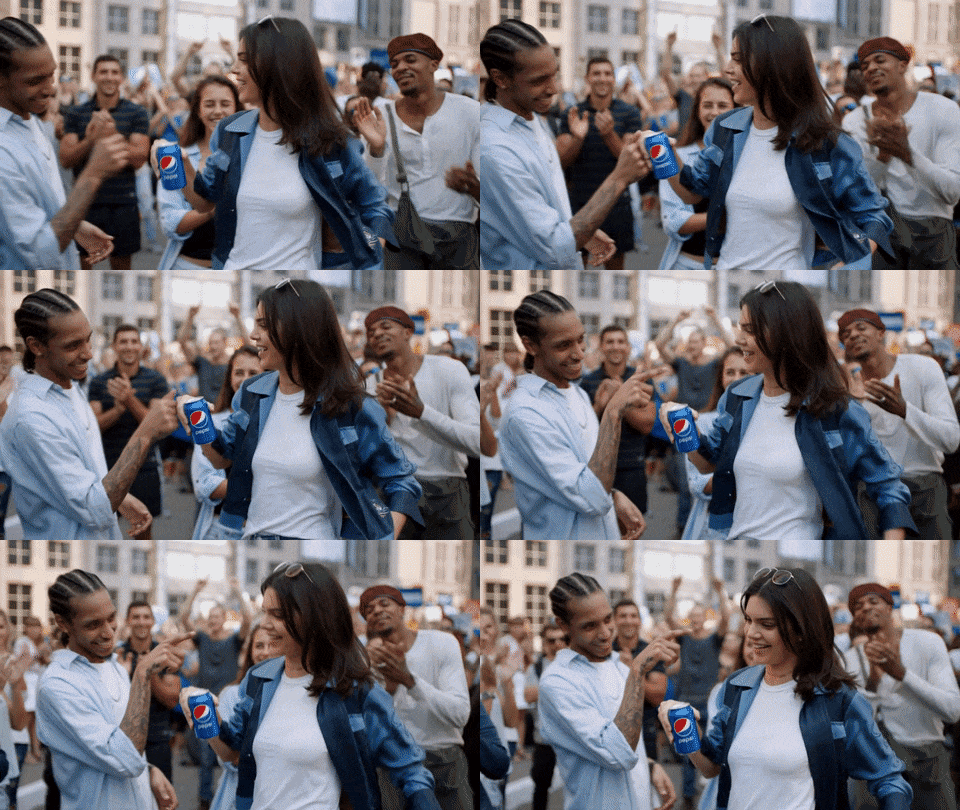
It turns out, a lot of people actually liked Pepsi's controversial Kendall Jenner ad — despite what the internet said.
Reality check: A new Morning Consult survey found that 44% of those polled had a more favorable view of Pepsi after watching the ad, while only 25% had a less favorable view.
The surprising details: Although the ad was accused of appropriating the Black Lives Matter movement and exploiting social justice to sell soda, a large percentage of minorities, particularly Latinos (75%) and African-Americans (51%), viewed Pepsi more favorably after watching the ad, while only 41% of whites felt that way.