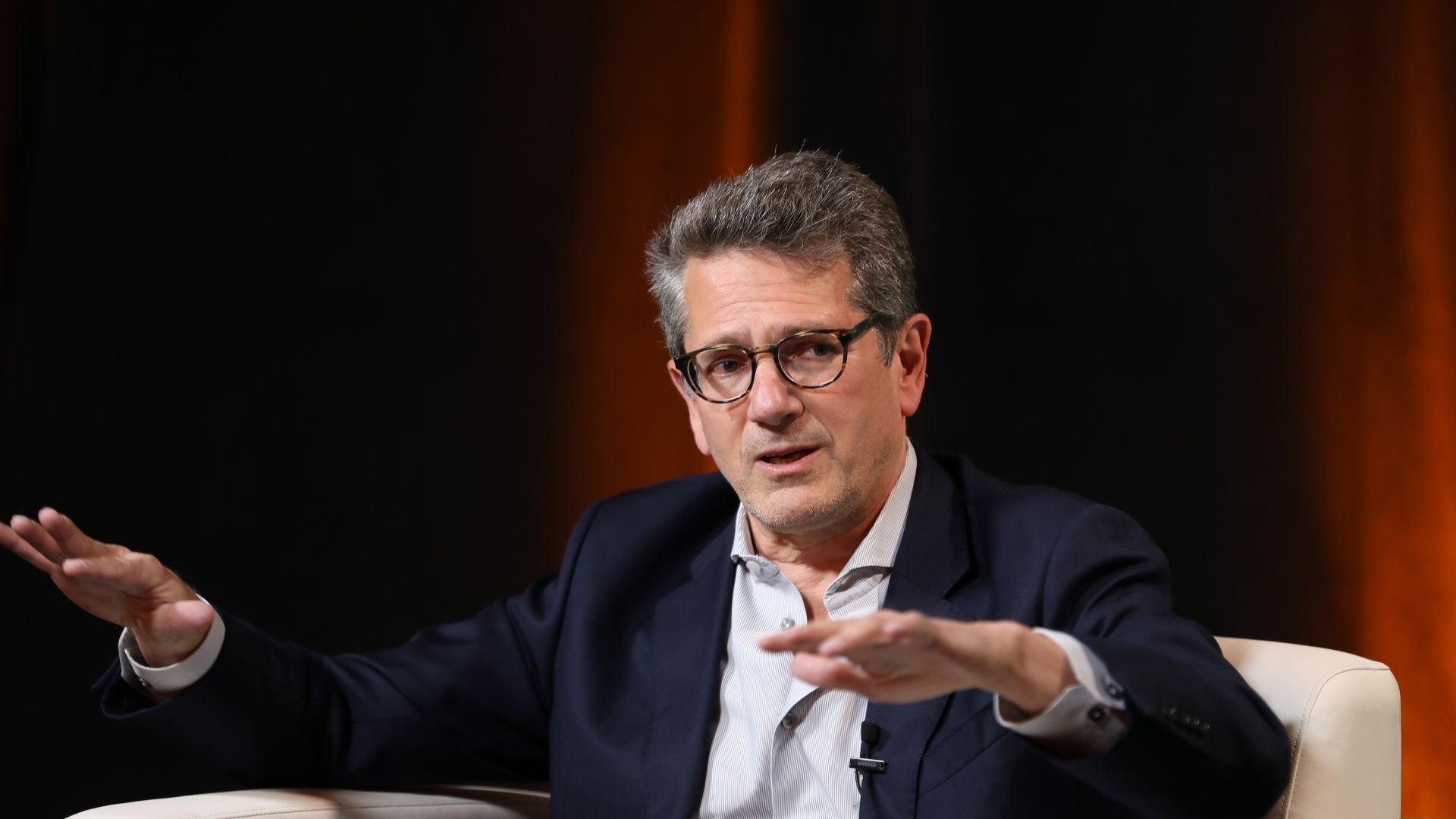
Unproductive investments a few years back led to the biotechnology sector's current bleak capital market, Stephen Berenson, managing partner at Flagship Pioneering, told Dan Primack at Axios BFD Thursday.
The big picture: A string of late-stage trial failures around 2021 contributed to the public market's current skepticism of biotech, he said. And that poor market outlook is likely to continue for a while.
Context: The IPO market for biotech fell 93% in 2022 from the year prior, according to EY.
What he said: "Companies are going to run out of money unless they're able to prove their value propositions to some constituency, whether it's investors, pharma, merger partners, you name it," said Berenson, a board member for Moderna.
Yes, but: Biotech companies can't let failures stop them from innovating, he said.
When a company fails a trial "you have to grieve for a couple of minutes. But if you're grieving for much longer, you're not doing your job," Berenson said.
"The way you construct your companies — it can be done in a way where you are exposed to binary outcomes, 0r you have a platform which creates many opportunities actually to win," he added.
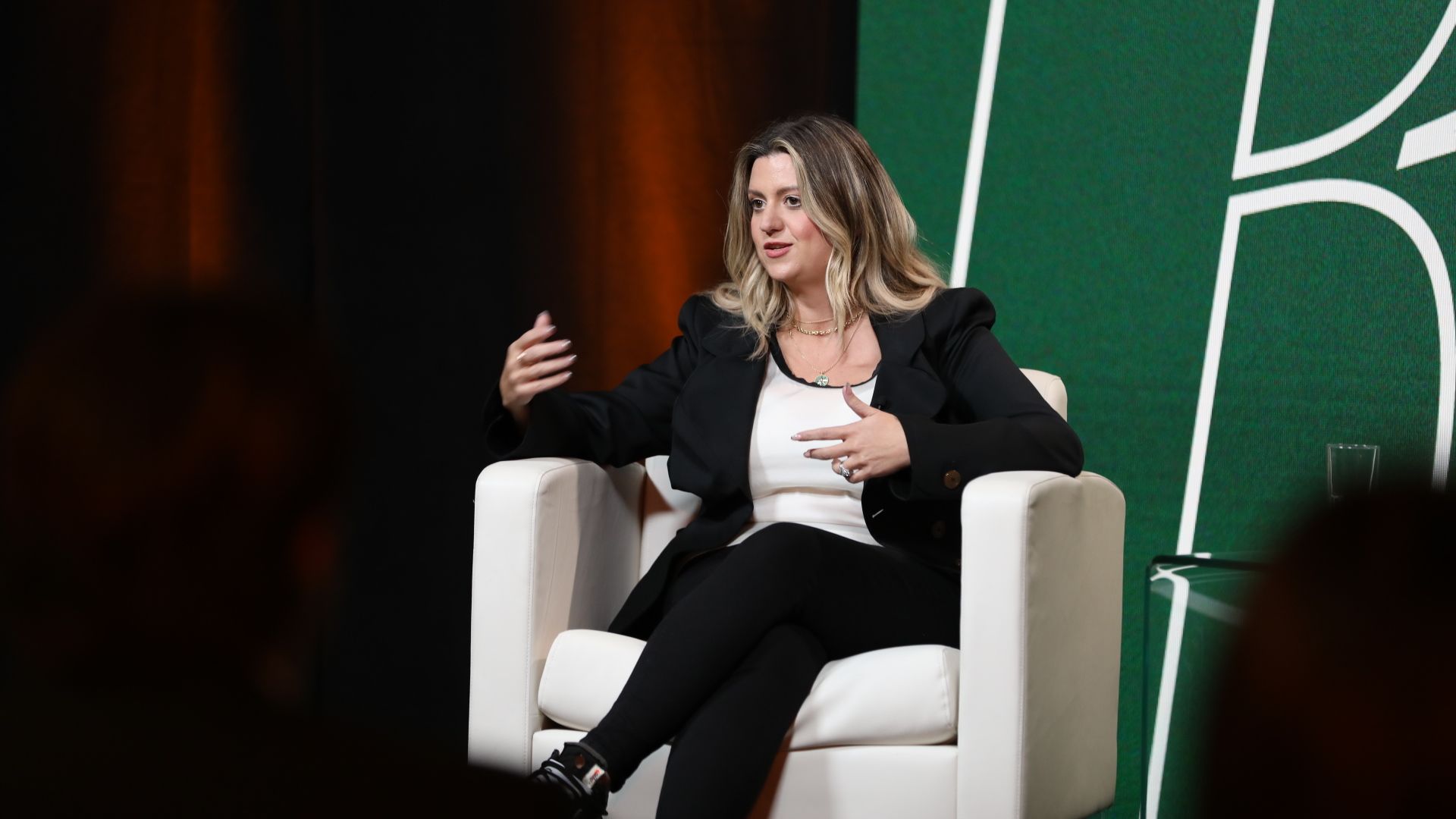
OnlyFans CEO Keily Blair said at the Axios BFD conference in New York that her company's goal is to "change the internet," in part by inverting existing business models.
Why it matters: Blair noted that the U.K-based site, which is known for its adult content, offers streaming content (such as stand-up comedy) for free, while making users pay for social media content. "We don't have to accept the way that things are structured at the moment," she said. "There are alternative business models out there that can be successful."
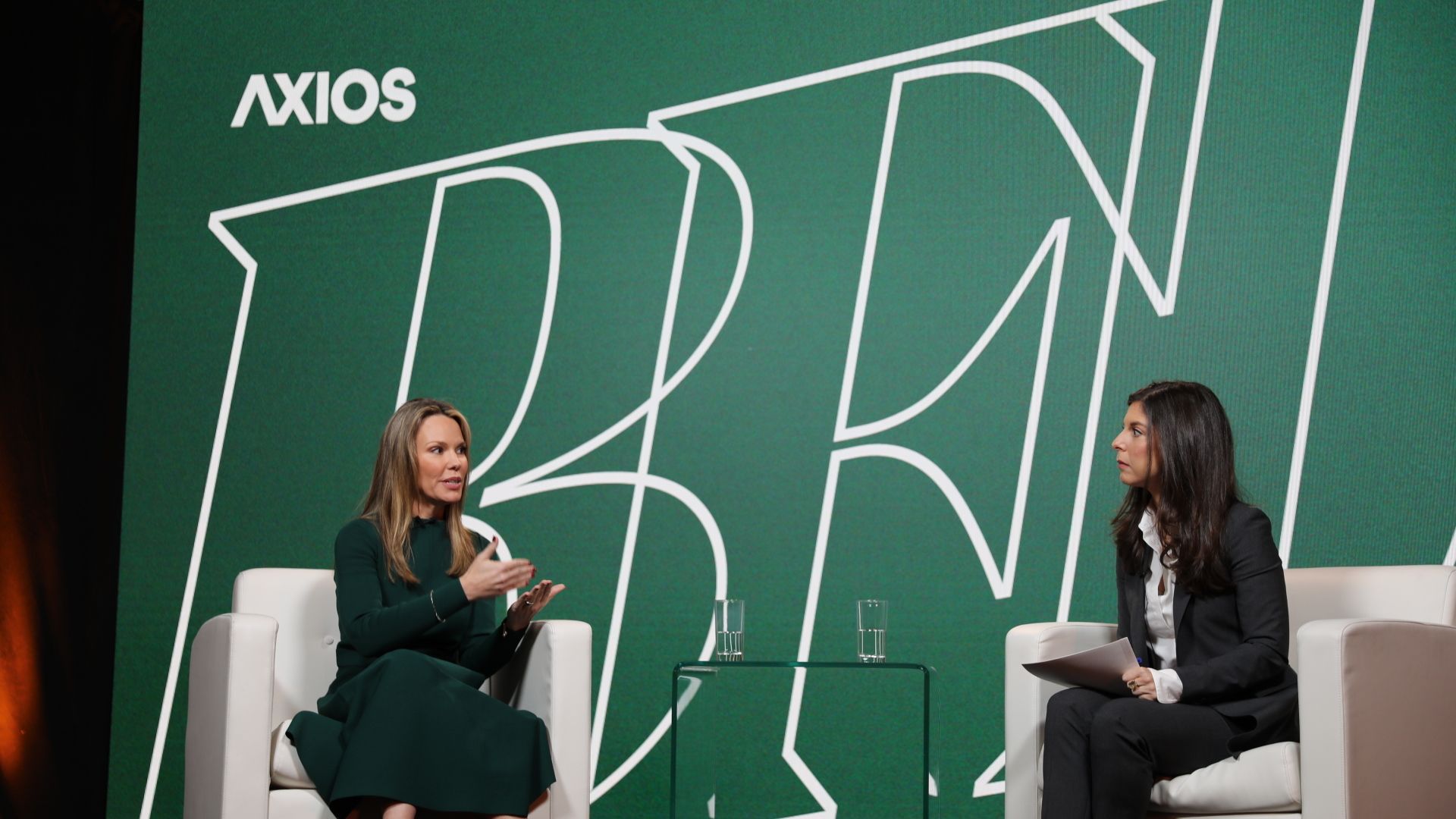
CBS News CEO Wendy McMahon says the network has sifted through more than 1,000 videos of the Israel-Hamas war — and only 10% are usable.
Why it matters: "There are many reasons why, but some of those reasons are directly tied to misinformation. They absolutely are," McMahon told Axios' Sara Fischer at the Axios BFD in New York on Thursday.
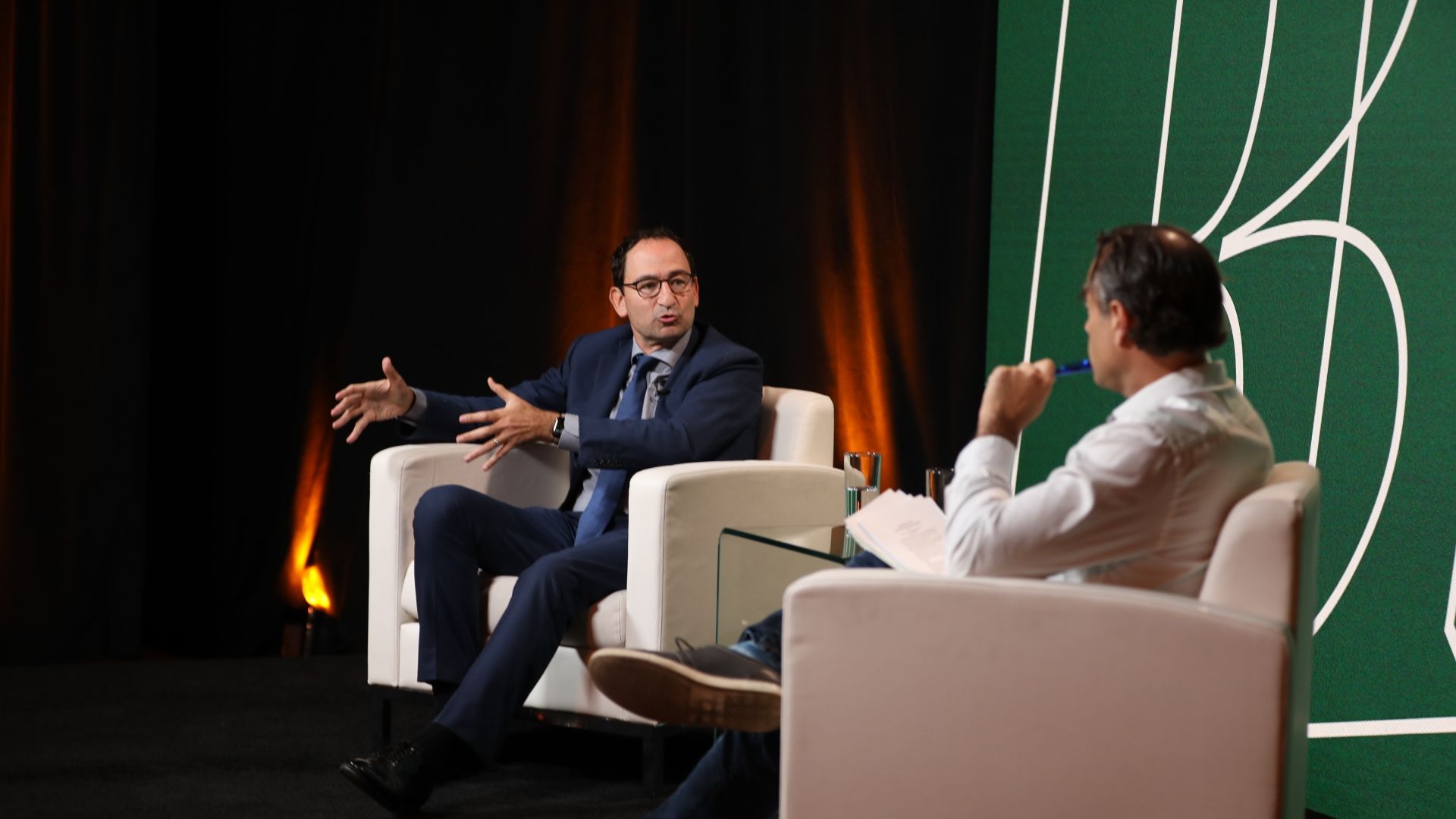
Blackstone Group sees trouble in the office sector and opportunities in the professional sports arena, the company's President Jonathan Gray tells Axios, adding that there are no plans in place for any changes to his current role.
Why it matters: Blackstone, the world's largest alternative asset manager, with $1 trillion in AUM, has investments stretched across wide swaths of the global economy and Gray is bullish about what lies ahead, despite macro headwinds.