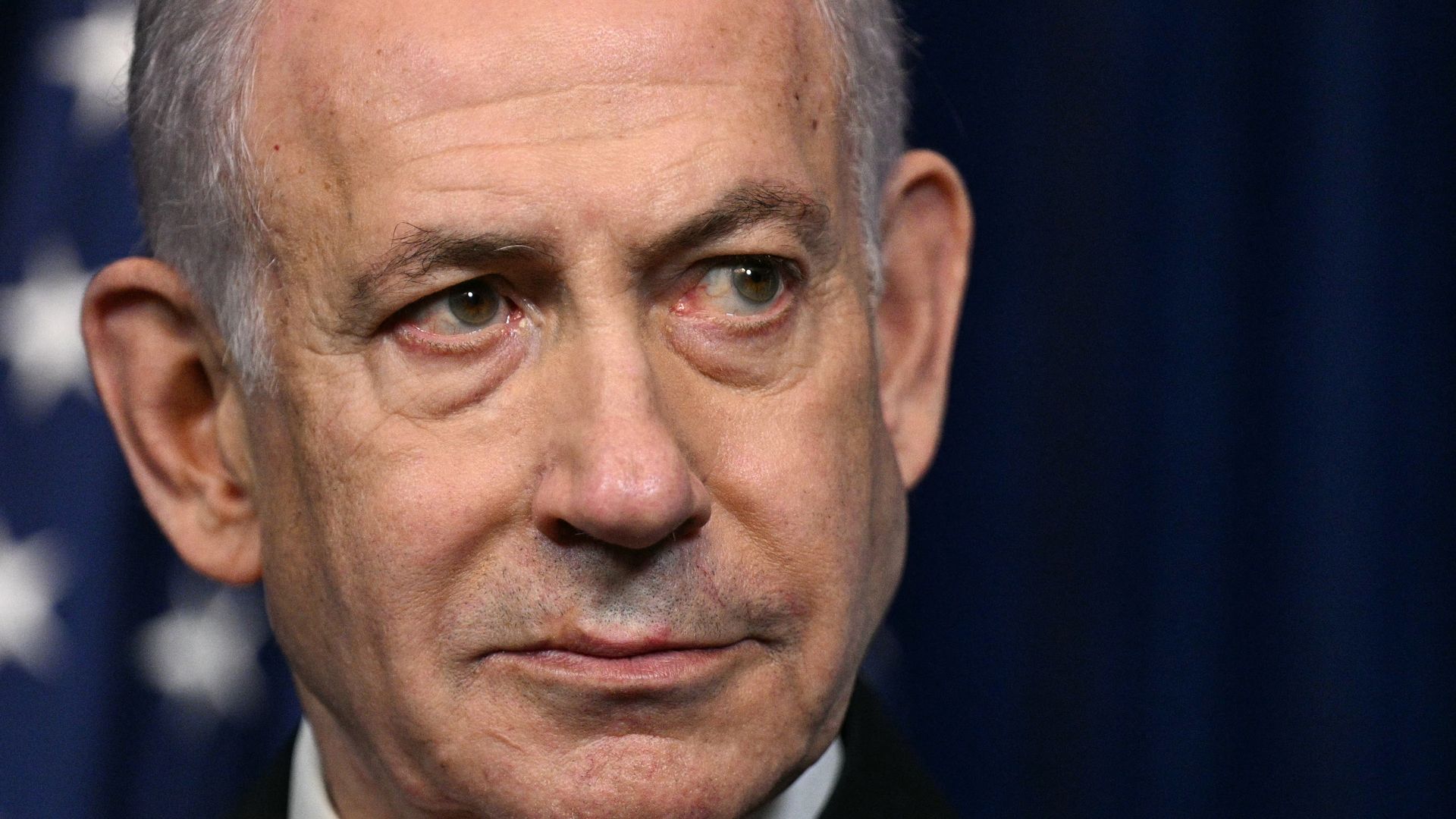
TEL AVIV, Israel — Israeli Prime Minister Benjamin Netanyahu — fighting for political survival in Tuesday's elections — has pleaded with President Trump in recent days to show more public support for his campaign, according to a U.S. source with knowledge and an Israeli source briefed on the matter.
Why it matters: The U.S. source said the White House sees Netanyahu's aggressive lobbying as a "sign of desperation" and an indication that the Israeli leader thinks he's trailing.
A student-led protest movement has ended the 14-year rule of Serbia's right-wing party, former President Aleksandar Vučić conceded Sunday.
Why it matters: The historic upset sidelines a Balkan strongman who courted President Trump's family and allies, raising questions about future U.S. relations with a country that has balanced ties with Russia and the West.
Eye-opening revelations this past week have solidified my personal fears about the year ahead: As a nation and as a globe, we're facing a record number of wild risks that are way outside our control.
My growing hunch about this scenario has been bolstered by daily conversations with CEOs, government insiders and top investors.
Why it matters: It feels likely — not certain — that between now and 2028, we'll face society-level disruptions, possibly including cyberattacks and fast-twitch economic shocks.
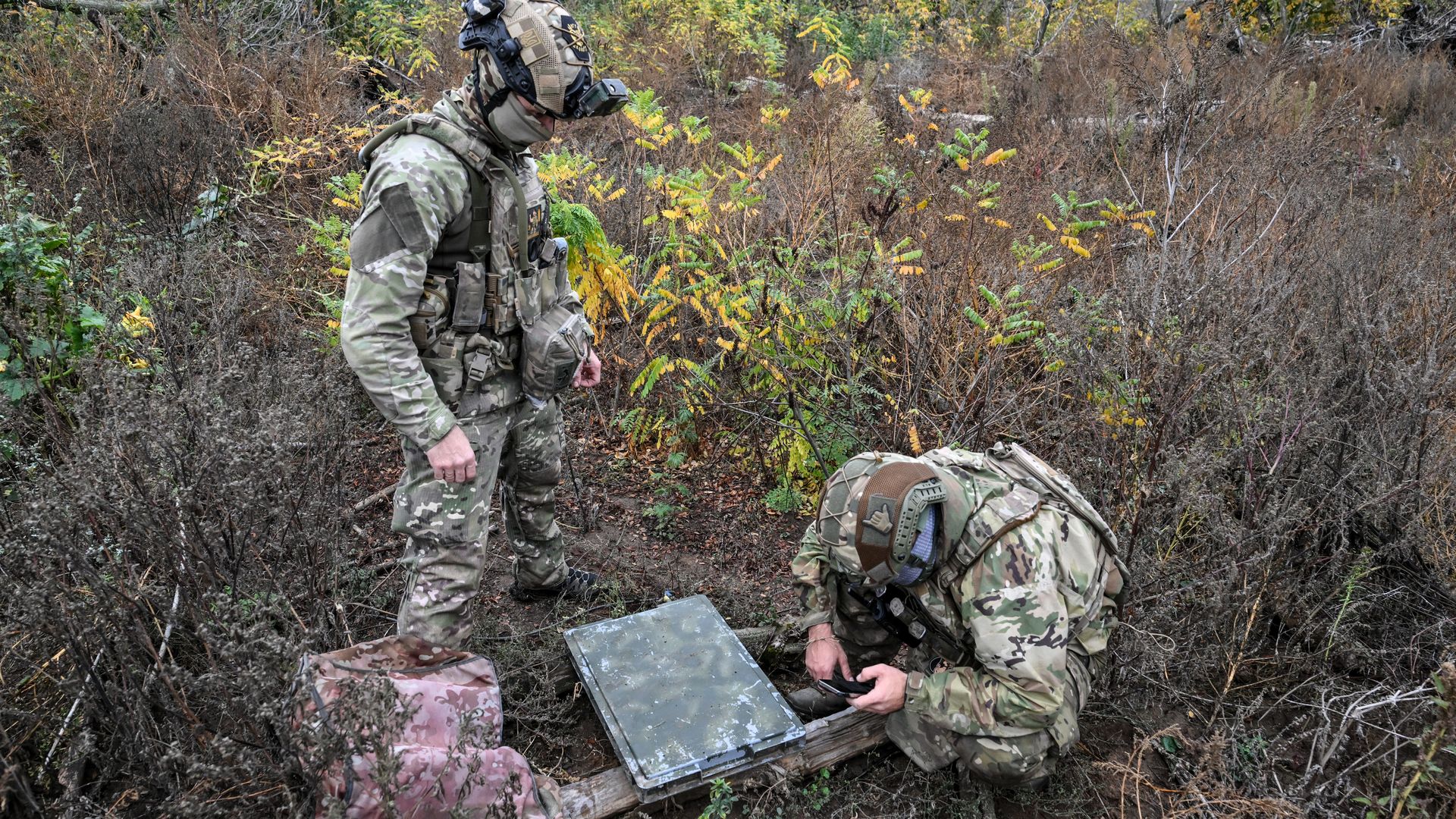
The speed of the Elon Musk-owned satellite system used by the Ukrainian military has been fully restored after two weeks of restrictions, the country's ministry of defense said in a statement on Saturday.
Why it matters: The restrictions limited the Ukrainian military from using drones to intercept Russian attack drones, and from using its own drones to send supplies to soldiers on the front lines.
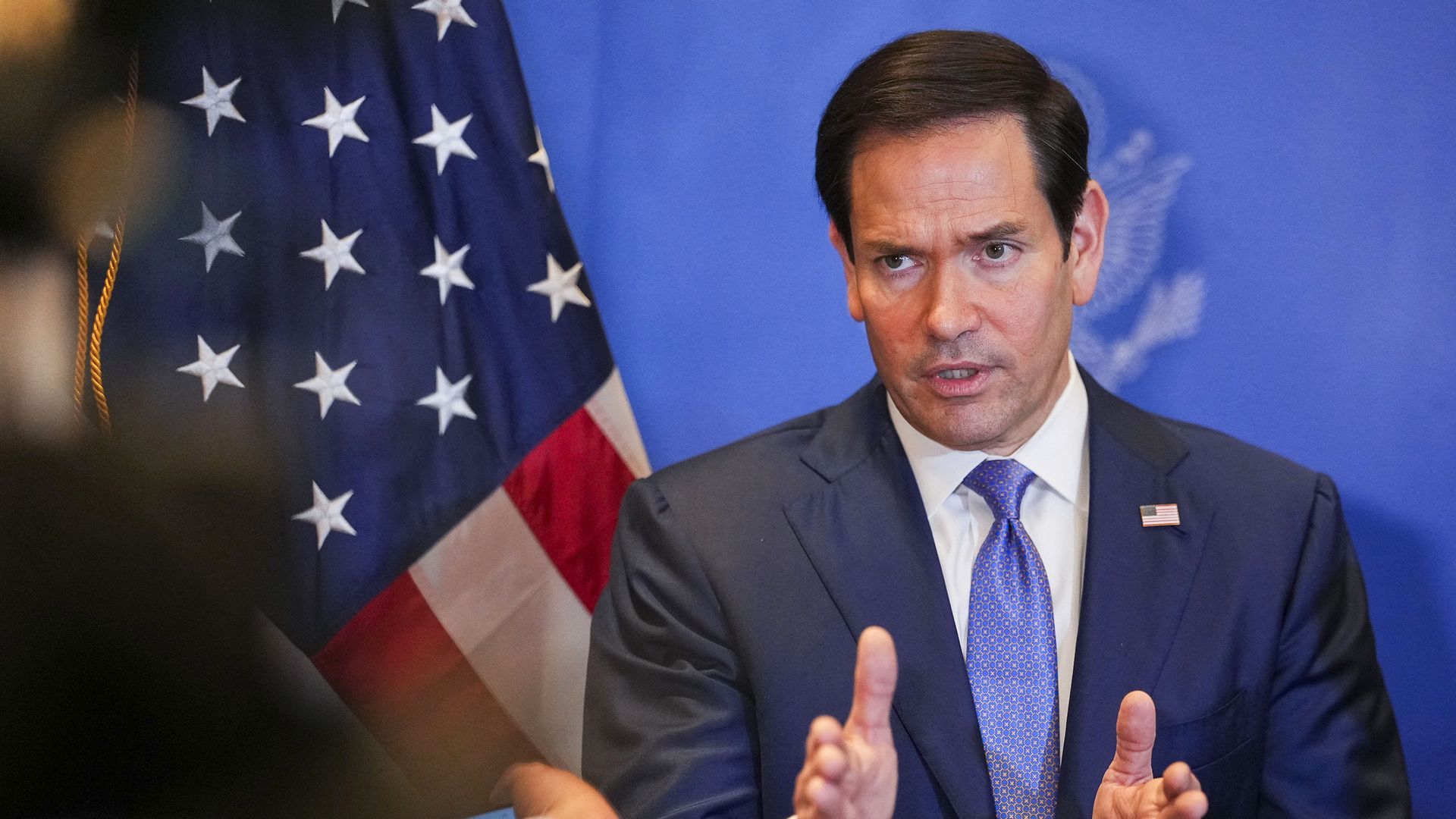
U.S. intelligence finds Iran has "substantially increased" its efforts to target American diplomats and officials in the Middle East and beyond, with lethal plots reaching "advanced stages," according to an Oct. 23 memo to Secretary of State Marco Rubio obtained by Axios.
Why it matters: U.S. officials say the intelligence is one reason the State Department is drawing down personnel at several American embassies across the Middle East, amid mounting fears of a broader regional conflict.