Saturday's world stories

CIA director floated Trump-Putin-Zelensky summit during Moscow visit, sources say
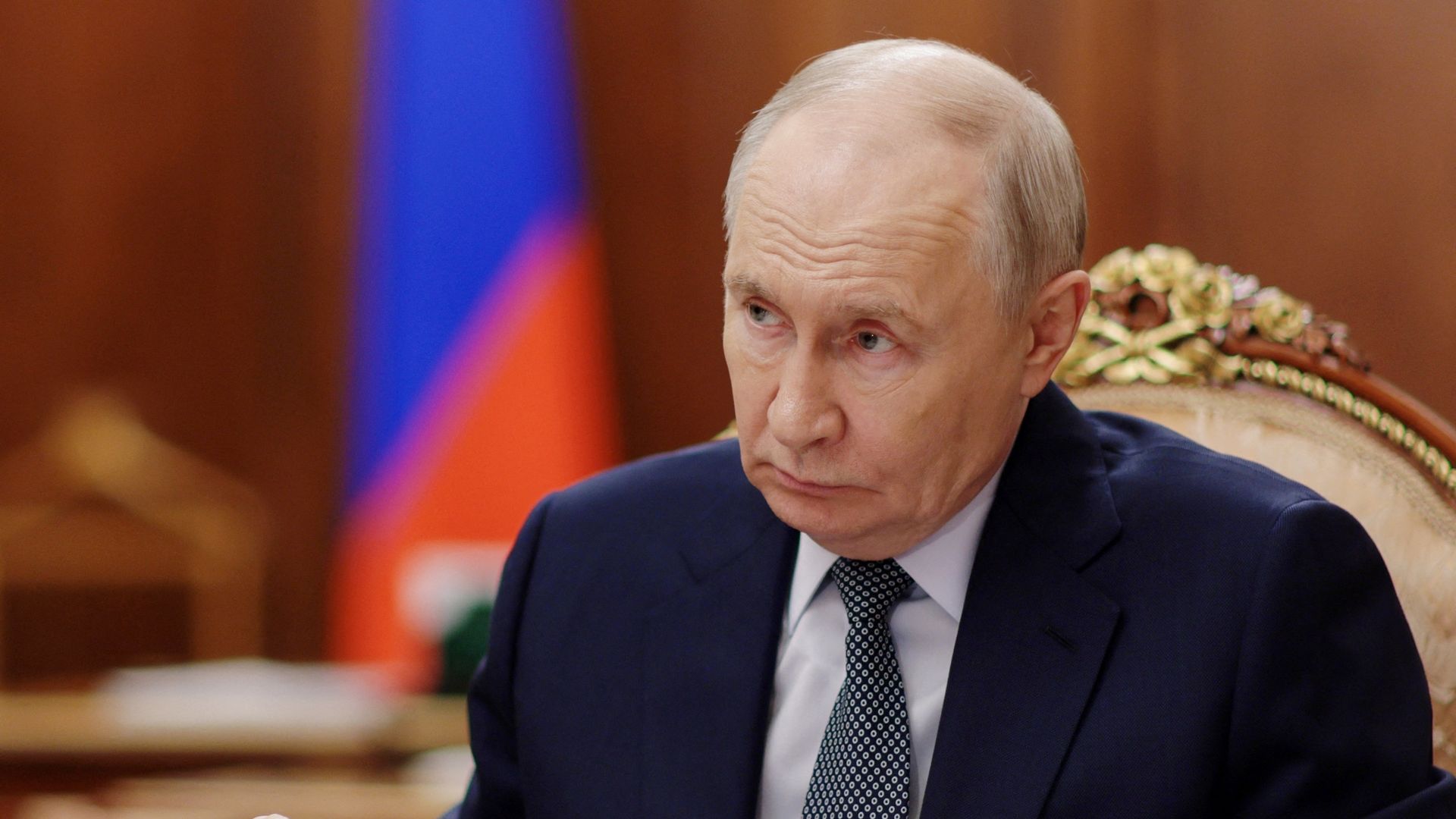
CIA Director John Ratcliffe proposed a trilateral meeting between President Trump, Russian President Putin and Ukrainian President Zelensky during his covert trip to Moscow earlier this week in an effort to end the war, two sources briefed on the matter told Axios.
Why it matters: This was the first time Ratcliffe got personally involved in the diplomatic push to broker a breakthrough between Russia and Ukraine.
- Ratcliffe's visit was partly aimed at determining whether Russia's heads of intelligence services could help convince Putin to move toward resuming U.S.-mediated negotiations with Ukraine, the sources said.
- On Friday, U.S. officials briefed Zelensky on Ratcliffe's talks in Moscow and the proposal for a trilateral summit.
- The Trump administration has raised the idea in the past. Zelensky has been on board, but Putin has rejected it.
Driving the news: Ratcliffe made a covert trip to Moscow on Tuesday and met with his Russian counterparts: SVR foreign intelligence chief Sergey Naryshkin and FSB director Alexander Bortnikov.
- Trump told Axios that Ratcliffe's visit was "standard business" and not intended to warn Russia against attacking NATO territory.
Behind the scenes: U.S. officials told Zelensky that Ratcliffe also floated in Moscow the possibility of reigniting peace talks, the sources said.
- The New York Times reported that Ratcliffe gave Bortnikov "a bleak assessment" of the state of the war and urged Russia to cut a deal before its situation worsens.
- The sources told Axios that Ratcliffe concluded that Bortnikov is a constructive player who could help restart diplomatic efforts.
- The CIA declined to comment.
Yes, but: Ukrainian officials are highly skeptical about Putin's intentions and say they have intelligence that suggests Putin is planning a major escalation of the war.
- Zelensky's deputy chief of staff, Pavlo Palisa, told reporters on Friday that Putin has ordered his military to prepare several operational scenarios for an offensive in northern Ukraine, with Kyiv and Chernihiv identified as key areas.
State of play: Negotiations between Russia and Ukraine mediated by the Trump administration were paused in mid-February after the war with Iran started.
- White House envoys Steve Witkoff and Jared Kushner have held separate talks over the past few months with Russian and Ukrainian negotiators. But little progress has been made.
- Zelensky's chief of staff, Kyrylo Budanov, told local media on Thursday that U.S.-mediated talks with Russia could resume in September.
What they're saying: Zelensky on Friday thanked the U.S. for "the necessary tone of the conversation with Russia" and said the Trump administration "is advancing a realistic vision of what needs to be done and what must be achieved."

Trump hails "biggest oil deal in world history" with Venezuela
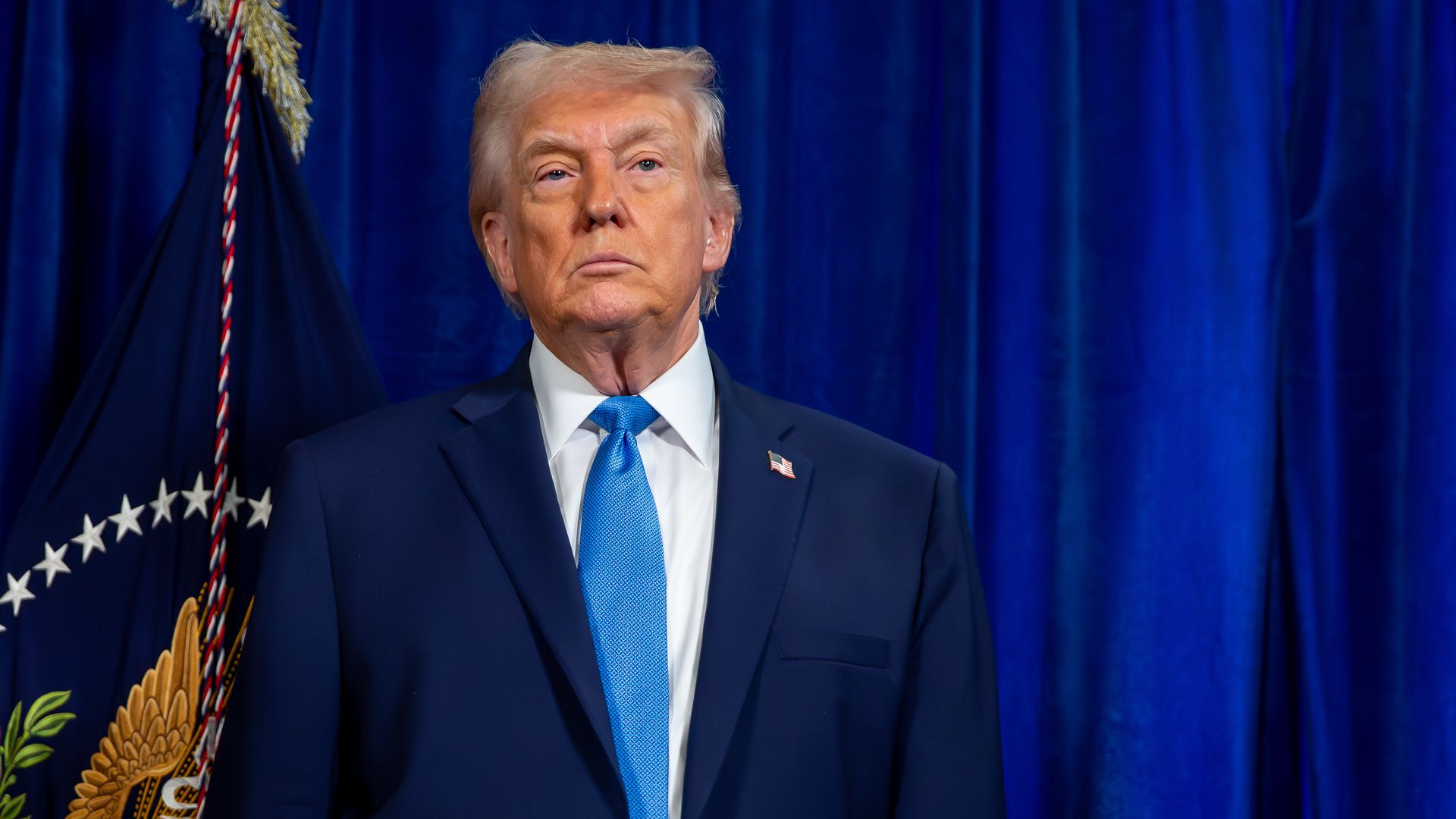
President Trump said Friday the U.S. has struck a deal with Venezuela to take control of oil fields with 65 billion barrels of reserves.
Why it matters: The unprecedented deal vastly increases U.S. energy security and dominance in the Western Hemisphere.

China is secretly fueling America's data center rage

Roughly 200 accounts from a suspected Chinese bot farm have quietly tried to influence Americans to oppose AI data centers on social media, X said Thursday night.
Why it matters: The U.S. and China are racing to build the world's most advanced AI systems — and it appears Chinese propaganda has infiltrated American circles with the hope of slowing the U.S. down.
"That sucker is open": U.S. gains the upper hand in the battle for Hormuz

The Strait of Hormuz has been Iran's most powerful card since the start of the war in late February. But over the past two months, U.S. officials say the American military has steadily eroded Iran's leverage over the crucial waterway.
Why it matters: What began six months ago with the goal of degrading Iran's missile capabilities and destroying what remained of its nuclear program has evolved into an open-ended fight over the world's most important energy chokepoint.

Trump's evolving endgame for the Iran war, in 6 quotes
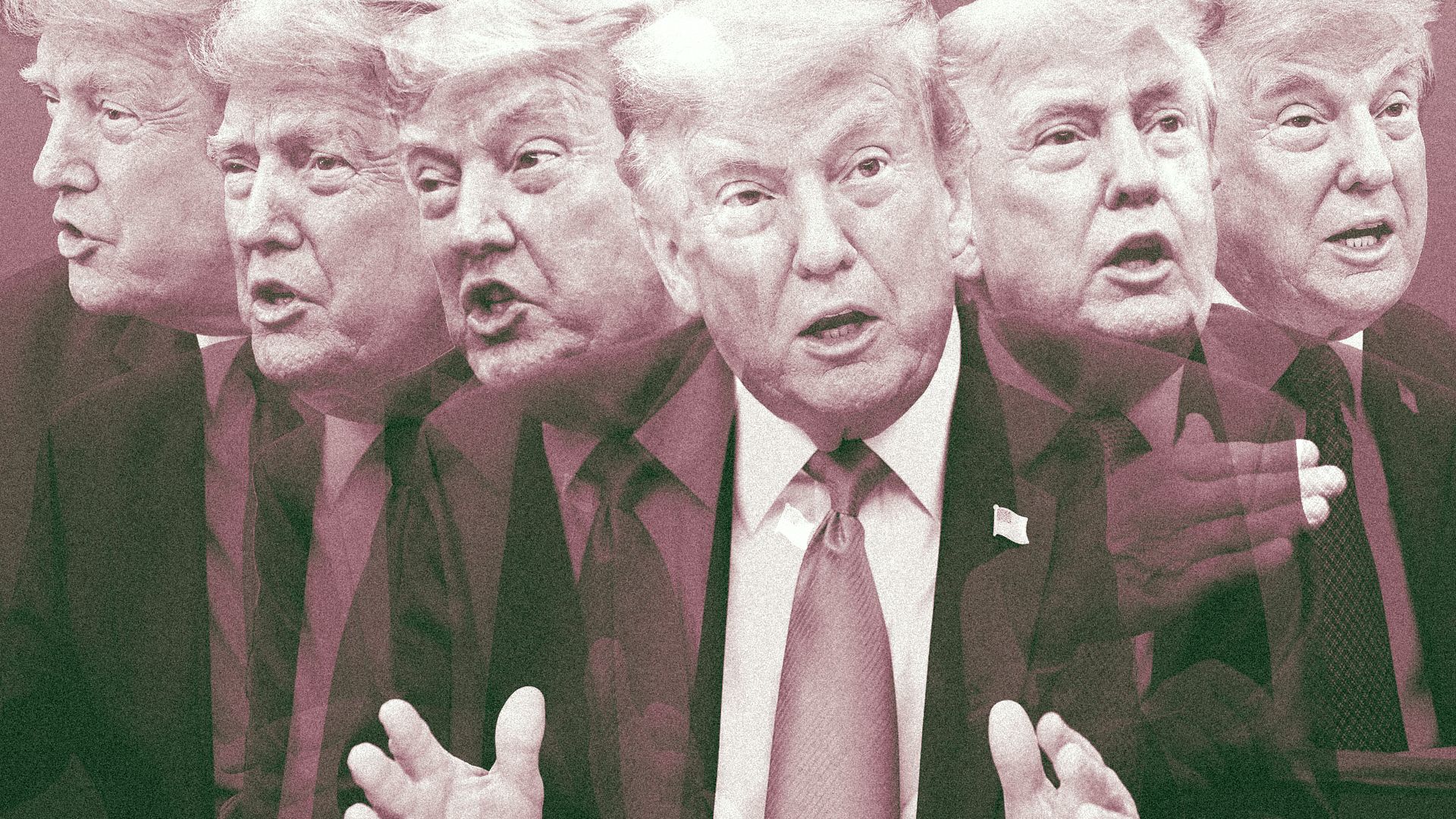
The Iran war hits its six-month mark Friday, with President Trump's path to ending it increasingly unclear.
Why it matters: Trump entered the war projecting a four- to five-week military campaign. Six months later, his proposed exits have ranged from military victory to a negotiated peace deal tied to reopening the Strait of Hormuz.