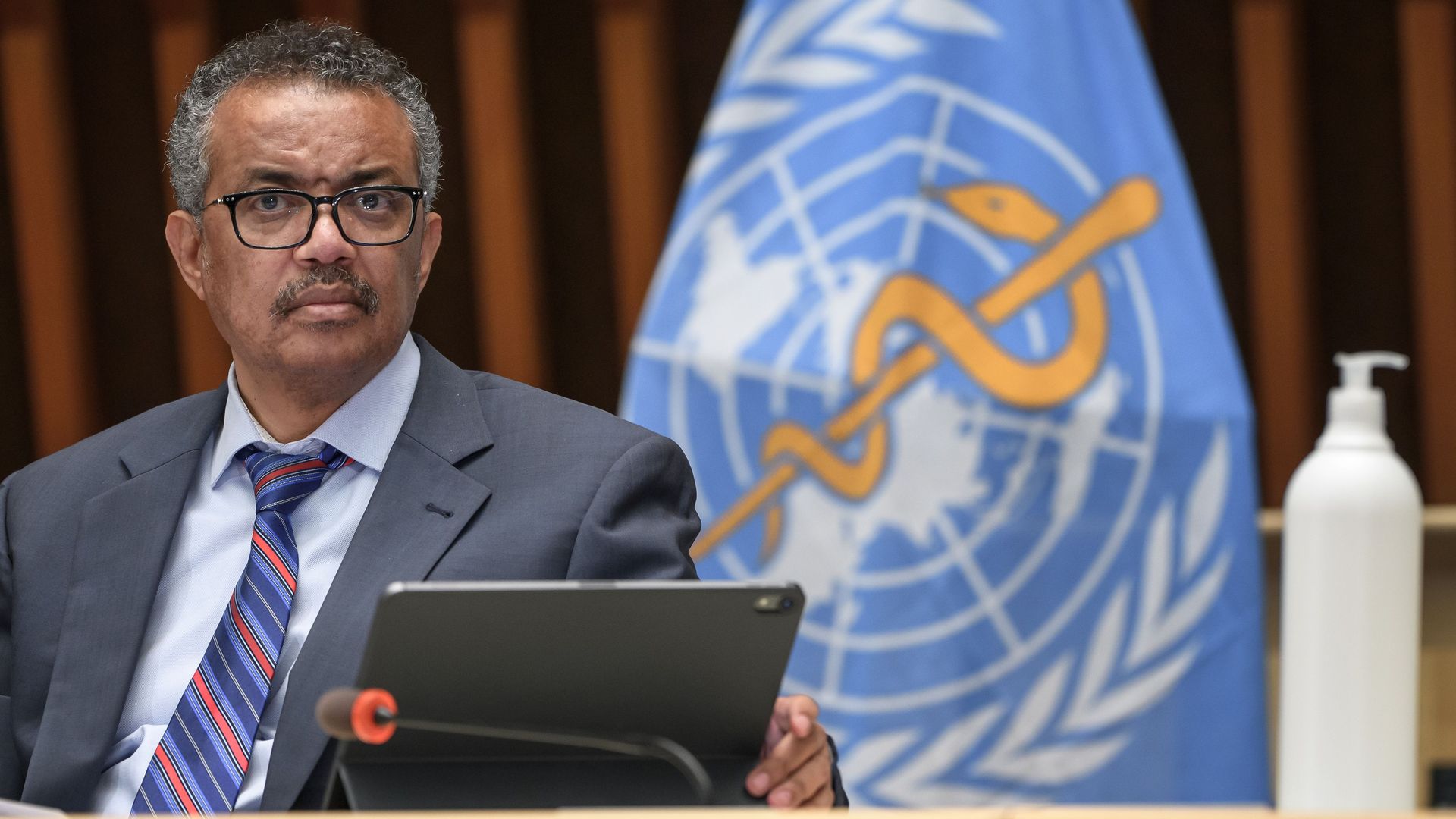
World Health Organization chief Tedros Adhanom Ghebreyesus said in a video marking the first International Day of Epidemic Preparedness Sunday "history tells us that this will not be the last pandemic, and epidemics are a fact of life."
What he's saying: Tedros said responses to such outbreaks had been "dangerously short-sighted," throwing money at the problem without preparing for the next one.
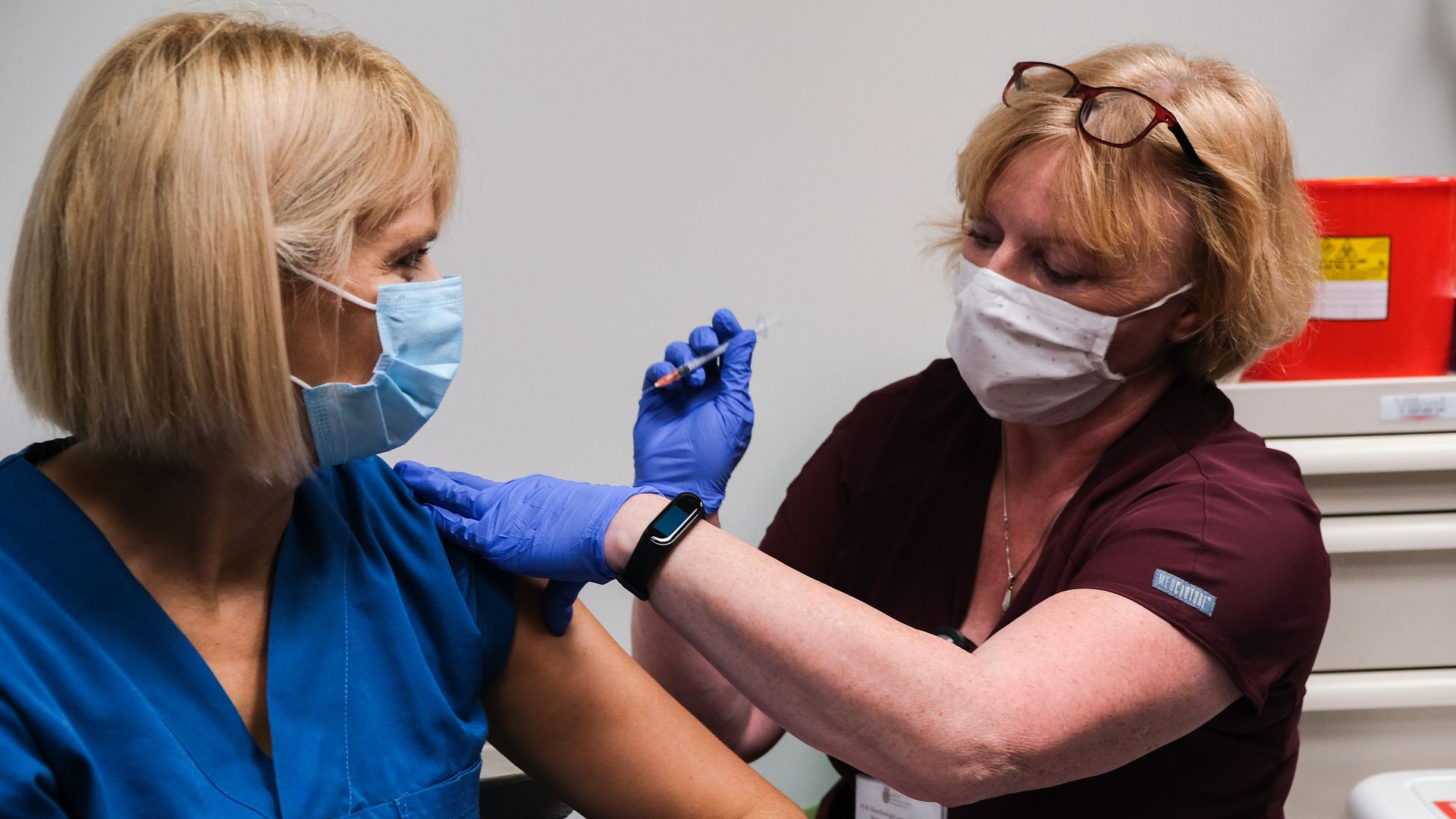
The European Union began on Sunday a coordinated rollout of coronavirus vaccinations across its 27 member states in a drive to inoculate some 450 million people.
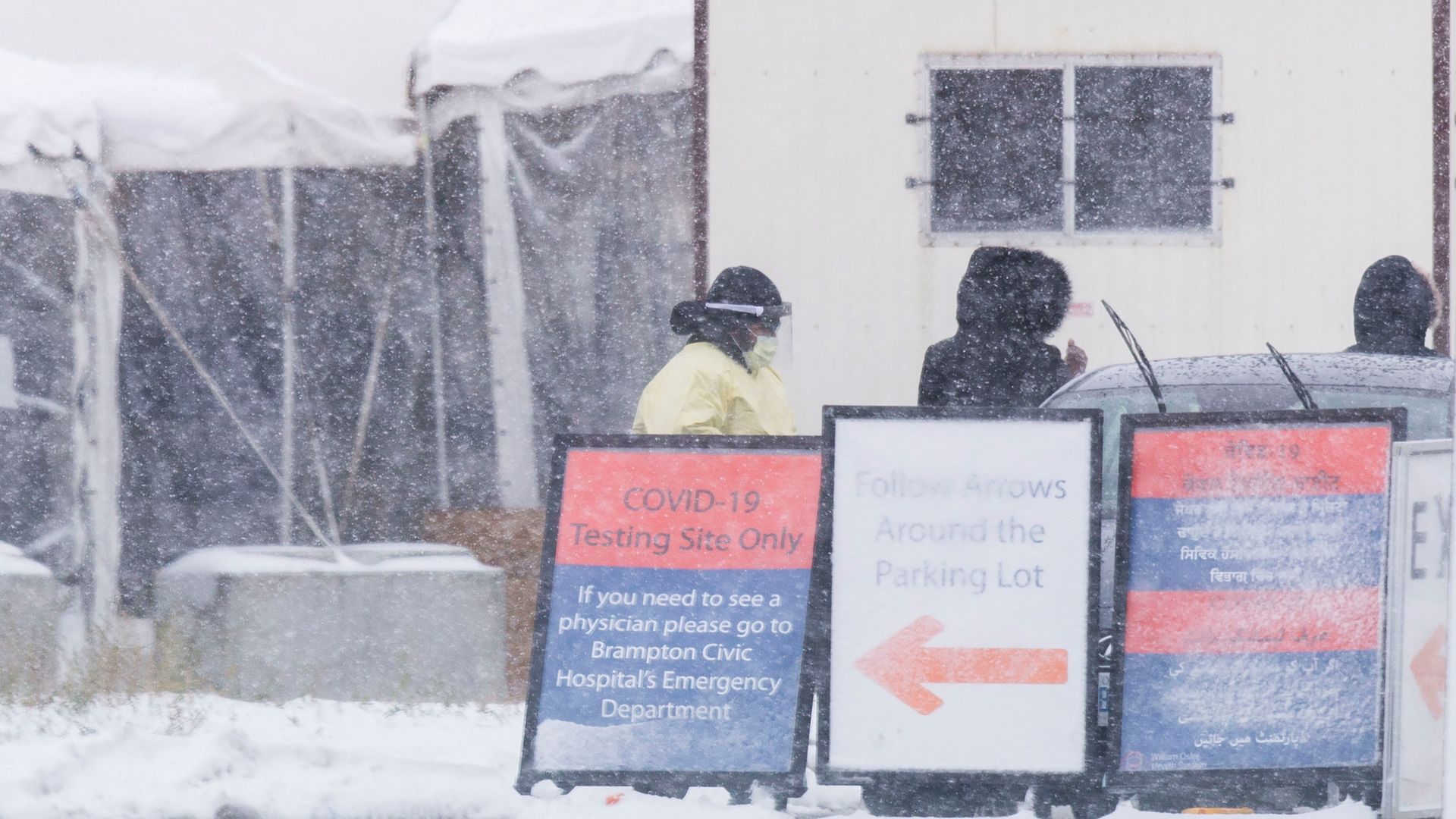
Why it matters: Several European countries have tightened restrictions as cases, deaths and hospitalizations surge. EU countries have recorded at least 16 million COVID-19 cases and 336,000 deaths since the pandemic began, per AP.
Cases of a new variant of COVID-19 first detected in England were confirmed by health officials in Canada, Japan and several more European Union countries Saturday.
Why it matters: While there's no evidence the variant is more deadly than the original strain, British Prime Minister Boris Johnson's announcement that it could be 70% more transmissible prompted dozens of countries to ban travel from the United Kingdom.
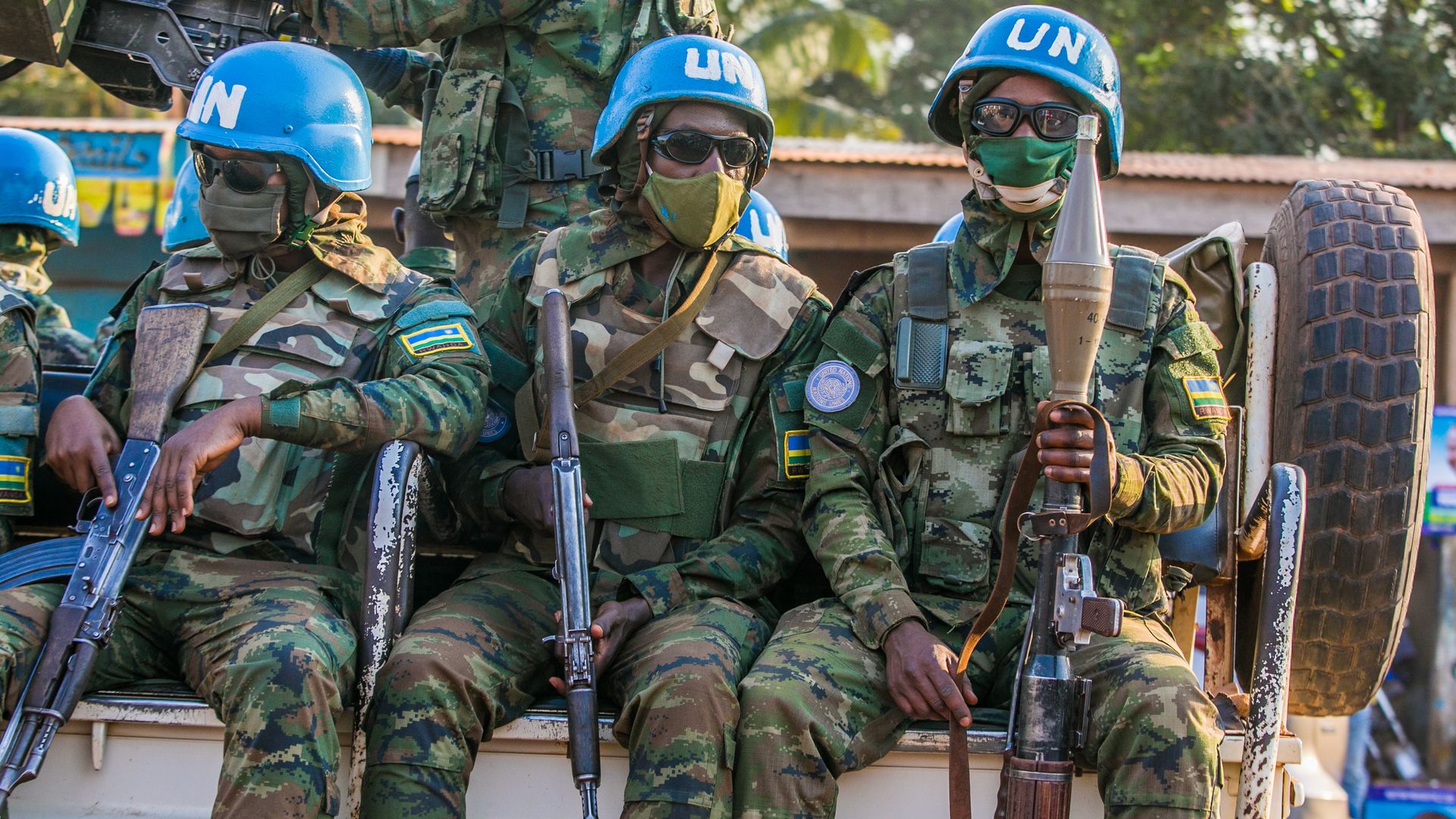
Three UN peacekeepers were killed north of Bangui, the capital of Central African Republic, on Friday, just days before the country's presidential and legislative elections, Reuters reports.
Why it matters: The country has faced unrest and insecurity since former President Francois Bozize — who the UN accused of ordering assassinations and arbitrary arrest and torture — was ousted by a rebellion in 2013. Bozize has denied the allegations.
Japan announced Saturday that it will temporarily ban non-resident foreign nationals from entering the country starting on Dec. 28 after it discovered its first case of a new variant of the coronavirus that may be more transmissible, Reuters reports.
Why it matters: The new variant, found in passengers arriving from Britain on Friday, has set off concern in the country as Tokyo struggles with a surge in cases heading into New Year holidays.
Vaccinating the world will be perhaps the single greatest global challenge of 2021, and that process is now beginning in earnest.
The big picture: If you're reading this in Europe, the U.S. or one of several other wealthy countries, you will probably have access to a vaccine in 2021. But if you're in a lower-income country, particularly in sub-Saharan Africa, you could be waiting until 2023.