An increase in cyberattacks across the Persian Gulf has underscored the region's rising geopolitical tensions and cybersecurity vulnerabilities.
The big picture: Government agencies, critical infrastructure and flagship state-owned firms are the prime targets for these cyberattacks, many of which have been linked to Iran or its proxies. While Iran has long threatened to close the Strait of Hormuz during a military conflict, its asymmetric cyber warfare capabilities have become a key means to destabilize competitors and adversaries.
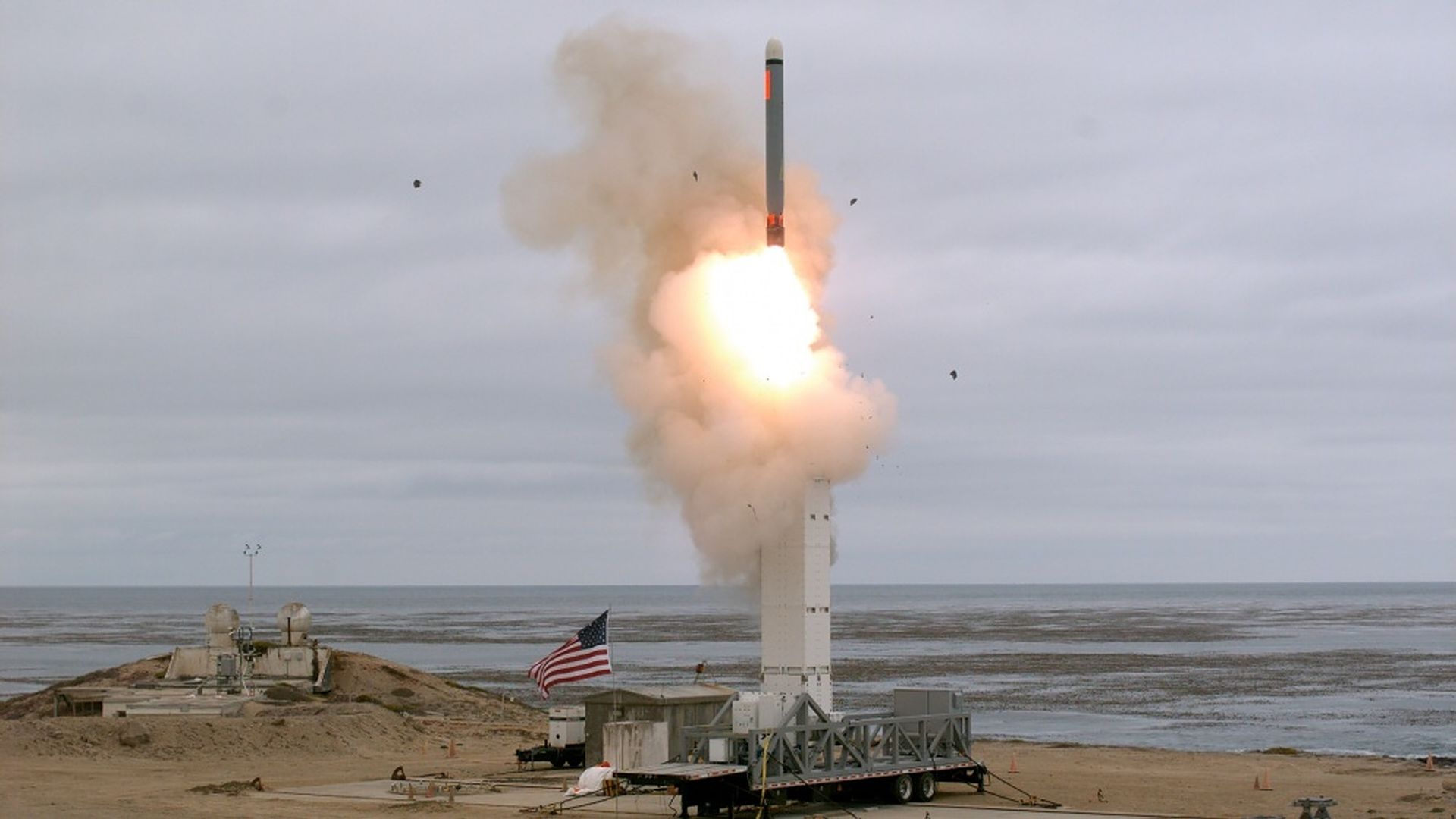
The Pentagon said Monday it had successfully tested a conventionally configured ground-launched cruise missile with a range of more than 300 miles at San Nicolas Island, California.
Why it matters: Sunday's test is the first of its kind sincethe U.S. officially pulled out of the Cold War-era Intermediate Nuclear Forces (INF) treaty with Russia, under which it would have been prohibited.
Per Bloomberg, this signals a determination by the U.S. to develop intermediate-range capabilities. The Pentagon plans to test an intermediate-range ballistic missile in November.
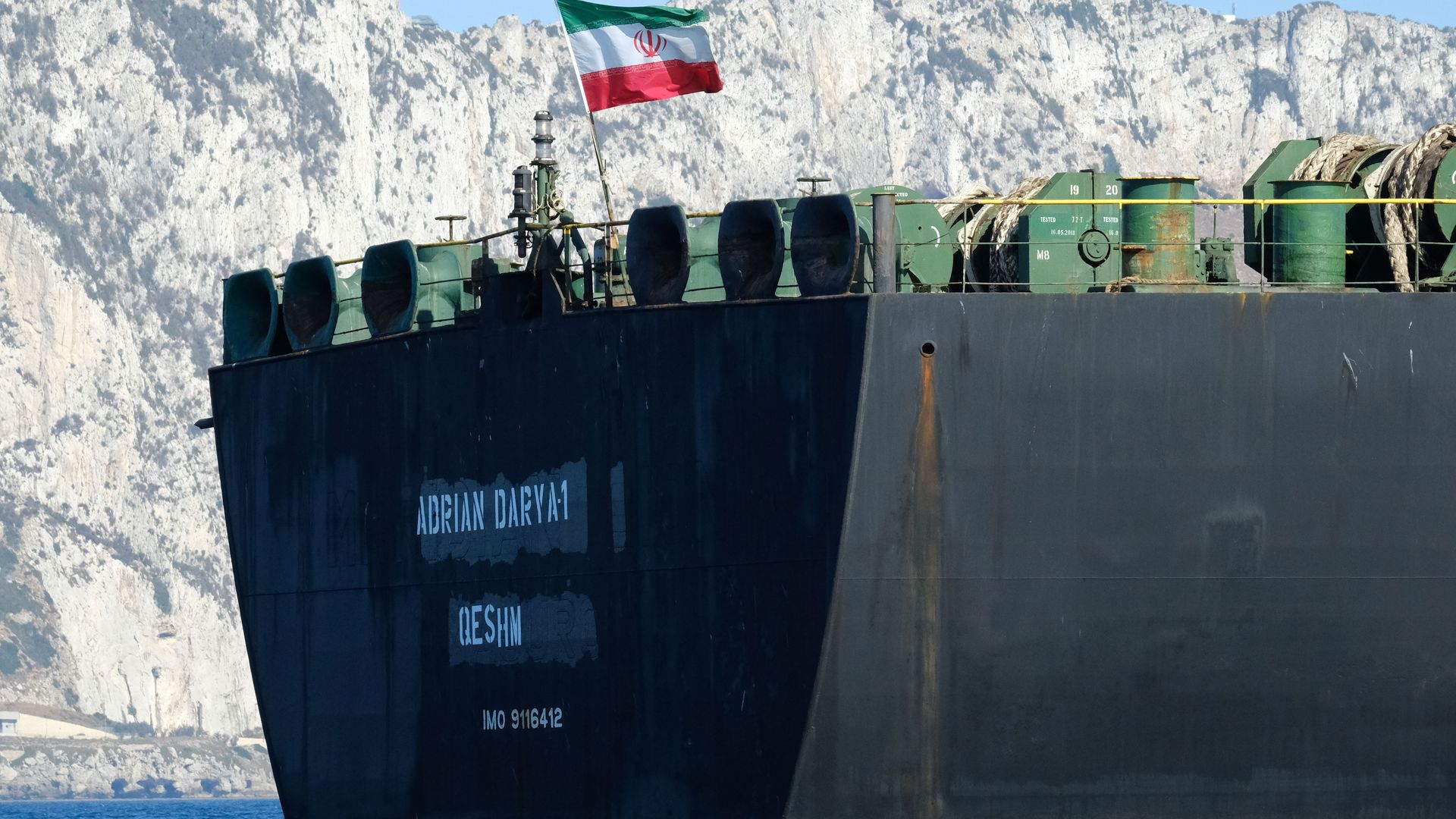
A State Department official said Monday the U.S. conveyed its "strong position" to the Greek government and all ports in the Mediterranean about a Greece-bound Iranian supertanker it sought to seize, Reuters reports.
Why it matters: The Adrian Darya 1 tanker has been at the center of a standoff between Iran and the West since it was detained at Gibraltar on suspicion of carrying oil to Syria. The official said the tanker is assisting the Islamic Revolutionary Guard Corp and any efforts to help it may be considered providing material support to the U.S.-designated foreign terrorist organization, which has potential criminal consequences, per Reuters.
After years of double-digit growth, the number of Chinese visitors to the U.S. and the amount they spend are shrinking, inflicting a hit on the $1.6 trillion travel industry.
The big picture: The inflection point was 2017, coinciding with President Trump's assumption of power and the intensification of U.S.-Chinese brinkmanship, according to data from the National Travel and Tourism Office, an industry association.