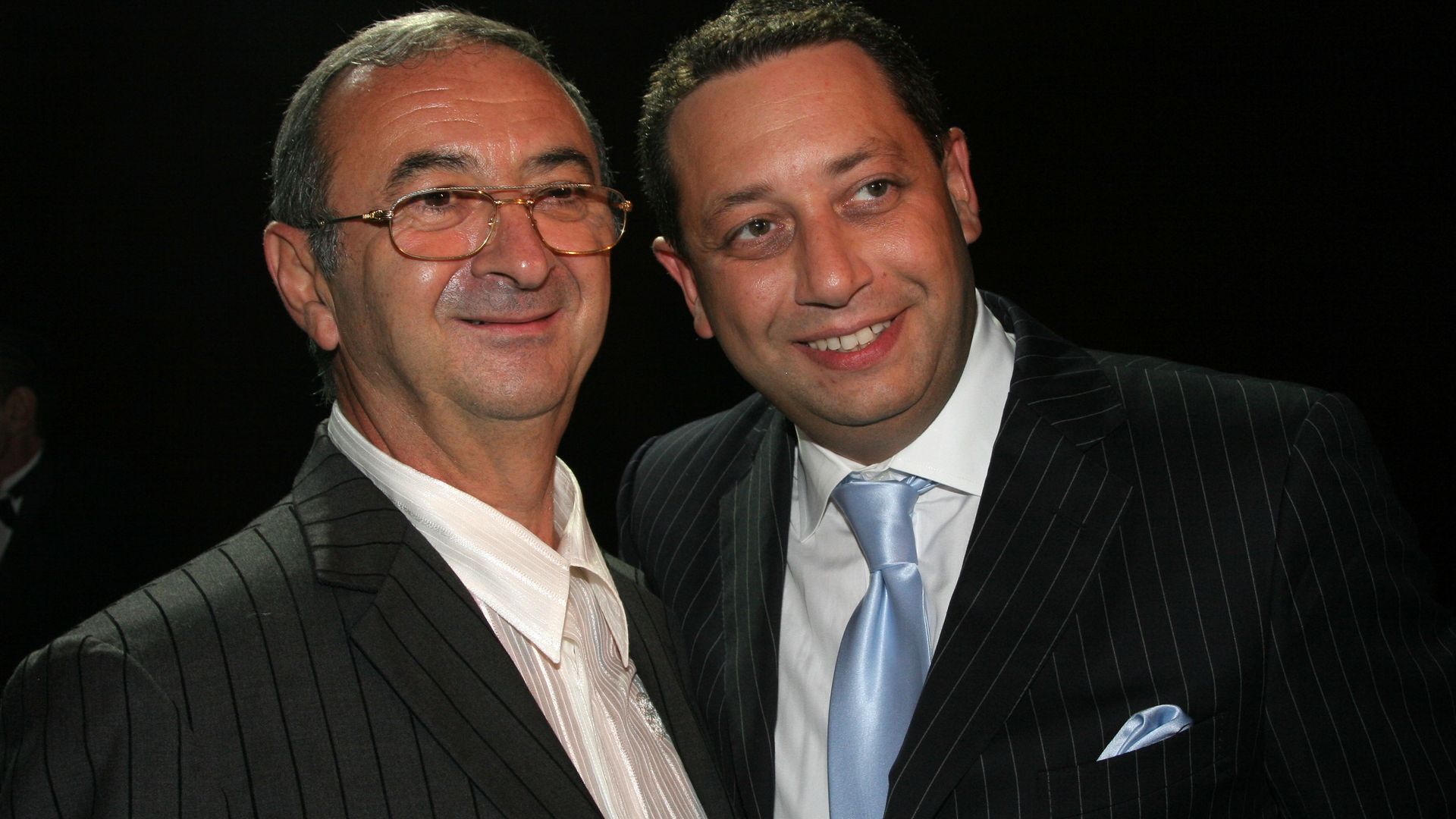
Russian-born real estate developer and twice-convicted felon Felix Sater will testify privately before the House Intelligence Committee on Friday about his work with Michael Cohen to build a Trump Tower in Moscow, Sater confirmed to the Washington Post.
Why it matters: President Trump's efforts to secure a lucrative real estate deal in Russia at the same time the Kremlin was interfering in the 2016 election on his behalf have drawn intense scrutiny from House Intelligence Chairman Adam Schiff (D-Calif.). Sater was previously scheduled to testify in public before the committee in March, but his appearance was delayed as a result of the pending release of special counsel Robert Mueller's report.
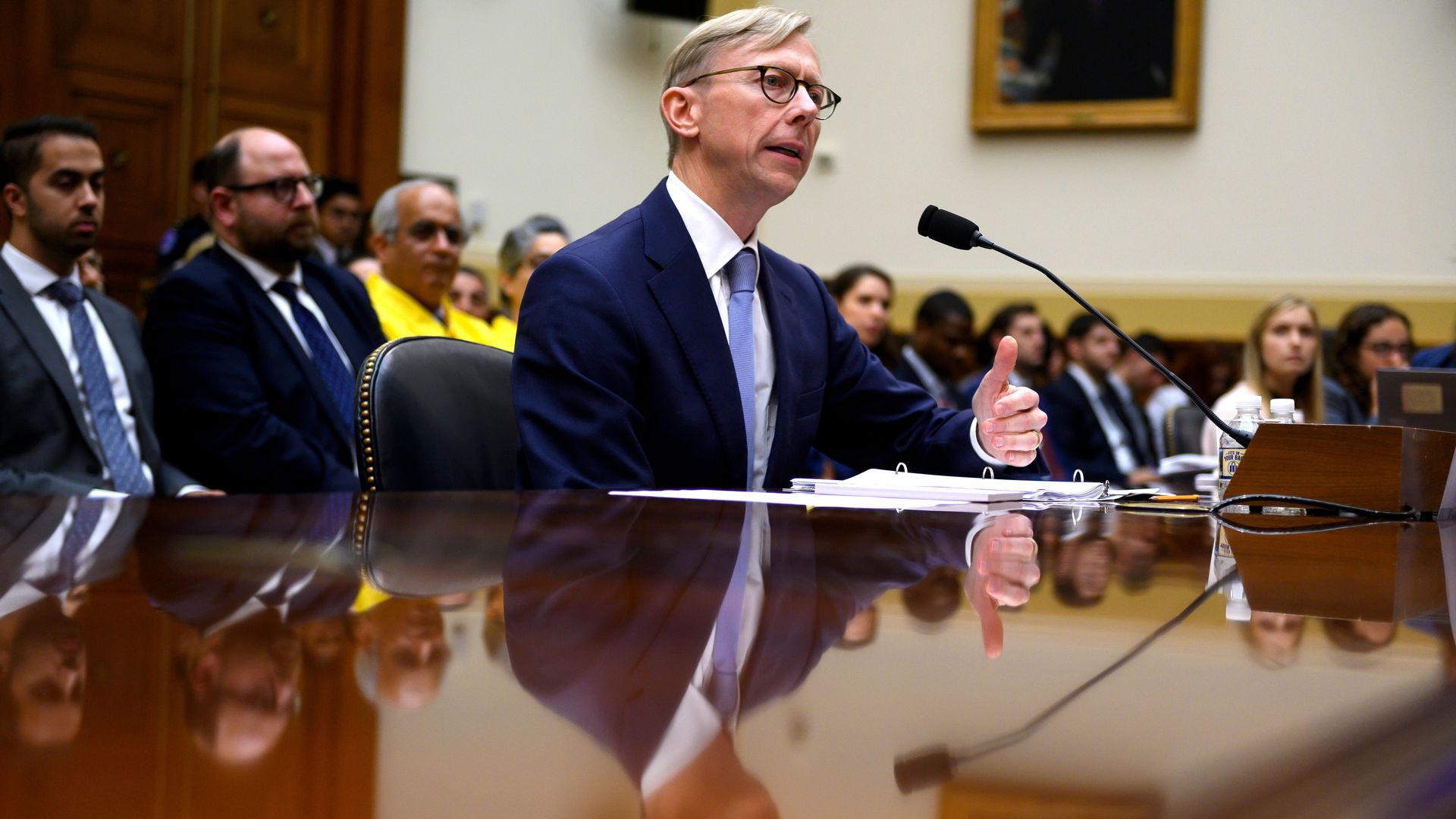
Brian Hook, the U.S. envoy for Iran, insisted today that the Trump administration’s "maximum pressure" campaign is working, despite escalating tensions and growing fears of war.
Between the lines: Asked to justify that claim of success, Hook told members of a House Foreign Affairs subcommittee that funding to Iranian proxies had dropped, and argued with limited evidence that the regime is now "weaker." He didn’t deny that withdrawing from the 2015 nuclear deal and ramping up sanctions had rendered Iran more aggressive, rather than less.
After years of bitter complaints about cyberattacks from foreign adversaries, a new report describes aggressive U.S. cyber plans and intrusions of its own against Russia, a show of long-understood American prowess on the leading edge of warfare.
What’s happening: Experts tell Axios that the leak, published Sunday in the New York Times, may intend to signal the damage that the two countries could suffer in its confrontation with the U.S. But the disclosure also risks exacerbating already-fraught relations.
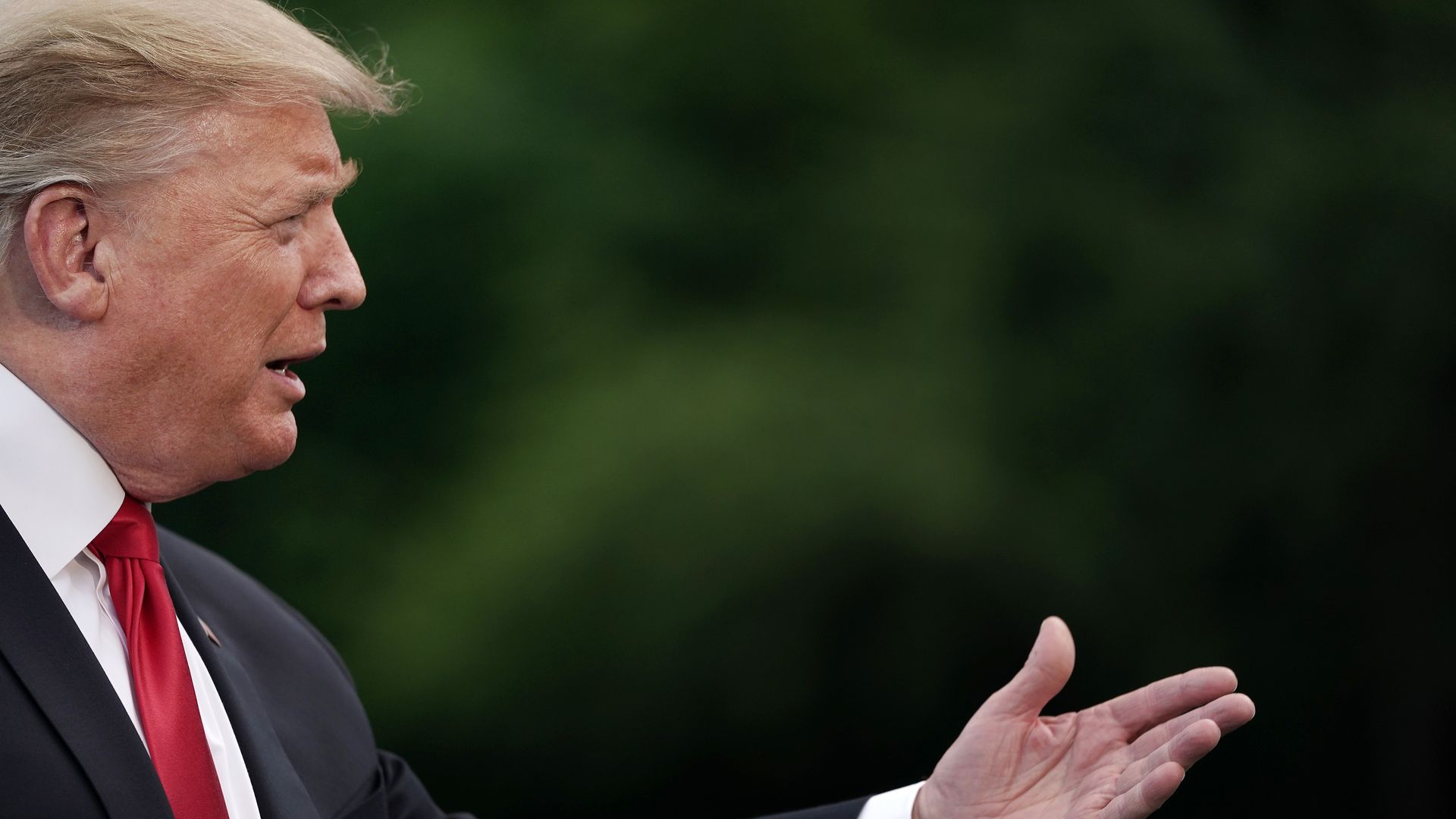
President Trump — in a TIME interview posted late Monday night — downplayed the alleged Iranian attacks against two tankers in the Gulf of Oman last week, calling them "very minor."
The backdrop: It published just hours after Secretary of Defense Patrick Shanahan announced U.S. is deploying an additional 1,000 troops to the Middle East in response to "hostile behavior by Iranian forces and their proxy groups."
With Vladimir Putin's presidential mandate expiring in 2024, there's growing speculation he'll try to hold on to power by forming a Russia-Belarus union and placing himself in charge.
Why it matters: It's a distinct possibility given Putin's penchant for using legalistic steps to maintain a semblance of legitimacy. But it's not just about Putin’s job security — the Kremlin is waging a "creeping assault" on its neighbor's sovereignty and will take whatever steps it deems necessary to keep Belarus in its orbit, according to new research discussed today at the German Marshall Fund.