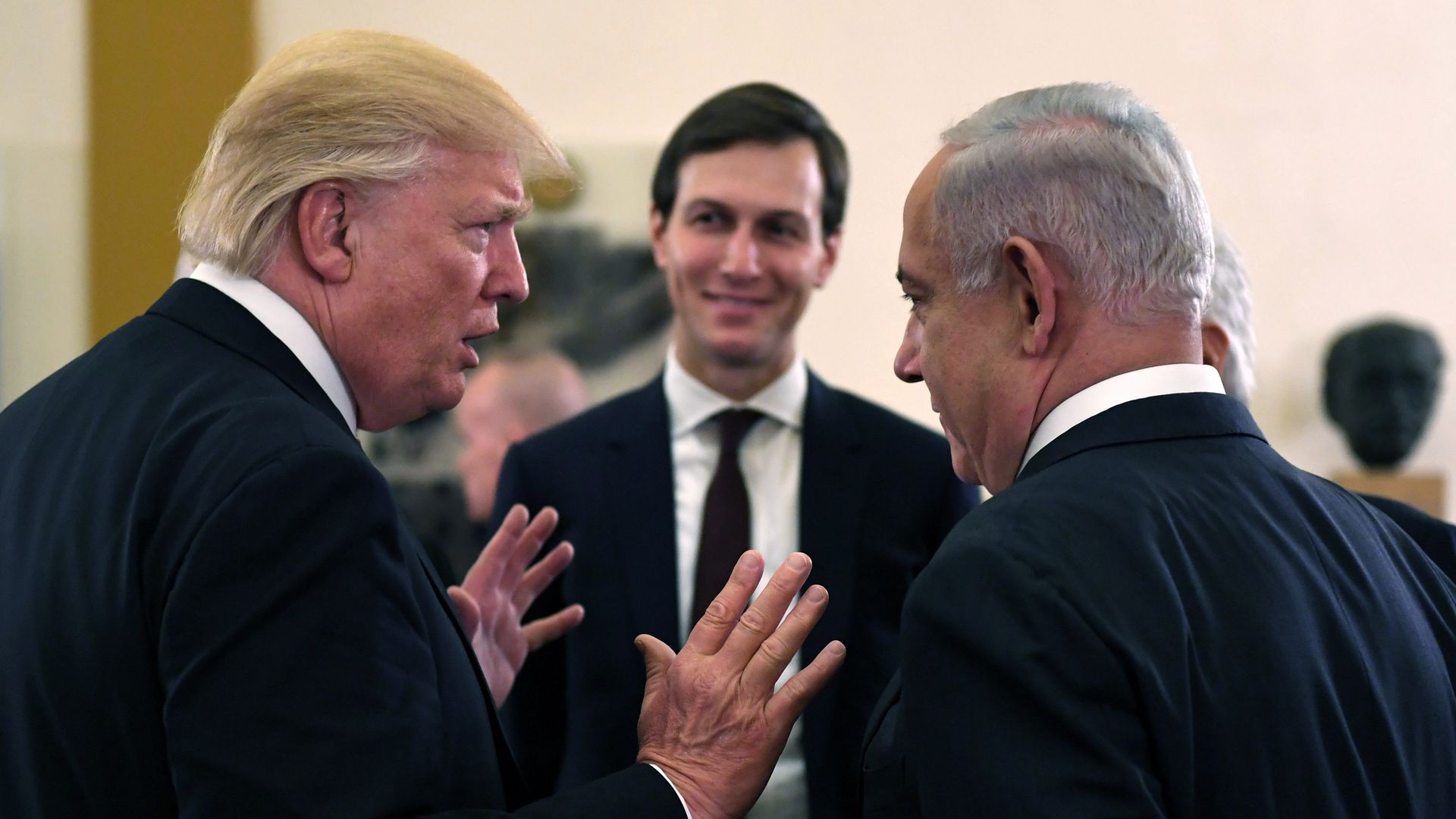
Israeli Prime Minister Benjamin Netanyahu said during a press conference in Rio de Janeiro on Monday that the Trump administration doesn't want to present its Middle East peace plan before Israel's early elections on April 9.
Why it matters: After Netanyahu announced the snap elections last week, a White House official said the administration would consider them as it deliberated on the timing of the plan's launch. But Netanyahu has now publicly stated that the White House will postpone the publication of the plan, saying, "It is their calculation — and I am not sure they are wrong — that allowing a discussion about the peace plan after the elections in Israel is better than having such a discussion before an election when the whole debate will be totally different."
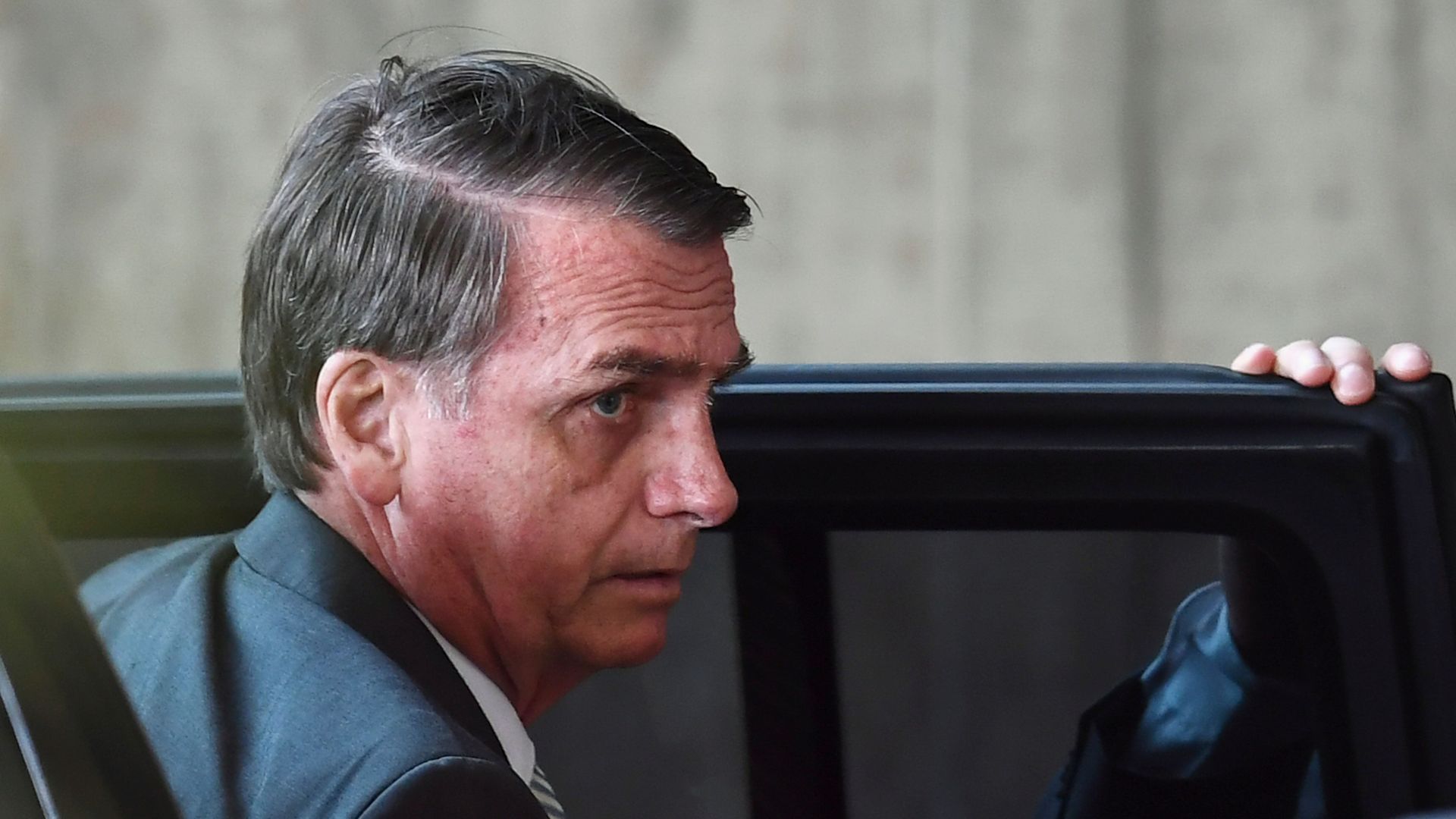
President Trump is sending Secretary of State Mike Pompeo to Brazil on Monday in a show of support for the Jan. 1 presidential inauguration of right-wing nationalist Jair Bolsonaro. In a press call previewing Pompeo's visit, the U.S. State Department said that “China’s predatory trade and lending practices” would be among the topics of discussion with Bolsonaro and Foreign Minister Ernesto Araujo.
The big picture: The Trump administration hopes that Bolsonaro, who has jolted his country’s political establishment and promised to be similarly disruptive in the foreign policy arena, will join its effort to combat growing Chinese influence in Latin America. But while Brazil's new leader criticized China on the campaign trail, he's likely to assume a more pragmatic attitude toward Beijing once in office.
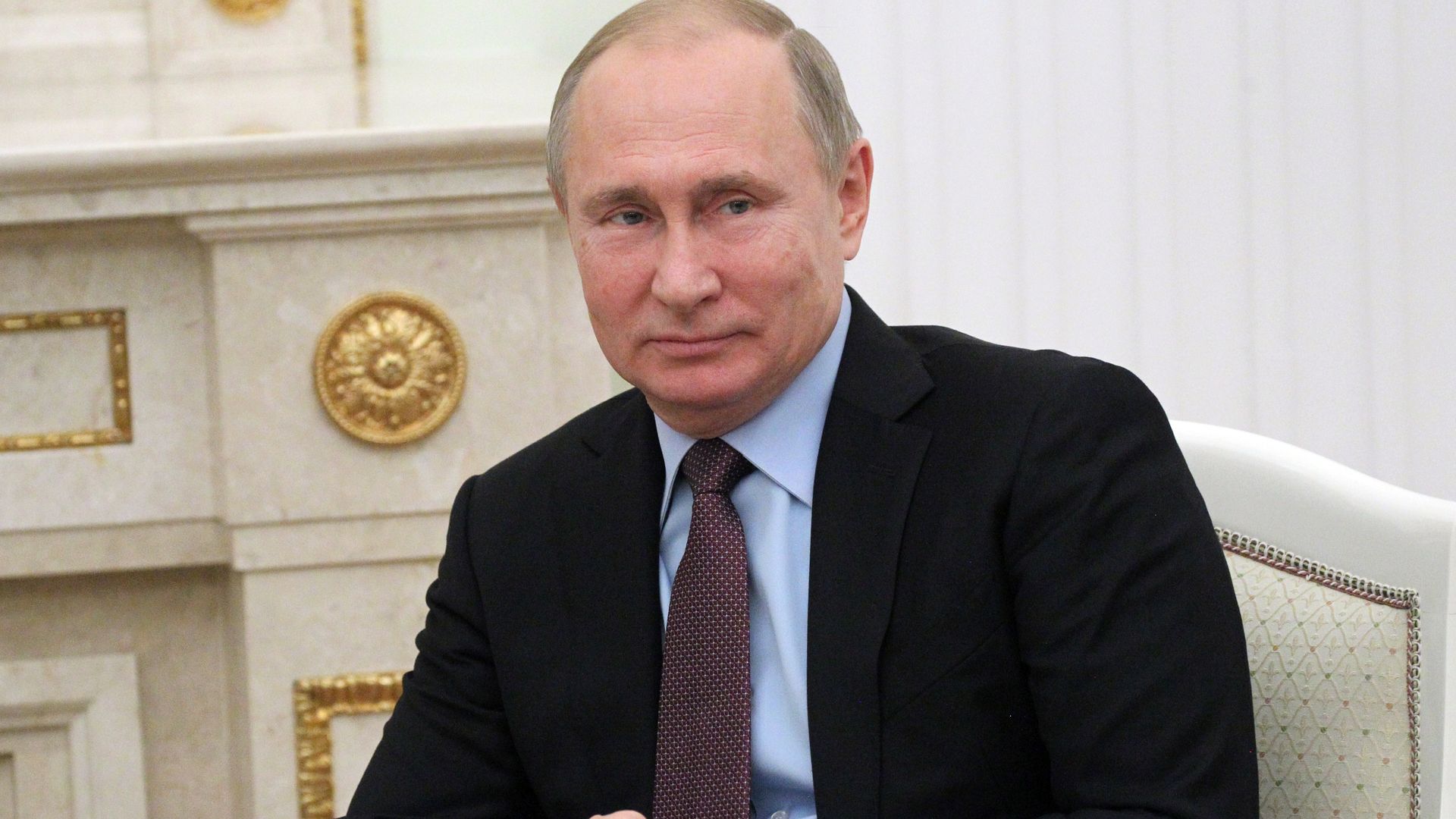
Russia's counter-espionage agency says it arrested a U.S. citizen in Moscow on Friday, identified as Paul Whelan, and charged him with espionage, the BBC reports.
The big picture: This comes weeks after Russian spy Maria Butina pleaded guilty to conspiracy charges in U.S. federal court. The U.S. has not yet confirmed Whelan's arrest, per the BBC; he faces 10–20 years in jail in Russia if found guilty.
This year was largely spent in a protective crouch, with disaster looming in a number of global hot spots — and all of them are still looming in 2019.
Why it matters: The major calamities we feared in 2018 didn't get resolved — they've merely been deferred. North Korea still has nuclear weapons. The trade war isn't over. The post-World War II global order is crumbling under threat from populism, adversaries like China and Russia, and a failure to solve systemic problems. Economic recession, a threat multiplier, is looking increasingly likely.
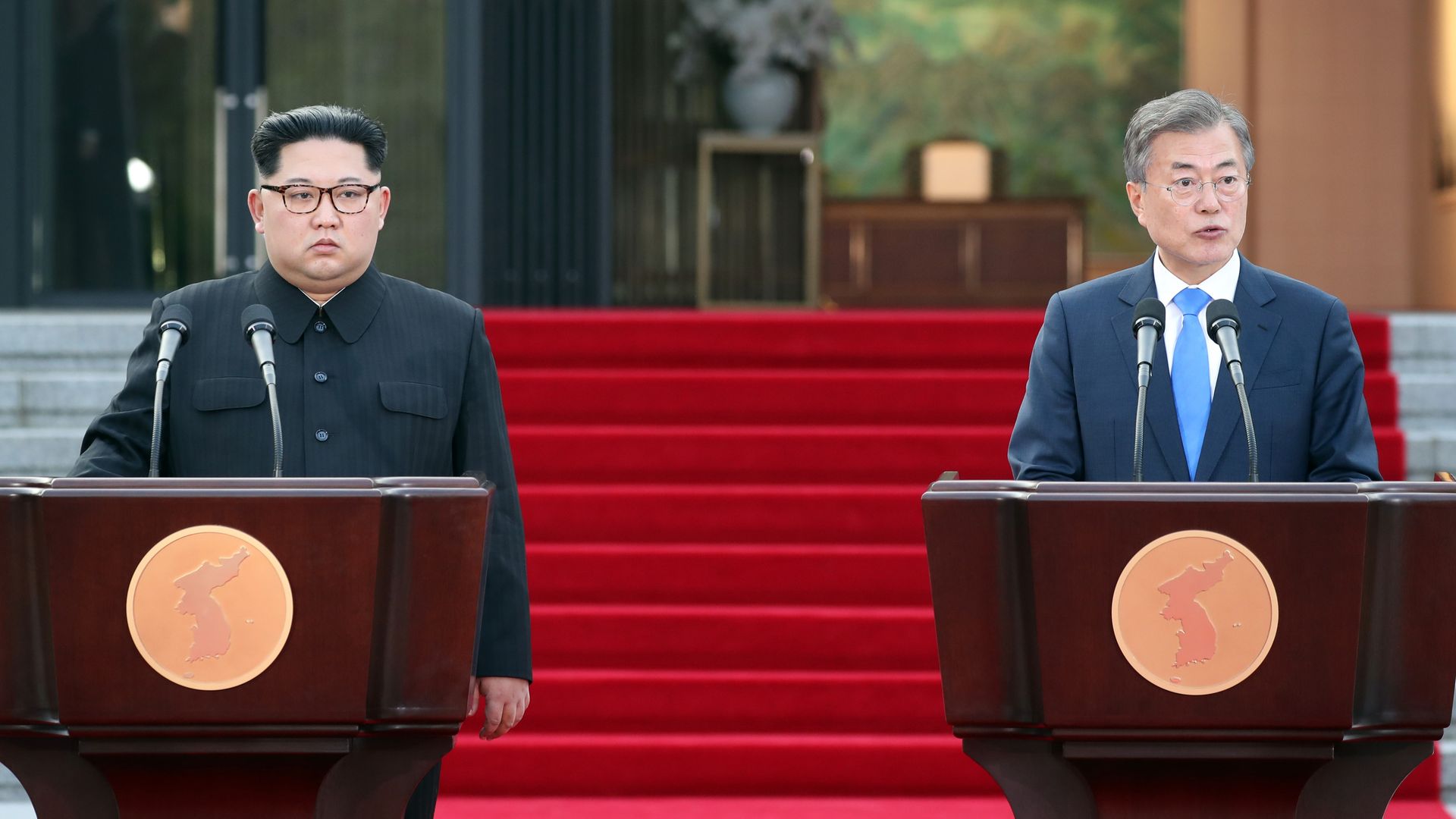
Kim Jong-un told South Korea’s Moon Jae-in in a New Year's letter that he wants to meet with Moon "frequently" next year and vowed to work on "denuclearization of the Korean Peninsula together," Blue House spokesperson Kim Eui-kyeom said, per NK News.
The big picture: Kim often lays out pledges he fails to meet. Just this year, he failed to meet a series of his commitments, ranging from not traveling to meet Moon in Seoul before the year’s end to not following through on his denuclearization promises to President Trump in Singapore.




/2018/12/21/1545421337842.gif?w=3840)