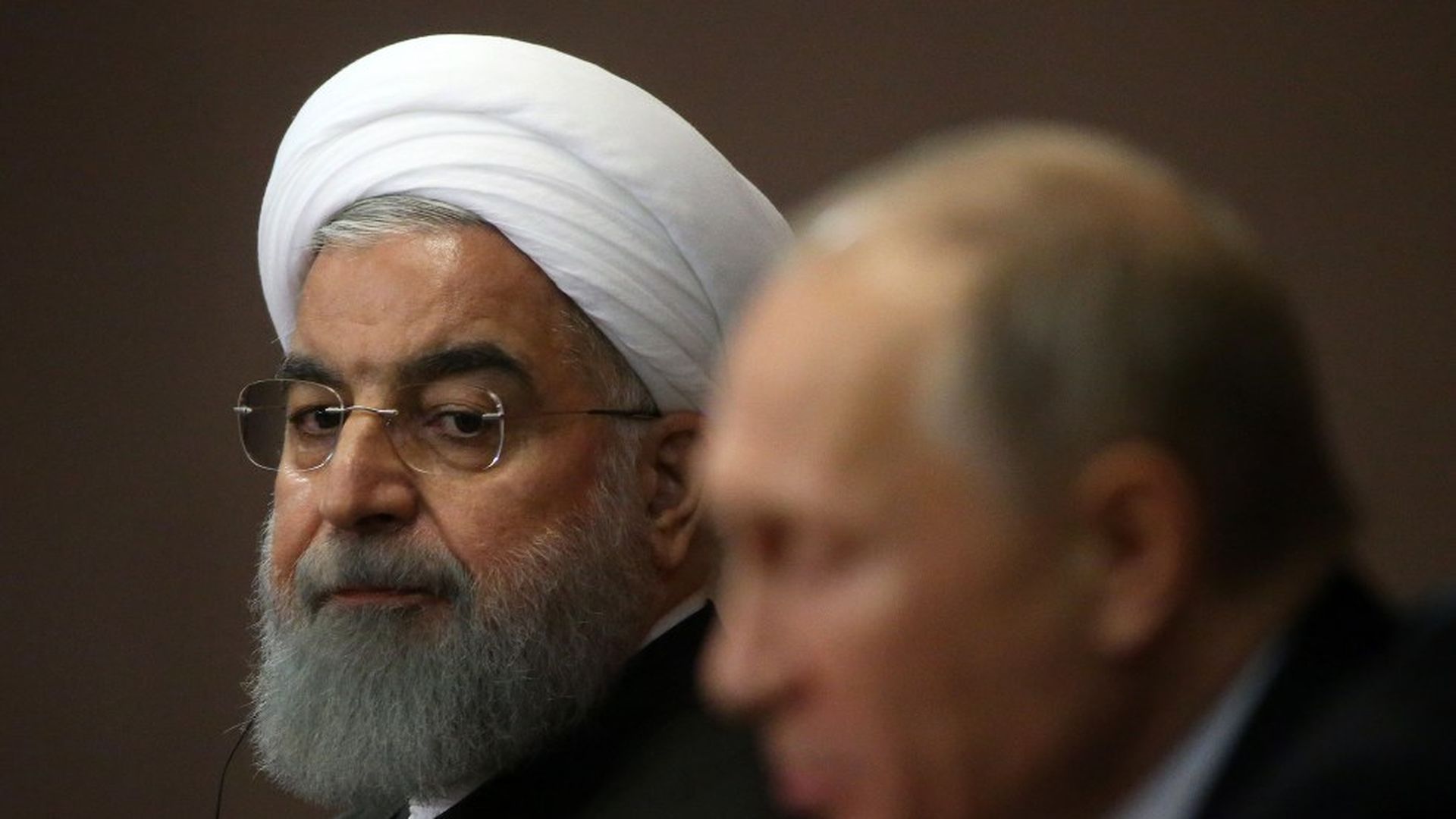
Iranians in several major cities took to the streets this week in protests stemming "from seething discontent in Iran," the BBC reports. The protests started over the state of the economy, but quickly became "a general outcry against clerical rule and government policies."
Why it matters: These are the most widespread protests since those in 2009 and political protests are rare in Iran where "security services are omnipresent," per Reuters.
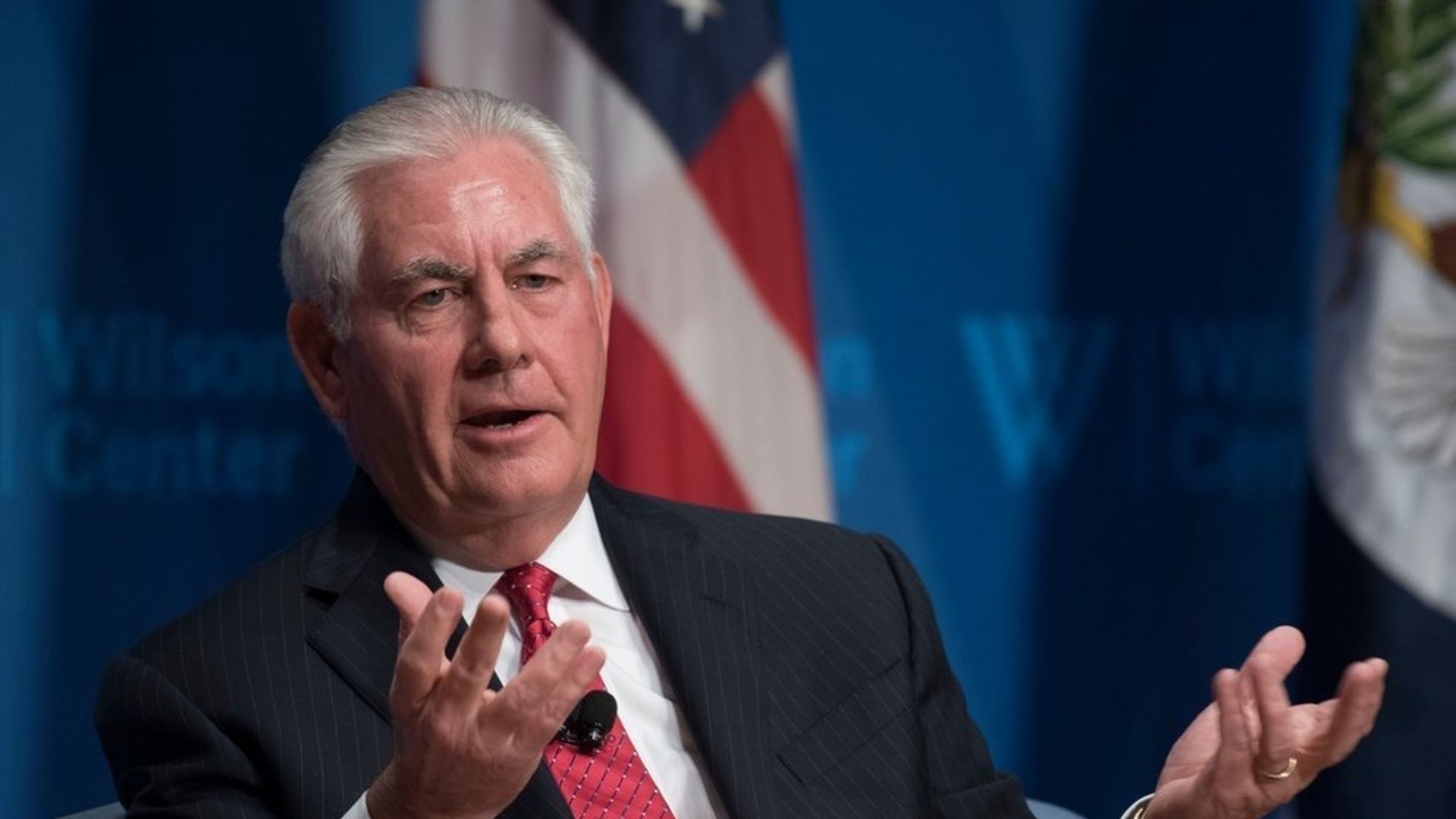
In a New York Times op-ed published in Thursday's paper, Secretary of State Rex Tillerson touted the U.S. foreign policy initiatives he spearheaded during this first year. He pointed to the new caps on trade the U.N. and allies imposed on North Korea, the rebuilding of diplomatic ties in the Middle East and the country supporting the Ukrainian government amid aggression from pro-Russian separatists.
Why it matters: The country's top diplomat had a very bumpy year.
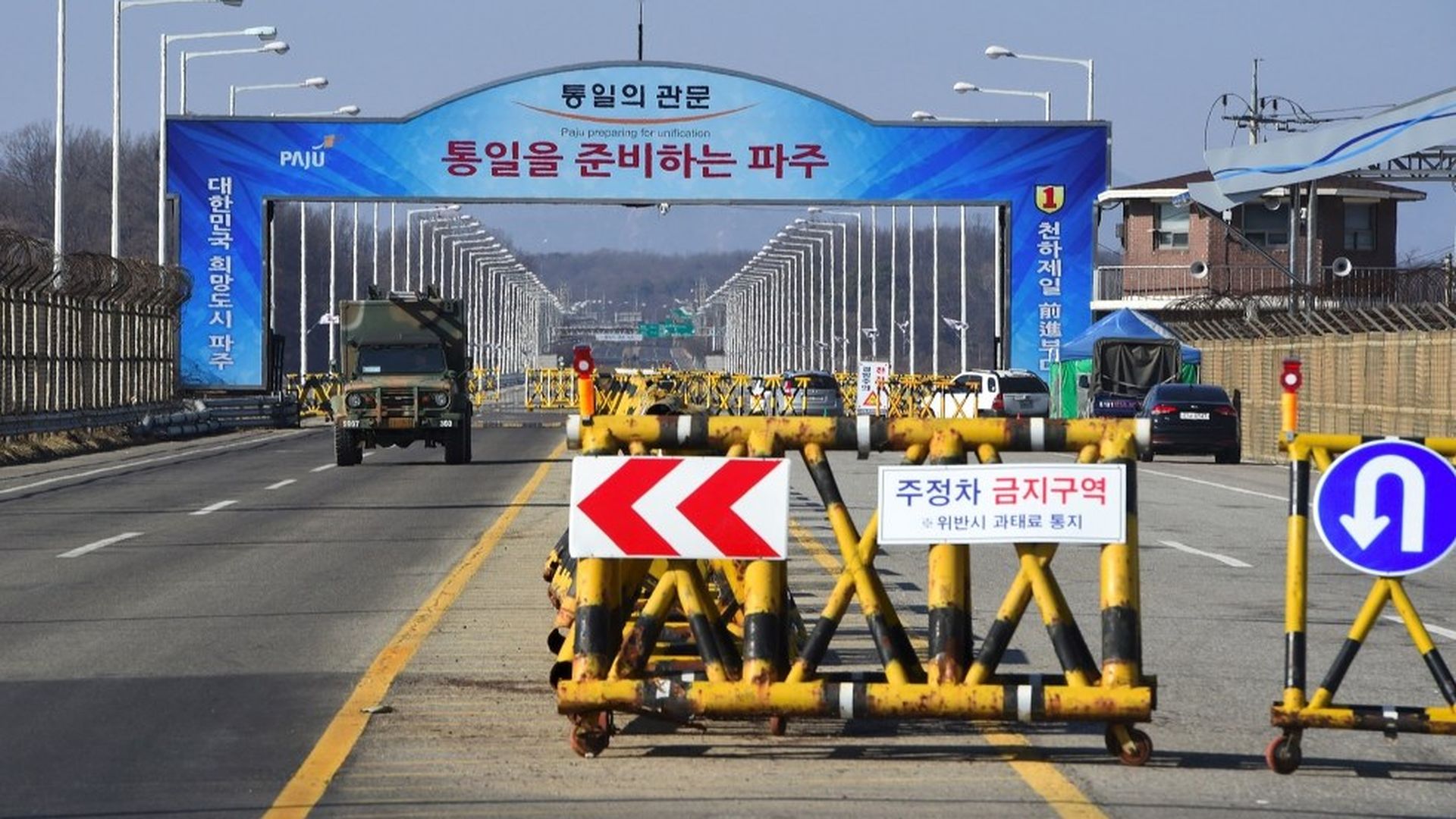
South Korea's government announced today that there is no evidence to back up claims that wages paid by South Korean companies to North Korean workers at a cross-border industrial park were funding North Korea's military ambitions, per Reuters. The South's previous administration, headed by deposed President Park Geun-hye, had made the assertions following a long-range missile test by North Korea last year.
The context: The complex in question — Kaesong industrial park — was designed to help foster cooperation between North and South Korea. 55,000 North Korean workers at the facility made double the North's usual minimum wage by doing work for South Korean companies.
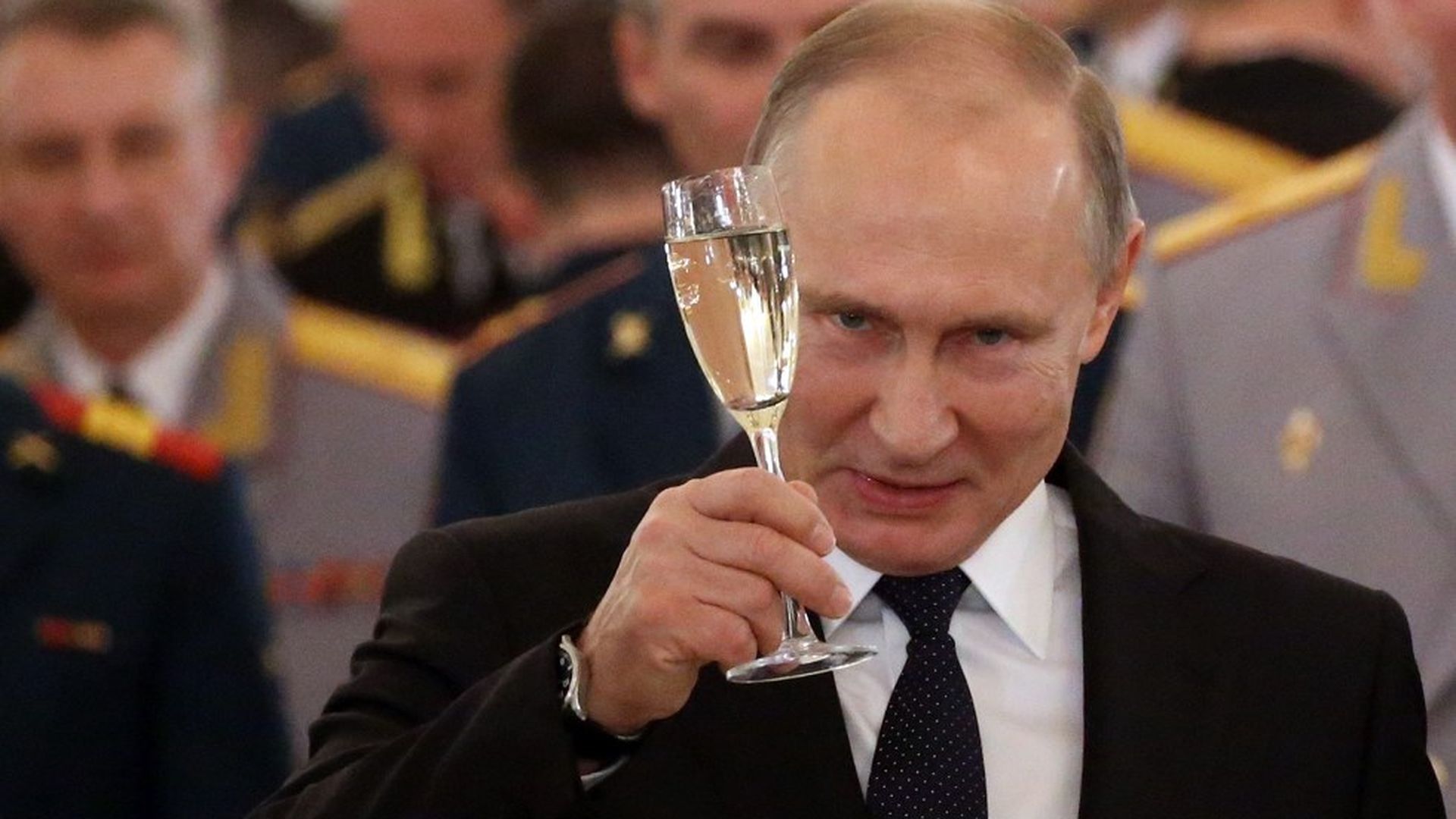
Russian President Vladimir Putin says a bombing yesterday in a St. Petersburg supermarket that injured at least 13 people was a terrorist attack, per the AP. He also stated that another attack in the city had been prevented, though the Kremlin did not provide any details.
Think back: Putin thanked President Trump earlier this month for the CIA's help in providing a tip that prevented a series of bombing attacks in St. Petersburg.