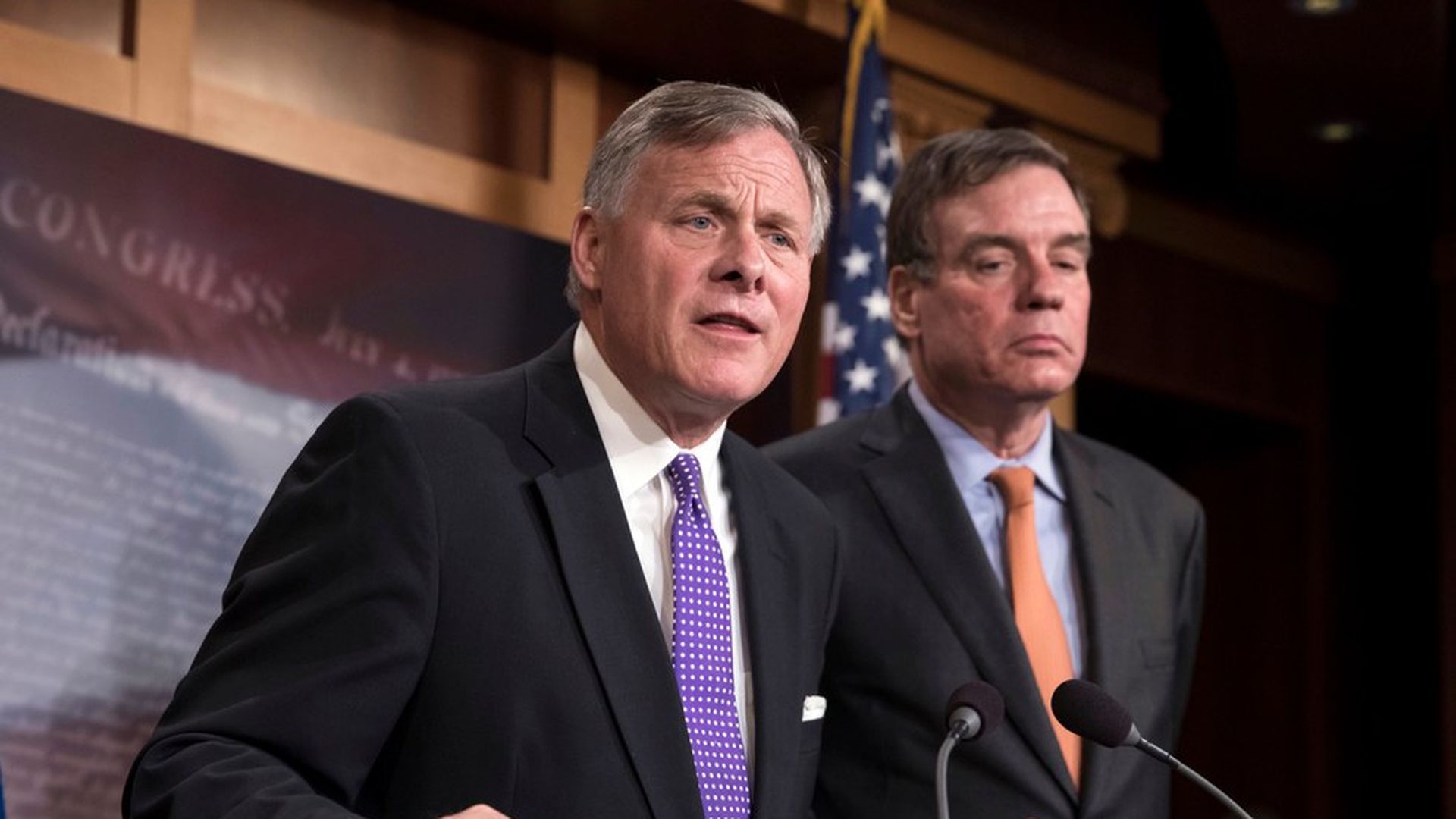
"All three committees looking into Russian interference — one in the House, two in the Senate — have run into problems, from insufficient staffing to fights over when the committees should wrap up their investigations," the N.Y. Times' Nicholas Fandos writes on A1.
Why it matters: "Nine months into the Trump administration, any notion that Capitol Hill would provide a comprehensive, authoritative and bipartisan accounting of the extraordinary efforts of a hostile power to disrupt American democracy appears to be dwindling."
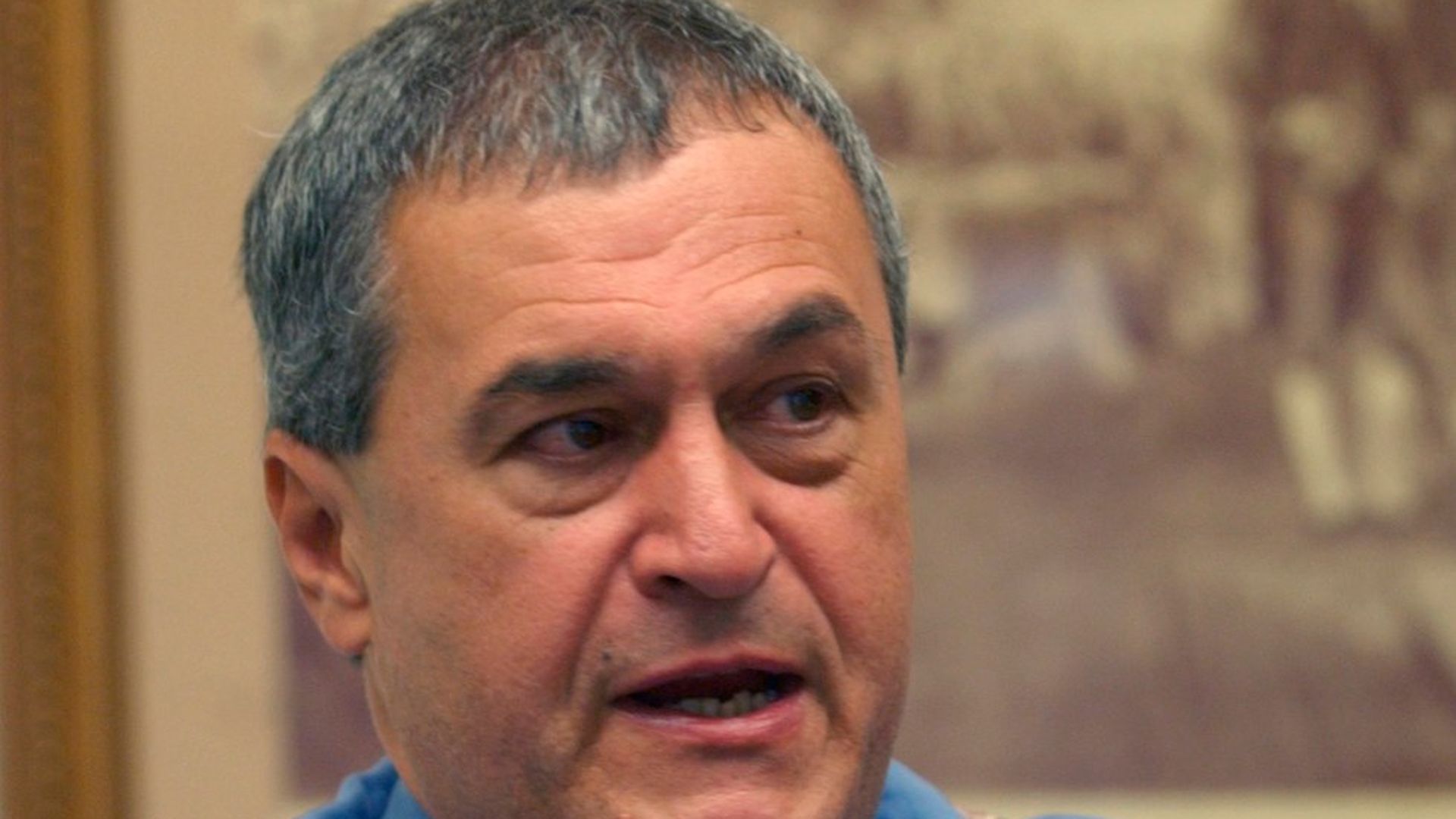
Special Counsel Robert Mueller's Russia probe is investigating Democratic strategist Tony Podesta and his lobbying firm the Podesta Group, per NBC News. John Podesta — Tony's brother and former Clinton campaign chairman — is not a part of the Podesta Group and thus not a figure in Mueller's investigation.
What happened: Mueller is reportedly looking at Podesta's work on a pro-Ukraine public relations campaign from 2012 to 2014 organized by Paul Manafort. Podesta and his firm may have violated the Foreign Agents Registration Act by not disclosing their work for a foreign government — though The Podesta Group retroactively filed a FARA registration, which is allowed under federal law.
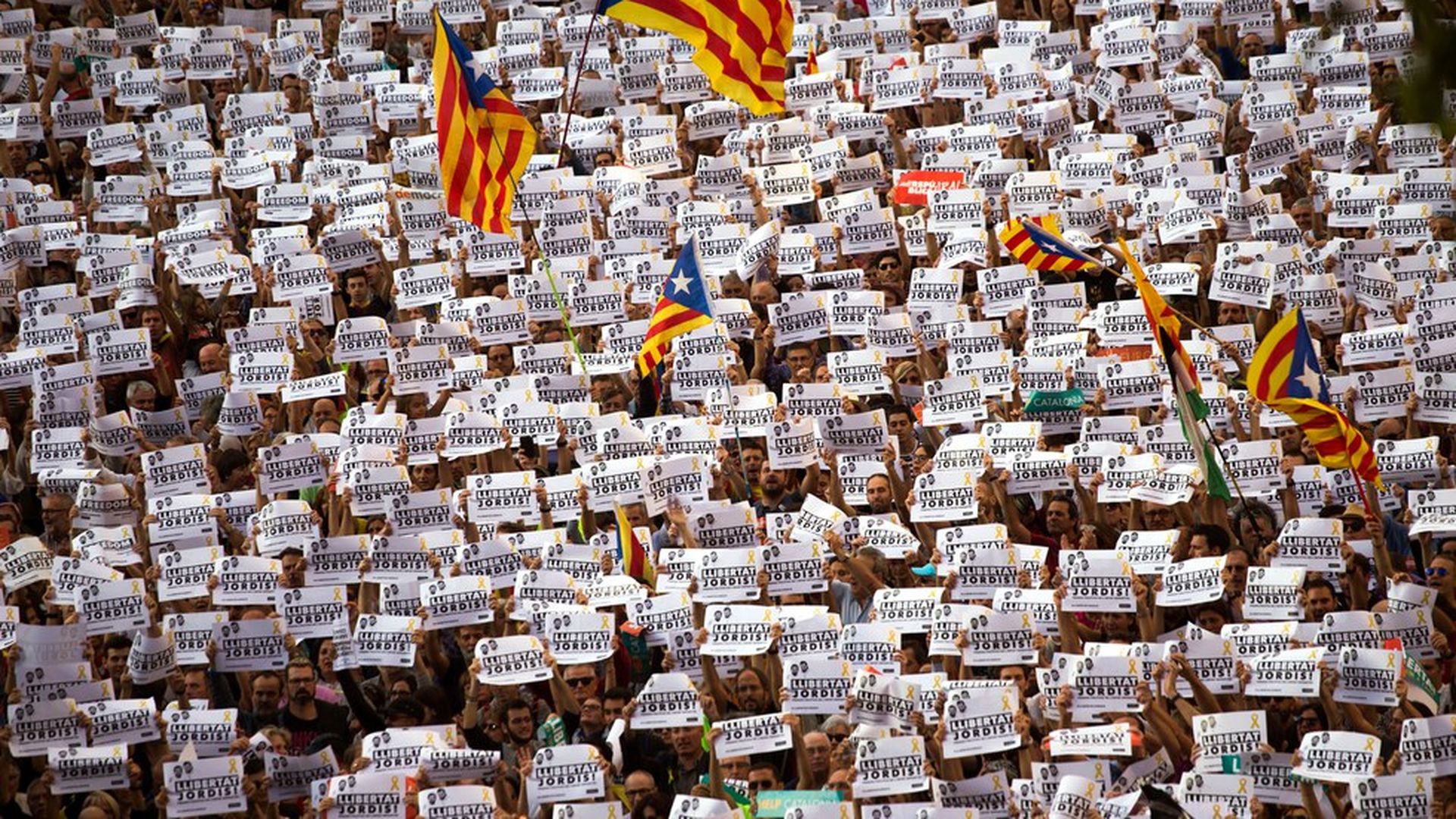
Catalonia's push for independence from Spain seized headlines this month, capturing international attention as a potentially successful separatist push within the relatively stable confines of Western Europe. Catalonia's secession would raise a whole host of questions for a range of international bodies — most notably, the European Union — that they'd prefer to ignore.
Why it matters: There are separatist movements all around the globe — even in most U.S. states — but the world tends to focus on those that have the potential to upend our understanding of the world and reshape geopolitics as we know it.