Friday's world stories

Gorelick will still be with Kushner's legal team, just not on the Russia case

Jamie Gorelick says she will still be a part of Jared Kushner's legal team, confirming the report from Yahoo! News stating she was handing off responsibilities relating to the Russia investigation to criminal defense attorney Abbe Lowell.
Gorelick said she suggested Kushner get independent legal advice about whether to keep Gorelick on the Russia-related inquiries ever since Bob Mueller and other partners left her firm, Wilmer Hale, to work on the Special Counsel investigation. "As a result of this process, Jared decided that Abbe would represent him in the Russia-related inquiries," Gorelick said.
Now, Gorelick will continue to work on ethics compliance and security clearance processes, which she was originally hired to cover.

Meet the ex-Soviet intel officer at Don Jr.'s Trump Tower meeting

Rinat Akhmetshin, the former Soviet intelligence officer who attended a June 2016 meeting with Donald Trump Jr. and a Kremlin-connected Russian lawyer, is a superlative Washington political operator who over the last two decades has repeatedly been at the center of cases involving corruption, dictators and sometimes war.
Akhmetshin was apparently hired to work with Natalia Veselnitskaya, the lawyer who met with Trump on June 9, 2016, in a lobbying effort against the Magnitsky Act, a congressional measure that sanctions Russia and Russian figures. He confirmed to the AP on Friday morning that he was in that meeting, saying: "I never thought this would be such a big deal to be honest."
I met Akhmetshin in 1998 in the Kazakhstan city of Almaty, where I was writing for The New York Times and he was representing the country's opposition leader in a quixotic effort to oust President Nursultan Nazarbayev.

Hackers are penetrating U.S. nuclear facilities
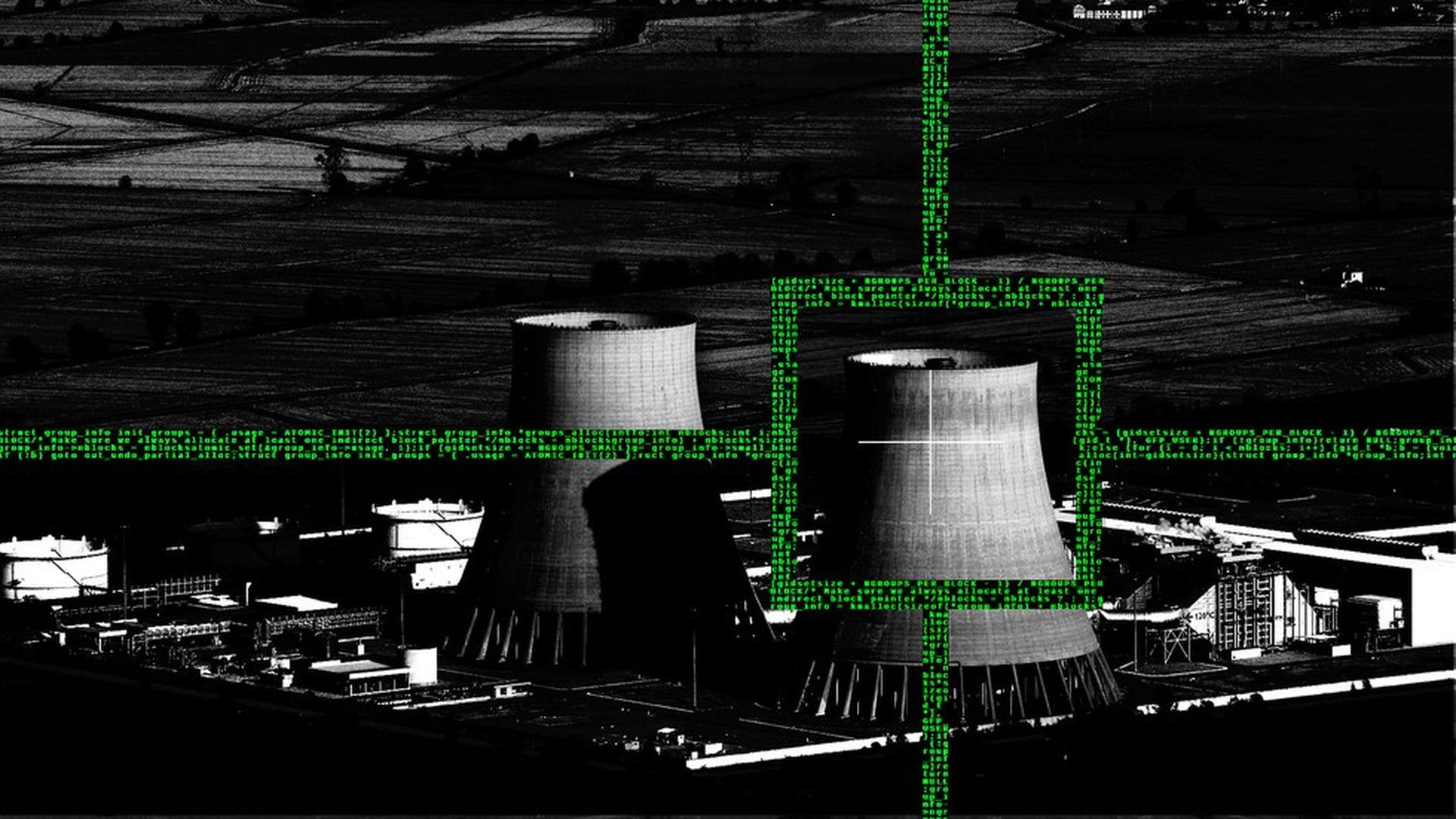
Hackers have been penetrating the computer networks of nuclear facilities in the U.S. since May by sending what appear to be legitimate resumes that contain malware and by compromising frequently visited web sites, the Department of Homeland Security and FBI said in a report obtained by the New York Times.
- The good news: A DHS spokesperson told Axios there's "no indication of a threat to public safety" since the hacks appeared to be isolated in the administrative and business side of the nuclear facilities, not reaching control panels (indeed, one affected facility said no "operations systems" were impacted).
- The bad news: Stephen Boyer, co-founder of cybersecurity ratings company BitSight, said it's possible code could be sitting dormant to gather intel on how to launch attacks in the future. And if U.S. nuclear facilities are successfully compromised, it could lead to fires, explosions, or spills of dangerous materials. Plus, as an expert on geopolitical issues framed it, other hackers might be watching what the U.S. tries to secure now, which could tip them off for what to target next.
Why this matters: In a "nightmare scenario," according to Barracuda Networks Vice President Asaf Cidon, since a cyber attack on a nuclear plant could "heavily disrupt a critical infrastructure with a click of a mouse."
Breakdown of the attacks
- The magnitude: The hackers hit at least a dozen U.S. power plants, per Bloomberg.
- The hack: One of the hacks used, the resume hack, is pretty old and simple but allows you to "see all the communications on the computer ... and infect other computers," Cidon said.
One key thing
It could be Russia: Energy Secretary Rick Perry said Tuesday the hackers "may be state-sponsored" or just "criminal elements" looking for vulnerabilities. Boyer told Axios the way the government refers to the hackers (advanced persistent threats) is a "code word" for nation-state. According to Bloomberg, the chief suspect is Russia, which is concerning since Russian hackers have successfully knocked out Ukraine's power grid before. But one expert on cybersecurity issues told Axios he didn't agree with this assessment since "it's sloppy in the way it was executed…if it was state-sponsored...the ultimate goal" is to stay under the radar.
How facilities can protect themselves
- Secure facilities: Cidon said it would cost a nuclear facility, depending on its size, anywhere from tens of thousands of dollars to hundreds of thousands of dollars to secure its network, what he calls "a drop in the bucket" compared to the potential consequences of leaving this critical infrastructure unsecured.
- Separate business and nuclear operations: Especially for critical infrastructure, keeping networks separate is crucial since it's "really hard to do damage to a nuclear facility until you reach the control system," Boyer said.
- Be careful of protocol: When Russia hacked Ukraine's electrical grid it did so through employees remotely logging into the grid network. (More on that via Wired.)
- Be wary of vendors: If they get infected with malware, it could affect the nuclear facility as well.
- Share info: "One of the best defenses is sharing the information" when you've been hacked, Boyer said, especially when it looks like a coordinated, targeted campaign.

Nobel laureate Liu Xiaobo dies in Chinese custody
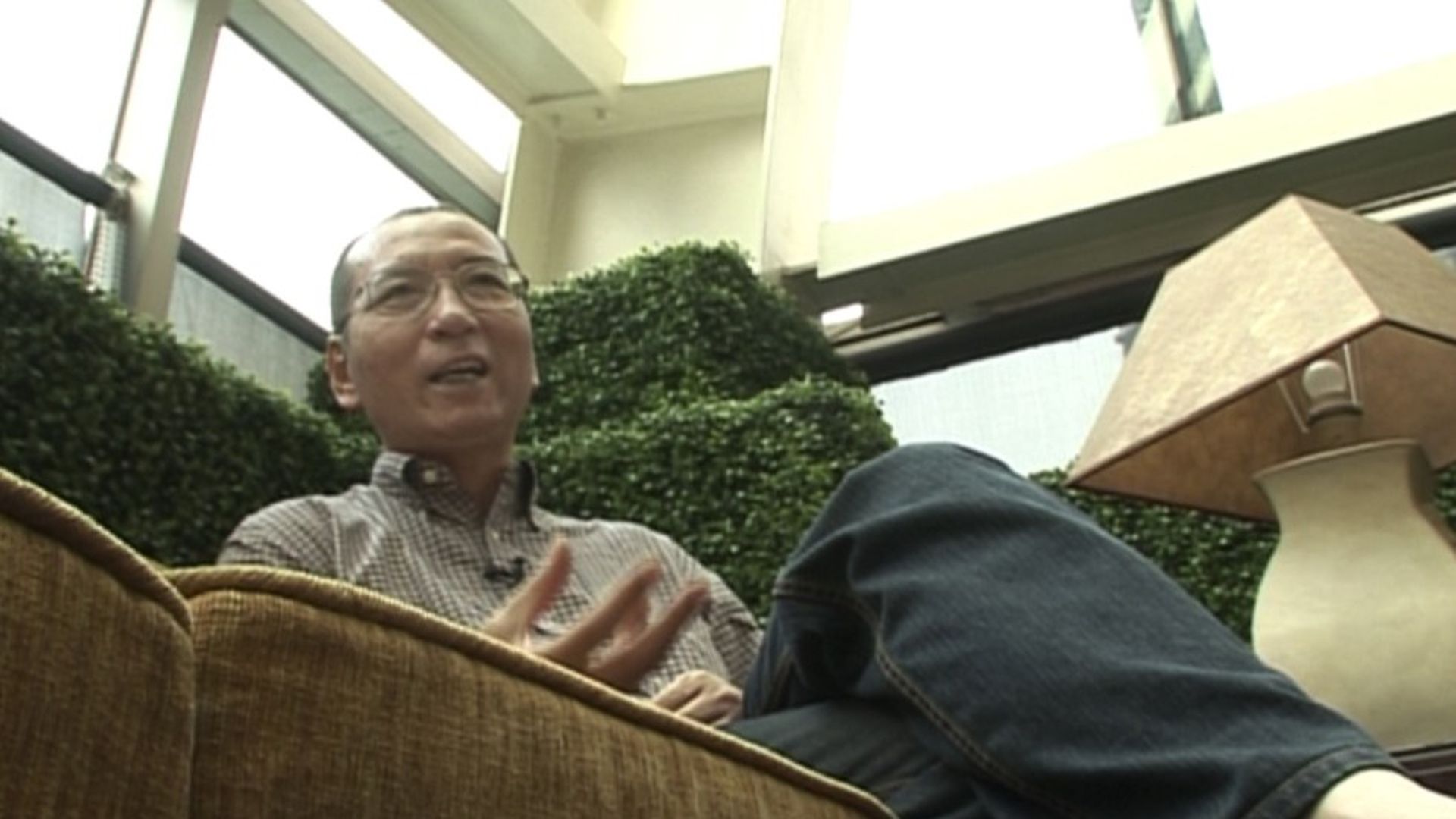
Liu Xiaobo, the Chinese human rights activist who won the 2010 Nobel Peace Prize while imprisoned, died today at age 61 while still behind bars due to terminal liver cancer, per the NYT.
- His accomplishments: Liu's activism for Chinese democracy stretched back to the 1989 Tiananmen Square protests, but his current prison sentence for "inciting subversion" stemmed from a 2008 charter he penned calling for democracy and an end to Chinese censorship.
- A statement from his trial: "An enemy mentality will poison the spirit of a nation and inflame brutal life and death struggles, destroy a society's tolerance and humanity, and hinder a country's advance toward freedom and democracy."
- His illness: Liu's cancer was announced by the Chinese government last year only after it became untreatable. He had ostensibly been granted medical parole due to his diagnosis, but remained under guard in a medical hospital until his death in the northeastern city of Shenyang.