The shock-and-awe firings of the new Trump administration's first month continue to unleash turmoil in Washington's cybersecurity workforce.
Why it matters: The Trump team's aggressive downsizing of federal cyber employees could encourage nation-state hackers who already target the U.S. and could leave American companies less protected from their attacks.
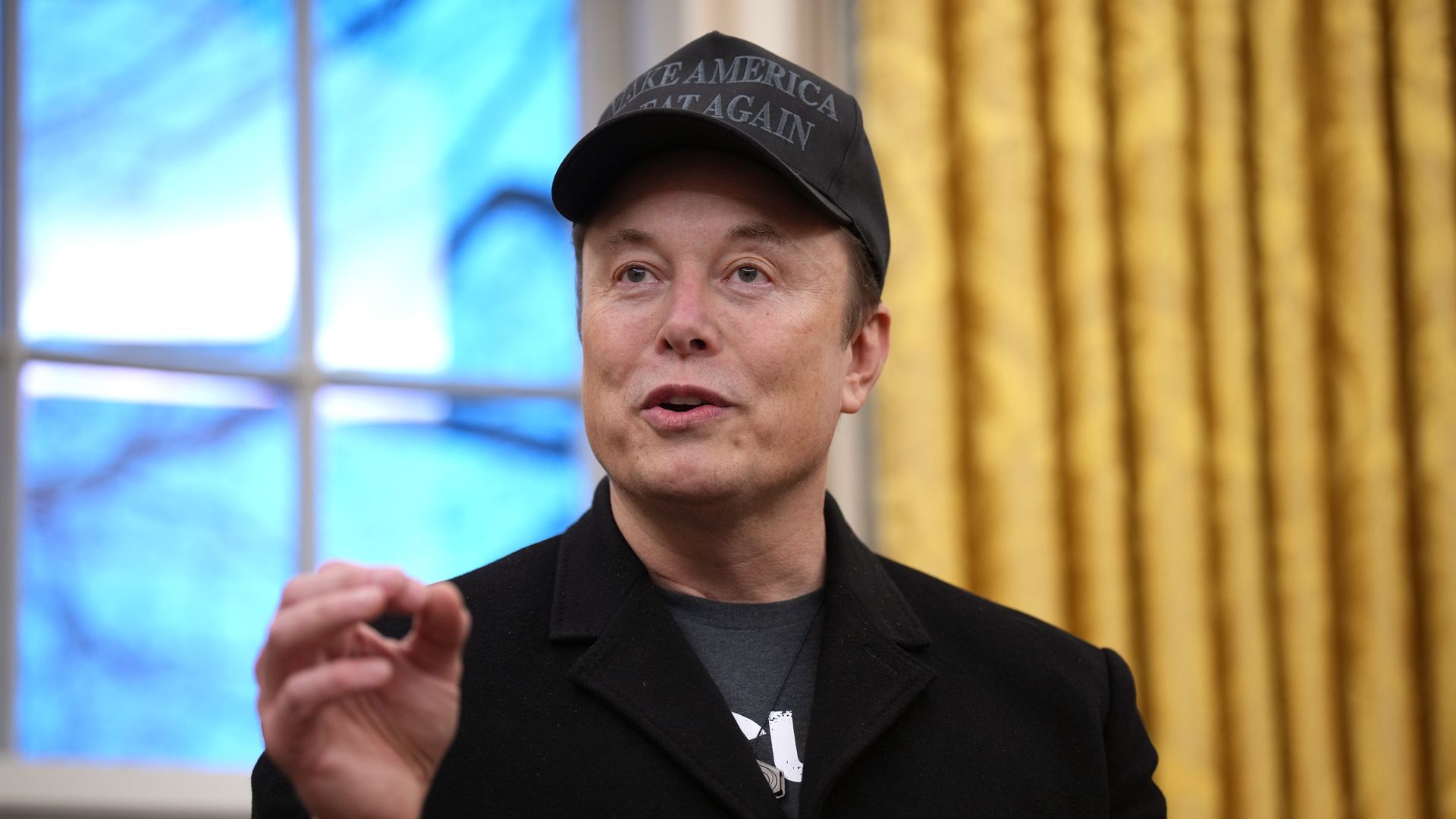
The Department of Justice (DOJ) indicated Thursday that it will drop a case accusing Elon Musk's company SpaceX of discriminating against asylees and refugees in its hiring process.
Why it matters: Musk's companies had faced a slew of potential legal and regulatory ramifications under the Biden administration,but Thursday's filing could make the SpaceX discrimination case one of the first to be formally dropped under President Trump.
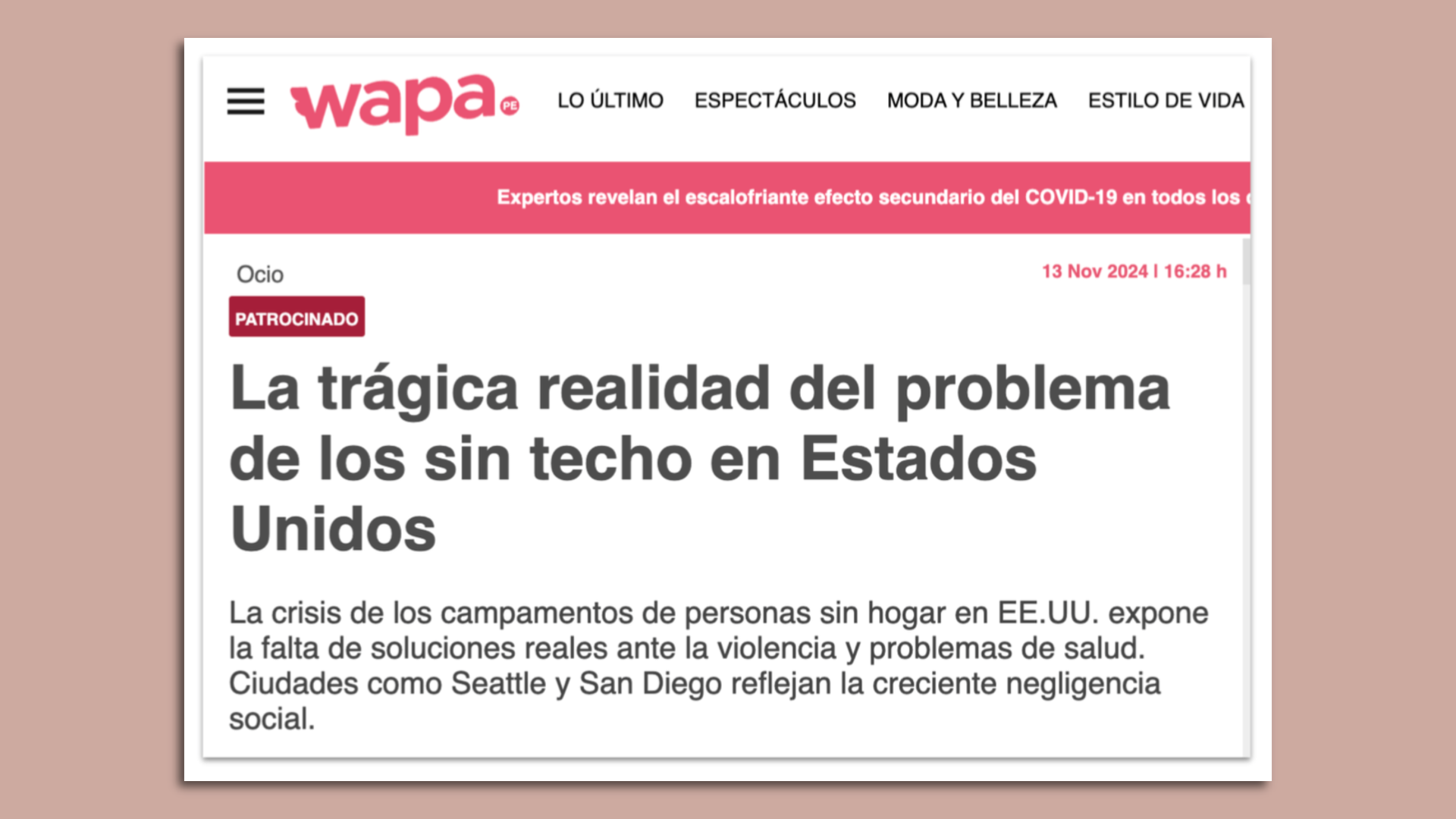
OpenAI spotted and disrupted two uses of its AI tools as part of broader Chinese influence campaigns, including one designed to spread Spanish-language anti-American disinformation, the company said.
Why it matters: AI's potential to supercharge disinformation and speed the work of nation state-backed cyberattacks is steadily moving from scary theory to complex reality.
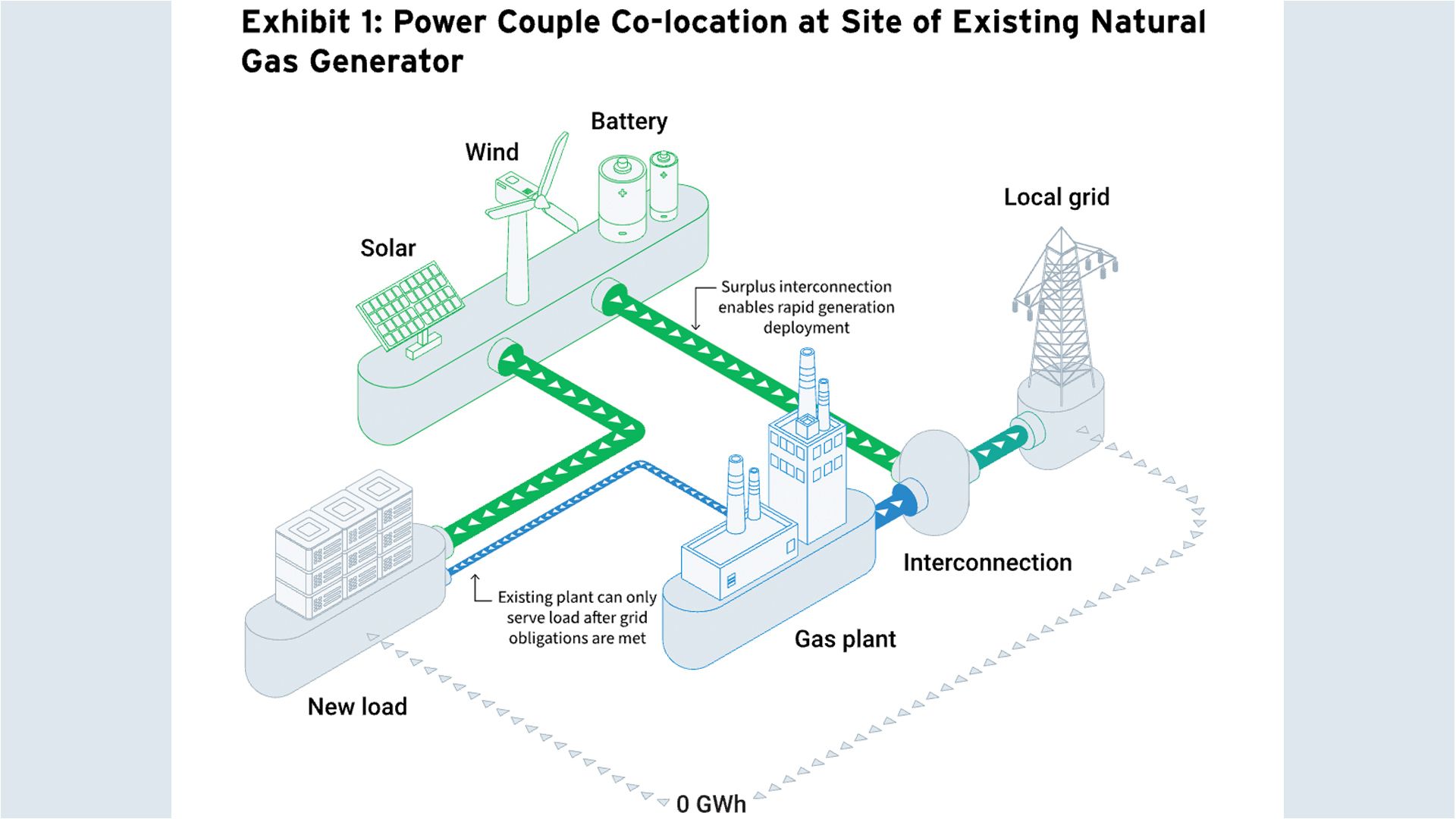
Is it possible to quickly, cleanly add power for AI data centers without spiking consumer costs and messing with grid reliability? Maybe "power couples" can do it.
The Open Source AI Foundation has launched a $10 million ad campaign aimed at convincing policymakers and others of open source AI's benefits, Axios has learned.
Why it matters: There is a spirited debate in both technology and policy circles as to whether open source AI makes the technology safer or less secure.






/2025/02/21/1740101218822.gif?w=3840)