DAVOS, Switzerland -- The world is hurtlingforward with developing AI tools and rolling out products and services. That's causing anxiety for some and excitement for others attending the World Economic Forum this week in Davos.
The big picture: The divide in optimism about AI echoes broader concerns about how innovations are implemented and the role of scientists in releasing new technologies.
The same Russian government hacking group behind one of the most prolific cyberattacks in recent history successfully breached Microsoft, the company said in a blog post Friday.
Why it matters: Microsoft says the hacking group was able to access "a very small percentage" of email accounts belonging to the company's senior leaders and members of its cybersecurity and legal teams.
The Cybersecurity and Infrastructure Security Agency confirmed Friday it's investigating potential hacks of some government agencies through recently discovered, high-severity flaws in some Ivanti products.
Why it matters: Nation-state hackers, including a group tied to the Chinese government, are believed to be targeting the flaws discovered last week in some of Ivanti's popular remote access tools.
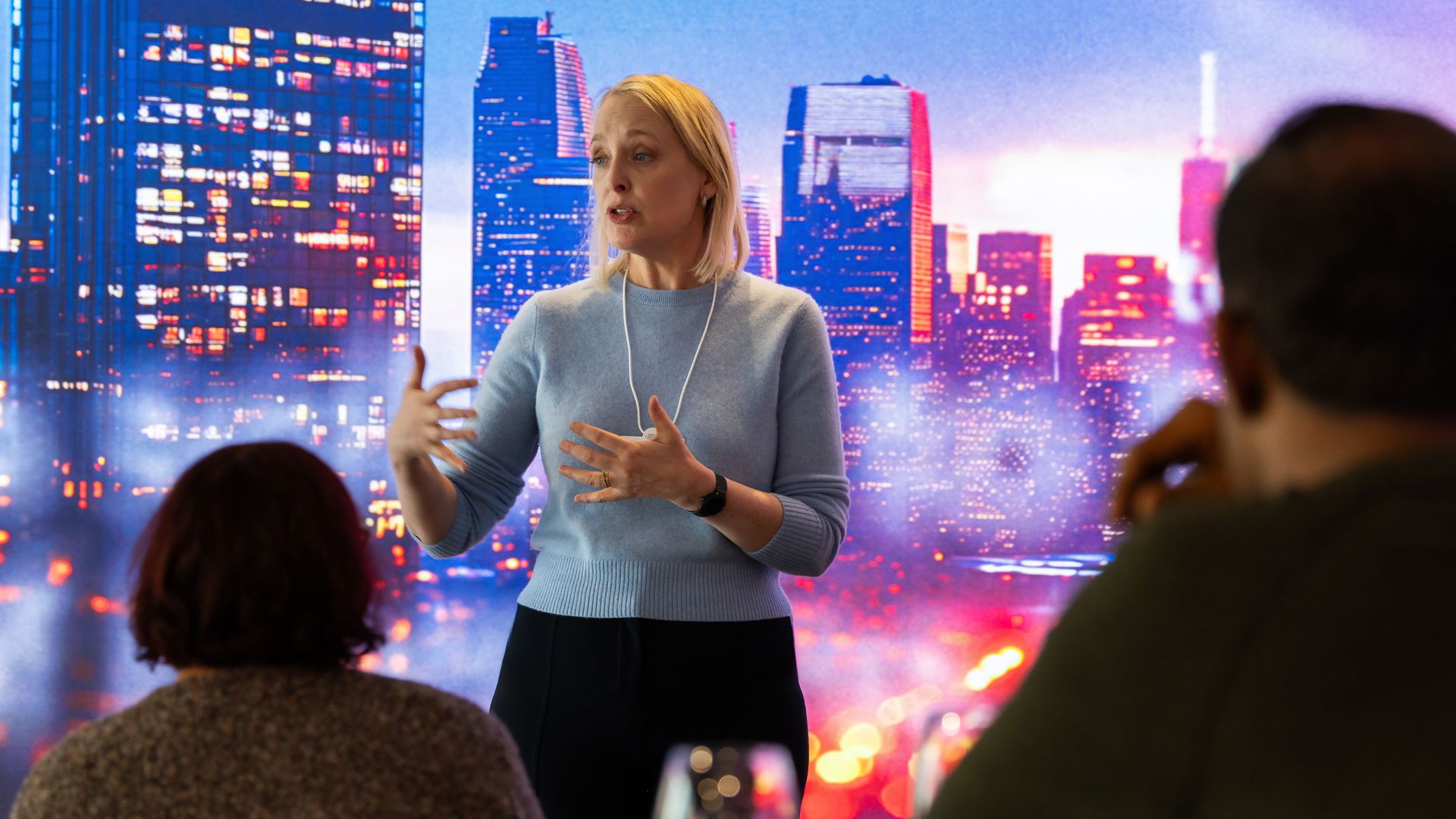
Artificial intelligence was once again the biggest topic at the World Economic Forum, but this year's conversation was much more focused on tangible action.
Why it matters: Boards are pressing their CEOs to have a strategy for incorporating AI throughout the business even as many executives are still grappling with where to start.
The Rivian R1T electric pickup earns high praise from automotive publications like Car & Driver for its incredible acceleration and impressive off-road chops.
But as with many electric vehicles (EVs), I discovered it takes some getting used to as a daily driver.