Following Ethereum's big Merge to a proof-of-stake security model, cybersecurity experts are watching to see if the switch will make one of the largest blockchains more secure — or less.
The big picture: Proof-of-stake is a relatively new way of processing cryptocurrency transactions that aims to use far less energy than the more dominant proof-of-work method.
Uber is currently responding to what could be one of the worst breaches in the company's history — all because of a few text messages.
Why it matters: The hacker who has claimed responsibility for the ongoing Uber breach is believed to have access to the company's source code, email and other internal systems — leaving employee, contractor and customer data at risk.
Celsius Network is charting its futurewhile mired in a bankruptcy proceeding that just got more interesting. Eager to resume business operations, the crypto lender is now asking the court for permission to sell its stash of stablecoins to fund operations, according to a filing submitted Thursday.
Why it matters: The company has yet to settle up with customers whose assets have been frozen on the platform since June. Yet it appears to be targeting a fresh crop of crypto newbies.
Elon Musk and Twitter are set to face off in court in October over whether Musk will be forced to go through with his offer to buy Twitter.
Why it matters: The richest man in the world, the most talked-about billionaire and the head of multiple companies shaping the future may soon also be the arbiter of free speech on the global public square.
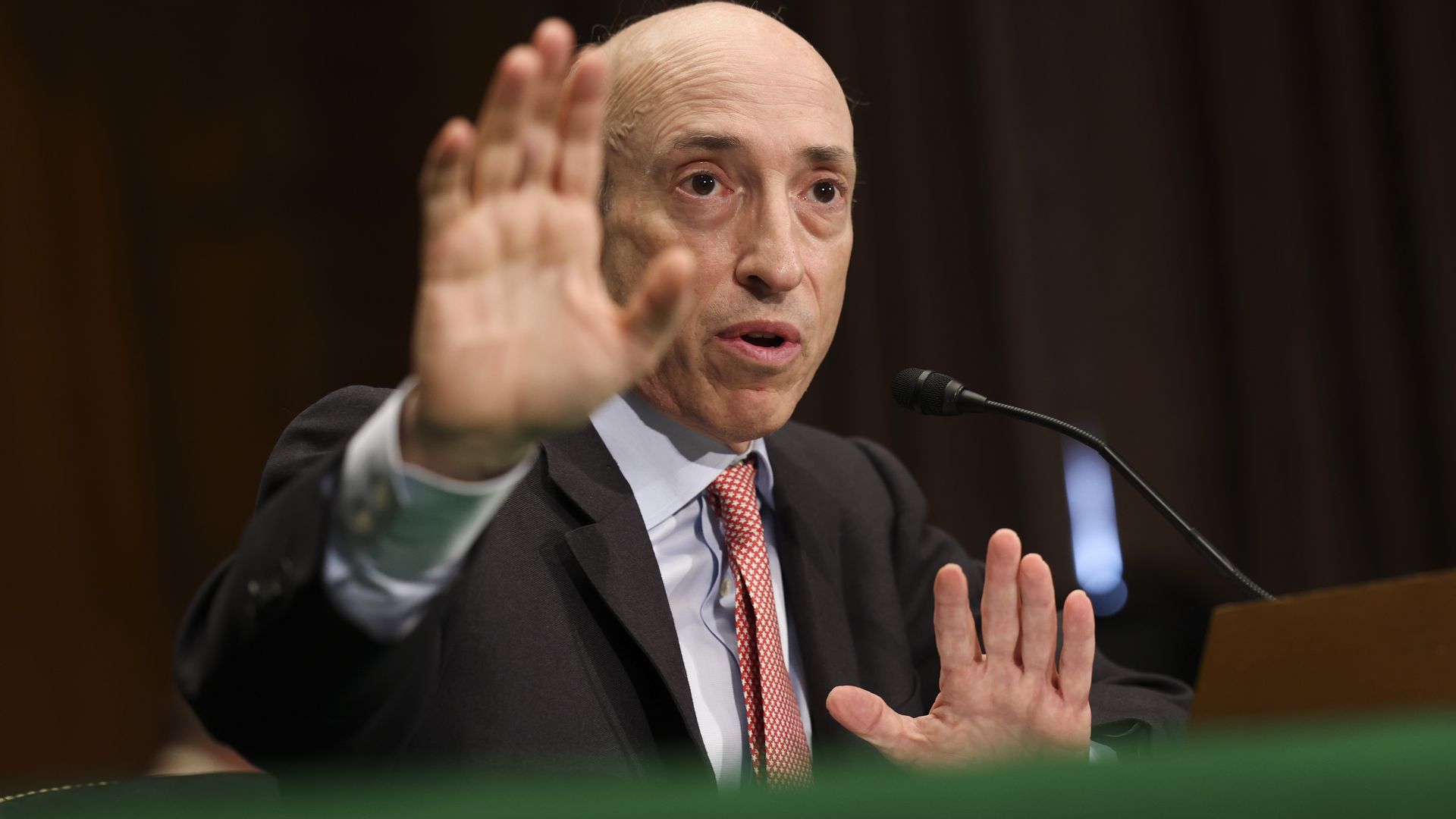
The position of the U.S. Securities and Exchange Commission (SEC) with regard to cryptocurrencies — that existing regulations and guidances are adequate to cover this asset class — appears to be losing ground in Washington.
Driving the news: The White House released a series of reports this morning describing its Comprehensive Framework for Responsible Development of Digital Assets. In comments to reporters, the administration seemed to indicate it disagreed.
California's new law aimed at improving online privacy and safety for children has the industry on edge and critics warning of disruptions to the internet — but advocates say most users won't see big changes.
Why it matters: The California law mirrors a U.K. standard that prompted some changes by Big Tech companies but did not drastically alter the online landscape.
The Biden administration will start accepting applications today from state governments for a sliver of a new $1 billion cybersecurity grant program.
The big picture: The four-year grant program aims to provide state and local governments with both starter funds and the momentum to craft ongoing cybersecurity strategies. It was created in last fall's $1.2 trillion infrastructure package.

/2022/09/15/1663283499651.gif?w=3840)