Ubisoft is going even bigger with a revamp and expansion to its Assassin’s Creed series that will include console, PC and mobile games, a return to multiplayer and an expanded partnership with Netflix.
Why it matters: Through Assassin’s Creed, the multinational game publisher is attempting a recovery in quality, productivity and reputation after several largely grim years.
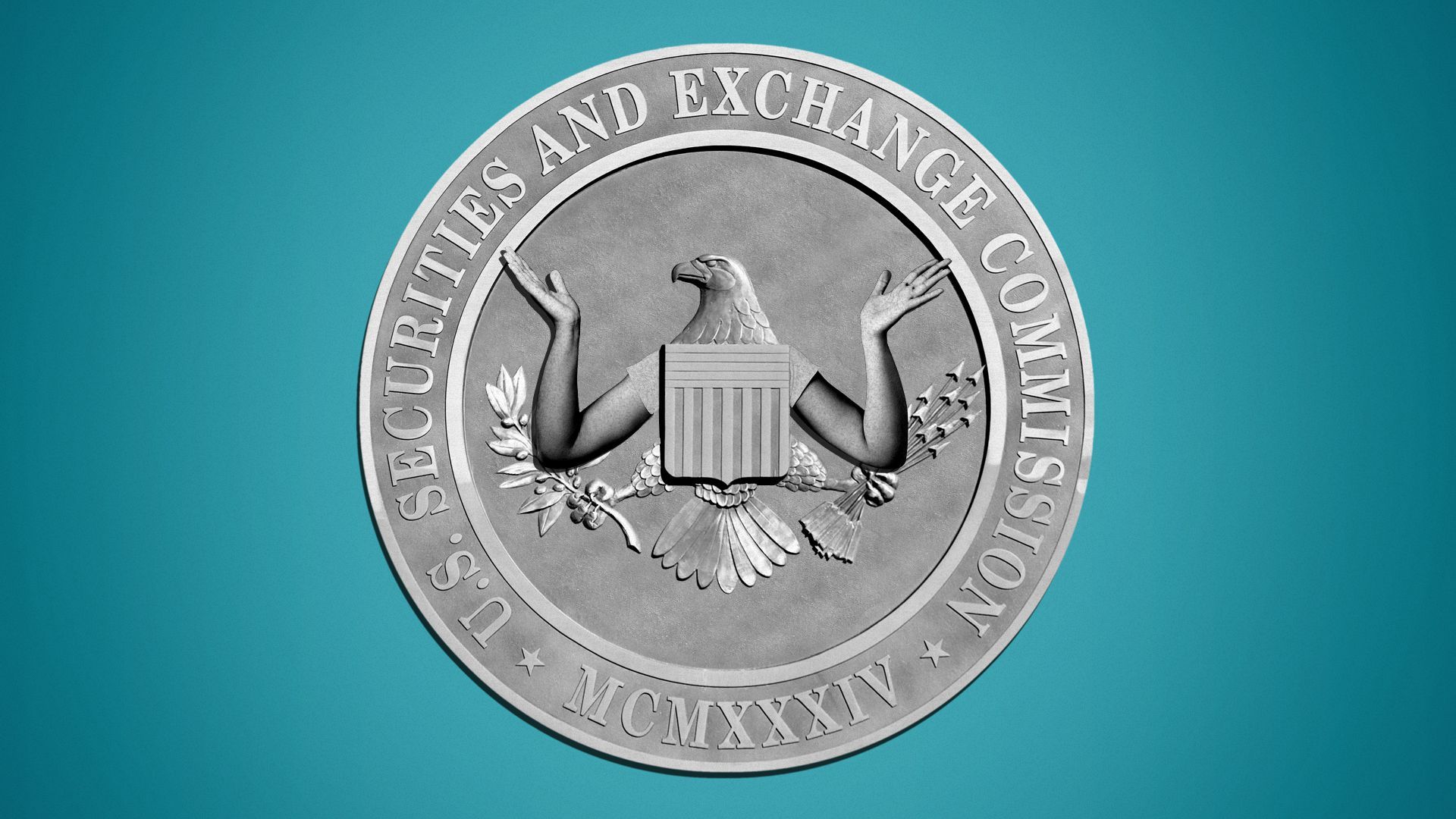
Securities and Exchange Commission Chairman Gary Gensler in a speech on Thursday said the same things he's always said, that most crypto are securities (so they should register) and should follow existing securities law (so they should really register).
Driving the news: While the industry has long called for more guidance on how to comply with the existing regulatory structure, Gensler said more guidance isn't coming. Enough has already been provided, he said, pointing to previous reports and punitive actions.
Nearly one week into a ransomware attack, the Los Angeles Unified School District is still working to bring its systems back up to full capacity.
Driving the news: LAUSD said Monday a ransomware attack targeted its IT systems over the weekend, but because it was detected early, only some unspecified business operations were affected. The district has held classes as scheduled, and employee health care and payroll services were not affected.
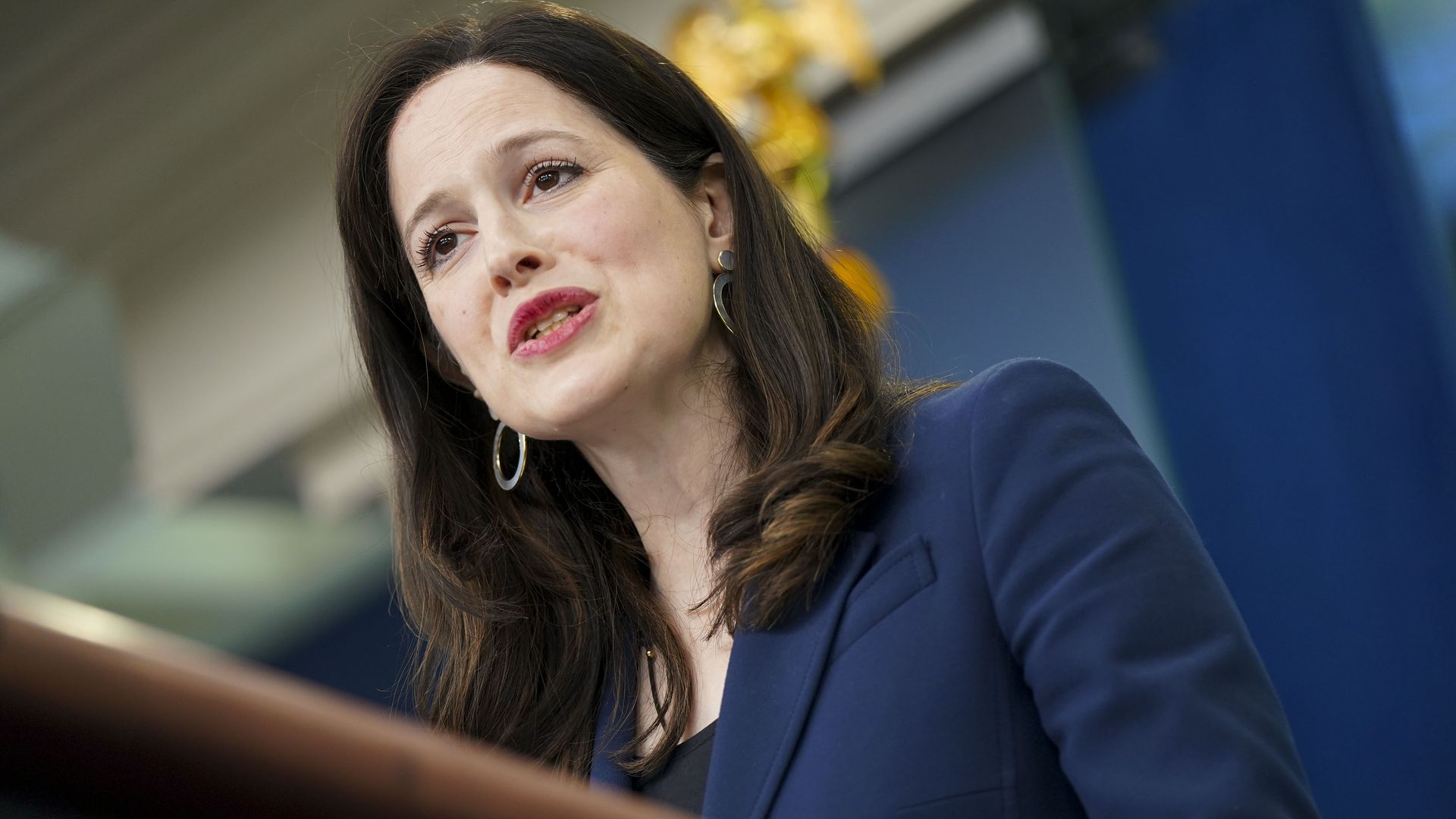
A senior White House official sees this week's attribution of cyberattacks against the Albanian government to Iran as a much-needed step to establish cyber diplomacy norms.
Driving the news: Earlier this week, the U.S. government and Microsoft attributed a series of destructive cyberattacks against the Albanian government to Iranian state-sponsored hackers.
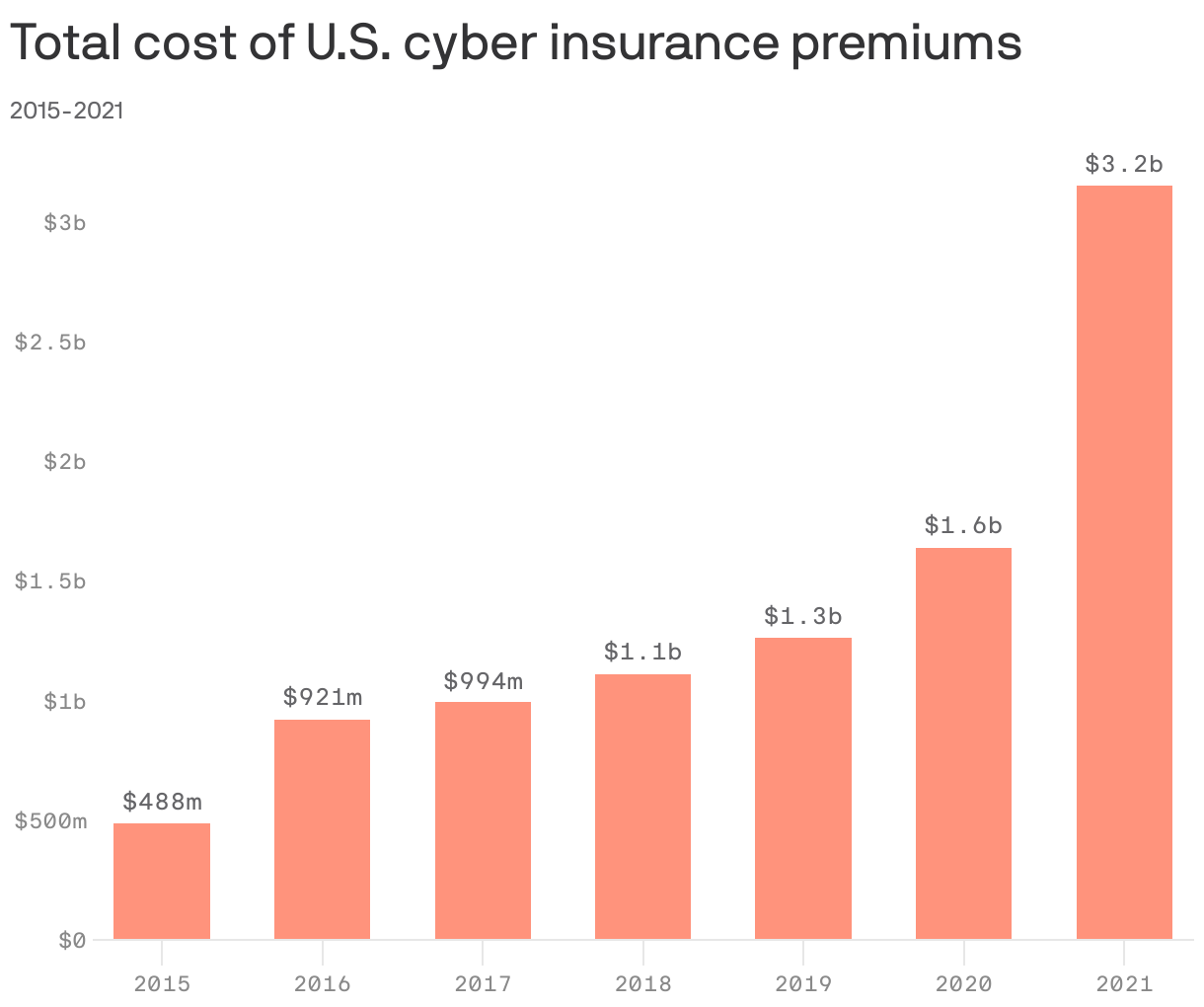
Despite rising cyber insurance premium costs and shifting coverage areas, companies are still seeking out and renewing their policies, experts tell Axios.
The big picture: Cyber insurance provides financial assistance following a cyberattack to help cover ransom payments or the costs to rebuild data storage systems. But as attacks have increased, so have premium prices.
The NFT market may have cooled significantly, but companies who turned a big profit in the boom times are ploughing those proceeds back into traditional and new media in order to put eyeballs back on their creations.
Why it matters: NFTs aren't just selling pictures to people who like pictures. Owners place huge expectations on creators to keep driving attention to the collection, because that's what makes the value of their digital items appreciate.
BayPine, a Boston-based midmarket buyout firm led by David Roux (ex-Silver Lake) and Anjan Mukherjee (ex-Blackstone), raised $2.2 billion for its debut fund. It also secured $800 million in co-investment commitments.
Why it matters: This is a pair of tech vets aiming at the wide swath of non-tech companies that have yet to fully embrace digitization.
After Big Tech platforms cracked down on political ads in the 2020 election's wake, political advertisers have increasingly flocked to the new Wild West of programmatic ad companies, per a report exclusively shared with Axios.
Why it matters: Programmatic ad companies, which automate the buying and selling of ads on various platforms, have minimal transparency tools and few specific content restrictions.
After a "listening session" that gathered experts and critics of tech platforms' power at the White House Thursday, the Biden administration released a list of six "Principles for Enhancing Competition and Tech Platform Accountability."
Why it matters: With efforts to pass tougher rules governing tech competition and privacy largely stymied this year in Congress, the executive branch is where critics of tech power are pinning their hopes.
TikTok has managed to get everyone in tech on the same page, wherever they stand on regulation, antitrust and all the other controversies raging in the industry.
Driving the news: While TikTok had no official presence at the Code Conference, the Chinese-owned firm was the talk of the annual gathering of tech world notables this week — serving as the foil of choice for a parade of tech executives, pundits and even some government officials.
Google pays "billions" to other companies to keep Google Search as the default option on phones, in browsers and elsewhere, maintaining an illegal dominance over the search market, the Justice Department said Thursday in court.
Driving the news: Lawyers for Google along with the Justice Department spoke before federal judge Amit Mehta Thursday in a hearing where both sides laid out relevant facts in the DOJ's 2020 antitrust suit against the search giant.
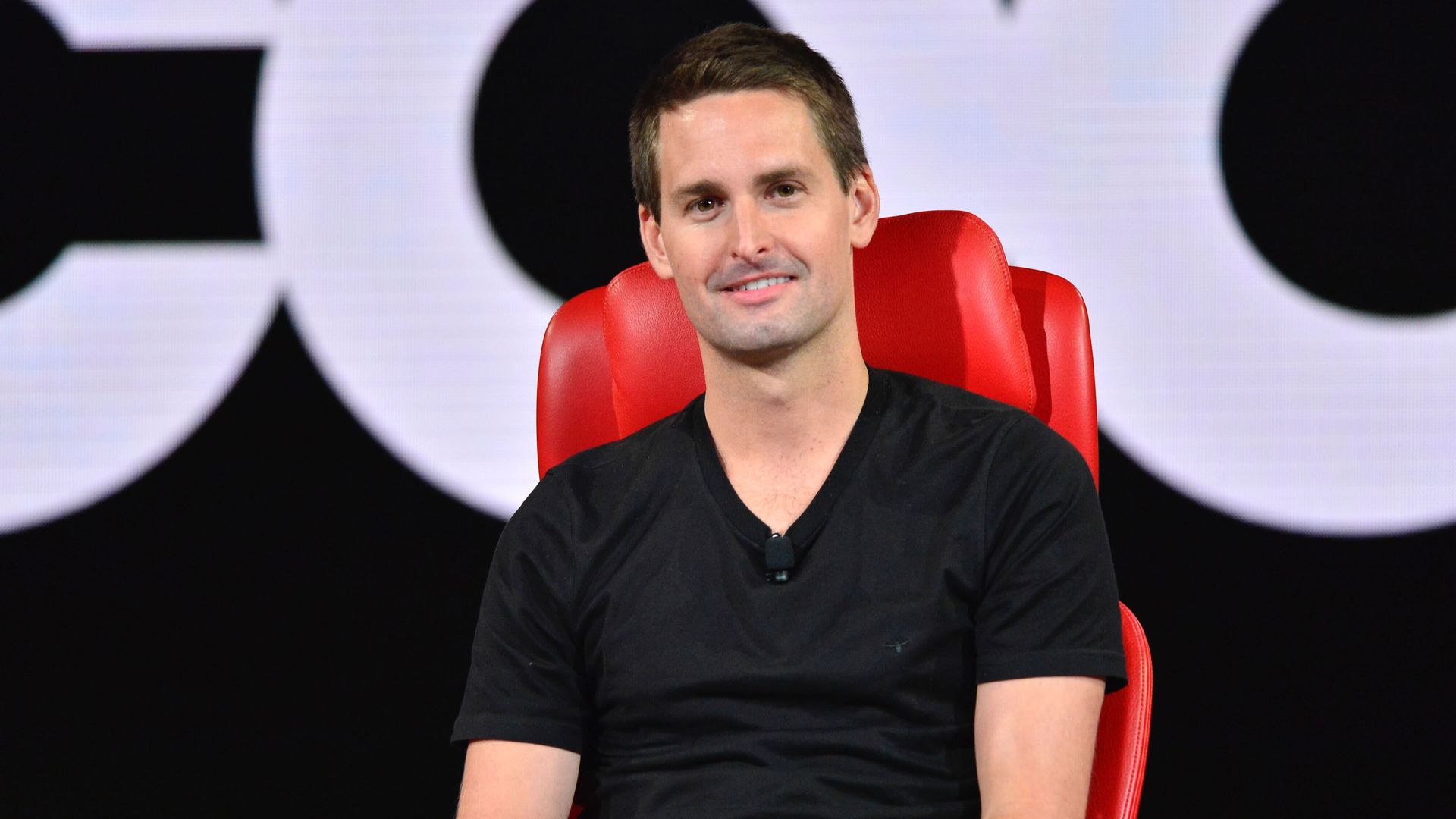
Facing serious headwinds, Snap CEO Evan Spiegel said Wednesday the company plans to double down on its focus on close visual communications between friends and family, rather than turn its entire business into a TikTok-like feed.
Why it matters: Meta has faced intense user blowback for trying to pivot Instagram to be more like TikTok. Spiegel argues that for Snap to remain competitive, it needs to focus on what makes it different.