Technology that police departments use to detect gunshots is under fire over accusations that it confuses gunshots with other noises, like slamming doors — claims the technology's manufacturer strongly disputes.
Why it matters: When these devices falsely identify a gunshot, critics argue, police officers can end up rushing to a perfectly peaceful area on unnecessarily high alert, creating a risk of violent interactions out of thin air.
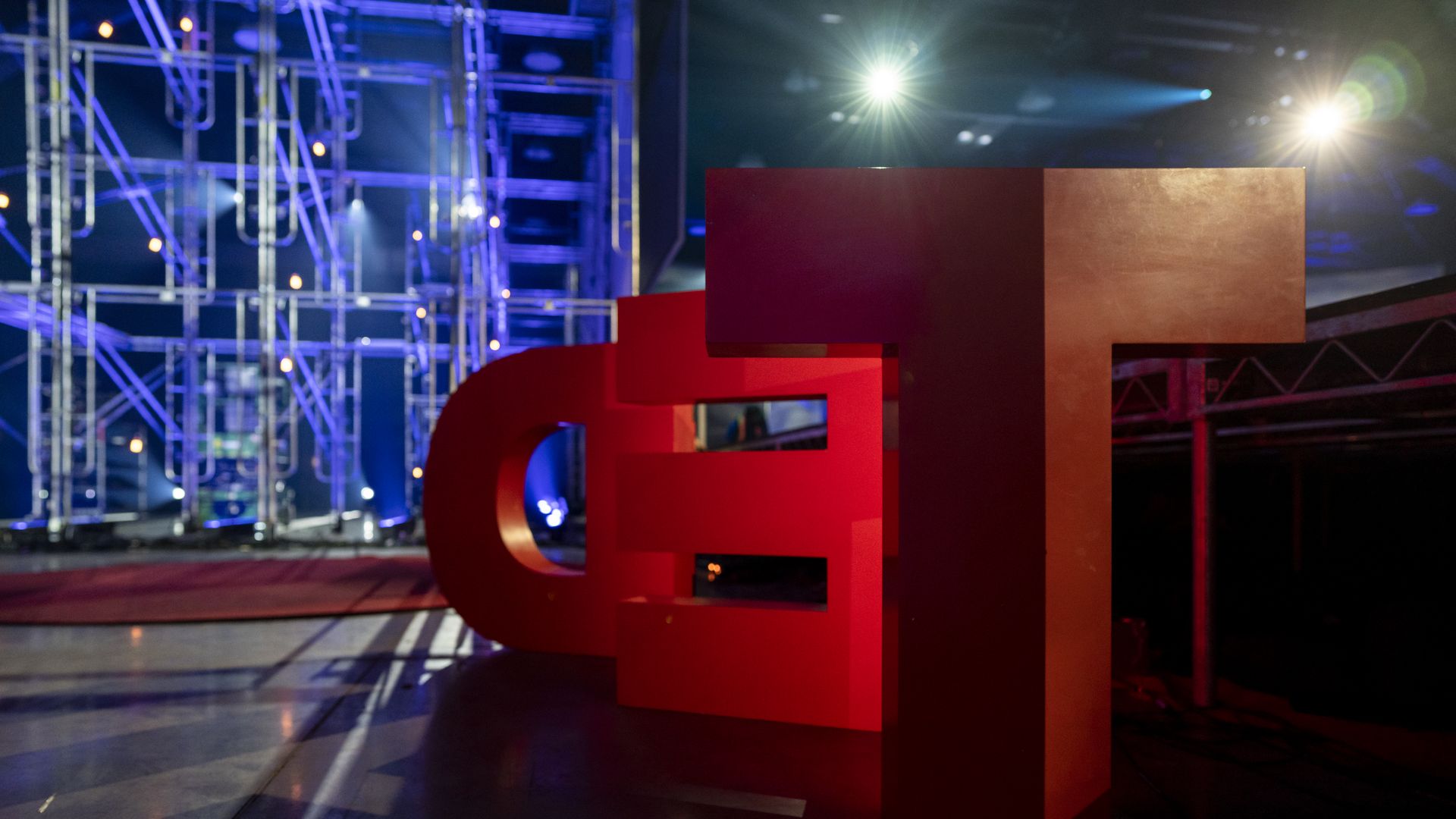
The TED conference is returning to Vancouver, Canada, for the first time in two years, with Bill Gates, Elon Musk and Al Gore among those delivering talks.
Between the lines: The high-power event was canceled in 2020 and 2021 due to COVID-19 and makes its return against the backdrop of both the continued pandemic and Russia's invasion of Ukraine.
The internet oligarchs, referred to now as Web2, are playing catch-up with cryptocurrencies — tentatively tiptoeing into the kiddie pool with waders on — floaties, too.
Why it matters: These companies have huge networks and if one of them finds a way for crypto to complement their business, they could switch on millions of new users with the stroke of a digital pen.
Aclarity, a Hadley, Mass.-based solution for eliminating PFAS (aka forever chemicals) from drinking water and wastewater, raised $3.3 million in seed funding.
Why it matters: PFAS have been tied to numerous forms of cancer, which is why the federal government has devoted increased spend and attention on cleanup. Right now that means filtering the chemicals and then disposing of them elsewhere, like in landfills or deep-injection wells, but Aclarity claims its tech can actually destroy PFAS.
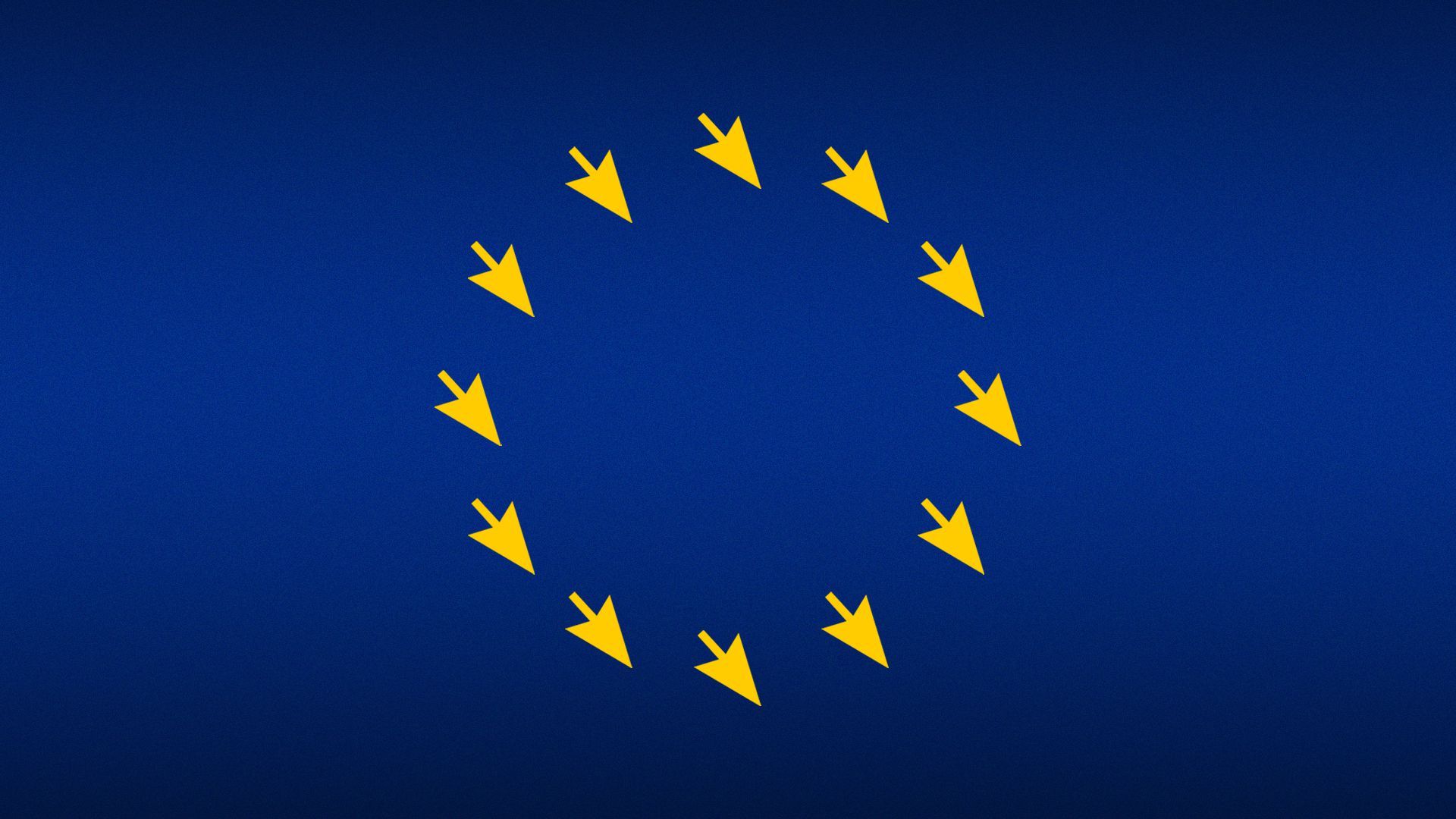
EU executive vice president Margrethe Vestager defended the Digital Markets Act on Thursday, saying it's up to tech companies to figure out how to live with it.
Why it matters: Critics of the legislation have said it could break encryption for messaging, it makes products less useful for users, and it provides little clarity on how companies can avoid massive fines.
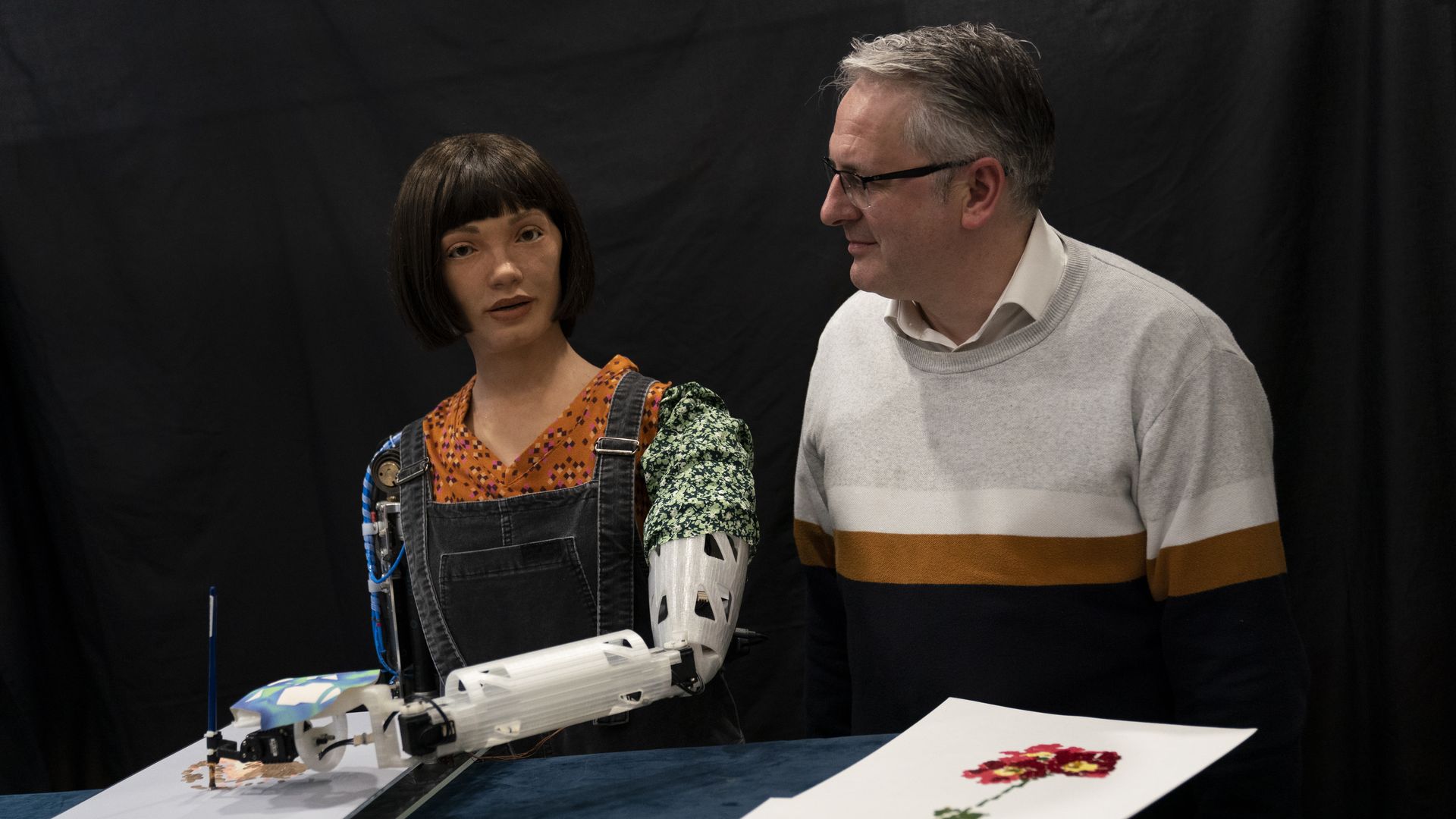
A British gallery owner has created a robot artist with a female persona — "Ai-Da" — whose purpose is to challenge our views of what constitutes art.
Why it matters: The robot, named for computer pioneer Ada Lovelace, "draws and paints using cameras in her eyes, AI algorithms and her robotic arm," according to a web page of her work.
Both she and her creations are meant to raise questions about the meaning of art, creativity and imagination in an age when intelligent machines increasingly interact with humans.
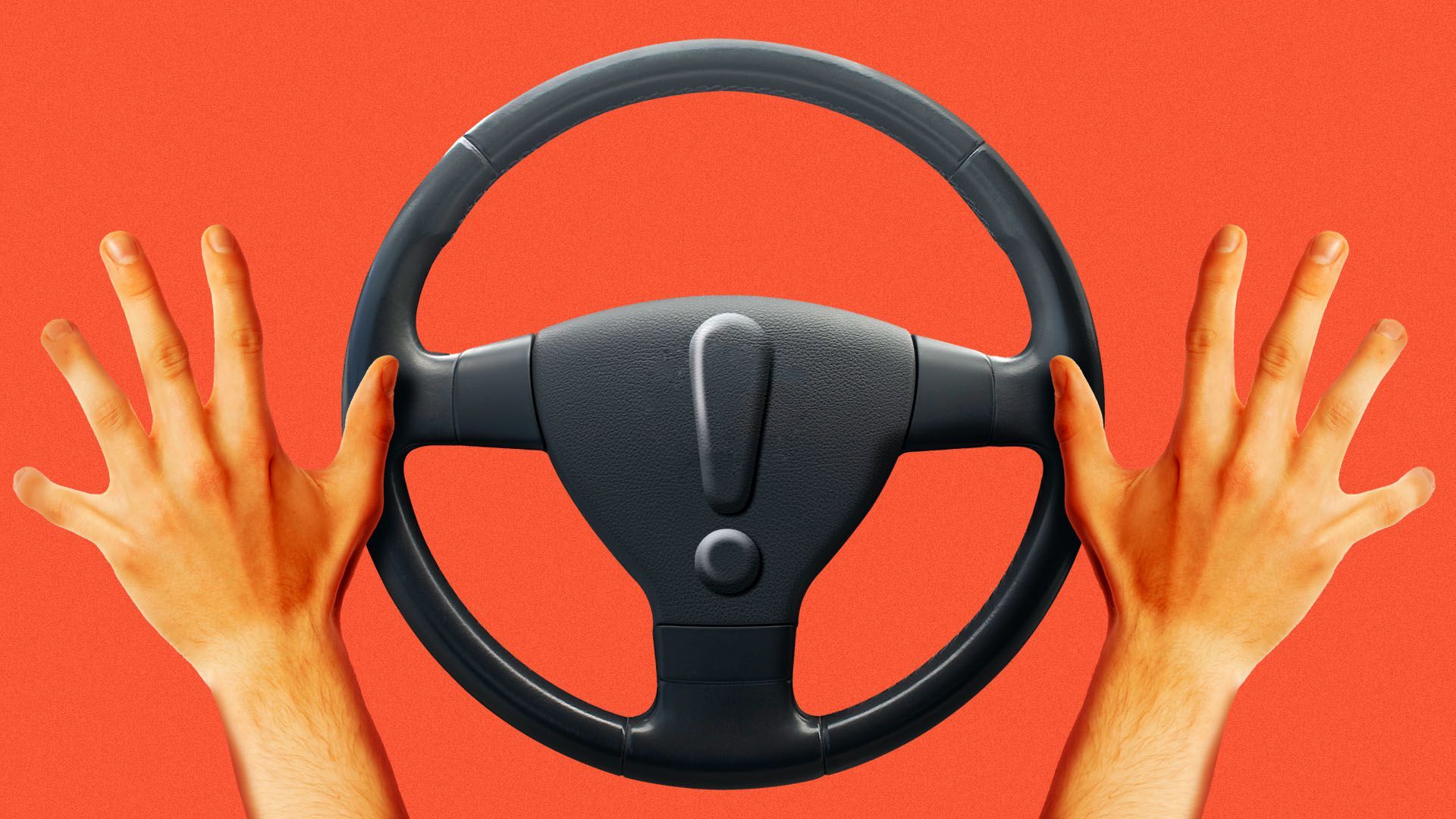
Automated driving features are supposed to make cars safer. But in the hands of drivers who put too much trust in those systems, or simply don't know how to use them, they could make the roads more dangerous instead.
Why it matters: Many new cars are equipped with automated driver-assistance features that people don't understand, or even worse, think they understand and then misuse with potentially dangerous consequences.






/2022/04/08/1649426293686.gif?w=3840)