The recent release of a new Angry Birds mobile game is part of an effort to bring back a classic series in some very modern ways.
Driving the news: Rovio, the company behind 2009 sensation Angry Birds (yes, it was that long ago), just released its newest slingshot game, Angry Birds Journey, last week.
Kin Insurance, a homeowners insurance startup, is in talks to raise around $75 million to $100 million after it pulled the plug on a deal to go public via SPAC merger, according to three sources with knowledge of the matter.
Why it matters: This is likely to be a good outcome for Kin. With the current disconnect between the private and public markets, some companies are choosing to spurn the volatile public realm for venture capital and private equity investors willing to offer better terms.
A year ago, Facebook brought in Roy L. Austin Jr. to lead a new team focused on civil rights. Since then, he has assembled a squad of experts advising parent company Meta on everything from voting rights to hate speech to ensuring new products don't have discriminatory impact.
Austin's team of nine must tackle those tough issues inside a company of nearly 70,000 employees serving more than 3 billion users around the world.
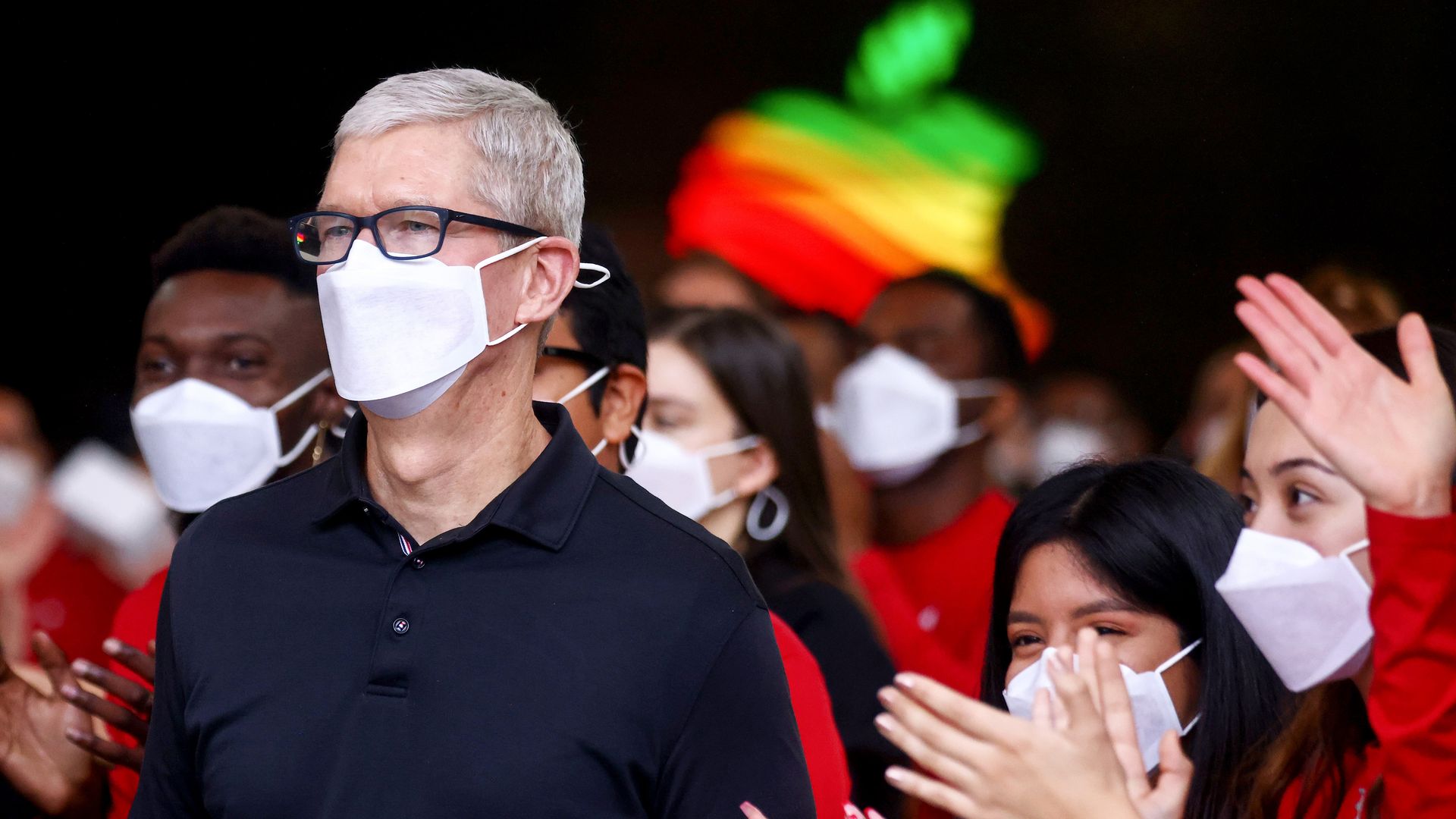
Buoyed by strong sales of the iPhone 13, Apple on Thursday reported record quarterly revenue and earnings that were well ahead of Wall Street expectations.
Why it matters: Apple is seen as a bellwether for the broader tech economy. Given Apple's size, a good quarter for it often means good quarters for lots of other companies who supply its needed components.
Sony showed new footage of its next big game, Horizon Forbidden West, running on a PlayStation 4 Pro Thursday — its first demonstration of the action-adventure on something weaker than a PlayStation 5.
Why it matters: Marketers tend to show games running in the best possible conditions, often avoiding showing how they'll perform on inferior systems. That's changing, at least a little.
Tesla CEO Elon Musk said on an earnings call Wednesday that the company will prioritize the development of a robot meant to perform tasks that now can only be carried out by humans.
Why it matters: Musk said he believes the robot "has the potential to be more significant than the vehicle business over time" and could revolutionize the economy by making labor constraints irrelevant.
The Federal Communications Commission on Thursday voted to revoke the ability of China Unicom Americas to offer telecom service in the U.S., the agency's latest crackdown on Chinese communication companies.
Why it matters: The agency has reviewed several carriers' ties to the Chinese government and found they lead to unacceptable national security risks.
Crooked Casanovas used online dating scams to steal an estimated $500 million from lonely victims last year, according to a new analysis of government fraud data by Atlas VPN, an internet security provider.
Why it matters: The isolation of the lingering pandemic provided cover to fraudulent suitors who had an excuse for not meeting up in person even as they fleeced their would-be lovers out of gift cards, money — even cryptocurrency.
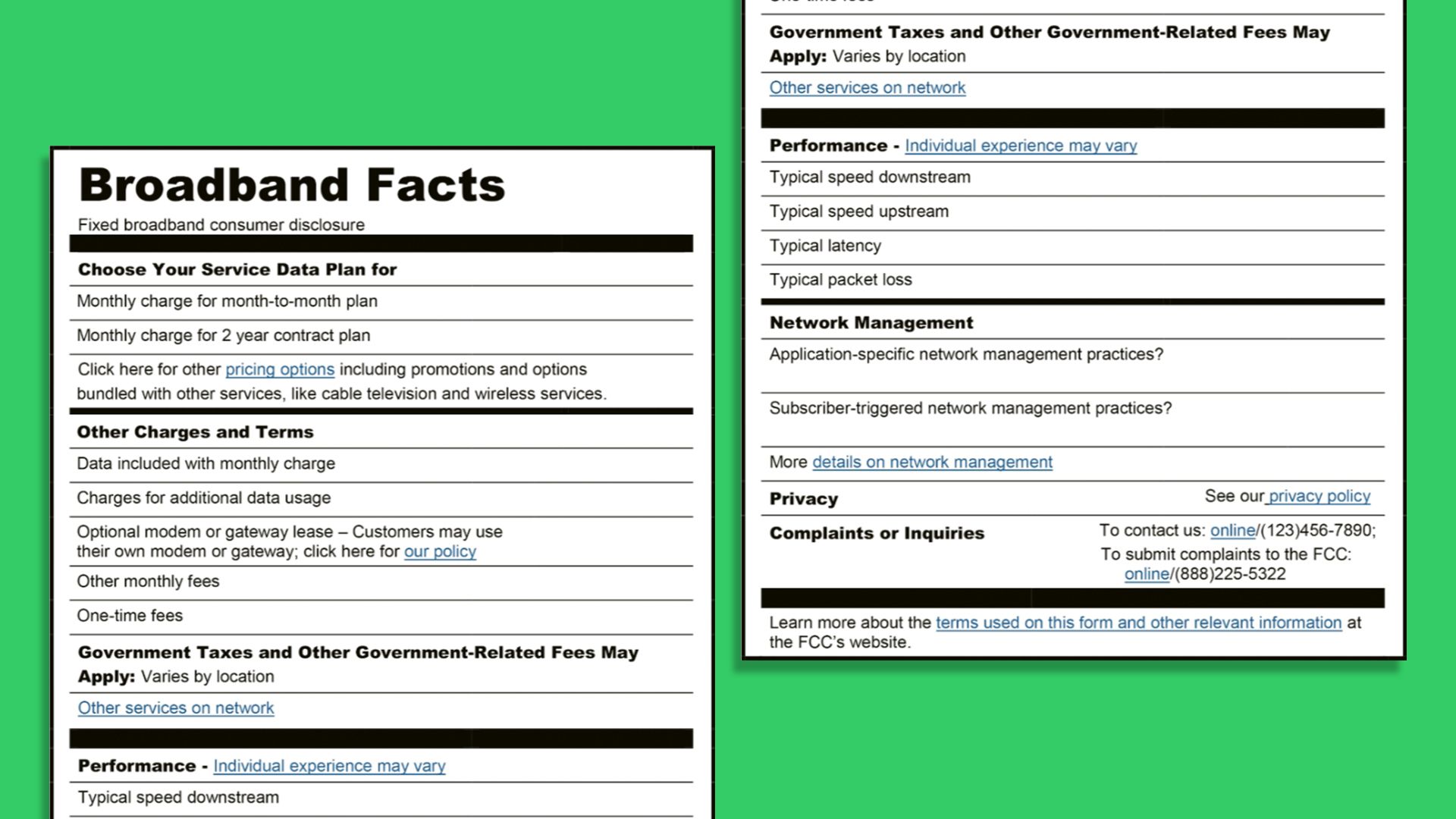
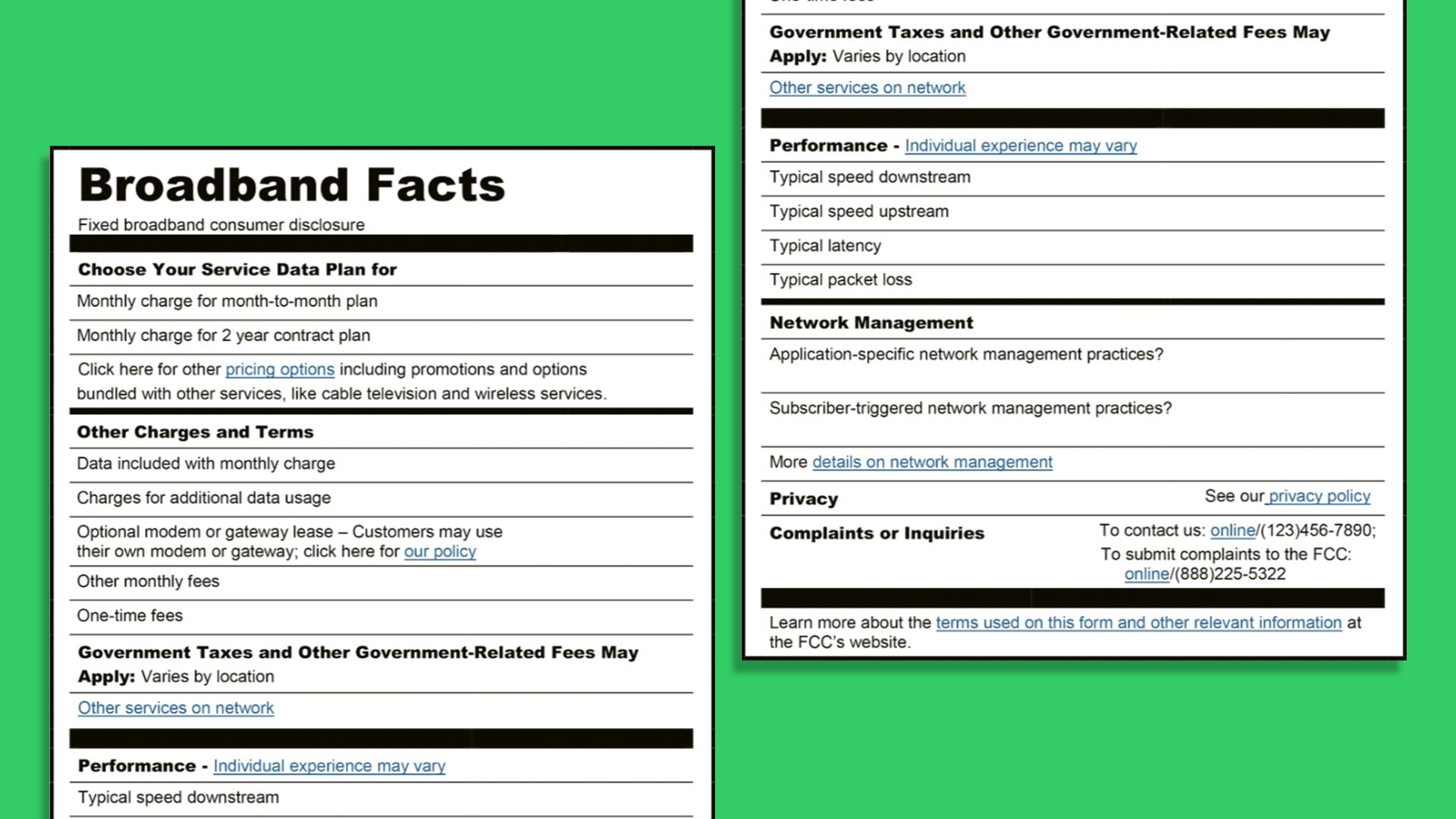
The Federal Communications Commission voted unanimously Thursday to approve a proposal that would require internet service providers to share details about their plans in easy-to-read nutrition labels, similar to those on food.
Why it matters: The FCC action, required by law and included in President Biden's executive order on competition, is meant to address consumer complaints about surprise pricing and fees, and make it easier to comparison shop for an internet provider.
The CEO of ID.me apologized Wednesday for mischaracterizing the facial recognition system the company uses to verify people's identity.
Why it matters: Civil liberties groups were already displeased that the IRS was using the private company's system, which many states have adopted as a means to fight unemployment assistance fraud.
Businesses like farmers, contractors and delivery companies — not individual consumers — will lead America into the electric vehicle era, judging from how demand is currently shaping up.
Why it matters: While consumers are waiting on the sidelines to see if the charging infrastructure improves and prices come down, commercial businesses see EVs as a way to boost their productivity and improve operations.
When Olympic athletes from all over the world land in Beijing for the 2022 Olympic Games, they'll be loaded up with burner phones and will likely leave their own devices behind.
Why it matters: Athletes are headed to the Beijing Olympics with mixed guidance from their home countries about whether their personal information will be safe online and their devices will be secure.
The FCC will vote Thursday on a proposal to make companies cough up the details of their internet speeds and prices in easy-to-read "broadband nutrition labels."
Why it matters: The communications regulator is newly flexing its muscles over cable and telecom companies in an attempt to make it easier for consumers to comparison shop for high-speed internet.