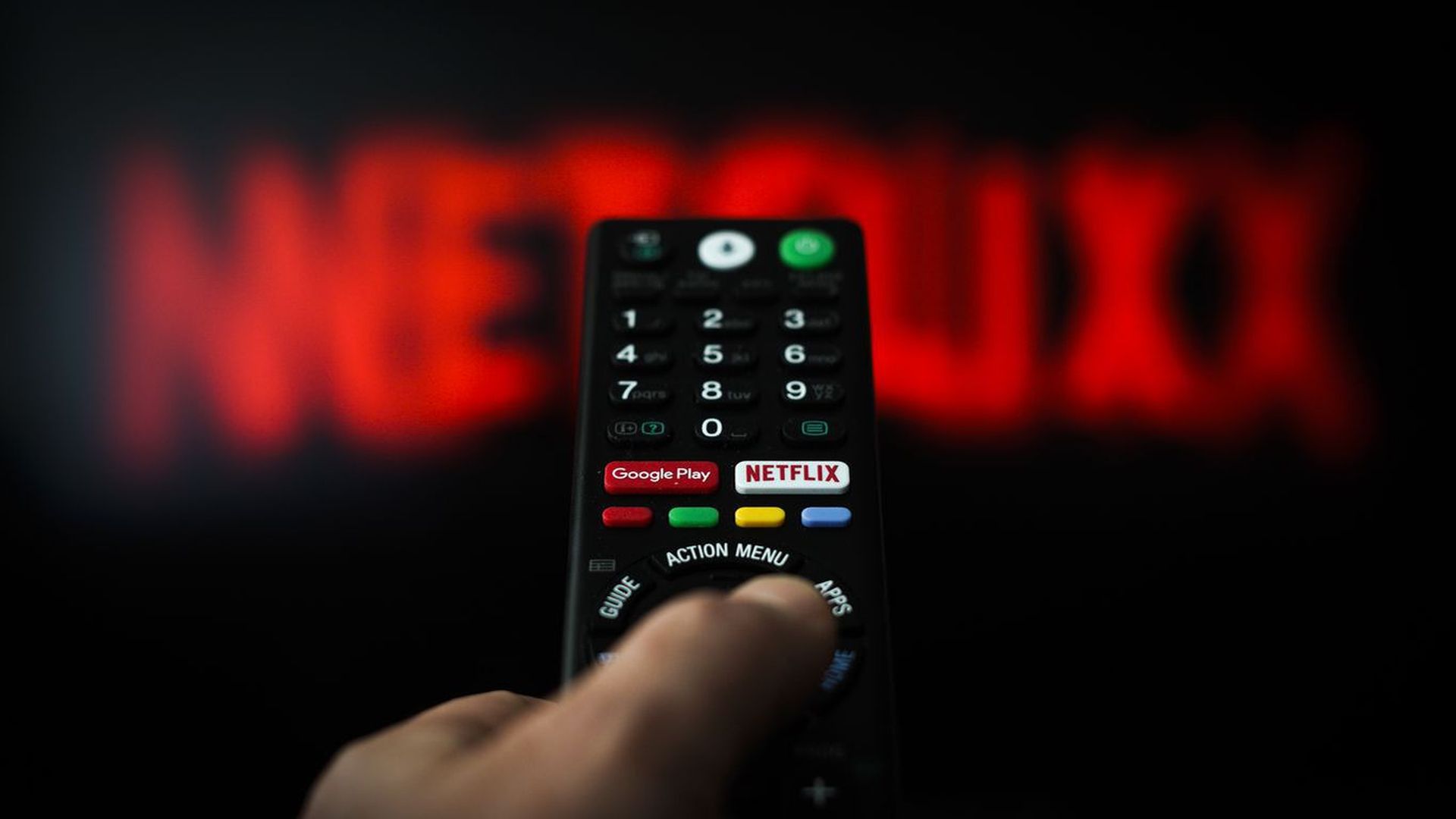
Netflix's stock was down slightly in after-hours trading on Tuesday after it missed investor expectations for domestic user growth, a sign that increased competition from Disney and Apple may be impacting its growth in North America.
Yes, but: The company still posted strong overall subscriber growth, beating analyst estimates by over 1 million subscribers internationally. It also surpassed expectations for revenue and earnings per share, an impressive feat for a company that is facing massive debt.
Snapchat CEO Evan Spiegel says his company has managed to avoid heavy criticism over speech issues by clearly dividing private, largely unregulated communications from heavily moderated public broadcasts.
Why it matters: Facebook, Twitter and YouTube have all struggled in recent years over where to draw the line on permitted speech.
It's not just Google — Amazon, IBM and Microsoft have also struck deals with hospitals across the country to gain access to patient data, the Wall Street Journal reports.
Why it matters: It reveals just how expansive the relationship between tech companies and hospitals has become — and lawmakers have taken notice.
Huawei chief Ren Zhengfei said Tuesday that his company is prepared for any further U.S. "attacks," but he believes the world can avoid splitting into two separate technology systems.
Why it matters: The U.S. and China are locked in a fierce battle, with trade restrictions already limiting Huawei's ability to sell phones around the world.
Uber has agreed to sell its food delivery business in India to rival Zomato in an all-stock deal that gives Uber a 9.99% stake in the combined business.
Why it matters: Uber is under growing pressure from investors to figure out a path to profitability and cut loose anything that won't help it reach that goal.
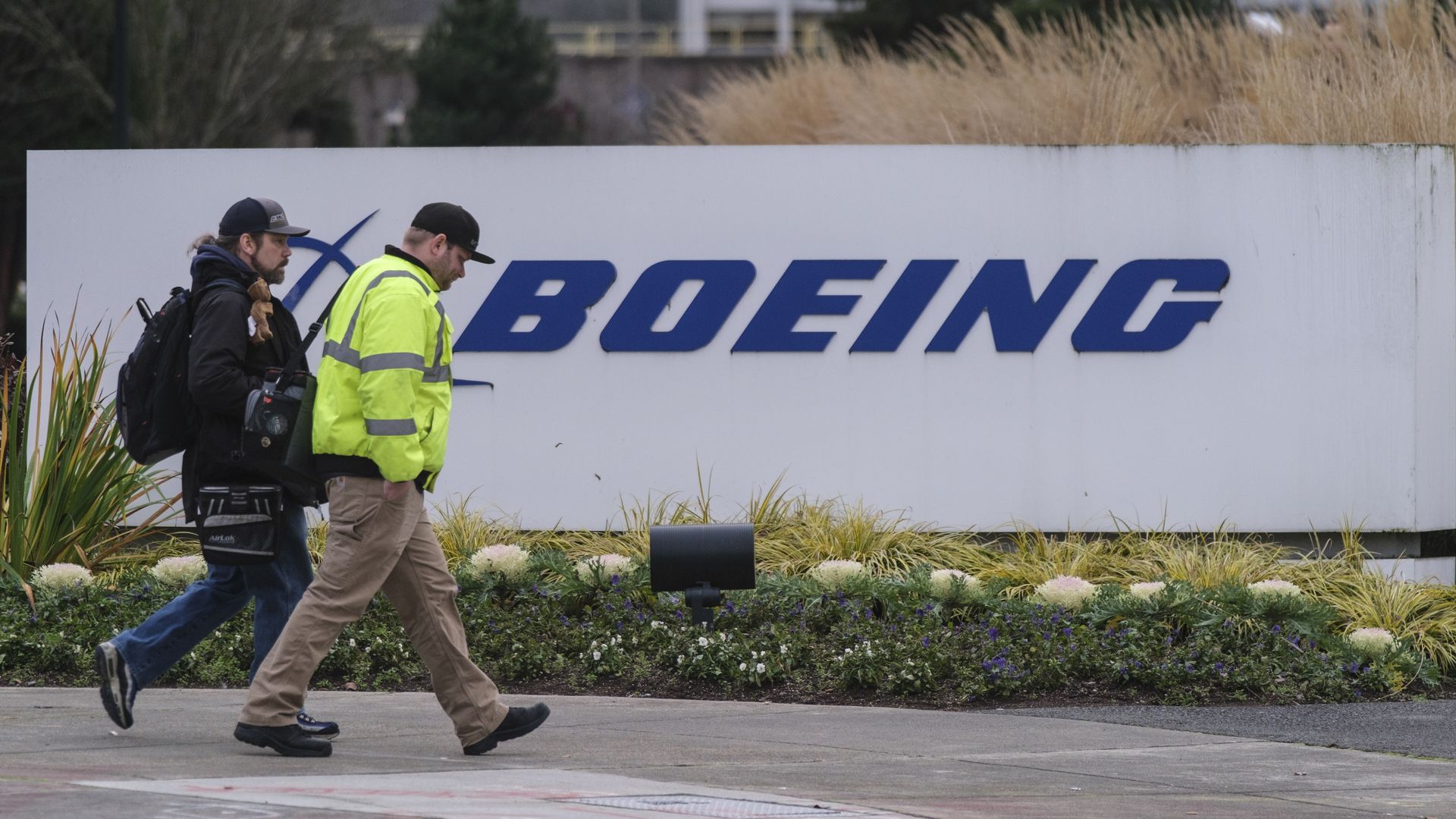
Boeing is in talks to borrow $10 billion or more, as the company copes with rising compensation claims from two fatal 737 Max crashes in the last two years, CNBC reports.
Why it matters: Analysts believe Boeing's expenditures could amount to more than $15 billion in the first half of 2020, according to the Wall Street Journal.
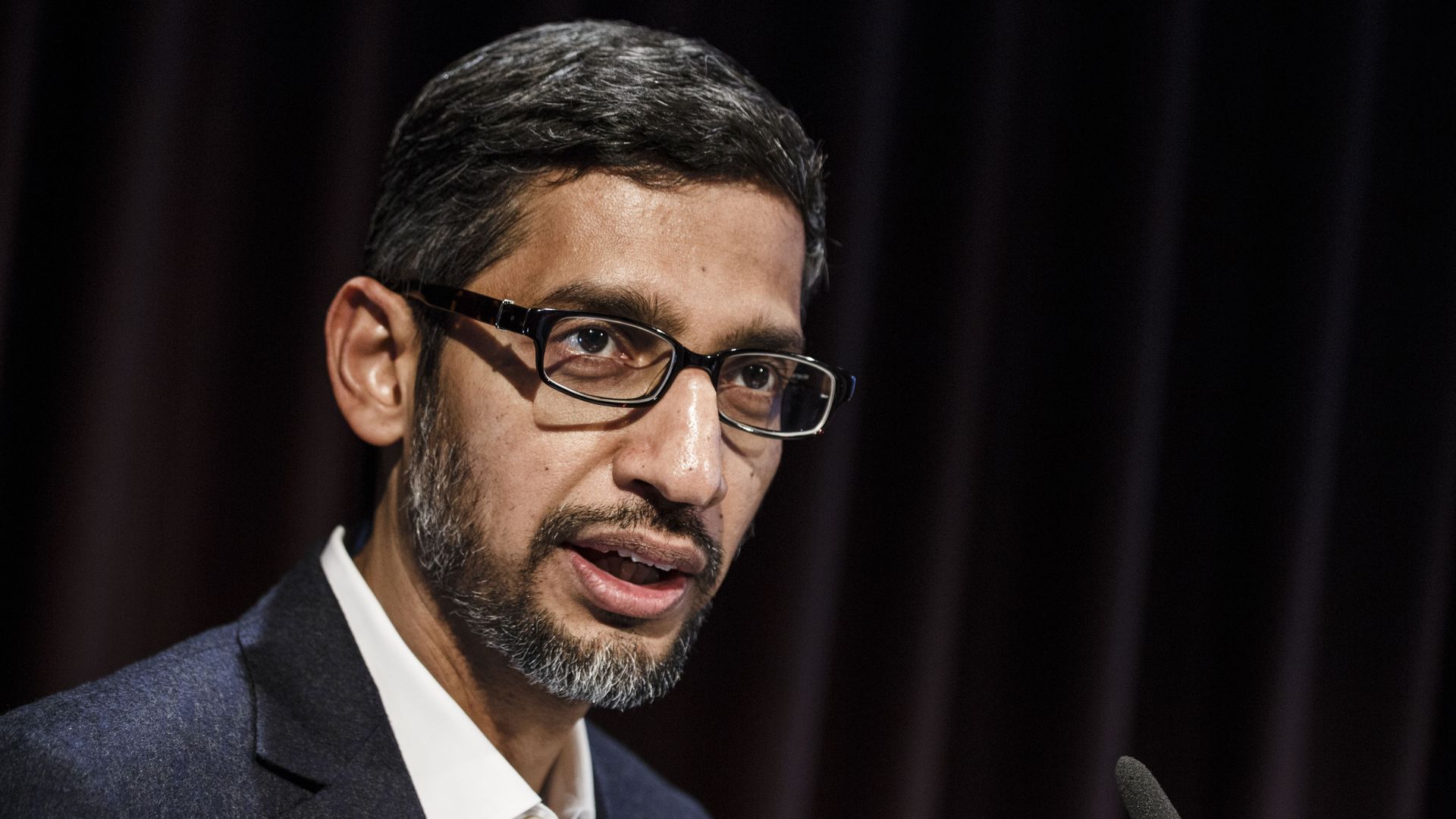
Google CEO Sundar Pichai is calling for regulations on artificial intelligence, warning that the technology can bring both positive and negative consequences, AP reports.
Why it matters: Lawmakers are largely scrambling to play catch-up on AI regulation as the technology continues to grow. Pichai did not provide specific proposals, but did urge while speaking at the Bruegel European economic think tank Monday that "international alignment" between the United States and the European Union will help ensure AI is used primarily for good.