Saturday's technology stories

Bill Gates says robots should pay taxes
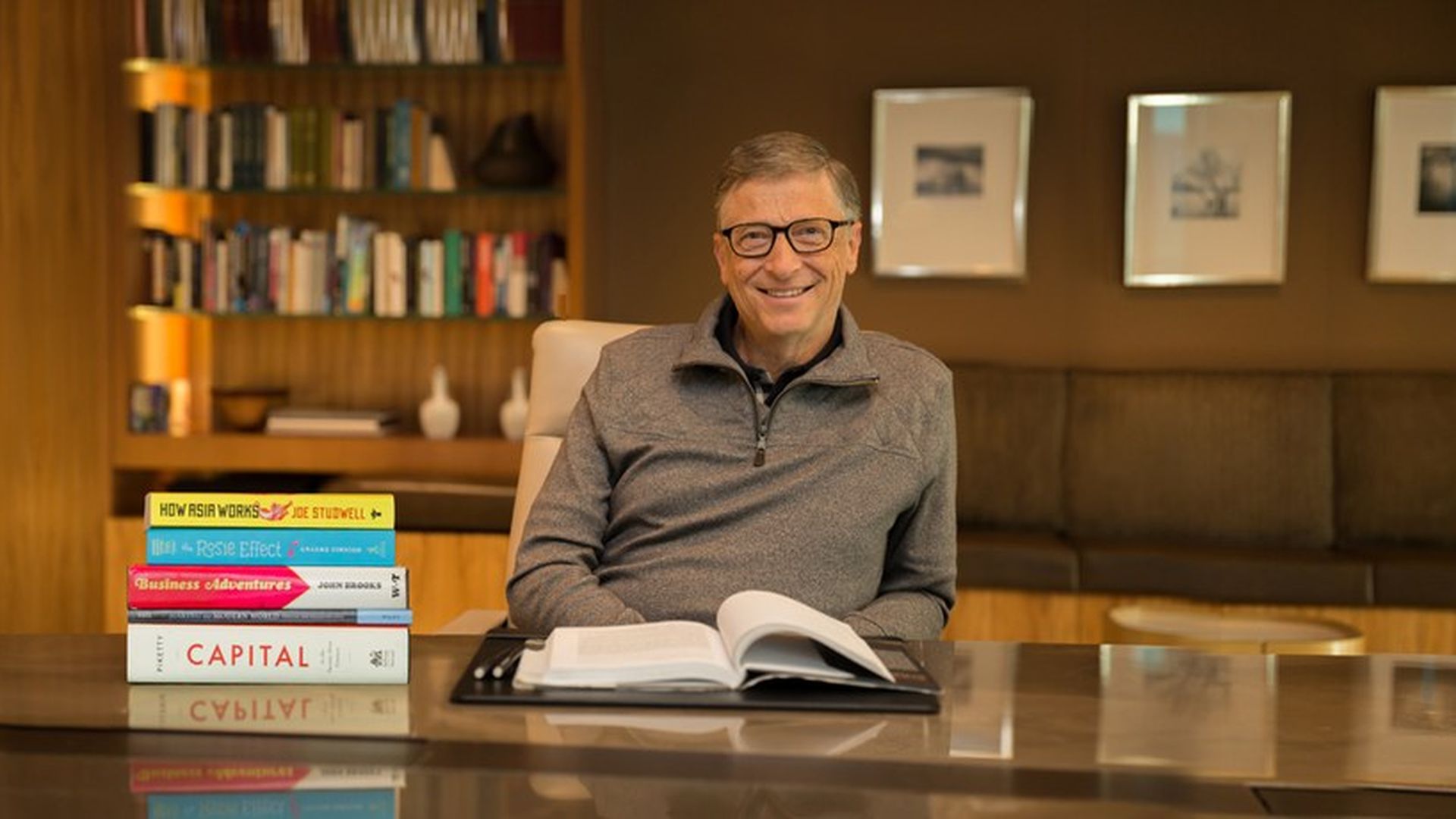
Bill Gates is the latest to suggest that one way to deal with the massive job losses expected to come from increased automation is to tax the job-killing robots, or at least the companies that use them.
"You ought to be willing to raise the tax level and even slow down the speed (of automation)," he said in an interview with Quartz. Gates, like many in and out of Silicon Valley, sees a mass labor disruption coming as artificial intelligence, self-driving cars and robots threaten to eliminate a ton of today's jobs.
"Right now, the human worker who does, say, $50,000 worth of work in a factory, that income is taxed and you get income tax, social security tax, all those things," Gates said. "If a robot comes in to do the same thing, you'd think that we'd tax the robot at a similar level."
Gates isn't alone: The European Union looked at the notion of a "robot tax" recently, but decided to pass, for now.
The counter-point: The PC and ATM also eliminated jobs, but the companies that have reaped those productivity gains aren't taxed.

GM, Lyft to roll out self-driving cars in 2018
The General Motors-Lyft self-driving car partnership could finally be seeing the light of day in 2018, according to a report from Reuters citing anonymous sources. The companies will roll out the fleets in several states.
In January 2016, GM announced a $500M investment in Lyft as well as a partnership to work together on self-driving cars. Shortly after, GM acquired self-driving car startup Cruise for close to $1 billion, which is also planning its own test program with Lyft later this year.

Zuckerberg's terror-fighting robots...
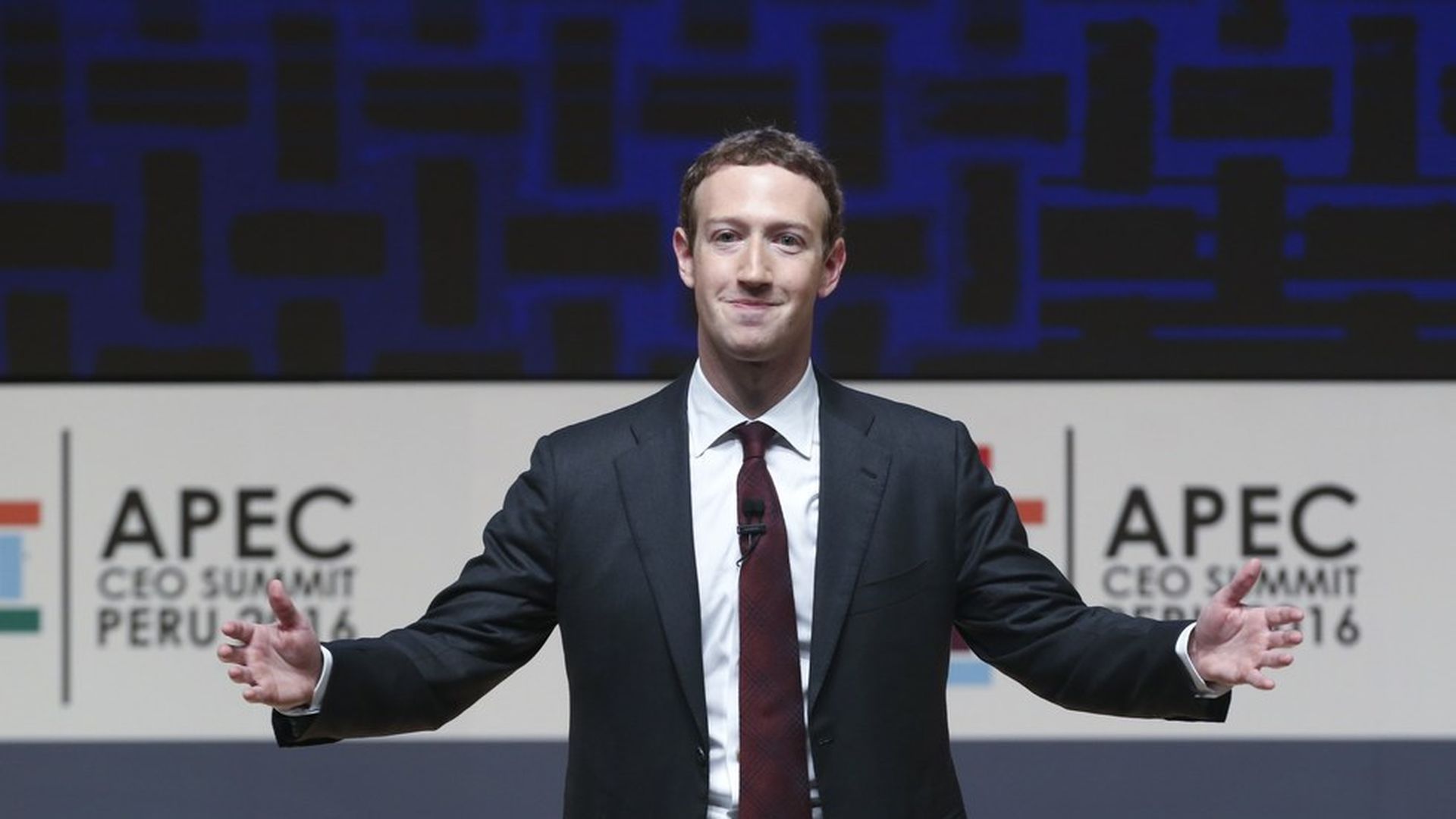
Mark Zuckerberg's long open letter yesterday includes a beefy section on the bad stuff that happens on Facebook:
"There have been terribly tragic events -- like suicides, some live streamed -- that perhaps could have been prevented if someone had realized what was happening and reported them sooner. There are cases of bullying and harassment every day, that our team must be alerted to before we can help out. These stories show we must find a way to do more."
The Facebook founder said they're scaling up to handle it with artificial intelligence:
"Right now, we're starting to explore ways to use AI to tell the difference between news stories about terrorism and actual terrorist propaganda so we can quickly remove anyone trying to use our services to recruit for a terrorist organization. This is technically difficult as it requires building AI that can read and understand news, but we need to work on this to help fight terrorism worldwide."
And he immediately followed that with a section on encryption and privacy, which looked different in earlier versions. But as Zuckerberg's platform deals with issues like terror recruiters and suicides and four people being murdered on Facebook Live in one day, expect to see more attempts to scale up prevention using such technologies as AI.